
How to Crochet Stuffed Animals: Create Unique Patterns That Sell
What makes someone click "buy" on a crocheted plushie, even when there are thousands of cute options? If you're searching for How to Crochet Stuffed Animals, here's the truth: the basics are easy to learn, but the pieces that sell are the ones that feel different in the hand, look clean in photos, and have small design choices people don't see everywhere.
This guide walks you from beginner stitches to advanced finishing, then shows how to choose or buy crocheted patterns that are designed to sell. I'll also share the exact "quality signals" shoppers notice, plus simple tweaks that can make a familiar animal feel brand new.
How to Crochet Stuffed Animals with a Beginner-First Foundation
Every great plush starts with boring basics done well. That's good news, because it means your first goal isn't "be original," it's "be solid." Most stuffed animals (often called amigurumi) use single crochet in the round, tight tension, and simple shaping.
Your first win is controlling gaps. If stuffing shows through, buyers read it as less polished. Use a smaller hook than the yarn label suggests, and aim for firm stitches. Keep your stitch count consistent, and use a stitch marker so you don't lose track.
Here's a beginner-friendly setup that works for most crochet stuffed animals:
- Worsted or DK yarn in light colors (easier to see stitches)
- A hook 0.5 to 1.5 mm smaller than the yarn label suggests
- A stitch marker (or a scrap of yarn)
- Polyester stuffing
- Safety eyes (or black yarn for embroidered eyes)
- A tapestry needle for sewing parts
Most patterns start with a magic ring (a sliding loop). If you hate magic rings, start with chain 2 and crochet into the first chain. The shape is slightly different, but it's still sellable if the finish is neat.
Start with a simple body shape first, like a ball or egg. Once you can make that smooth and even, adding limbs and ears feels natural.
If you want a clear, friendly on-ramp, browse best crochet patterns for beginners and pick a design with minimal sewn parts.
How to Crochet Stuffed Animals That Look "Store-Quality" in Photos
People don't just buy the animal, they buy what the photo promises. "Store-quality" is mostly about symmetry, smooth shaping, and clean details. The good part is you can learn this without complicated stitches.
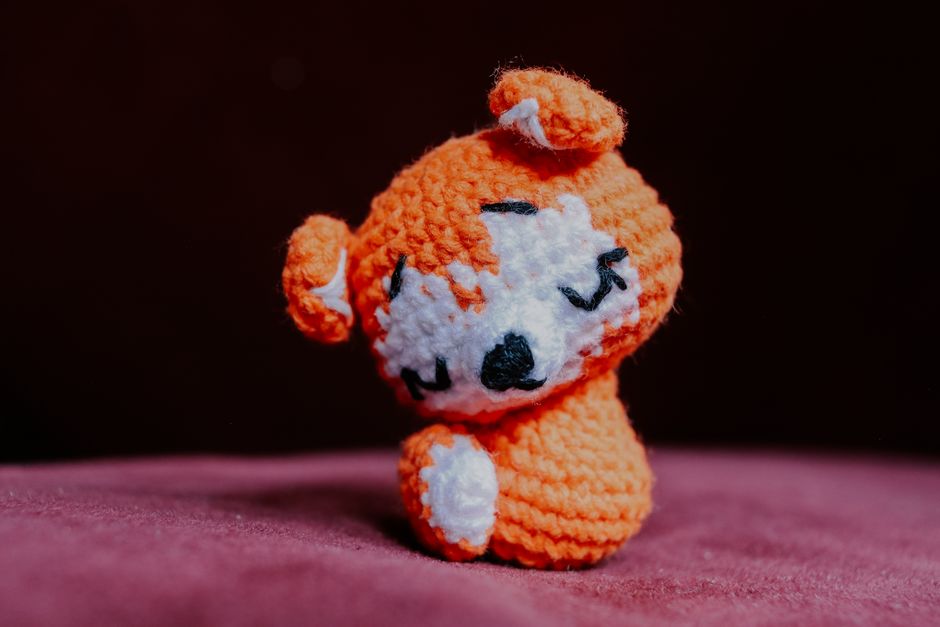
First, stuffing control matters more than stuffing amount. Overstuffing causes lumps and stretched stitches. Understuffing makes the toy look tired. Add small pinches of stuffing, then push it into edges with the back of your hook.
Second, shaping is clearer with invisible decreases. Many patterns say "dec," but if you use a standard decrease, you'll see little bumps. Invisible decrease (working the front loops only) keeps curves smooth.
Use this quick quality checklist while you crochet:
- Tight stitches with no stuffing visible
- Even rounds, no accidental increases or missing stitches
- Smooth decreases (prefer invisible decreases)
- Symmetrical placement for eyes, cheeks, ears, and limbs
- Clean seams with no big gaps where pieces attach
Eye placement is a hidden superpower. Move the eyes closer for "baby-cute," wider for "silly," and slightly lower for "gentle." Before you lock safety eyes, test placements with pins and take a phone photo. Photos reveal what your eyes miss.
For sewing, use the same yarn tail and stitch through both pieces in a steady rhythm. Pull snug, not tight. Tight sewing can warp the shape. If your pieces still look uneven, block them lightly (a gentle steam at a distance) before assembly.
For yarn choices that photograph well, check best yarn types for crocheting. Texture changes how "premium" a plush reads online.
How to Crochet Stuffed Animals with Unique Details Buyers Notice
"Unique" doesn't have to mean complicated. It often means one signature choice that feels fresh. Think of it like a cupcake. The base is familiar, but the topping makes it memorable.
Start by picking one design axis to customize. Keep the rest simple so your plush stays fast to make (and profitable). You can create originality by changing silhouette, texture, or personality.
Here are easy uniqueness upgrades that still work for beginners:
- Oversized head with tiny body (high-cuteness style)
- Long limbs for "hug" animals
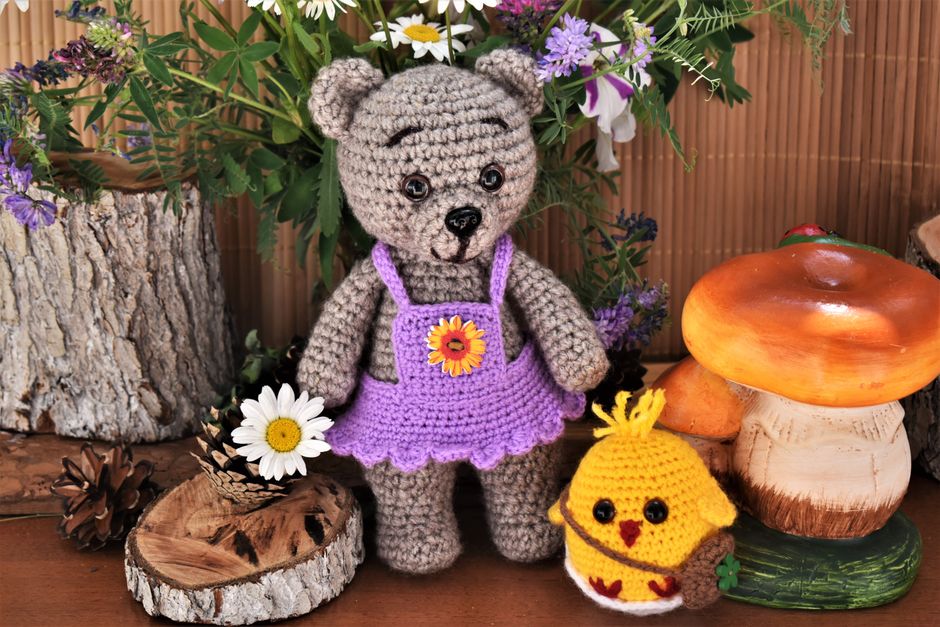
- Tiny accessories like scarves, backpacks, or flower crowns
- Two-tone bellies or paws using clean color changes
- Embroidered freckles, blush, or sleepy eyelids
- A surprise texture stripe (bobble stitch or ribbing)
If you want to go further, build a "character set." Shoppers love sets because they buy more than one. For example, make three forest animals with matching scarf colors, or a "sea squad" that shares the same big eyes and tiny fins.
Advanced makers can add shaping that looks almost sculpted. That's where short rows (partial rows), needle sculpting (pulling yarn through to indent), and careful increases come in. Those skills turn a basic bear into a bear with cheeks, a snout ridge, and realistic paws.
If you're ready for that jump, learn from how to crochet complex patterns and practice on a single feature at a time, like a shaped muzzle.
The goal is to create a style people recognize as "yours." Once buyers can spot your work in a scroll, you're no longer competing only on price.
Buy Crocheted Patterns That Sell: What to Look for Before You Spend
Buying patterns can save months of trial and error, but not every pattern is designed for selling finished plushies. Some are written for hobby fun, not for repeatable results. If your goal is "create unique stuffed animals" that actually move, you want patterns that are clear, tested, and built with consistency.

Start by checking the pattern listing details. A sellable pattern usually shows multiple angles, close-ups of seams, and clear stitch definition in photos. Look for size info, yarn weight, hook size, and finished measurements. Those details help you plan pricing and shipping.
Use this buying checklist so you don't waste money:
- Clear skill level (beginner, intermediate, advanced)
- Abbreviation key and stitch explanations
- Photos of tricky steps (like muzzle shaping or limb placement)
- Notes on stuffing, eye placement, and assembly order
- Testers credited (a sign the pattern was checked)
- Licensing terms that allow selling finished items (read carefully)
If a pattern doesn't mention selling finished items, message the designer before you sell. That protects you and supports the pattern writer.
Also, think about product line speed. A pattern that takes 12 hours may be beautiful, but it has to earn its time. A pattern you can repeat in 2 to 4 hours is often easier to sell at a fair price without burning out.
For pattern shopping that's focused on uniqueness and sales, see buy unique crochet patterns for stuffed animals. It's a strong starting point for building a collection that matches your style.
Pricing, Packaging, and Trust Signals That Help Plushies Sell in 2026
Crochet plushies are emotional buys. People want a gift that feels personal, safe, and well-made. Your job is to remove doubt. That means consistent quality, clear photos, and simple trust signals.
Pricing starts with time, materials, and complexity. Track one full make from start to finish, including sewing and weaving ends. Then add your material cost. If you're selling online, include platform fees and shipping supplies.
Packaging matters because it becomes part of the gift. Clean, simple packaging can raise perceived value without high cost.
Here are trust signals that help buyers feel confident:
- A clear care card (hand wash, air dry, don't tumble)
- Fiber content notes (especially if using wool blends)
- Safety note about small parts (important for kids under 3)
- A branded tag or sticker for a finished look
- Photos showing size in a human hand or next to a common object
Safety is also a real selling point. The U.S. Consumer Product Safety Commission (CPSC) shares guidance and recalls related to children's products, and it's worth staying aware if you sell toys: U.S. CPSC.
If you sell to parents, consider embroidered eyes for baby gifts. Safety eyes can be a choking hazard if they come loose.
Freshness matters too. In 2026, buyers are still responding to "comfort crafts" and thoughtful gifts. Etsy continues to highlight personalization and giftability as key shopping behaviors, which matches plushie sales well: Etsy Marketplace Insights.
And if you're adding sustainable messaging, be honest. Many shoppers care about materials and waste. For general textile and fiber context, the U.S. Environmental Protection Agency has background on materials management: U.S. EPA.
FAQ How to Crochet Stuffed Animals and Sell Them Confidently
What Yarn Is Best When Learning How to Crochet Stuffed Animals?
Start with a smooth acrylic or cotton blend in a light color. Smooth yarn shows stitches clearly, so you can count and spot mistakes fast. Fuzzy yarn hides errors, but it also hides gaps until you stuff the toy. Once your tension is steady, try plush yarn for a softer, trendy look, but size up safety steps because plush yarn can snap if pulled too hard.
How Do I Keep Stuffing From Showing Through My Stitches?
Use a smaller hook than the yarn label suggests, and keep your tension firm. Add stuffing in small pieces and spread it out, instead of pushing in one big ball. Invisible decreases also help because they close the fabric neatly. If you still see gaps, switch to a slightly thicker yarn, or double-check that you aren't accidentally stretching stitches during assembly.
Can I Sell Stuffed Animals Made From Bought Crochet Patterns?
Often yes, but you must read the designer's licensing terms. Many designers allow selling finished items in small batches, as long as you don't resell the pattern itself. Some require credit in listings. If terms aren't clear, ask the designer before you list anything. Keeping a screenshot of permissions is a smart habit.
What Makes a Crochet Stuffed Animal Pattern "Sellable"?
A sellable pattern is repeatable and looks good from every angle. It has clean shaping, clear instructions, and an assembly plan that avoids wobbly limbs. It also creates a finished toy that photographs well, with strong proportions and a face people connect with. Patterns that include tips for eye placement, stuffing, and finishing usually lead to better results for sellers.
How Long Should My First Sellable Plush Take to Make?
Aim for a design you can finish in 2 to 4 hours once you've practiced it a few times. Your first attempt may take longer, and that's normal. If a plush takes 10 to 12 hours, you'll need to charge more, and that can be harder to sell unless your brand is already known. Starting with faster patterns helps you build inventory and confidence.
Create Your Next Best-Seller with the Right Pattern and a Signature Style
Learning How to Crochet Stuffed Animals is a skill you can build quickly, but selling them comes from small, smart choices: tight stitches, smooth shaping, and a look that feels like you. Pick one simple animal, make it twice, then improve one detail each time. That's how your "signature" gets real.
If you're ready to stock your shop with designs that stand out, explore unique crochet patterns for sale and choose patterns that match your speed, your yarn, and your audience.
Want me to help you choose a pattern style that fits what you like making (cute, realistic, spooky, pastel, mini, jumbo)? Grab a few favorites from my Squarespace shop at https://artncraftartncraft.art, and build your next collection around one strong theme.