
Buy Unique Crochet Patterns for Stuffed Animals: Discover Designs You Can Create and Sell
In 2026, handmade plush toys keep popping up in gift guides and craft fairs, and the sellers who stand out usually do one thing well, they choose designs people haven't seen a hundred times. If you want to Buy Unique Crochet Patterns for Stuffed Animals, you're in the right place because I'm going to show you what "unique" really means, how to pick patterns that sell, and how to turn them into products customers trust.
You'll also get a simple, real-world way to test a new stuffed animal idea before you make ten of them. That one habit saves yarn, time, and frustration, especially if you're selling.
Buy Unique Crochet Patterns for Stuffed Animals That Actually Sell
"Unique" isn't just a funky color or longer ears. In the stuffed animal market, unique means the finished plush has a clear point of difference that a shopper can understand in two seconds. Think of bold features, a fun theme, or a shape that looks great in photos. That matters because most people discover plushies on fast-scrolling pages, not in a quiet store.
A pattern that sells well usually gives you three wins at once. It looks special, it's fun to crochet, and it's repeatable, so you can make it again without hating your life. If you're choosing between patterns, lean toward the ones that have clean shaping instructions, clear stitch counts, and good photos.
Here's a quick "uniqueness checklist" I use before I commit to a new design:
- A recognizable silhouette (you can tell what it is from across the room)
- One standout detail (tiny teeth, embroidered freckles, a removable hoodie)
- A theme buyers already love (forest animals, ocean creatures, fantasy buddies)
- Options for size (mini, standard, jumbo) or accessories (hat, scarf, backpack)
- A finish that photographs well (smooth shaping, balanced proportions)
After you pick a design, aim to add your own signature. Maybe every animal has the same sleepy eyes style, or all your plushies come with a tiny "snack" accessory. Those small brand touches help customers remember you.
If you're ready to level up your shaping and finishing so your plushies look "store quality," check out How to Crochet Complex Designs for techniques that make details cleaner and more consistent.
A Case Study Method: Test One Pattern Like a Product Launch
Most crocheters pick a cute pattern, make it once, and hope it sells. Sellers who grow faster treat a pattern like a small product launch. You don't need fancy tools for this. You need a repeatable test that tells you, "Yes, this one should be in my shop."

Here's my simple case study method that I use when I Buy Unique Crochet Patterns for Stuffed Animals and want to see if they're worth turning into a product line. I'll use a pretend example: a "mushroom frog" plush with a removable cap.
First, I crochet one sample using the recommended yarn and hook. That's my control version. Next, I crochet a second sample with one change, like a different yarn texture or a slightly larger size. Then I photograph both in the same light, with the same background, and I ask a small group (friends, craft community, past customers) which one they'd buy.
Follow this basic sequence so your test is fair and useful:
- Make one "as written" sample to learn the pattern's true shape
- Track time and materials (minutes, yarn grams, safety eyes size)
- Make one improved sample with only one change
- Take clean photos with consistent angles and lighting
- Collect quick feedback (poll, comments, craft fair reactions)
- Decide: keep, tweak, or drop the design
Then put your results in a tiny pattern notebook. Over time, you'll know your best-selling shapes, best yarn types, and best price points for your audience.
If you want to go deeper on what makes advanced designs sell and how makers adapt patterns for customers, read Advanced crochet techniques for selling unique items.
Design Choices That Make Stuffed Animals Feel "One-Of-A-Kind"
The fastest way to make a stuffed animal feel original is to treat the pattern as the base, not the final. Even if you start with a pattern you love, customers notice the details you add by hand. This is where your maker experience becomes your edge.
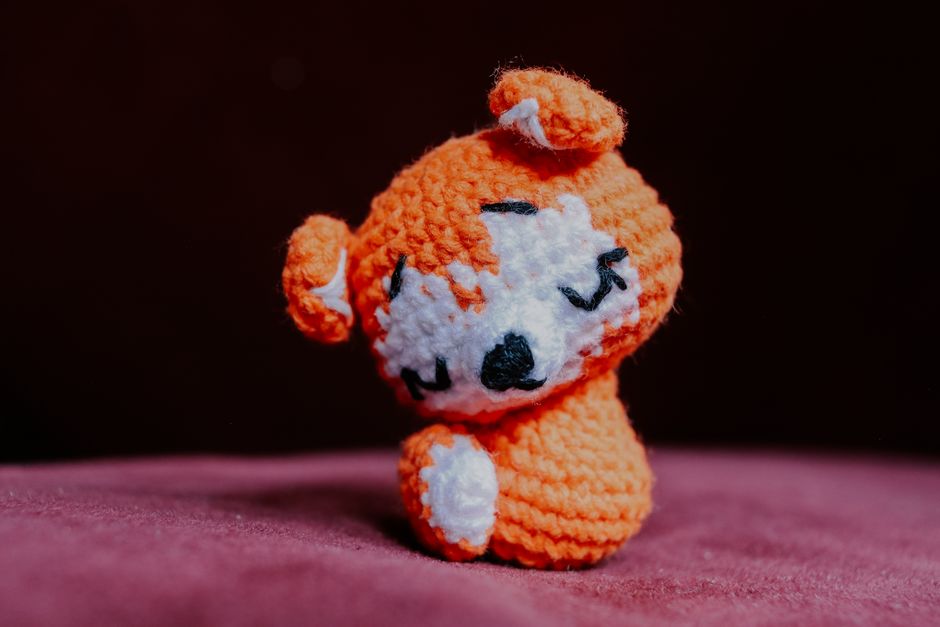
Start with facial expression. Tiny changes in eye placement can shift a plush from "wide-eyed baby" to "sleepy friend." Embroidery (hand-sewn stitches) gives you more control than plastic eyes, and it can be safer for young kids too. If you do use safety eyes, be consistent and pick sizes that match the head shape.
Next, focus on texture. Plush yarn looks cuddly, but it can hide stitches and make details harder. Smooth cotton shows crisp stitch definition and makes your shaping look clean. Acrylic can be a nice middle ground for price and color range. The Craft Yarn Council explains yarn weights and how they affect projects, which helps when you're matching yarn to pattern results (Craft Yarn Council).
These design levers are my go-to ways to create a "signature" line:
- Color stories (pastel forest set, neon sea set, classic teddy set)
- Accessories (tiny backpack, flower crown, removable cape)
- Mixed stitches (bobble belly, ribbed paws, spike-stitch mane)
- Proportions (big head, tiny body for "kawaii" style, or long limbs for "rag doll" style)
- Personalization (initial on the foot, birth year tag, custom eye color)
Give each animal a name and a short story card. It sounds simple, but shoppers love it. A "Juniper the Moss Bunny" feels more giftable than "crochet bunny."
Also consider safety and labeling if you sell to families. In the US, the Consumer Product Safety Commission shares guidance and recalls around children's products, and it's worth staying aware of basic safety expectations (CPSC). You don't need to panic, but you should be thoughtful about small parts, stuffing, and seams.
Pricing, Listings, and Photos: the "Sell" Part That Makers Skip
A unique plush doesn't sell if your listing makes it look average. Most buyers can't judge stitch technique. They judge photos, clarity, and trust. That's great news, because you can improve those things fast.
Start with pricing based on real numbers, not vibes. Track yarn cost per plush, stuffing cost, and any extras (tags, boxes, ribbons). Then add labor. Many makers time a full plush and multiply by an hourly rate they can live with. If you feel weird charging for time, remember you're not selling yarn, you're selling a finished gift.
Use this simple pricing structure to avoid undercharging:
- Materials cost (yarn, stuffing, eyes, packaging)
- Labor time (minutes or hours, then multiply by your hourly goal)
- Overhead buffer (10% to cover tools, mistakes, fees)
- Profit margin (so you can grow, not just replace supplies)
After you set a price, build listings that answer buyer questions right away. Include size in inches or centimeters, materials used, care instructions, and whether the plush is meant for display or play. If you sell items intended for kids, be extra clear about age recommendations and parts.
Photos do heavy lifting. Use bright window light, a clean background, and one "scale" photo, like the plush in a hand or next to a common object. If your animal has a special feature, show it up close. If it has a removable hat, show it on and off.
Want to make your designs feel more advanced and premium, so pricing feels easier? Browse crochet patterns for stuffed animals that look alive to see how lifelike shaping and details change perceived value.
Where to Find Unique Patterns and What to Check Before You Buy
If your main goal is to Buy Unique Crochet Patterns for Stuffed Animals and sell the finished plush, you should shop like a business owner. That doesn't mean you can't buy a pattern just because it's adorable. It means you read the fine print and check pattern quality.

First, look for a clear "finished items allowed" note. Many designers allow you to sell what you make, but some have limits like "no mass production" or "credit the designer in listings." Respect those rules. They protect the designer and keep the craft community healthy. If the terms aren't clear, message the designer before you buy.
Second, check if the pattern includes the details you need to reproduce results. Does it list yarn weight and yardage? Does it tell you the finished size? Are there progress photos? Are there stitch counts per round? That's the stuff that prevents headaches at 11 p.m. when you're trying to meet an order deadline.
Use this pre-buy checklist to avoid pattern regret:
- Licensing terms for selling finished items are stated clearly
- Skill level is realistic (not "easy" for a complicated shape)
- Materials list includes yarn weight, hook size, stuffing, and notions
- Pattern uses standard terms (US or UK is labeled)
- Photos show front, side, and back of the finished animal
- Reviews mention clarity, not just cuteness
Finally, pick patterns that fit your customer base. If your buyers love "cute and tiny," a giant dragon might not be your best first product. If your audience loves fantasy, don't start with plain farm animals unless you can add a twist.
FAQ Buy Unique Crochet Patterns for Stuffed Animals
What Makes a Crochet Pattern "Unique" for Stuffed Animals?
A unique crochet pattern creates a plush with a look that's easy to spot fast. It might be an unusual animal, a hybrid creature, or a signature detail like a removable outfit. The best unique patterns also have clean shaping instructions, so your finished plush looks like the photos. If you're selling, uniqueness should be visible in pictures and not just in your head.
Can I Sell Stuffed Animals Made From Patterns I Buy?
Often yes, but you have to read the pattern's terms. Many designers allow selling finished items with credit, and some set limits on quantity. A few designers don't allow commercial sales at all. If you plan to sell, only Buy Unique Crochet Patterns for Stuffed Animals that clearly state you can sell the finished plush.
What Yarn Works Best for Stuffed Animals I Want to Sell?
It depends on your brand. Plush yarn makes toys extra cuddly, but it can hide stitches and make details harder. Cotton shows crisp stitches and looks neat in photos, which helps for premium listings. Acrylic is affordable, easy to wash, and comes in many colors. Test one sample with your chosen yarn before you list it, so you know the real size and feel.
How Do I Price a Crochet Plush so I Don't Undercharge?
Track materials and time for one plush, then price from those real numbers. Add a buffer for fees and mistakes, then include profit so you can restock and grow. If a plush takes four hours, pricing it like a quick project will burn you out fast. A fair price also signals quality to buyers who want a special handmade gift.
How Do I Make My Stuffed Animals Look More Professional?
Use tight, even stitches and consistent stuffing, then shape the face carefully. Add details that look intentional, like embroidered eyebrows, blush, or a tiny accessory. Photograph in bright natural light with simple backgrounds. If you want advanced finishing help, explore best crochet patterns for advanced projects for ideas that push your skills and your product quality.
Final Thoughts: Pick One Pattern and Run a Small Test This Week
The quickest path to a shop full of best-sellers isn't buying dozens of designs at once. It's choosing one strong idea, making two samples, and learning what your buyers react to. That's how you turn "cute" into consistent sales.
If you're ready to Buy Unique Crochet Patterns for Stuffed Animals and build a stuffed animal lineup that customers remember, start with one pattern that has clear terms, great photos, and a standout feature. Then give it your signature touch and test it like a real product. After that, listing and selling gets a whole lot easier.