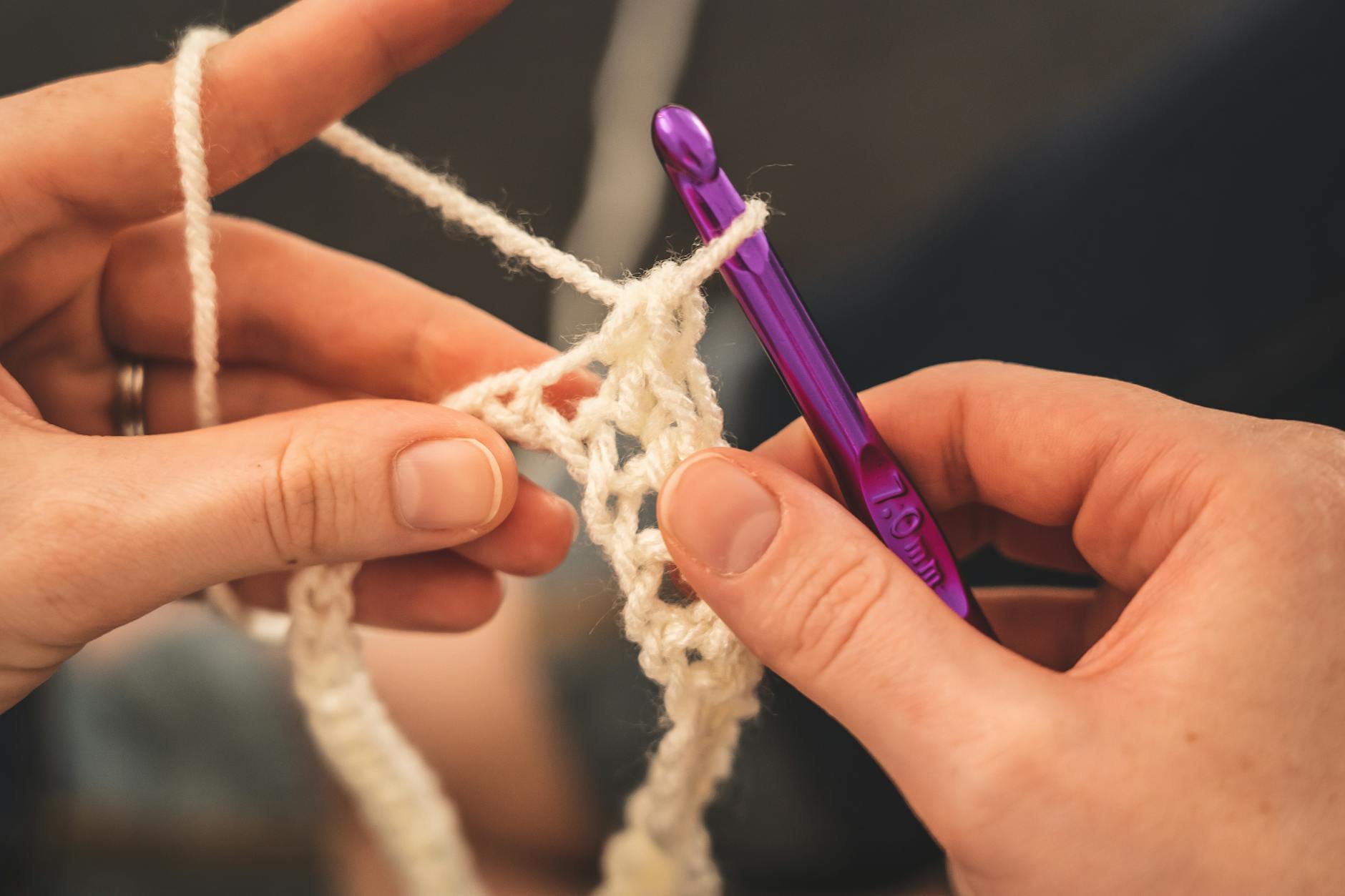
Unique Crochet Patterns for Sale: Compare Formats, Match Yarn, and Nail Every Project
At midnight, my phone buzzed with a photo of a half-started shawl and tangled yarn. "Help, what am I missing?" The fix was simple, a better pattern-to-yarn match. If you want fast wins and fresh ideas, Unique Crochet Patterns for Sale paired with smart yarn choices will save time, money, and frustration.
Crochet is surging again, and trend trackers say textured, crafty looks are back for 2025 Pinterest Predicts. Whether you love airy lace or chunky comfort, the best results come from two smart decisions, the right pattern and the right fiber. Let's compare your options so you can choose with confidence.
Unique Crochet Patterns for Sale: What Makes Them Stand Out
Some patterns feel alive the moment you open them. Clear photos, yarn notes, and stitch help make each row flow. Others look cute, then stall because yardage, gauge, or stitch counts are fuzzy. The difference is design craft and support. Great designers share yarn pairings, sizing notes, and clear charts, so your time turns into finished beauty, not guesswork.
You also want patterns that match your personal style and schedule. If you need a weekend gift, fast stitches and chunky yarns will beat delicate lace. For a keepsake, slow stitches and luxury fibers shine. The right pattern explains both paths and shows what yarns truly suit the fabric.
- Clear difficulty labels with honest time estimates
- Yarn weight, fiber suggestions, and real yardage ranges
- Step photos or charts for tricky parts
- Fit or blocking notes that explain drape goals
- Support channel or email for quick questions
Smart pattern pages help you compare before you buy. Look for notes that link fiber choice to fabric behavior. If a pattern mentions cotton for crisp stitch definition or alpaca for gentle drape, that designer has tested. That saves you from ripping later and turns buying into making.
Digital vs Printable Patterns: Which Format Fits Your Flow?
Picking format sounds small, but it changes how you work. Digital files are fast to access and easy to search. You can zoom on your phone, annotate on a tablet, and carry a whole library without extra weight. Printable pages are perfect if you love pen marks, sticky notes, and a big chart you can tape to the wall.

Think about your making space. If you crochet on the go, digital wins for portability. If your craft corner has a clip board and highlighters, a printout feels natural. Both formats can deliver the same quality, so choose the one that helps you focus.
- Digital pros: instant download, searchable text, zoomable photos, cloud backup
- Printable pros: easy note taking, no screen glare, large chart view, battery free
If you are still unsure, test your routine with a small project first. Keep track of how often you reach for notes, how you count repeats, and when you check photos. Then use a simple framework to decide.
- Do you need the pattern right now for a gift deadline? Choose digital.
- Do you annotate heavily with symbols and colors? Choose print.
- Will you work in bright sun or at the beach? Choose print.
- Do you travel or crochet on lunch breaks? Choose digital.
Custom Commissions vs Ready-To-Buy: Cost, Speed, and Control
Ready-to-buy patterns give you instant variety and proven instructions, often at a friendly price. You can browse, buy, and start before your tea cools. Custom patterns cost more because they include one-on-one design time, sketches, and testing for your exact yarn and fit. If you crave something that nobody else has, that premium can be worth it.
Speed is the big contrast. Need a birthday gift this weekend? Ready-to-buy is your hero. Planning a wedding shawl that fits your exact wingspan and dress neckline? Commission a custom, build a schedule, and enjoy the creative journey. Both paths can deliver showstoppers.
- Ready-to-buy: fast, budget friendly, huge selection, community project photos
- Custom: unique shaping, yarn specific math, personal style details, designer support
To choose wisely, set your top constraint. If budget is tight, buy a ready-to-go pattern and spend a bit more on nice yarn. If design control matters most, commission and then shop smart for fiber. If you want tailored but not from-scratch, look for patterns with modular options, like adjustable sleeve length or swappable borders. For a deeper guide, explore Buy Unique Crochet Patterns Online.
Yarn Showdown: Natural Fibers vs Synthetics for Drape, Warmth, and Care
Yarn choice changes everything. Natural fibers like wool, cotton, alpaca, and linen breathe well, hold heat differently, and block into shape. Synthetics like acrylic and nylon offer softness, colorfastness, and easy washing. Blends try to harness the best of both. Your pattern probably lists a weight, like DK or worsted. Check the standard weight system by the Craft Yarn Council to match gauge and feel.

Care is the next big contrast. Many superwash wools can go in a gentle machine cycle, while non-superwash wool prefers a soak and press dry. Acrylic often machine washes well, but high heat can warp fibers. For wool care tips and symbols, visit The Woolmark Company. For baby makes or sensitive skin, look for certified low-chemistry yarns, such as those tested under OEKO-TEX Standard 100.
- Natural fiber highlights: wool insulates and springs back, cotton is cool and crisp, alpaca drapes warmly, linen softens with wear
- Synthetic highlights: acrylic is budget friendly and colorful, nylon adds strength, microfiber can feel silky and light
Think fabric outcome, not just color. If a shawl pattern aims for fluttery edges, alpaca or a wool blend shines. If a tote needs structure, cotton or cotton linen keeps stitches firm. For a simple system, swatch two yarns and block both.
- Measure pre-block gauge in 10 cm or 4 inches.
- Wet block per label, then re-measure.
- Choose the swatch that hits gauge and drape goals from the pattern photos.
For more fiber ideas, see Best Yarn Types for Crocheting.
Textures and Stitches: Simple Look vs Statement Piece
Stitch texture affects yarn needs and project pace. Dense stitches like waistcoat or thermal stitch build thick, warm fabric but use more yarn and time. Open stitches like V stitch, filet, or broomstick lace create airy fabric that blocks large and feels lighter. Designers choose stitches to match purpose, so study photos and read the stitch list.
If you want a daily-wear cardigan, smooth textures in DK or worsted yarn balance speed and drape. For a statement piece, like a dramatic shawl or gallery wall hanging, explore lace repeats or mega puffs in a soft halo yarn. If you are newer to complex textures, look for patterns with charted repeats and video support.
- Low texture, fast: half double crochet, linen stitch, moss stitch
- Medium texture, balanced: shell stitch, granny stripe, waffle stitch
- High texture, bold: crocodile stitch, puff and bobble mixes, overlay mosaic
To avoid surprises, test the pattern repeat on a small swatch. A quick plan helps you confirm yardage and speed before you commit to full size.
- Work one full repeat at pattern gauge.
- Time 15 minutes of steady stitching and estimate project hours.
- Weigh the swatch and project total yarn from grams used.
If your time estimate feels tight, shift to a lighter stitch or bigger hook. If you crave drama, add a contrast border or switch to a halo yarn for soft volume.
Budget Breakdown: Premium Skeins vs Smart Substitutes
Price tags can steer your cart, but cost per yard is the real number. A 100 gram skein can be 120 yards in super bulky or 400 yards in fingering. Two skeins of fingering sometimes cost less than one bulky project even at the same sticker price. Always compare price per 100 yards and then map it to your pattern's yardage range.
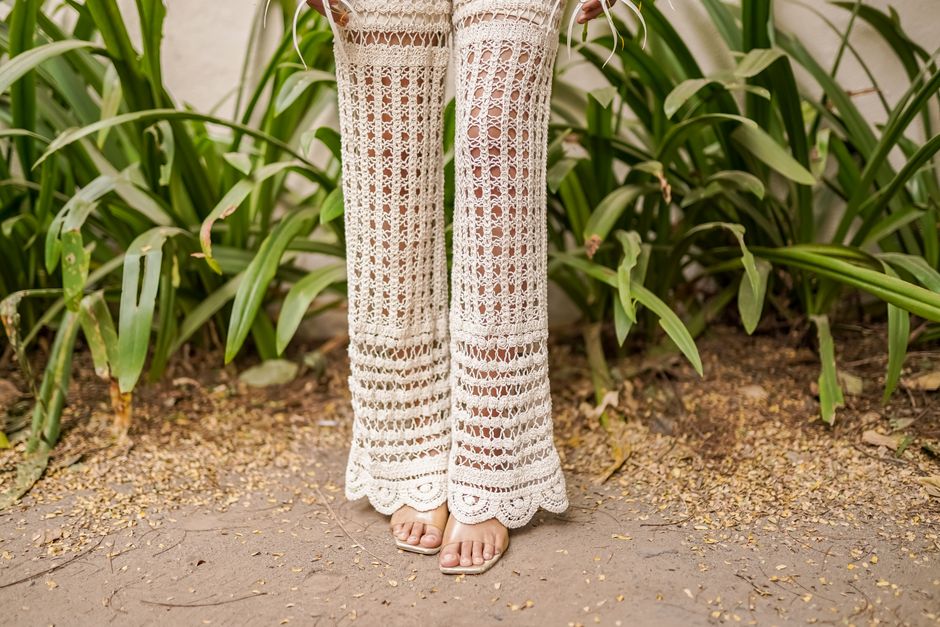
Premium fibers often shine on garments and heirlooms. A merino silk blend can turn a simple stitch into luxury. Smart substitutes make sense for fast gifts or kid items that will see heavy washing. Match yarn weight first, then fiber behavior. Use the Craft Yarn Council weights to pair properly, and remember that fiber stretch changes fit.
- When to invest: garments next to skin, heirloom blankets, fine lace shawls, gifts for makers
- When to save: seasonal decor, quick toys, charity blankets, classroom projects
A few tactics can stretch your budget without hurting results. Choose patterns that show multiple size options or offer yardage calculators. Swap one fancy skein into borders or yokes and use a matching budget base yarn for the body. Pick tonal colorways instead of speckles to reduce pooling risks on substitutes. If gauge is close but not perfect, adjust hook size and re-swatch until the math and drape align.
Frequently Asked Questions
Choosing patterns and yarns gets easier with practice. These answers compare common forks in the road so you can start strong and finish happier. If you still have questions after this, send me a note through the shop page. I love helping makers match pattern dreams to real yarns.
How Do I Judge Pattern Quality Before I Buy?
Scan the listing for stitch counts per row, gauge in stitches and rows, and clear photos of the wrong side and edges. Quality designers note yarn weight and fiber, offer yardage by size, and show finished measurements. If the pattern includes a blocked and an unblocked gauge, that is a great sign. Community photos and reviews prove that the instructions work across yarns, hands, and hooks.
Can I Substitute Yarn and Still Get the Same Look?
Yes, if you match weight, gauge, and fiber behavior. Start by checking the listed weight and swatch to the stated gauge. Then consider fiber. Cotton looks crisp, wool springs back, alpaca drapes more. If the model shows flowy edges, a cotton swap may look stiff. If the sample is structured, a very drapey swap might sag. Always block your swatch like the final piece before deciding.
What Is the Fastest Path From Cart to Finished Gift?
Pick a ready-to-buy digital pattern marked easy or confident beginner, choose a medium weight yarn like worsted or aran, and a 5 to 6.5 mm hook. Aim for stitches like half double or shell repeats that grow quickly. Work a 10 cm or 4 inch swatch, adjust hook to hit gauge, and go. Set a simple daily goal, like two repeats per evening, to stay on track.
Which Fibers Are Best for Baby or Sensitive Skin?
Look for soft merino labeled superwash, bamboo blends, and certified low-chemistry acrylic or cotton. Certifications like OEKO-TEX Standard 100 test against a list of harmful substances. Avoid scratchy fibers or high heat dryers for acrylic. Always wash and dry your swatch the same way you plan to wash the finished item to check feel and shape retention.
What If I Crochet Tightly and Always Miss Gauge?
Use a larger hook, try a slightly loftier yarn, and relax your grip. Swatch both flat and in the round if your project is worked that way. If you are still off after a bigger hook, choose a pattern written for the next lighter yarn weight or a stitch pattern with more give. For forms and extra practice, read Crocheting Tips for Beginners.
Final Stitch: Your Next Make Starts Here
You have two keys, sharp pattern picks and yarn that suits the fabric. Compare formats for your workflow, weigh custom versus ready-to-buy for control and speed, match fiber to drape and care, and choose stitches that fit your timeline. Trend watchers see crochet textures rising in 2025, so your next make can feel fresh and timeless at once.
Browse my shop for Unique Crochet Patterns for Sale with clear photos, yardage by size, and yarn pairings that I have tested with real swatches. If you want help picking a fiber, message me with your climate, care needs, and budget. Let's turn your hook, your yarn, and your style into a finished piece you cannot wait to wear or gift.