
Best Yarn Types for Crocheting: Build Unique Patterns That Shine Online
Ever frogged a project because the stitches looked flat or the drape felt stiff? The fix often starts with picking the right fiber. Best Yarn Types for Crocheting is not a vague idea, it is a clear framework you can use to match fiber, twist, and weight to the pattern you love. In this guide, we move from beginner basics to advanced tactics, so you can choose yarns that make your online crochet patterns look pro and feel amazing.
I have tested hundreds of skeins across cotton, wool, linen, silk, alpaca, and modern blends. The truth is simple. Different stitches highlight different fibers, and the right choice makes your motifs pop, your garments last, and your photos stand out in a crowded feed.
Start with Fiber Basics for Confident Choices
Before you buy a gorgeous skein, know how fiber behaves. Each natural or synthetic fiber has a built-in personality that shows in stitch shape, sheen, and wear. If you understand those traits, you can avoid splitty yarns for tight stitches, pick softer fibers for wearables, and reach for sturdy choices for home items. This section sets a foundation you can use in every project, then we will layer in weight, twist, and blends.
Wool has natural bounce, great memory, and can absorb up to about 30 percent of its weight in moisture before it feels wet, which keeps wearables comfy in changing temps The Woolmark Company. Cotton is crisp, breathable, and machine washable, which makes it perfect for summer tops and dishcloths, though it can stretch if overworked, see fiber science notes from Cotton Incorporated. Linen and hemp soften with use and block beautifully, while acrylic is budget friendly and color rich. Blends mix strengths, like wool's recovery with silk's sheen.
- Wool and Merino: Warm, elastic, great stitch definition, ideal for cables and textured motifs
- Cotton: Cool, durable, holds clean lines, great for lace motifs and summer wear
- Linen and Hemp: Strong, crisp to soft over time, fantastic drape for openwork
- Acrylic: Affordable, light, wide colors, easy care for blankets and toys
If you have never matched fiber to stitch before, start small. Make two coasters in different fibers and compare. For extra help on first steps, check Crocheting tips for beginners for swatching and hook sizing tips I use daily.
Best Yarn Types for Crocheting by Project Goal
You do not pick yarn in a vacuum. You pick it for a job. A baby blanket needs easy care and softness. A market bag needs strength and shape. A lacy top wants drape and a bit of sheen. Thinking by project goal keeps your cart focused and your finished piece on point. Use the quick map below as a starting guide, then adjust based on stitch type and climate.

For wearables that hug the body, like cardigans and hats, choose bouncy fibers that spring back, such as merino or merino blends. For warm climates or beach days, plant fibers breathe and hold crisp stitches that show off shells and fans. For amigurumi, you want low stretch and smooth stitches that hide stuffing, which makes mercerized cotton or a firm acrylic perfect picks. Home goods need durability and washability, so cotton, cotton blends, or sturdy acrylics shine.
- Baby Blankets: Soft acrylic, merino blends, or cotton acrylic blends for easy washing
- Summer Tops and Shawls: Linen, cotton, bamboo, or silk blends for drape and breathability
- Amigurumi and Toys: Mercerized cotton or firm acrylic for tight, even stitches
- Bags, Baskets, and Rugs: Cotton, cotton hemp blends, or t-shirt yarn for structure
On colorfastness, plant fibers often hold dye well but can fade with heavy sun. Protein fibers like wool handle blocking better and hold shape longer. If you plan to sell or gift, aim for OEKO-TEX or recycled content where possible. Textile adoption of preferred materials keeps climbing into 2025 and 2026, as tracked by Textile Exchange, which means you will find more eco options in common weights.
Intermediate Skills: Weight, Twist, and Gauge Mastery
Once you match fiber to the job, dial in yarn weight and twist. Weight impacts drape, warmth, and stitch size. The Craft Yarn Council standard lists weights from 0 lace to 7 jumbo, which gives you a shared language with pattern designers Craft Yarn Council. Twist controls how round your yarn is. Higher twist feels springy and crisp in stitch definition, while low twist can look soft and fuzzy, which is great for airy shawls but tricky for tight motifs.
Gauge is your control knob. Even half a millimeter on your hook can flip a stiff fabric into a flowy one. If your stitches look crowded, swap to a larger hook. If the fabric gaps, go smaller. Stitch type also matters. Dense stitches like waistcoat need smooth yarns to avoid splitting. Lacy shells look best with smoother fibers and a touch of sheen.
- Swatch a 10 by 10 centimeter square using your stitch pattern, not just single crochet
- Block the swatch the same way you will treat the final piece, wet or steam
- Measure stitch and row counts, then adjust hook or yarn if you miss target gauge
If you need a deeper run through of shaping at this level, see advanced crochet technique tips for stitch stacks, blocking moves, and blend picks I rely on for custom fits.
Advanced Moves: Texture, Halo, and Blend Engineering
Ready to make your stitches look like jewelry in photos and in person? Use texture and halo to sculpt light. Halo is the gentle fuzz you see on mohair and brushed alpaca. It softens lines and hides small tension changes, which is great for airy lace and oversized garments. On the flip side, a high twist merino or long staple wool shows every post and puff in sharp relief, which is perfect for cables, bobbles, and tapestry work where clarity sells the shape.
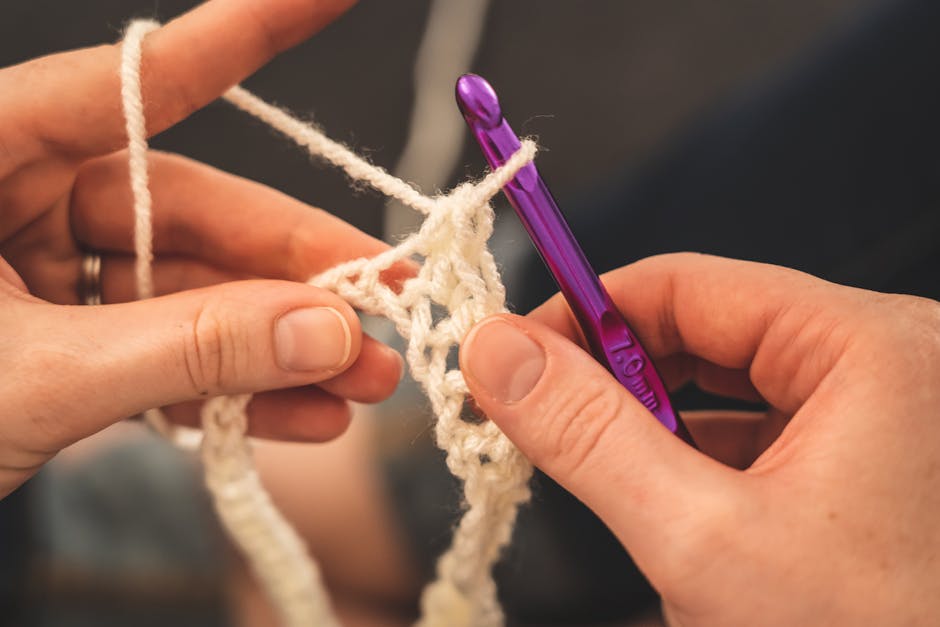
Blends let you combine traits. A merino silk mix gives you bounce with shine. A cotton linen blend keeps structure but adds softer drape after a few washes. Superwash wool resists felting and is easy care, though it can be a bit more slick. For photo heavy projects, remember that sheen reads brighter on camera, while matte yarns reduce glare and show texture depth. Think about the backdrop and lighting you will use for your shop or socials.
- Merino Silk: Crisp stitch definition with glow, ideal for lace shawls and dressy tops
- Wool Nylon: Extra strength for socks and mitts, keeps shape with wear
- Cotton Linen: Structured drape for tees, tanks, and openwork cardigans
- Alpaca Blends: Soft halo and warmth for cozy wraps and winter hats
For extra polish, control fabric weight with two-yarn techniques. Hold a lace mohair with a smooth sport weight to add haze without losing stitch form. Or pair a low twist cotton with a fine linen to balance softness and structure. Test on a coaster before committing, then block and bend to see memory and drape.
Online Shopping Smarts: Specs, Sustainability, and Returns
Great photos can hide tricky details. Read labels and shop listings like a pro. Check the fiber breakdown, weight class, meterage, dye lot, and recommended hook range. Look for clear washing instructions. If a listing shows a range like 3.25 to 4 millimeters for a DK, assume you may need to swatch both ends. For colorwork, buy from the same dye lot to avoid shade shifts that show up in seams and stripes.
Eco claims can vary by brand. Certifications such as OEKO-TEX Standard 100 and GRS for recycled content are helpful signals. The Textile Exchange Material Change Index highlights a steady rise in preferred fibers through 2025 and into 2026, which means more recycled polyester, certified cotton, and traceable wool choices are available to makers Textile Exchange. Read reviews for notes on pilling and splitting, and zoom in on close-ups to check twist and halo.
- Confirm Yardage: Compare total meters to your pattern needs, add 10 percent for safety
- Check Twist Close-Up: Look for a balanced ply count if you plan heavy texture
- Review Care: Match fiber to real washing routines, label claims should fit your life
- Know Returns: Save labels and keep skeins clean until swatching confirms the choice
Ready to fill your cart with confidence? Pair this checklist with your go-to hooks and notions from crochet supplies and materials so your order covers everything you need.
Care, Blocking, and Long-Term Wear
The best yarn choice deserves the right finish. Blocking is how you set the stitch memory and reveal crisp lace or smooth seams. Protein fibers like wool respond very well to wet blocking. Plant fibers, like cotton and linen, often prefer steam to avoid stretching too far. Acrylics can be heat set with light steam, but keep the iron lifted to prevent melting. Always test on a swatch first.

Care rules are simple. Turn garments inside out, use cool water and a gentle soap, and lay flat to dry. Avoid hanging heavy items, which can stretch shoulders and hems. Trim pills with a sweater comb and store woolens clean to keep moths away. If you are selling or gifting, include a care card so the piece stays pretty after the first wash.
- Soak or steam the finished item based on fiber and label guidance
- Press with a towel to remove extra water without twisting the fabric
- Shape to measurements, pin if needed, then let it dry fully before wear
A final tip from my studio tests. Many linens and cotton linens soften and gain drape after three washes. Plan this into your size choice, especially for fitted tops, so your final fit lands right where you want it.
Faqs
What Are the Best Yarn Types for Crocheting Beginners?
Start with smooth, light to medium weights that show your stitches and do not split. A worsted weight acrylic or soft cotton works well for simple scarves and dishcloths. The feedback is fast, and the care is easy. As you gain control, test merino or a cotton linen blend on small projects to feel the difference in bounce and drape.
How Do I Pick Yarn Weight Without a Pattern?
Think about fabric goals first. If you want a cozy, dense hat, choose worsted or bulky. For a breezy top, choose sport or DK. Then swatch your stitch pattern and measure stitches over 10 centimeters. If the fabric is stiff, go up a hook or down a weight. The Craft Yarn Council system, from 0 to 7, gives you a shared scale to compare options Craft Yarn Council.
Which Fibers Photograph Best for Online Pattern Listings?
Smooth yarns with a touch of sheen photograph very well because they reflect light and define edges. Merino silk blends and mercerized cottons are favorites for lace and texture that needs to read on small screens. Matte wools are excellent for cables and sculpted motifs, since they reduce glare and show depth. Always shoot a quick phone test before committing to a full project.
Are Sustainable Yarns Strong Enough for Daily Use?
Yes, if you choose with purpose. Certified recycled polyester in a wool nylon sock blend can wear as well as standard mixes. Organic cotton holds up for dishcloths and baby items. Look for trusted certifications and brand transparency. The industry has moved toward more traceable and preferred fibers through 2025 and 2026, which expands durable, eco friendly choices Textile Exchange.
Why Do My Stitches Look Messy with Fuzzy Yarns?
Halo can blur stitch edges, which hides small mistakes but also softens crisp lines. Use larger hooks, simpler stitches, and fewer increases to keep the fabric flowing. If you want sharp texture, switch to a smoother high twist yarn. For balance, hold a lace mohair together with a smooth base, which keeps clarity while adding a gentle glow.
Wrap up and Next Stitch
You now have a clear path for choosing yarn with intent, from fiber basics to blend engineering. Match project goals to fiber, fine tune weight and twist with a solid swatch, and shop online using specs and reviews, not just pretty photos. Then block and care the right way to lock in shape and comfort.
Ready to turn those choices into showpieces? Browse my pattern shop, pick a project that excites you, and use these tips as your yarn map. When you want to push textures and fibers even further, come back to advanced crochet technique tips and keep building your stitch toolbox.
Sources for further reading: The Woolmark Company, Cotton Incorporated, and Textile Exchange.