
How to Crochet Complex Patterns: Crafting Intricate Stuffed Animals That Look Real
In 2026, the global arts and crafts market is still climbing, and crochet plushies are a huge part of that wave. If you're searching for How to Crochet Complex Patterns, you probably want more than a basic ball-with-ears teddy. You want a stuffed animal with shaped paws, a real snout, neat color changes, and details that don't fall apart after a few hugs. This guide shows you how to read, plan, stitch, shape, and finish intricate amigurumi (crocheted stuffed toys) so your work looks polished, not homemade.
You'll learn how to break a "scary" pattern into simple parts, how to keep tight stitches for clean fabric, and how to assemble pieces so seams disappear. By the end, you'll have a repeatable process you can use on dragons, foxes, frogs, and any custom creature you can imagine.
Pattern Reading Like a Designer (Not Just a Follower)
Complex stuffed animal patterns look intense because they pack a lot of info into a small space. Once you know what you're looking at, the pattern becomes a map instead of a mystery. Your goal is to understand the shape story. That means you spot where the toy grows, where it stays even, and where it narrows.
Start by scanning the full pattern before you crochet a single stitch. Look for repeating rounds, special stitches, and any notes about stitch markers or "work in continuous spirals" (no joining at the end of each round). Many plush patterns use spirals because the surface looks smoother. It also means you must track rounds carefully.
If a pattern includes a stitch count at the end of each round, treat it like your best friend. That number is your early warning system. One extra increase early can throw off a whole head shape later.
Here's a simple way to "translate" complex instructions into a plan you can actually follow:
- Circle all special stitches (like bobble, puff, popcorn, or front loop only)
- Underline every shaping instruction (increase, decrease, or short rows)
- Highlight color changes and where to carry yarn
- Write the finished stitch count for each major piece (head, body, limbs)
- Add a note for safety eye placement and any embroidery timing
After you mark it up, rewrite the first 10 to 15 rounds in your own words on a sticky note or project page. This sounds extra, but it's the fastest way to crochet without second guessing.
If you need more inspiration for patterns that push your skills, check out Where to Find Unique Crochet Patterns. Complex designs are easier when the pattern writing is clear.
Tools and Materials That Make Complex Plushies Easier
Intricate stuffed animals are less about "fancy hooks" and more about the right basics. The wrong yarn can make your stitches fuzzy and your details disappear. The wrong hook size can make stuffing show through. You want a fabric that's firm, smooth, and stable.
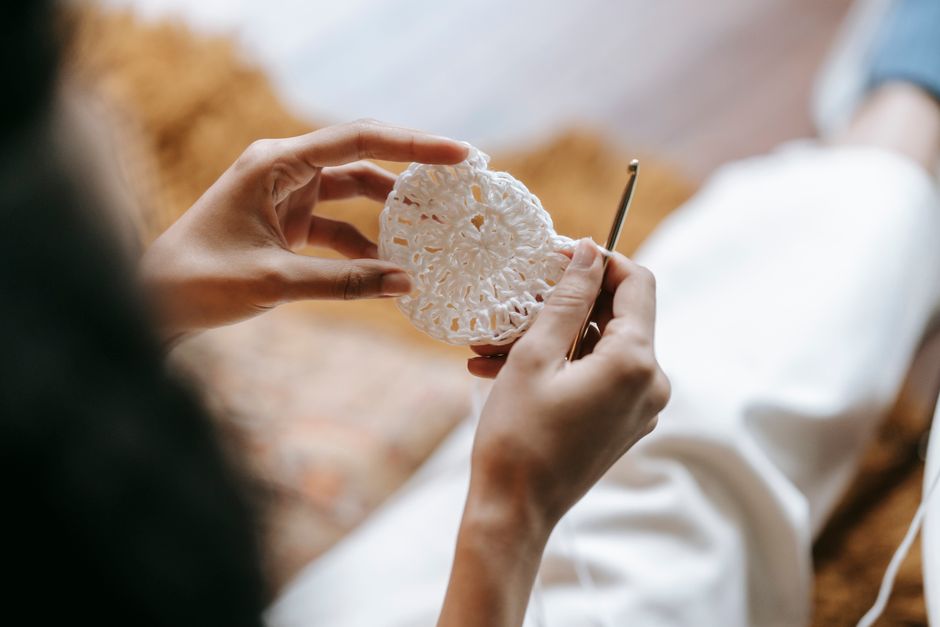
Most amigurumi makers size down their hook compared to what the yarn label suggests. That tighter gauge (how tight your stitches are) keeps the stuffing inside and helps the toy hold crisp edges. Stitch markers matter more than you think, especially if the pattern uses multiple shaping points in one round.
Pick your yarn based on the final look. Cotton gives sharp stitch definition and clean colorwork. Acrylic is soft, budget friendly, and widely available. Plush or velvet yarn is adorable but can hide mistakes, and it's harder for complex shaping.
A reliable toolkit for crocheting detailed stuffed animals includes:
- A comfortable hook in the size your gauge needs (often 2.0 mm to 4.0 mm for worsted)
- Stitch markers (a lot of them, not just one)
- A tapestry needle for sewing pieces and weaving ends
- Polyester fiberfill stuffing (springy, not lumpy)
- Safety eyes or glass eyes (plus washers), or embroidery thread for baby-safe faces
- A small pair of sharp scissors and a row counter
Yarn choice can make or break a complex plush. If you want a deeper yarn breakdown, see best yarn types for crocheting for a practical guide on fiber, twist, and stitch clarity.
For stitch tightness, a good rule is this: if you can see fiberfill through the holes, go down one hook size. If your hands hurt and the stitches are rock hard, go up slightly or switch yarn.
How to Crochet Complex Patterns with Clean Shaping and Seamless Colorwork
This is the heart of it. How to Crochet Complex Patterns for stuffed animals comes down to shaping, tension, and control. You're building a soft sculpture, one round at a time. The pattern is basically telling you where to add "clay" (increases) and where to remove it (decreases).
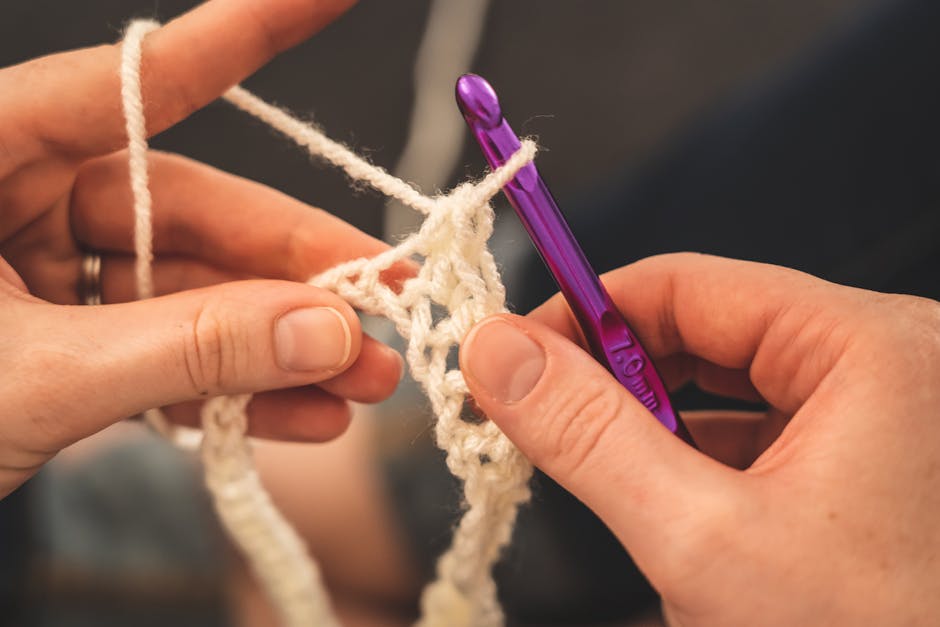
First, master invisible decreases. Many patterns use an invisible single crochet decrease (inv dec) because it avoids the little bumps you get from a standard decrease. It keeps the surface smoother, which matters on faces and bellies.
Second, place your stitch marker in the first stitch of each round and move it every round. For complex shaping, add extra markers to show "increase zones" or limb attachment points. If a pattern says "inc x6 evenly around," use markers to split the round into equal sections so your increases don't drift.
Third, treat color changes like surgery, slow and neat. For clean stripes, change color on the last yarn-over of the final stitch in the old color. For spot patterns, keep floats short and tack them down inside so they don't snag stuffing.
A step-by-step method that works for most intricate amigurumi builds:
- Crochet the head and body first, and confirm gauge and stitch counts
- Add facial features before closing the head, so you can secure knots inside
- Crochet limbs, ears, horns, tails, and any accessories separately
- Pin every piece in place before sewing, and check symmetry from all angles
- Sew with matching yarn and small whip stitches, pulling snug but not puckering
- Stuff in layers, shaping as you go, then close openings with tight stitches
Between steps, stop and look at the silhouette. Realistic plushies look good because the outline reads clearly. A dragon should have a strong neck line. A bunny should have gentle cheek curves.
If you want to level up even more, learn simple short rows (turning your work mid-round). Short rows add cheekbones, bending limbs, or a rounded tummy without creating harsh corners.
For an authoritative stitch reference, the Craft Yarn Council has solid guidance on standard crochet terms and how patterns are written: Craft Yarn Council. If your pattern uses U.S. terms, stick to those consistently.
Finishing Tricks That Turn "Cute" Into "Collector-Grade"
Most crocheters can make the pieces. The difference between "nice" and "wow" is finishing. Finishing is the quiet work: sewing, sculpting, brushing, trimming, and hiding every little end.

Start with stuffing. Use small tufts and pack them in gradually. Big chunks create lumps, especially in narrow parts like paws or snouts. If a piece needs to stay firm (like a standing leg), stuff it harder. If it needs to stay squishy (like a belly), stuff it softer.
Next is assembly. Pinning is not optional for complex plushies. Use straight pins or clips and check the toy in a mirror. Mirrors show crooked ears fast.
A few finishing upgrades that make a big difference:
- Sculpting with thread (needle sculpting) to define a snout, cheeks, or paw pads
- Embroidered eye highlights for a "sparkle" that looks alive
- Felt accents for paw pads, tongues, or inner ears (glue and stitch for strength)
- Brushing out fuzzy yarn for a "fur" effect, then trimming with small scissors
- Adding weighted beads in the bottom (only for decor, and always double-bagged)
If you sell finished toys or patterns, safety matters. For children under three, many safety groups recommend embroidered features instead of hard eyes that can come loose. For U.S. sellers, you should also know the basics of toy safety expectations and small parts rules. This is a helpful starting point: U.S. Consumer Product Safety Commission.
Finally, take photos like your plush is the star. Use a plain background, soft window light, and close-ups of the details you worked hard on. If you're sharing patterns or selling them, good photos help people trust your work.
FAQ Crafting Intricate Crochet Stuffed Animals
What's the Best Way to Learn How to Crochet Complex Patterns Faster?
Pick one "hard" skill at a time and practice it in a small swatch. For example, do ten invisible decreases in a row and check how smooth they look. Then practice clean color changes on a simple tube. You'll improve faster by drilling one skill than by starting five advanced plushies at once.
Also, keep a notes page for every pattern. Write down what hook you used, how you handled stuffing, and where you struggled. Those notes become your personal crochet playbook.
Why Do My Stuffed Animals Look Lumpy After Stuffing?
Lumps usually come from stuffing in big chunks or not filling corners evenly. Tear stuffing into small pieces and pack it in layers. Use the blunt end of a hook or a chopstick to push stuffing into paws and snouts.
If you already closed the piece, you can often massage the stuffing around with your fingers. For severe lumps, open a few stitches, adjust, and close again.
How Do I Keep My Stitch Counts Correct in Long Spiral Rounds?
Use a row counter and move your stitch marker every round. For rounds with multiple increases or decreases, add extra markers to break the round into sections. If your count is off, don't keep going and hope it fixes itself. Frog it (rip back) to the last correct round and redo it.
Many designers include stitch totals for a reason, so use them like checkpoints.
What Yarn Works Best for Detailed Amigurumi Faces?
Smooth cotton or a firm acrylic is usually best for sharp details. The stitches show clearly, and embroidery sits neatly on top. Plush yarn looks cute, but it can hide shaping, and it makes safety eye placement harder.
If you want a "fur" look without losing detail, consider using a smooth base yarn for the face and a fuzzy yarn for the body accents.
Can I Sell Stuffed Animals Made From a Pattern I Bought?
It depends on the pattern's license. Some designers allow selling finished items, some don't, and some ask for credit. Read the pattern's terms carefully and follow them.
If you're making your own original patterns, keep clear notes and photos as you design. That helps you prove your process and improves your writing later.
Your Next Plush Can Be Your Best One
Complex crochet stuffed animals don't require magic hands. They require a repeatable system: read the pattern like a plan, choose materials that show detail, control shaping with markers and stitch counts, then finish with patience. That's the real secret behind How to Crochet Complex Patterns that look clean and professional.
If you're ready to build something wilder than a basic teddy, explore How to Crochet Unique Items for advanced ideas and creative variations. And if you want patterns that really stretch your skills, browse my shop on Squarespace at https://artncraftartncraft.art and grab a design that makes you excited to pick up your hook tonight.