Best Crochet Patterns for Beginners: Step-By-Step to Unique Designs
Searches for crochet surged again through 2025 and early 2026, and Google Trends shows the interest keeps climbing Google Trends. If you want the Best Crochet Patterns for Beginners and a clear plan to create unique designs, you are in the right spot. Below is a step-by-step guide that takes you from tools to your first custom piece, with simple wins at every stage.
Step 1: Set up Your Crochet Starter Kit
A strong start makes your first projects smooth and fun. Before picking patterns, gather tools that help you stitch evenly and avoid hand strain. I have tested every combo in the book, and a light, smooth hook with a friendly yarn makes the biggest difference on day one. With the right setup, you learn faster and finish more.
You can begin with just a few items. Cotton or acrylic yarn in light colors helps you see stitches. A 5 mm or 5.5 mm hook is a comfortable middle ground for many patterns. Add sharp scissors, markers, and a soft tape measure. Keep everything in one pouch so you do not lose momentum.
- Medium weight yarn, also called worsted or category 4
- Size H-8 or I-9 hook, 5 mm to 5.5 mm
- Locking stitch markers to mark rounds and pattern repeats
- Tapestry needle for weaving in ends
- Small scissors and a soft tape measure
If you want to confirm sizes and names, the Craft Yarn Council has clear standards for yarn weight and hook sizes Craft Yarn Council.
- Choose one light, solid color yarn and one hook size to start.
- Wind a small yarn cake or center-pull ball for neat tension.
- Place markers, scissors, and needle in a small pouch.
- Test your hook and yarn with a 10-row swatch to check comfort.
Step 2: Learn the Five Stitches You Will Use Most
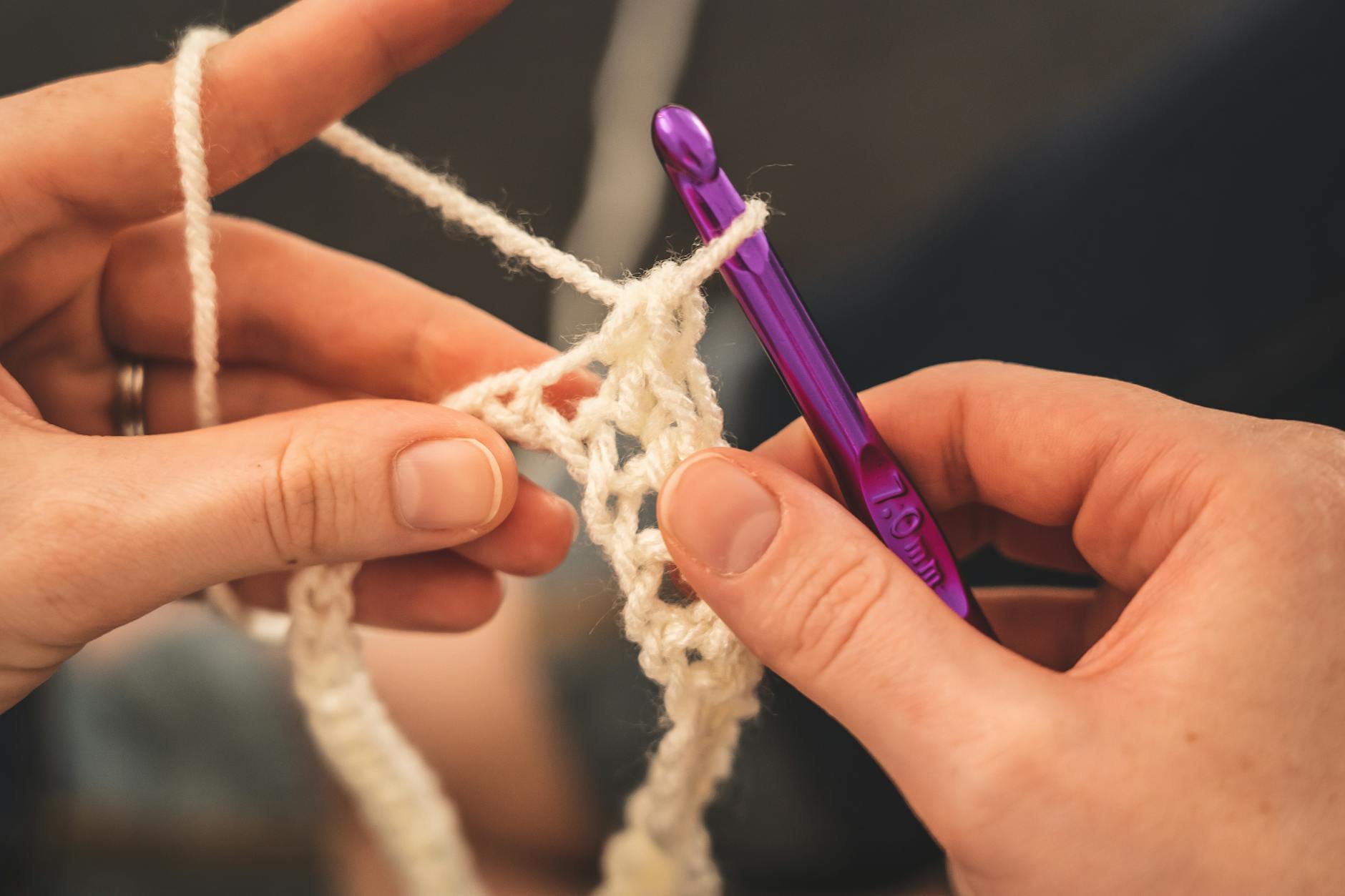
Most beginner patterns use a small set of stitches. Master these, and you can make hats, scarves, blankets, and amigurumi. I teach new crocheters to practice slowly, count out loud, and feel the yarn glide. It reduces frogging, which is the friendly term for ripping back.
Focus on form, not speed. Keep your shoulders relaxed and wrists straight. If you feel tension, take a short break. NIOSH and other ergonomics guides recommend micro-breaks for repetitive tasks to reduce strain CDC NIOSH.
- Chain stitch, the foundation for many rows and motifs
- Single crochet, tight and sturdy for edges and toys
- Half double crochet, a nice balance of height and speed
- Double crochet, airy and great for blankets and cardigans
- Slip stitch, joins rounds and adds clean edges
Once the shapes feel natural, you can combine stitches to build texture. That is how unique designs emerge from simple parts.
- Practice a 20-stitch chain, then add 10 rows in single crochet.
- Repeat the swatch with half double and double crochet.
- Try even tension by guiding yarn over your index finger.
- Count every row, and place a marker every 10 stitches.
Step 3: Best Crochet Patterns for Beginners: What to Make First
Your first project should be short, forgiving, and useful. This keeps your energy high and delivers a quick win. Choose flat items with few shape changes. Straight rows are your friend. If you want a round piece, choose a simple beanie or coaster with clear increases.
Start with patterns that teach one skill at a time. That way, you grow without feeling lost. Solid-color yarn helps you see each stitch. Variegated yarn looks fun, but it can hide loops and make counting harder on your first try.
- Beginner scarf in half double crochet, one skein, one stitch
- Dishcloth set, square swatches that teach turning and edges
- Granny square coaster, helps you learn rounds and joins
- Simple beanie in double crochet, easy to fit and fast to finish
- Rectangle pillow cover, two panels seamed together
If you want to go a little bolder, try a small granny square bag. You will join squares like a puzzle. Find tips on yarn selection in Best Yarn Types for Crocheting to pick fibers that suit your project.
- Pick a project with one main stitch and clear repeats.
- Read the skill level and materials before you buy yarn.
- Check that the pattern lists yarn weight and gauge.
- Set a tiny goal, like one square or five rows per day.
Step 4: Read Patterns Like a Pro From Day One
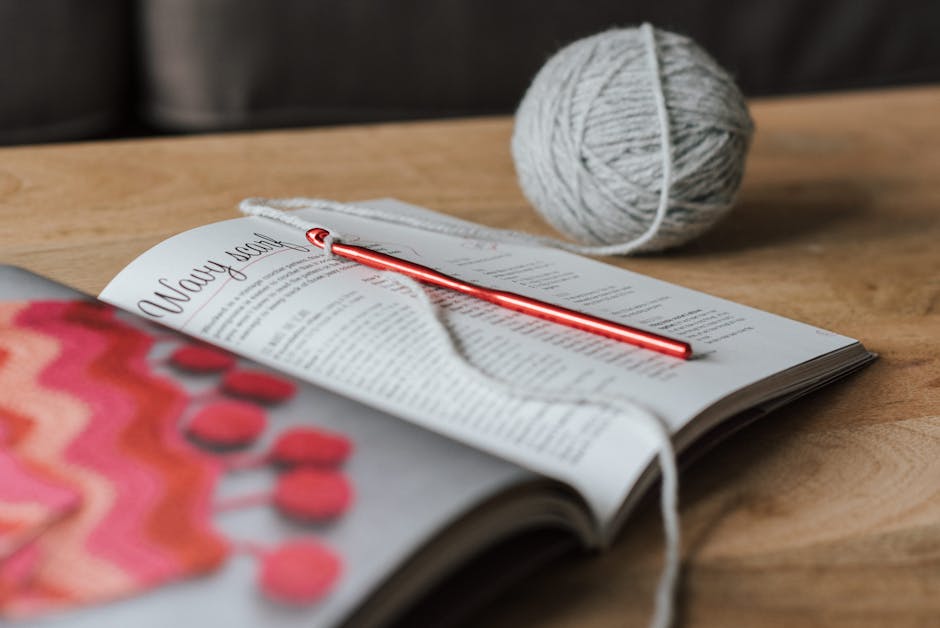
Reading patterns is easier than it looks. Start by scanning the materials, hook size, and gauge. Then look at stitch counts, repeats, and any charts. Keep a pencil handy to circle rows and tally repeats. New makers often skip this prep, then feel lost three rows later.
Many patterns use standard abbreviations. If something seems odd, check the key. You can also study a free tutorial to warm up. My students love practicing with a mini coaster chart before a big blanket. For a deep walkthrough, bookmark How to Read Crochet Patterns.
- ch means chain, sc means single crochet
- hdc is half double crochet, dc is double crochet
- sl st is slip stitch, inc means increase, dec means decrease
- Brackets [ ] or parentheses ( ) often show repeats
Reading a pattern gets easier when you pair words with action. Try the steps below while holding yarn and hook.
- Read the whole pattern once without stitching.
- Highlight the repeat section and underline stitch counts.
- Work rows 1 to 3 slowly, counting every stitch out loud.
- After row 3, measure your gauge and adjust hook if needed.
Step 5: Troubleshoot, Finish, and Block for a Polished Look
Even with the Best Crochet Patterns for Beginners, small snags are normal. Loose edges, extra stitches, and curling can happen. The fix is often simple. Place a marker in the first stitch of each row so you do not miss it. Count at the end of the row, then turn.

Finishing well makes your project look store-bought. Weaving in ends, blocking, and light steaming set the stitches. For fiber care, always check the yarn label. Acrylic responds to gentle steam, while wool blooms with a wet block. Cotton relaxes and holds crisp corners.
- Wavy edges usually mean too many stitches, recount and mark the first and last stitch
- Tight rows can come from a small hook, go up 0.5 mm and reswatch
- Gaps between stitches suggest uneven tension, slow down and breathe
- Curling in rounds needs a few more increases, add one increase round early
Here is a quick finish routine that works for scarves, squares, and hats.
- Weave ends in three directions through the back of stitches.
- Soak wool items in cool water with gentle soap, then pat dry.
- Pin to shape on a blocking mat, measure to pattern size.
- Let dry fully, then unpin and enjoy the drape.
Step 6: Personalize with Color, Texture, and Simple Mods
Unique designs come from small, smart choices. Change color at the start of a row to create stripes. Mix stitch heights to add texture. Swap a border to shift the vibe from cozy to modern. These touches keep beginner projects fresh while staying easy to make.
Use a simple color plan. Try two neutrals plus one accent, or pick colors next to each other on the wheel for a calm blend. If you want high contrast, alternate light and dark rows. For fiber feel and durability, review materials advice in Crochet Supplies and Materials.
- Add a crab stitch border for a rope-like edge
- Change hook size to fine-tune drape without rewriting the pattern
- Stripe every 4 rows, or use color blocks for modern style
- Combine single and double crochet rows for soft texture
Plan your color changes before you begin. This avoids extra frogging later and helps you buy the right yardage.
- Sketch your stripes with row counts beside each shade.
- Weigh yarn after a sample swatch to estimate usage.
- Place color A and color B on opposite sides to reduce tangles.
- Carry yarn up the side for quick stripes, then cover with a border.
Step 7: Choose, Test, and Grow with Community
Picking a pattern is just the start. A quick test swatch tells you if your hook size and tension match the design. If your gauge is off, your hat may fit a doll or drift into blanket size. Swatching saves time and yarn, and it builds confidence.
Community helps you problem-solve fast. Pattern notes from other makers often reveal where people get stuck and how they fix it. Sites like Ravelry organize projects by yarn and difficulty, and you can filter to match your comfort level Ravelry. Sharing progress photos also keeps your goals on track.
- Pick a pattern with clear photos and close-up stitch shots
- Read comments or project notes to spot tricky rows
- Post a swatch photo to get sizing feedback before you begin
- Track rows with a counter app to avoid losing your place
Use trusted sources for stitch standards and design terms so your future projects translate across designers. The Craft Yarn Council maintains a handy index of stitches and symbols Craft Yarn Council. That means what you learn with one hat will carry into your next tote.
Realistic First-Week Plan to Make Your First Piece
Starting strong is all about small daily actions. This seven-day plan turns learning into a habit. It blends short practice with a real project, so you get both skills and a finished item. You will spend 20 to 40 minutes per day, which fits most schedules.

Consistency beats marathon sessions. If a day gets busy, do five minutes of chains and one row. The momentum matters more than the size of the task. By day seven, you will hold a finished project and a clear idea of what to make next.
- Day 1: Build your kit, chain 20, and add 5 rows of single crochet.
- Day 2: Practice half double and double crochet swatches.
- Day 3: Pick your pattern and yarn, read it once, then start.
- Day 4: Work 5 to 10 rows or one granny square, count stitches.
- Day 5: Fix edges, add markers, and measure gauge again.
- Day 6: Finish rows, weave ends, and block if needed.
- Day 7: Photograph your piece, note what you learned, and choose the next pattern.
Frequently Asked Questions
What Are the Best Crochet Patterns for Beginners If I Have Only One Weekend?
Pick a dishcloth set, a straight scarf, or a granny square coaster. These projects use one or two stitches and finish fast. Choose medium weight yarn and a 5 mm or 5.5 mm hook for steady tension. If you want a wearable, try a simple beanie in double crochet. It is quick, forgiving, and easy to size.
How Do I Stop My Edges From Getting Crooked?
Place a marker in the first stitch of every row, and count at the end of each row. Make sure you work into the very last stitch before turning. Keep the same turning chain height each time. If your last stitch is hard to see, pull the loop slightly so the top V stands out.
Which Yarn Is Easiest for First Projects?
Medium weight acrylic or cotton is easiest for learning because it slides well and shows stitches clearly. Avoid very dark yarns, fuzzy fibers, or splitty yarns at first. Once you feel confident, explore fiber blends and textures to personalize your look.
Do I Need to Swatch for Small Projects?
Yes, even a small 4 inch by 4 inch swatch helps. It checks your stitch size and drape before you commit time and yarn. If your piece needs to fit, like a beanie, swatching is the fastest way to get it right. Adjust your hook up or down until your gauge matches the pattern.
Where Can I Find Reliable Stitch Standards and Abbreviations?
The Craft Yarn Council publishes widely used standards for stitches, symbols, and sizing. Bookmark their reference for quick checks Craft Yarn Council. It will save you time and confusion across designers and patterns.
Smart Sources and Next Steps
Trends data in early 2026 shows crafting is still growing, and crochet keeps leading the pack Google Trends. Use that energy to start a simple, stylish project now. If you want a deeper supply checklist, visit Crochet Supplies and Materials. For stitch reading confidence, use How to Read Crochet Patterns.
I design patterns that guide you in plain language, with close-up photos at tricky rows. Beginners tell me they finish faster and feel proud of the final look. Choose one of the Best Crochet Patterns for Beginners above, grab a soft yarn, and take your first step today. Your unique design is only a few rows away.