
How to Crochet Stuffed Animals Patterns: Master Unique Plushies That Sell
In 2025, handmade sellers are competing in a crowded market, and "cute" isn't enough anymore. If you want repeat buyers, you need designs that look like they came from you, not a template. This guide answers the real question fast: How to Crochet Stuffed Animals Patterns that feel unique and also help you sell more.
You'll learn how to plan a plushie pattern, choose yarn that photographs well, shape faces that people connect with, and price your work with confidence. I'll also show you small pattern tweaks that can turn one base animal into a whole "collection," which is where sales start to stack.
Why "Perfect" Plushies Don't Always Sell
A polished stuffed animal can still sit in your shop if it looks like every other bear, bunny, and axolotl online. Buyers scroll fast. They stop when something feels different, like a funny expression, a surprising color combo, or an outfit that tells a story.
There's also a trust factor. People pay more when your plushie looks consistent and well-made. That means tight stitches, clean color changes, and shaping that holds up over time. According to the U.S. Consumer Product Safety Commission, toys for kids have specific safety expectations, including hazards like small parts and loose attachments, which matters if you market to children (CPSC Toy Safety). Even if you sell "decor only," quality signals still affect sales.
Here are "unique" details that often boost clicks and conversions:
- A signature face style (sleepy eyes, blush cheeks, embroidered freckles)
- Unexpected textures (bobble belly, ribbed ears, fuzzy mane)
- A theme (forest baker bear, space cat, raincoat frog)
- Add-ons that photograph well (tiny tote bag, scarf, removable hat)
- A clear size statement (palm-sized, cuddle-sized, shelf sitter)
If you want more ideas for designs that feel next-level, pair this article with crochet patterns for advanced projects.
How to Crochet Stuffed Animals Patterns From Beginner to Advanced
Contrarian take, but it's true, the easiest way to write (or tweak) patterns is to start simple, then add "character" later. Most best-selling plushies are built on the same basic shapes: sphere head, oval body, tube limbs. The magic is how you join them and how you decorate.

A clean beginner-to-advanced path keeps your patterns consistent, and it makes testing easier. You'll also avoid the biggest beginner mistake, which is adding too many details before the base shape is stable.
Step-By-Step Plushie Pattern Workflow
Start with a basic animal silhouette, then build in signature details one layer at a time.
- Choose a base shape set (head, body, limbs) and write it in rounds
- Decide stitch type and density (tight single crochet is common for amigurumi)
- Add shaping points (increases and decreases) and track them with markers
- Place facial features with pins first, then sew or embroider
- Attach limbs using a consistent method (sew, joint, or crochet-join)
- Add accessories last (clothes, props, appliques)
- Test the pattern twice, once as written, once with a yarn swap
After you finish a test, write down what surprised you. That's where your pattern improves fast, like "neck feels floppy," "arms look too low," or "muzzle needs one more round."
The Stitch Choices That Change the "Look"
Most plushies use single crochet because it makes a firm fabric. Still, small stitch changes can make a design stand out.
- Single crochet with tight tension for smooth, classic amigurumi
- Half double crochet for a softer, slightly taller texture
- Ribbing (front loop only or back loop only) for cuffs, collars, and sweater hems
- Bobbles for paws, cheeks, or a textured belly patch
- Surface crochet for eyebrows, mouth lines, and decorative seams
Try one "signature" texture per plushie. Too many textures can make the design feel busy, and it can also make your pattern harder to follow.
Materials, Safety, and the "Photograph Test" That Saves Sales
Yarn choice is a sales choice. It affects stitch definition, how your plushie feels in the hand, and how it looks on camera. If you've ever made a plush you loved, then hated in photos, you already know the problem.
For most stuffed animals, acrylic and cotton blends are popular because they're consistent and come in many colors. Chenille yarn makes super soft plushies, but it can hide stitches and shed, so your pattern needs fewer complex details. The Craft Yarn Council's standards help you label yarn weight correctly and match hook size to your fabric goals (Craft Yarn Council Standards). That's useful if you sell patterns and want fewer customer questions.
Here's a simple "photograph test" I use: take a quick phone photo in natural light from 3 feet away. If the face disappears, the colors are too close, the eyes are too small, or the texture is too fuzzy.
Supplies That Make Plushies Look Pro (Without Fancy Tools)
A few basics can improve finish quality right away, which leads to better reviews.
- Stitch markers (use two colors, one for round start, one for increase zone)
- A yarn needle with a large eye for clean sewing
- Polyfill stuffing, packed firmly but not lumpy
- Safety eyes or embroidery thread (choose based on your audience)
- A small brush for fuzzy yarn shaping (optional)
Add a short materials list in your pattern listing, too. Buyers love clarity. If you want a deeper breakdown of yarn types and tools, see crochet supplies and materials.
Safety Notes That Protect Your Shop
If you sell plushies that might be used by kids, avoid loose parts and long strings. Embroidered eyes are often preferred for baby gifts. If you use safety eyes, make sure they're properly installed and not easy to pull out.
Also, include care notes. A simple line like "spot clean only" or "hand wash and air dry" reduces unhappy surprises. For general consumer guidance on product safety expectations, the Federal Trade Commission also offers resources on truth-in-advertising and clear product claims (FTC Advertising Basics).
Design "Uniqueness" That Buyers Actually Notice
You don't need to invent a brand-new animal to stand out. Most buyers respond to personality. They want a plushie that feels like it has a mood, a job, or a tiny story.

A reliable way to do this is to create a "base pattern" and then build variations. That means one core set of rounds, then switch ears, snouts, tails, and outfits. One pattern becomes five listings, and each one looks fresh.
Fast Pattern Tweaks That Create New Characters
These tweaks are small, but they change the vibe fast.
- Move eyes closer for a baby look, farther apart for a silly look
- Add a snout for a bear, remove it for a cat-like face
- Swap ear shape (pointy, round, floppy) to change species
- Change limb length for a chibi (tiny) style or a lanky style
- Add blush, freckles, or a mouth line for expression
- Add a removable accessory for seasonal photos
After each tweak, take a photo and ask one question: "Would I stop scrolling for this?" If the answer is no, push the contrast. Bigger cheeks, bolder colors, clearer expression.
Theme Collections Sell Better Than One-Offs
A single plushie can sell, but a themed set can build momentum. Collections also make your shop look intentional, which buyers trust.
Here are collection themes that tend to work well:
- Cozy foods (croissant bear, boba bunny, sushi cat)
- Tiny jobs (gardener frog, baker mouse, astronaut puppy)
- Seasonal minis (pumpkin bat, snowman otter, spring lamb)
- Zodiac or birth month animals
- Storybook forest set (mushroom, fox, hedgehog, acorn)
Collections are also perfect for pattern bundles. If you sell patterns, you can offer a discount bundle and still raise average order value.
Pricing, Photos, and Listings That Turn Patterns Into Profit
If you're selling finished plushies, your time matters. If you're selling patterns, your clarity matters. Either way, sales usually rise when you treat your listing like a mini "help page," not just a cute photo.
For handmade pricing, a common starting point is materials plus labor, then add overhead and profit. Labor is where many crocheters freeze. Track one plush from start to finish, then pay yourself an hourly rate that feels fair.
A Simple Pricing Framework for Finished Plushies
This isn't the only method, but it's a strong baseline.
- Add material cost (yarn, stuffing, eyes, packaging)
- Track time spent (crochet, sewing, finishing, photos)
- Multiply hours by your hourly rate
- Add a small overhead amount (tools, fees, utilities)
- Add profit margin based on demand and uniqueness
If your price looks "high," that's often a sign your photos or description aren't showing value yet. Fix the presentation before you cut the price.
Listing Tips for Selling Crochet Patterns
Pattern buyers want confidence. They want to know it'll work on the first try. Clear listings reduce refunds and angry messages.
- State skill level (beginner, confident beginner, intermediate)
- Include finished size and gauge notes (gauge is stitch size over a set area)
- List abbreviations and whether you use U.S. or U.K. terms
- Show at least 3 photos, front, side, and close-up of face
- Mention support, like "message me if you get stuck"
If you're building a pattern shop, this guide pairs well with unique crochet patterns for sale.
Photo Checklist That Helps You Sell More
Most plushies sell from the first image. Make it simple and bright.
- Use window light, turn off yellow indoor bulbs
- Pick a plain background (foam board works)
- Show scale (hand, ruler, or common item)
- Zoom in on stitching and face details
- Add one lifestyle shot (on a shelf, in a kid's room, in a gift box)
If you want a fast win, retake your top 3 listings with consistent lighting and cropping. That alone can lift conversion.
FAQ
How Long Does It Take to Learn How to Crochet Stuffed Animals Patterns?
Most people can follow a simple plush pattern in a weekend if they already know basic crochet stitches. If you're brand new, plan a few practice sessions first. Learn single crochet, increases, and decreases, since those build most amigurumi shapes. The learning curve feels steep at first, then it clicks quickly once you can read rounds.
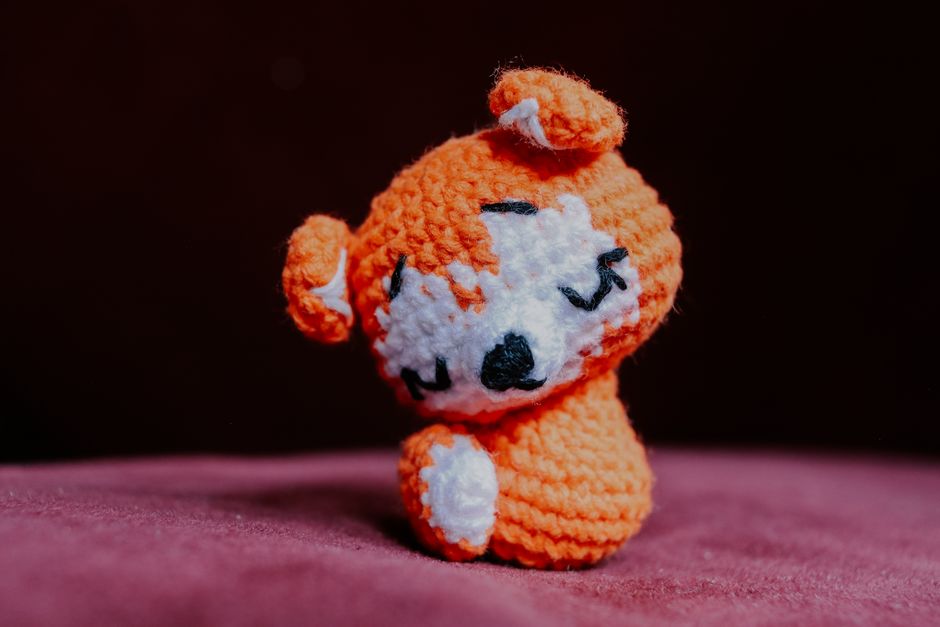
What Yarn Is Best for Stuffed Animals That Sell Well?
Cotton or acrylic in a smooth yarn usually shows stitches clearly in photos. That makes buyers trust your quality. Chenille plush yarn is popular because it feels amazing, but it can hide details and make faces harder to shape. If you sell patterns, offer yarn options so customers can choose based on the look they want.
How Do I Make My Plushies Look Unique Without Redesigning Everything?
Start with one base body and change only one or two features at a time. Eye placement, ear shape, and a small accessory can change the entire personality. Use a theme collection, like "tiny bakery animals," so each design feels connected. This approach is faster than inventing a new body shape for every plush.
Should I Use Safety Eyes or Embroidered Eyes?
Embroidered eyes are a safer choice for baby gifts and for buyers who worry about small parts. Safety eyes can work well for display plushies, but they must be attached correctly. If you sell finished items, be clear about intended use in your listing. If you sell patterns, give both options so makers can decide.
How Do I Price a Crochet Plushie so It Actually Makes Money?
Track your time for one full plush from start to finish. Add material cost, then pay yourself an hourly rate that feels fair. If the price looks too high compared to competitors, improve photos and listing clarity first. Buyers pay more for clean stitching, strong branding, and a plushie that feels like a character.
Your Next Best Step: Build One Base Pattern and Five Variations
If you want sales, stop chasing "the one perfect plushie." Build one strong base pattern, then create five variations with different ears, faces, and themes. That's the fastest path to a shop that looks full and a brand that feels recognizable.
If you'd like more help refining construction and shaping, read how to crochet stuffed animals next, then come back and turn your best-seller into a full collection.