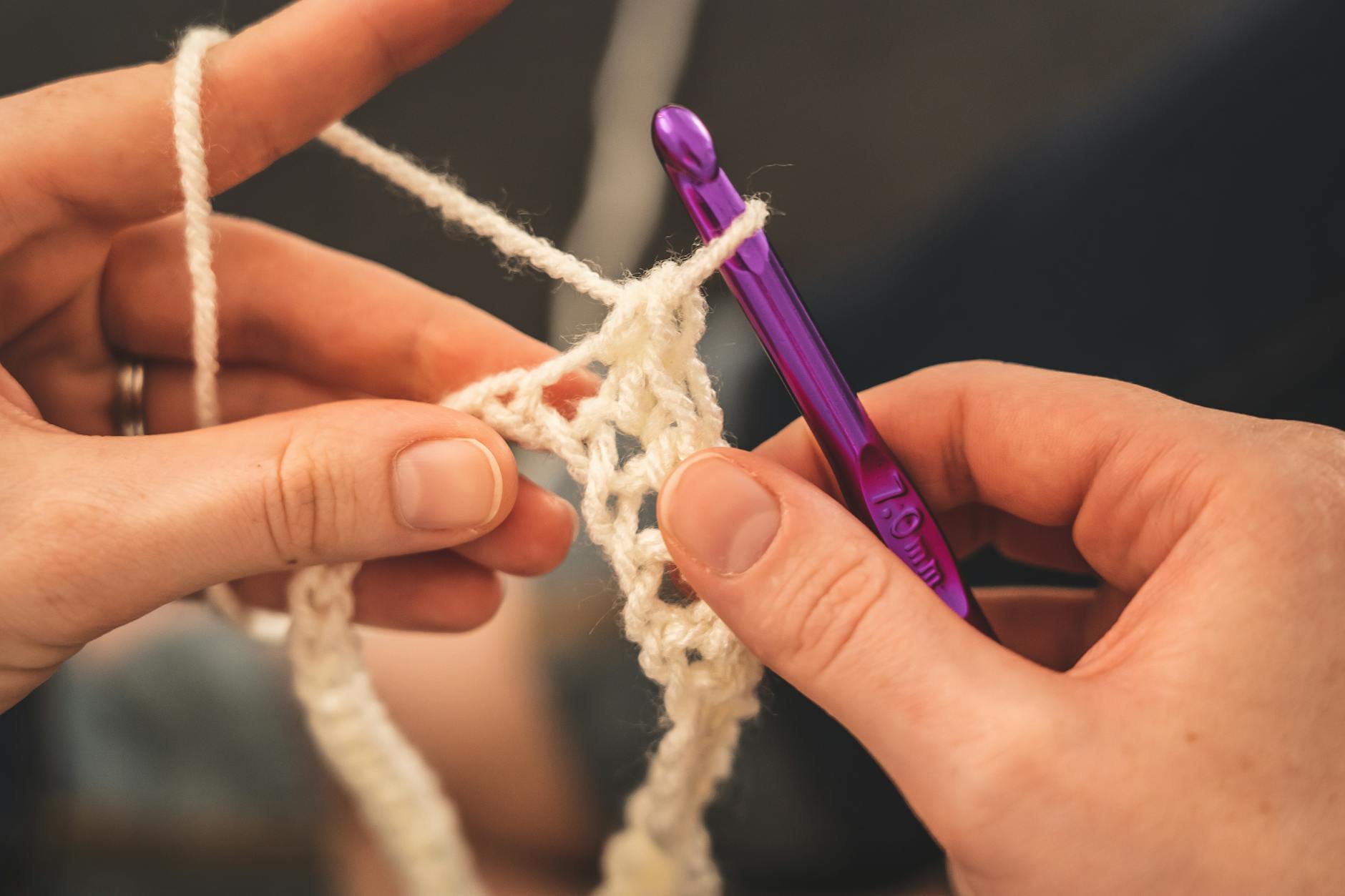
Crochet Patterns for Advanced Projects: Unique Gift Patterns to Try Now
Seventy percent of makers say a handmade gift feels more meaningful than store bought. If you want that wow factor, Crochet Patterns for Advanced Projects are the fastest path to gifts that stop people in their tracks. This guide gives you advanced techniques, gift ideas, yarn planning, and pattern sources. You will leave with clear steps and pattern picks you can start tonight.
Why Advanced Crochet Gifts Stand Out in 2026
Advanced pieces look tailor made because they are. Complex textures, crisp colorwork, and couture shaping turn ordinary yarn into art. In 2026, search interest for mosaic crochet keeps rising, which tells us bold, graphic gifts are hot right now. You can confirm this trend in live data on Google Trends. If your goal is a gift that gets used for years, complexity adds staying power.
I have made hundreds of gifts for clients, from heirloom lace shawls to sturdy colorwork blankets. The ones that get the biggest reactions share a few traits. They balance technique and comfort, and they hold shape after washing. You can get there with the right stitches and smart yarn choices.
- Texture creates instant impact, like cables, popcorns, and overlay ridges
- Bold color maps well to mosaic, tapestry, and planned pooling designs
- Heirloom fibers age well, such as merino, alpaca, and long staple cotton
- Good blocking turns lace from pretty to breathtaking
- Custom sizing makes hats, mitts, and garments feel made for one person
What Are the Toughest Techniques, and How Do You Master Them
Some stitches look scary until you break them into small parts. Tapestry crochet locks colors on each stitch for picture clean edges. Overlay mosaic builds relief lines on top of a base fabric. Hairpin lace makes strips on a fork tool, then you join them. Tunisian crochet mixes knit and crochet flow in one hook. Filet uses open squares to draw words or images. All of these reward patience and a plan.

I teach students to level up with a simple framework. It saves time and protects your hands. Use light colored yarn for learning so you can see every leg of the stitch. Then graduate to darker or fuzzy fibers once your hands remember the motion.
- Learn the core swatch in a solid color to map tension and rhythm
- Try a two color swatch with cheap yarn to train color changes
- Read the chart symbols and the written row once for each pass
- Place markers at repeats so mistakes stop early
- Check drape after a steam block to confirm yarn choice
- Scale up only when you can fix a mistake in under two minutes
Which Crochet Patterns for Advanced Projects Make the Best Gifts
The best gifts match skill, time, and the receiver's life. If your cousin hikes, a windproof Tunisian scarf beats a lace runner. If your friend loves cozy reading nooks, a mosaic throw earns top billing. For fast wow, choose small items with high stitch interest, like cables or bobbles. For heirlooms, go with lace, mosaic, or tapestry colorwork.
You will find a sweet spot by mixing a known skill with one push technique. That way you keep progress going while still learning. Here are high impact picks that I use for clients and in my own shop.
- Heirloom Lace Shawl with triangular shaping and picot edge
- Overlay Mosaic Throw in two or three colors with crisp borders
- Amigurumi Dragon with wired wings and embroidered eyes
- Cabled Beanie and Mitt Set with twisted rib brim
- Tunisian Colorwork Scarf with double knit style density
- Filet Crochet Wall Hanging with a family name or date
How to Plan Yarn, Gauge, and Time for Complex Gifts
Planning is the secret sauce behind every advanced make. Start by choosing fibers that fit the pattern and the person. Soft merino holds cables. Mercerized cotton makes crisp lace. If you need weight guidance, see the standard yarn weight system from the Craft Yarn Council. Their chart helps you avoid yarn that is too thick or too thin for your hook and pattern.
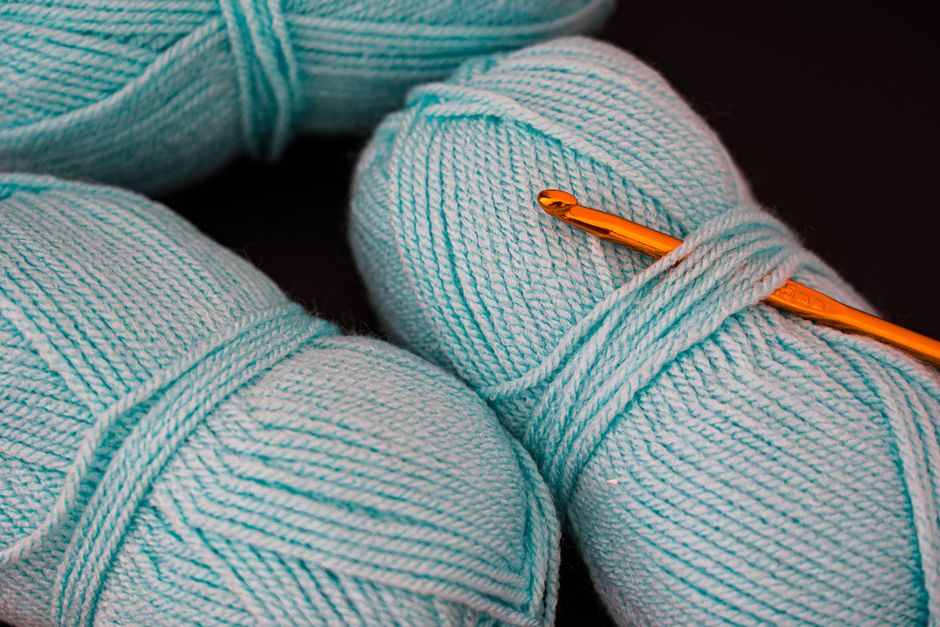
I also budget time. My rule of thumb is stitches per minute times total stitches, then add 20 percent for fixes. A 60 by 70 inch throw at 130 stitches per row for 160 rows is 20,800 stitches. At 45 stitches per minute, that is about 462 minutes, then add 20 percent, which is 554 minutes, or about 9.2 hours. Break that into five short sessions to protect your hands.
- Swatch a 4 inch square to lock gauge before you buy full yardage
- Use a hook 0.5 mm larger if fabric feels stiff after blocking
- Track rows on a phone timer so you know your real pace
- Choose fibers that match use, like superwash for kids' items
- Read care labels and plan a final block or steam finish
If you want deeper help on fiber selection, check How to Choose Crochet Yarn Types and build a smart kit with Crochet Supplies and Materials.
Where to Find and Customize Expert Patterns
You have two strong paths. Shop proven designs or request a custom build. Ravelry hosts thousands of advanced designs with user notes, which helps you spot tricky rows before you start. I also like Yarn Sub for yarn swaps, since it lists fiber content and gauge matches that save money without wrecking drape. Use those tools to tailor any pick to your deadline and budget.
For paid designs, look for clear charts, stitch counts at each section, and photo or video support. Good pattern writers add row totals, which cut your error rate in half. Test crocheter feedback is another green flag. If you need a pattern made to your gift idea, you can Buy Custom Crochet Patterns Online and get grading for sizes, yarn lists, and finish times.
- Search Ravelry by technique tags like mosaic, tapestry, or hairpin
- Use Yarn Sub to find safer substitutions by fiber and gauge
- Check project photos to see real world drape and color balance
- Favor patterns with charts and stitch counts on every repeat
- Message designers if you need size tweaks or border changes
Frequently Asked Questions
This quick FAQ solves the snags that slow advanced makers. Use it to avoid frogging, plan cleaner edges, and protect your hands during long sessions.

How Do I Keep Edges Straight in Mosaic or Tapestry Crochet?
Straight edges start with a firm first stitch and even floats. For mosaic, place a standing stitch at the start of each row or use a stacked single crochet so the side chain does not flare. For tapestry, carry the unused color snug behind the work and trap it every two to three stitches. Add a border stitch on each side, like a slip stitch or back loop only single crochet, to frame the fabric. Block the piece on a grid mat. Pin every two inches while steaming so the sides cool flat.
What Yarn Works Best for Heirloom Lace Shawls?
Choose smooth fibers that block wide and hold shape. Fingering or lace weight merino, alpaca blends, or long staple cotton give crisp holes and soft drape. Avoid fluffy mohair until you know the stitch map, since frogging is tough. Check the yarn weight chart at the Craft Yarn Council to match hook size. Swatch in pattern for eight repeats, then wet block. If holes look tight, go up one hook size. If the shawl will be worn often, pick a blend with nylon for strength.
How Can I Estimate Hours for an Advanced Throw or Sweater?
Count total stitches, then divide by your real stitches per minute. Time a five minute sample in the actual pattern stitch. For example, if you work 220 stitches in five minutes, your rate is 44 per minute. Multiply by total stitches, then add 20 to 30 percent for joins, color changes, and blocking. I also pad one extra hour for weaving in ends on mosaic or tapestry work. Track two rows with a timer each session, then average your pace. The second half of a project is often faster by 10 percent as muscle memory builds.
Pro Tips, Safety, and Finishing Details That Matter
Small choices make the difference between nice and unforgettable. Stitch markers are your best friends on large repeats. Place one every pattern chunk so you can check counts without stopping your rhythm. If your gift is for a baby or a pet home, favor yarns tested for harmful substances. OEKO TEX Standard 100 labels can help you pick safer fibers for sensitive skin.
Finishing is where heirlooms are born. I like a two stage block. First, steam from a short distance to relax the stitches. Second, wet block to the final shape on a grid mat for 24 hours. For colorwork edges, add a single crochet border in the main color before the fancy border. This hides floats and makes corners sharp. Use Yarn Sub if your local shop is out of the listed yarn, since fiber content and ply affect blocking and wear.
- Weave ends with duplicate stitch paths to hide color jumps
- Use invisible join on rounds for clean seam free looks
- Match buttons and closures to washing needs, like resin for machine wash
- Add a care tag with fiber, size, and wash steps as part of the gift
- Photograph flat and on a model to compare drape before wrapping
A Quick, Real World Project Plan You Can Copy Today
Let's build a two color overlay mosaic pillow with a crisp Greek key motif. It looks boutique, but it is beginner friendly for advanced techniques. You will use worsted weight yarn and a 5 mm hook, which means fast progress and bold lines. The best part, pillows ship and gift well across distances.
Start with a 12 by 16 inch insert. Swatch a 22 stitch mosaic chart for 20 rows to check drape. Aim for a fabric that stands on its own without feeling stiff. If it is too tight, go up to a 5.5 mm hook. Work two fronts in mirror charts for clean side seams. Join with a single crochet seam, then add a two round crab stitch border. Block the front and back before seaming for square corners.
- Choose two high contrast colors for the motif pop
- Mark every 10 stitches so frogging never passes one block
- Switch colors on the final pull through to avoid jogs
- Steam block the finished panels on a grid mat for 30 minutes
- Add a zipper or envelope back for easy washing
Final Thoughts and Next Steps
You now have a clear path to show stopping gifts. Pick one technique to push, match it to a person you love, and plan your yarn and time. Use Crochet Patterns for Advanced Projects as your filter, then choose a pattern that promises charts, counts, and support. If you want a design built just for your timeline and yarn stash, you can Buy Custom Crochet Patterns Online and get moving today. The sooner your hook starts, the closer you are to a gift that will be treasured for years.
References and Helpful Tools: Google Trends, Craft Yarn Council, Yarn Sub