
How to Crochet Stuffed Animals: Craft Unique Plushies with Fun Patterns to Sell
A single handmade plush can take 2 to 8 hours, and that time is exactly why buyers pay more for it. If you're searching for How to Crochet Stuffed Animals, you probably want two things at once, a cute result and a pattern that can actually earn money. You can absolutely do that by using a simple amigurumi base (small crocheted toys), choosing the right yarn and stuffing, and adding a "signature" detail that makes your animals feel one of a kind.
This guide walks you through the full problem-solution path: what makes stuffed animals hard to get right, how to build them cleanly, and how to turn them into sellable crochet patterns or finished plushies. I'll also share small production habits that help you crochet faster without your quality slipping.
The Main Problems That Make Crochet Plushies Look "Homemade" (and How to Fix Them)
Most crochet stuffed animals don't fail because the pattern is bad. They fail because of a few sneaky issues that show up late, like gaps between stitches, a head that flops, or safety eyes that feel risky for kids. The fix is not "more talent." It's a better setup, tighter control of tension, and a plan for shaping before you ever add stuffing.
The biggest improvement usually comes from matching your hook to your yarn in a way that makes tight fabric. A dense fabric holds stuffing inside and makes your stitches look smooth. Crochet toys also need stable joins, especially at the neck, arms, and legs, because that's where buyers squeeze and tug.
Here are the most common problems I see (and what to do instead):
- Gaps between stitches: Use a smaller hook, and keep your tension steady.
- Lumpy stuffing: Add stuffing in tiny pinches, and spread it with a blunt tool.
- Wobbly head: Add a "stuffing neck" (extra firm stuffing at the neck) or use a simple internal support like a rolled felt tube.
- Uneven rounds: Count stitches every round, and use a stitch marker you trust.
- Cheap-looking details: Swap embroidered eyes for safety eyes (when appropriate) or clean satin-stitch embroidery for a premium look.
If you want your plush to look like a product and not a practice piece, you also need consistent materials. Your yarn, hook, eyes, and stuffing should repeat across your "collection," so your photos and listings feel cohesive.
For a deeper materials checklist and smart substitutions, see crochet supplies and materials.
How to Crochet Stuffed Animals Step by Step (a Sellable, Repeatable Workflow)
The easiest way to master How to Crochet Stuffed Animals is to treat every toy like a repeatable build. That means you use the same order every time: base shapes first, then assembly, then face, then finishing. This avoids the classic mistake of decorating early, then realizing the head is the wrong size.
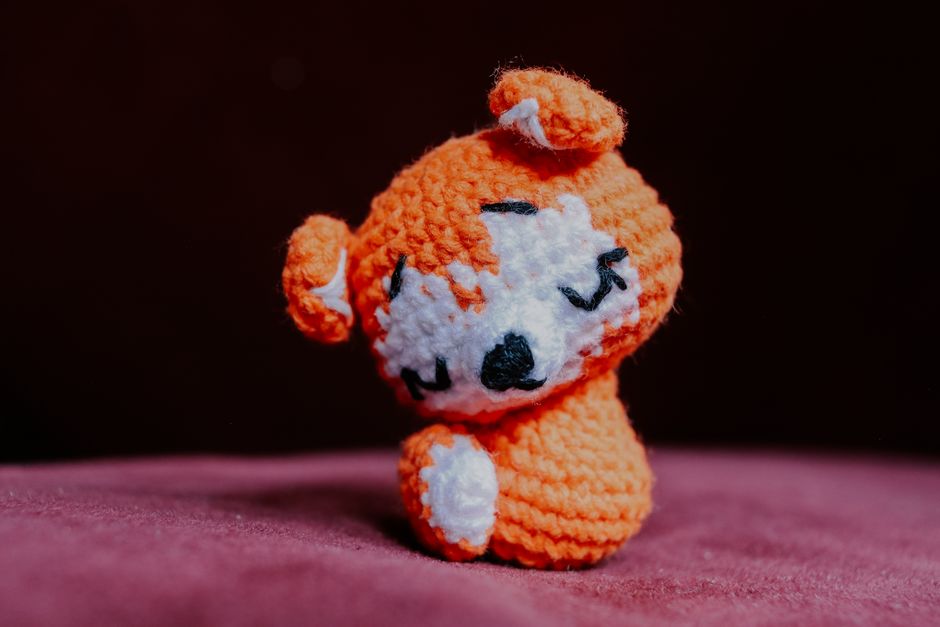
Amigurumi usually starts with a magic ring (an adjustable loop). From there, you increase (add stitches) to build a ball shape, then work even rounds, then decrease (remove stitches) to close. Most animals are just a mix of spheres and tubes. The "cute" comes from proportions, like a bigger head, smaller body, and short limbs.
Follow this simple workflow for consistent plushies:
- Choose a pattern with clear stitch counts, and read it all the way through first.
- Crochet the head and body, then limbs, ears, tails, horns, or wings.
- Add safety eyes or embroider the face before you close the head.
- Stuff slowly, shaping as you go, then close openings tightly.
- Pin pieces in place, sew with strong yarn tails, and hide ends inside.
- Add small "signature" details like blush, a scarf, spots, or a belly patch.
After you finish one toy, write down what slowed you down. Was it sewing? Was it tiny pieces? Fix the bottleneck on the next version. That's how you go from "I can make one" to "I can make ten for a market."
If you're ready to level up shaping and cleaner seams, advanced crochet techniques for sale can help you push beyond basic rounds.
Craft Unique Stuffed Animals That People Actually Buy (Design Choices That Sell)
The market is packed with bears, bunnies, and basic cats. That's not a bad thing, but it means your "unique" has to be obvious in one photo. Buyers scroll fast. They notice bold colors, strong themes, and details that suggest personality.

A simple way to stand out is to design in sets. Think "Forest Friends," "Ocean Babies," or "Tiny Monsters." When people see a set, they imagine collecting them, gifting them, or decorating a nursery. Sets also make selling easier because you reuse the same base body and change only ears, tails, and colors.
Here are practical ways to craft unique stuffed animals without reinventing every pattern:
- Swap ears and tails to create multiple animals from one base body.
- Add a mini accessory, like a hat, bag, bow tie, or flower crown.
- Use surface crochet (stitching on top) to add stripes, freckles, or patches.
- Mix yarn textures, like smooth cotton for the body and fuzzy yarn for a mane.
- Build "big head, tiny body" proportions for a cute, modern look.
Pricing and selling also depend on how your plush holds up. Strong seams and washable yarn matter. The U.S. Consumer Product Safety Commission shares safety guidance for children's products, including choking hazards and small parts like eyes or buttons. Review their info before selling items meant for kids: CPSC Small Parts Regulations.
Also, if you sell finished plushies or patterns, keep your listings accurate. Many sellers use platforms like Etsy, and Etsy reports steady demand for personalized and handmade gifts in its trend updates and marketplace insights: Etsy Marketplace Insights.
Finally, mention your care instructions and materials clearly. Trust sells as much as cuteness.
Turning Crochet Plushies Into Products: Pattern Writing, Photos, and Pricing
Making a cute toy is one win. Selling it is another. To sell finished crochet stuffed animals, your product needs consistency, clear branding, and smart pricing that covers your time. To sell crochet patterns, you need good instructions and photos that reduce confusion.
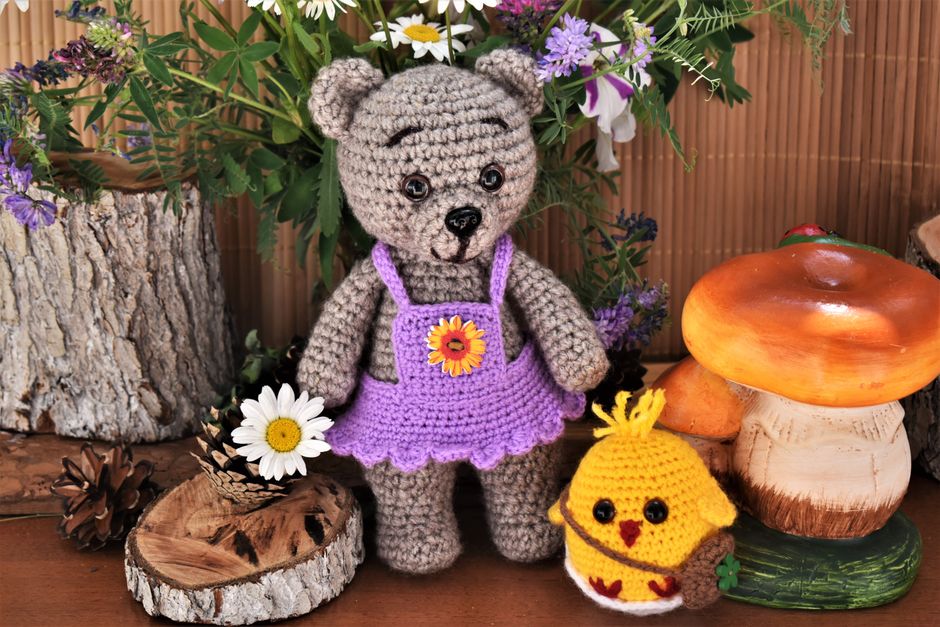
Start with your numbers. Time yourself on one plush from start to finish, including sewing and weaving ends. Add the cost of materials. Then add overhead, like tags, packaging, and fees. In 2026, many handmade sellers are pricing higher than they did a few years ago because yarn and shipping costs have risen. If you haven't reviewed pricing recently, you might be undercharging without realizing it.
A simple pricing method:
- Materials cost (yarn, stuffing, eyes, tags)
- Time cost (hours x your hourly rate)
- Overhead (platform fees, packaging, tools)
- Profit buffer (for remakes, mistakes, slow seasons)
If you sell patterns, clarity is everything. Use standard crochet terms, list abbreviations, and include stitch counts after each round. The Craft Yarn Council publishes widely used standards for crochet terms and symbols, which can help your pattern feel professional: Craft Yarn Council Standards.
For photos, aim for bright natural light and simple backgrounds. Take at least one close-up of the face, one side view, one back view, and one "in-hand" shot for size. If you're selling patterns, include progress photos for tricky parts like ears, muzzle shaping, or sewing placement.
If you want more help choosing formats and matching yarn to your design, check unique crochet patterns for sale.
FAQ How to Crochet Stuffed Animals and Sell Them
What Yarn Is Best for Crochet Stuffed Animals?
Cotton or cotton blends are great because they show stitches clearly and hold shape well. Acrylic can be softer and cheaper, which helps if you're selling at a lower price point. Plush or chenille yarn makes super soft toys, but it can hide stitches, so beginners may find it harder to count rounds. Whatever you pick, use a smaller hook than the label suggests so the fabric stays tight.
How Do I Keep Stuffing From Showing Through?
Use a tighter stitch fabric by sizing down your hook and keeping steady tension. Stuff in tiny pieces, then spread the filling evenly so it doesn't push out in one spot. If you still see gaps, try working with the invisible decrease (a decrease method that looks smoother) and avoid over-stuffing the last few rounds.
Are Safety Eyes Safe for Babies and Toddlers?
Safety eyes are not recommended for items meant for babies or children who might chew or pull. For baby gifts, embroidered eyes are the safest option because there are no hard parts to come loose. If you sell plushies, be clear in your listing about age suitability and avoid making unsafe claims.
How Long Does It Take to Crochet a Stuffed Animal?
A small beginner-friendly plush can take 2 to 4 hours once you know the basics. Detailed plushies with accessories, color changes, or lots of sewing can take 6 to 10 hours or more. Timing gets faster when you batch your work, like crocheting all heads first, then all bodies, then all limbs.
Can I Sell Stuffed Animals Made From a Pattern I Bought?
It depends on the designer's license terms. Many designers allow you to sell finished items as long as you don't resell the pattern or claim it as your own. Always read the pattern notes, and if the terms aren't clear, ask the designer. If you want patterns that are built with selling in mind, explore buy unique crochet patterns online.
Your Next Plush Line Starts with One Repeatable Base
If you've been stuck reading tutorials without finishing a toy you're proud to sell, simplify your plan. Pick one beginner-friendly animal, nail the tension, and perfect the seam work. Then make it "yours" with a signature color palette and one memorable detail.
Save this article, choose your first design, and commit to making three versions. Version one teaches you the steps. Version two fixes the weak spots. Version three becomes your sellable standard. And if you want patterns and plush ideas that feel like they belong in a real shop, browse my Squarespace store at https://artncraftartncraft.art and grab a pattern that fits your style.