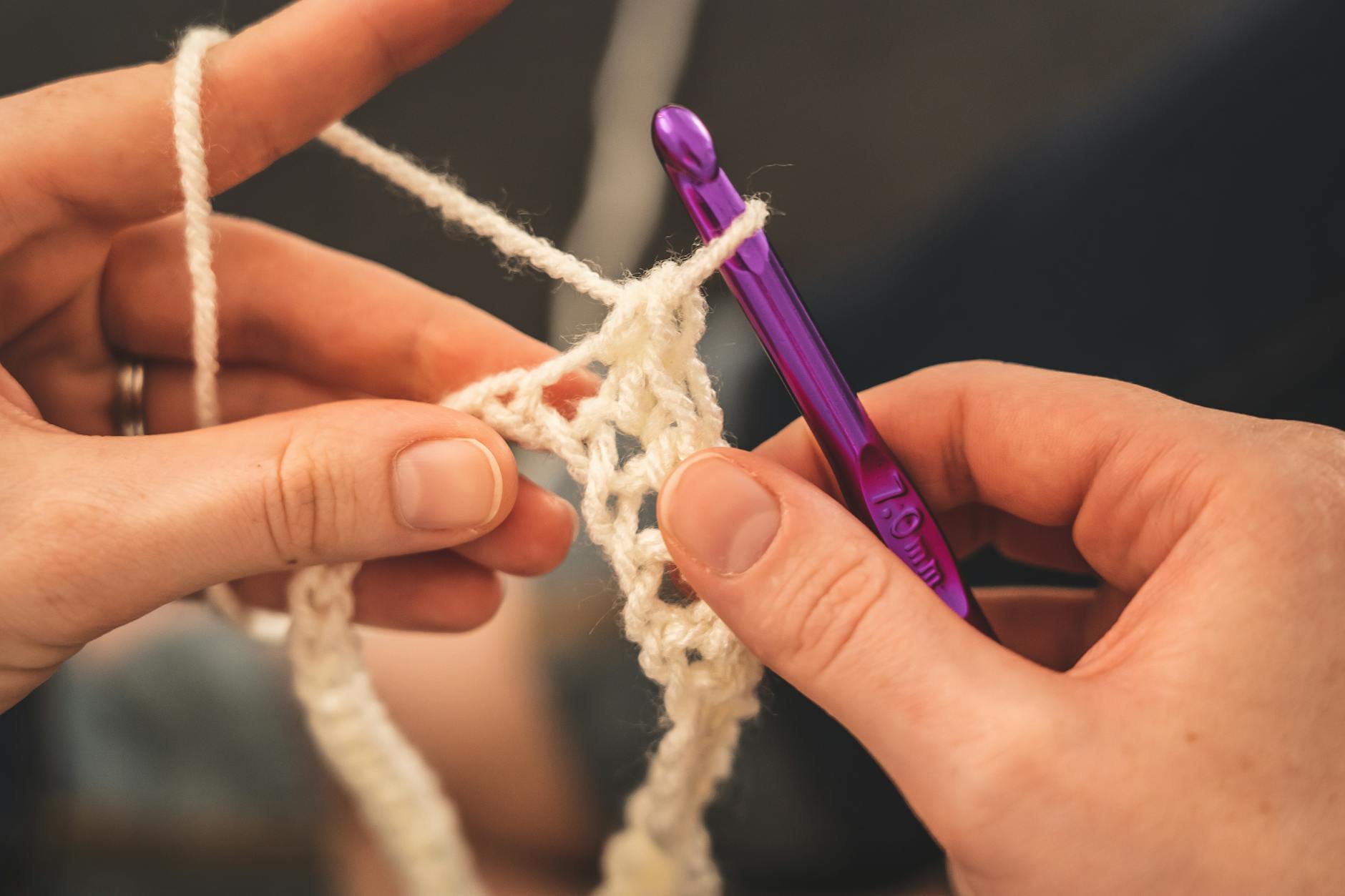
Crochet Supplies and Materials: a Fresh Take for 2026 Makers
QR codes on yarn labels, plant-based fibers in every aisle, and 3D printed hooks at local fairs. That is how fast crochet has moved in 2026. If you want your Crochet Supplies and Materials to keep up, you need a plan that grows with your skills. This guide shows you a clean path, from beginner basics to pro-level tools, with smart picks at each step.
Start Smart: the Minimalist Beginner Kit
Starting small lets you learn faster, spend less, and avoid clutter. Your first kit should be light, comfy, and easy to handle. Focus on tools that forgive mistakes, like smooth hooks and medium yarns. You will feel wins sooner, which builds confidence and keeps your hands happy.
- Size H or 5 mm ergonomic hook
- Worsted weight acrylic or cotton blend yarn
- Small scissors with a blunt tip
- Tapestry needle for weaving ends
- Flexible tape measure
- Simple stitch markers or safety pins
Keep quality in mind, even at entry level. A hook with a soft grip reduces strain during long sessions. Choose a light color yarn so stitches are easy to see. Practice on squares so your tension smooths out. Then save those swatches as a record of growth. They help you compare yarns later, and they turn into coasters or patches.
If you want a friendly first project, make a washcloth, a cozy headband, or a basic beanie. These use straight stitches and simple shaping. For quick skill boosts, review beginner crochet stitches and follow a one-page pattern. Small wins stack up fast, and your kit stays tidy.
Yarn Choices 2026: Fibers, Finishes, and Sustainability
Yarn has changed in the best way. You will see recycled blends, traceable cotton, and low-impact dyes. Many brands share fiber origins and test for safety using trusted labels like OEKO-TEX. If you care about planet friendly picks, look for recycled content verified by groups such as Textile Exchange. Clear labels make smart shopping easier than ever.
- Acrylic: budget friendly, hard wearing, and easy care
- Cotton: crisp stitch lines, great for summer and home items
- Wool: warm, springy, and forgiving for beginners
- Alpaca: silky drape, cozy feel, less memory than wool
- Linen or hemp: strong, airy, softens with washing
- Recycled blends: lower waste, often soft with mixed fibers
Before you grab ten skeins, test how a yarn behaves. Some fibers split, some bloom, and some stretch more than you expect. Swatching saves time and cash. Keep a notebook with hook size, row counts, and final measurements. That habit sets up better results on every project.
- Make a 4 inch swatch in your main stitch.
- Wash and dry it the same way you will treat the final piece.
- Measure again and record shrinkage, stretch, and feel.
If you prefer a gentle footprint, pick neutral colors from low water dye lines and mend scraps into stripes. Your Crochet Supplies and Materials can be eco-minded without losing joy. Your hands will feel the difference, and your projects will last.
Hooks, Ergonomics, and Smart Accessories
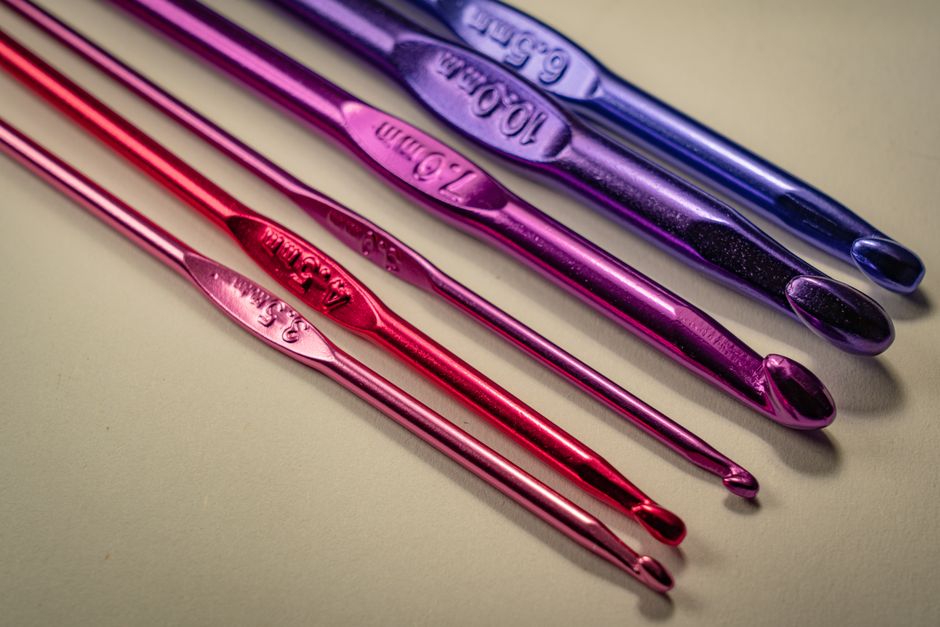
Your hook is the steering wheel of your craft. A tiny upgrade can change speed, tension, and comfort. Some makers like tapered heads that glide. Others want sharp throats for crisp stitch entry. Try a few styles until your hand relaxes and your loops look even.

- Aluminum hooks: smooth, fast, and affordable
- Bamboo or wood: warm grip, light, reduces slippage
- Steel hooks: ideal for lace and thread work
- Ergonomic handles: soft grips, reduce hand fatigue
- 3D printed handles: custom shapes, easy to personalize
Do not overlook small helpers. A row counter stops guesswork. Good lighting prevents eye strain. Blocking mats keep edges straight. As you scale up, digital tools help too. Pattern apps, color planning charts, and yarn calculators save time and avoid frogging.
- Test a hook for 15 minutes and note hand comfort.
- Check stitch look, especially at edges and in increases.
- Match hook head shape to your yarn split level and gauge goals.
If you swap fibers often, keep a simple hook card with your favorites and sizes that give neat fabric. For quick matching, bookmark a hook size chart and record sizes that hit pattern gauge. Better fit means better flow, which makes practice feel fun.
Choosing Crochet Supplies and Materials for Finishing and Care
Finishing turns a good piece into a great one. Clean seams, smooth edges, and safe washing protect your time. Build a small finishing kit that lives in your project bag. You will use it often and it will pay for itself fast in better results.
- Tapestry needles in multiple sizes
- Locking stitch markers for counting and shaping
- Point protectors for Tunisian hooks and knitting needles
- Blocking mats and rust proof T pins
- Fabric clips for joining seams
- Gentle wool wash or mild detergent
After the last stitch, slow down and tidy. Weave ends in several directions, then lightly stretch the fabric. If the project needs shape, block it on mats. Steam for acrylic to set form, or wet block wool to even stitches. Patience here saves regrets later.
- Read the yarn label for washing rules, then test on a swatch.
- Soak gently, rinse well, and press water out with a towel.
- Dry flat, shape edges, and avoid direct heat unless steam setting acrylic.
Store finished pieces with cedar or lavender sachets to deter pests. Label special care on a simple tag if gifting. Your Crochet Supplies and Materials should include spare tags, thread snips, and a small care card stack. That tiny detail makes handmade gifts feel pro.
Leveling up: Advanced Tools, Studio Setup, and Sourcing
Ready to go from hobby kit to maker studio. A few upgrades boost speed, reduce waste, and open new styles. Think colorwork, lace, Tunisian builds, and mixed media. Set up zones for yarn, hooks, blocking, and shipping if you sell. Small systems keep your flow steady.
- Interchangeable Tunisian hook set with cables
- Swift and ball winder for tidy cakes
- Precision scale for yarn usage tracking
- High lumen lamp with daylight setting
- Fabric glue pen and fray check for trims
- Rotary cutter, ruler, and mat for clean edges
Keep your inventory simple and useful. Color sort yarn and label by weight. Store patterns in clear sleeves or a device folder. I like to clip a swatch to the pattern with notes on hook size and wash results. Over time, you build a living library of what works for you.
- Plan buys by project, then add one skill builder tool per quarter.
- Source yarn from local shops first, then indie dyers, then large online stores.
- Batch tasks, like winding and blocking, to save time and space.
If you sell patterns or finished pieces, standardize sizes and stitches you love. People feel that clarity in your work. You can explore texture sets and motif packs and bundle them with friendly guides. See crochet pattern bundles to organize releases and track materials per design.
FAQ Crochet Supplies and Materials, Answered
A few quick answers can remove common roadblocks. Use these notes to shop smarter and care better without guesswork.
What Hook Size Should I Buy First?
Start with a 5 mm hook for worsted yarn. It is versatile and matches many beginner patterns. For standard pairings, the Craft Yarn Council chart shows weight to hook ranges that yield balanced fabric.
How Do I Stop Yarn From Splitting?
Pick a yarn with a tighter twist and use a hook with a smoother throat. Work with slightly looser tension and insert the hook cleanly under both top loops. If splitting continues, step up one hook size and reassess your stitch angle.
What Is the Easiest Fiber to Wash?
Acrylic and some cotton blends are very forgiving. They can handle machine washing on gentle cycles with mild soap. Wool needs cool water and flat drying. If in doubt, test care steps on a swatch before washing the full piece.
Do I Need Blocking Tools as a Beginner?
You can start without them, but blocking tools make edges even and seams smooth. A small set of mats and T pins is affordable and useful. Add them once you finish your first scarf or square blanket and want cleaner results.
If you are ready to put this guide to work, pick one project and build your kit for it. Then add a new skill or tool each month. I share tested patterns and supply notes inside every design, so explore easy crochet patterns and grab your next make.