How to Crochet Intricate Designs: Master Unique Gift Patterns with Ease
A tiny detail can change everything, a picot edge, a raised cable, a clean color swap. If you've ever stared at a complex chart and thought, "I can't," this guide is for you. How to Crochet Intricate Designs gets much easier once you break the pattern into repeatable mini-skills you can practice fast. You'll learn exactly how to read tricky instructions, control tension, and build wow-worthy texture without ripping out rows all night.
This is also about gifts. Intricate crochet looks expensive and personal, even when it's made from simple stitches done well. That's why detailed crochet is one of my favorite "unique gift" tricks, it makes people feel seen.
Why Intricate Crochet Looks Hard (and How to Make It Feel Easy)
Intricate crochet usually isn't "hard," it's layered. You're doing normal stitches, but you're switching them at the right time, in the right place, while keeping your tension steady. The secret is to treat a pattern like a set of small systems, repeats, counts, and checkpoints.
A lot of crocheters get stuck because they try to hold the whole design in their head. That's stressful. Instead, you'll mark your repeats, use stitch markers like road signs, and check your stitch counts in small batches. You'll feel calmer, and your work will look cleaner.
If you want proof that tiny structure changes big results, look at how much time crafters spend planning and correcting. Research on attention and task switching shows that interruptions and mental overload increase mistakes and slow you down, which is exactly what happens when you lose your place in a chart. Building a simple tracking system helps you stay in flow. You can read more about how attention works in learning at the American Psychological Association.
Here are the most common "intricate design" features you'll see, and why they feel challenging at first:
- Lace (lots of chain spaces and decreases that must line up)
- Texture (post stitches, bobbles, popcorns, cables)
- Colorwork (changing yarn without messy backs)
- Shaping (increases and decreases that form curves)
- Motifs (joining small pieces so the seams look neat)
A big confidence booster is picking one feature per project. You don't need lace, cables, colorwork, and shaping all at once. Start with one, then stack skills.
How to Crochet Intricate Designs Step by Step (a Repeatable System)
The easiest way to learn How to Crochet Intricate Designs is to use the same routine every time you start a new pattern. This keeps you from guessing, and it stops the classic "wait, what row am I on?" problem.

First, read the pattern like a map, not like a story. Scan for repeats, stitch counts, and special stitches. Circle the "set-up row" because that row is the foundation for everything that comes after. If there's a chart, match it to the written instructions so you know what symbols mean.
Next, swatch smart. Your swatch doesn't have to be big, but it should include the hardest part of the pattern, like the cable cross or the lace decrease. This saves hours later. For stitch symbol help, the Craft Yarn Council has clear chart symbol standards that make charts feel less scary.
Use this simple step-by-step system for any intricate project:
- Highlight the repeat and write it on a sticky note (example: "Repeat 8 sts across, end with 2 dc")
- Place stitch markers at the start and end of each repeat
- Count stitches every 10 to 20 stitches, not only at the end of the row
- Use a row counter or a phone note, and write what you finished (example: "Row 12 done, next is Row 13 chart")
- After each "pattern row," pause and compare your work to the picture or chart for 20 seconds
- Fix small errors right away, because they grow bigger in the next repeat
That's the core routine. Now add one more habit that makes a huge difference, use "lifelines." A lifeline is a scrap yarn thread you weave through a finished row. If you mess up later, you rip back safely to the lifeline without losing stitches.
If you're ready to expand beyond the basics, you'll love How to Crochet Advanced Techniques. It's a great next step once you're comfortable tracking repeats and reading patterns.
Choose Yarn, Hook, and Tools That Make Details Pop
Tools won't replace skill, but the right setup makes intricate work feel smoother and look sharper. If your yarn splits or your hook drags, you'll fight your project the whole time. For detailed gifts, you want stitch definition (you can see each stitch clearly) and steady tension.
For lace, pick a yarn that isn't fuzzy. Fuzz hides holes and makes it harder to count. For texture, pick a yarn that shows shadows well, like a smooth cotton or a firm wool blend. For colorwork, pick yarns with similar thickness so your fabric doesn't pucker.
Hook choice matters too. Many crocheters size down one hook size for intricate designs because it tightens the fabric and makes shapes crisp. Just don't squeeze so hard that your hands ache. The best fabric is neat but still flexible.
Here's a practical tool kit that makes intricate crochet easier:
- Stitch markers (at least 20, because repeats eat markers fast)
- A blunt tapestry needle for weaving in ends cleanly
- A small measuring tape (check gauge and motif size)
- A row counter (physical or digital)
- Blocking mats and pins (especially for lace and motifs)
Blocking is the "finish line" step that turns good crochet into gift-level crochet. Blocking means shaping your finished piece while it's damp, then letting it dry in that shape. It opens lace, straightens edges, and makes motifs match sizes. Many yarn labels also list fiber content and care, which helps you block safely. The Federal Trade Commission guide to textile labeling explains why fiber labels matter, and it's useful when you're choosing yarn for washable gifts.
If you want a yarn deep dive, check Best Yarn Types for Crocheting for clear picks based on texture, softness, and stitch definition.
Gift-Ready Intricate Patterns That Wow Without Stress
Intricate doesn't have to mean huge. Some of the most impressive gifts are small projects with high-detail touches. Think elegant edges, tiny motifs, and clean shaping. These finish faster, and you can make a matched set.
A smart approach is to pick one "hero detail." For example, a simple beanie becomes a showpiece with a cable panel. A plain scarf becomes special with a lace border. A basic bag becomes unforgettable with overlay crochet (a method where you crochet over stitches to create raised shapes).
Here are unique gift ideas that balance effort and impact:
- Lace-edged shawl for weddings, anniversaries, and birthdays
- Textured headband set (make three patterns, gift as a bundle)
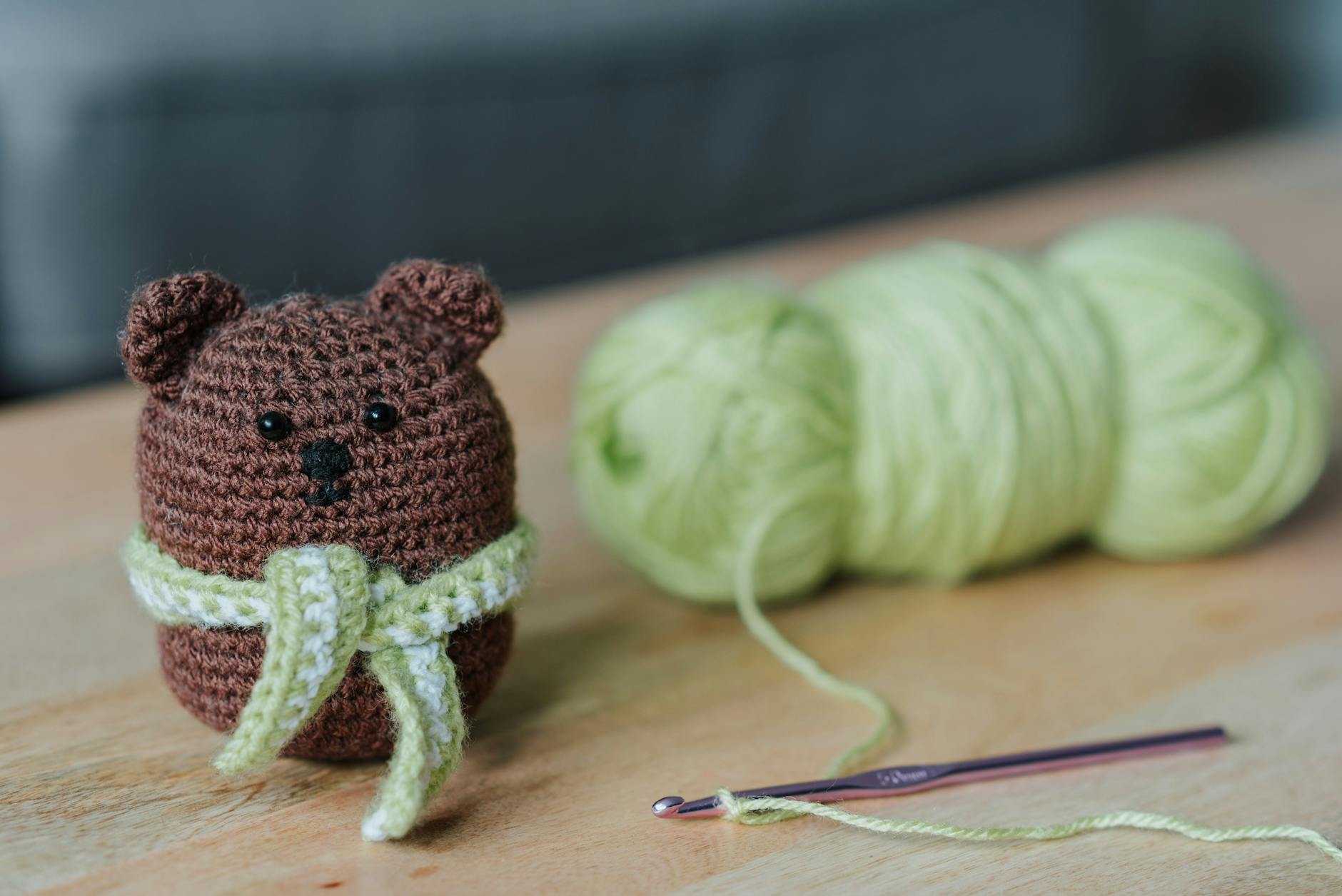
- Amigurumi (stuffed toys) with embroidered details and clean color changes
- Granny square pillow with a fancy join and a crisp border
- Market bag with filet crochet (open grid designs that look like art)
To keep gifts looking polished, focus on finishing steps. Weave ends the same direction, then trim close. Add a fabric tag, or stitch a tiny initial on the inside. If the gift is wearable, test the stretch and comfort before you wrap it.
A trend that's still growing in 2025 and 2026 is "slow gifting," meaning fewer gifts, made with more care and meant to last. People are also searching more for handmade items and patterns because they want personal, meaningful stuff instead of mass-produced things. You can see this in the way handmade marketplaces publish yearly trend roundups and highlight demand for crafted, personalized products. Etsy's yearly marketplace insights often track these changes. For example, Etsy's newsroom regularly shares trend reports and shopping behavior updates that reflect the steady interest in handmade gifting.
If you want ready-to-go designs built for wow-factor, explore crochet patterns for advanced projects. I write patterns with clear repeats and clean checkpoints because nobody likes guessing.
Troubleshooting: Fix the 7 Problems That Ruin Intricate Crochet
Every crocheter hits snags. The difference is knowing what to fix first. Intricate work makes small problems more obvious, but it also makes them easier to diagnose because patterns repeat. If one repeat looks wrong, you can compare it to the next repeat and spot the issue.
Start by checking your stitch count. Most "my lace looks weird" problems are really "I missed a yarn over" or "I skipped the wrong stitch." For texture, problems often come from working into the wrong part of the stitch (front loop, back loop, or post). For colorwork, problems usually come from pulling the new color too tight.
Here's what to do when things look off:
- If the fabric waves, go up a hook size or loosen your chains
- If the fabric puckers, check for tight color changes or too many decreases
- If your cables don't cross cleanly, count the stitches between posts again
- If your motifs don't match, block each one before joining
- If your edges look jagged, add a simple border row in single crochet
- If you keep losing your place, add more stitch markers and use a row counter
- If your yarn splits, switch to a hook with a smoother head or pick a firmer twist yarn
Perfection isn't the goal. Consistency is. Your hands learn through repetition, and your eyes learn through checking.
FAQ
Frequently Asked Questions
How Long Does It Take to Learn How to Crochet Intricate Designs?
Most crocheters feel a big jump in skill after 3 to 5 focused projects. The key is to repeat one "hard" feature several times, like lace decreases or post stitches. If you jump between five different advanced styles at once, it takes longer because your hands don't build muscle memory.
Plan short practice sessions, even 15 minutes a day helps. Pick a small project like a headband or motif sampler, so you finish and learn faster.
What's the Best Yarn for Intricate Crochet Gifts?
Smooth yarns with clear stitch definition are usually best. Cotton, merino wool, and wool blends often show texture well. Avoid very fuzzy yarn for lace, because it hides holes and makes counting harder.If the gift needs to be washable, look for machine-washable fibers and test a small swatch first. Yarn labels and fiber content are your friend, especially if the gift will be worn or used daily.
How Do I Read Crochet Charts Without Getting Confused?
Match the chart to the written pattern first, so you know what each symbol means. Then mark the repeat section on the chart with a highlighter or sticky note. Work one row at a time, and use a ruler or paper strip under the current row.Charts also make repeats easier to see, which is great for intricate designs. Once you get comfortable, charts can feel faster than written instructions.
How Do I Keep My Tension Even on Detailed Patterns?
Hold your yarn the same way every time, and take quick breaks when your hands get tired. Tension changes often happen when you rush or when you're anxious about messing up. Using stitch markers and counting in small sections reduces that stress.A smaller hook can help tighten stitches, but don't go so small that your fabric turns stiff. The best tension is even and comfortable.
What's the Easiest Intricate Technique to Start With?
Textured stitches are often the easiest entry point because they're still solid fabric and easier to count. Try front post and back post stitches first, then bobbles or popcorns. After that, lace is a great next step because it teaches you clean counting and pattern tracking.If you want to build your skill with less trial and error, start with a pattern that has clear repeats and progress checks. That's exactly how I design mine, so you can enjoy the making, not just survive it.
Make Your Next Gift a Showpiece (Without Making It Stressful)
Intricate crochet is a skill you build, not a talent you either have or don't. Use the repeat system, place your markers, count in small chunks, and block like you mean it. Those steps turn "complex" into "calm."
If you want a pattern that's written for real humans, with clear repeats and gift-worthy details, browse my collection at Buy Unique Crochet Patterns Online. Pick one hero detail, finish strong, and you'll have a handmade gift that people won't stop talking about.