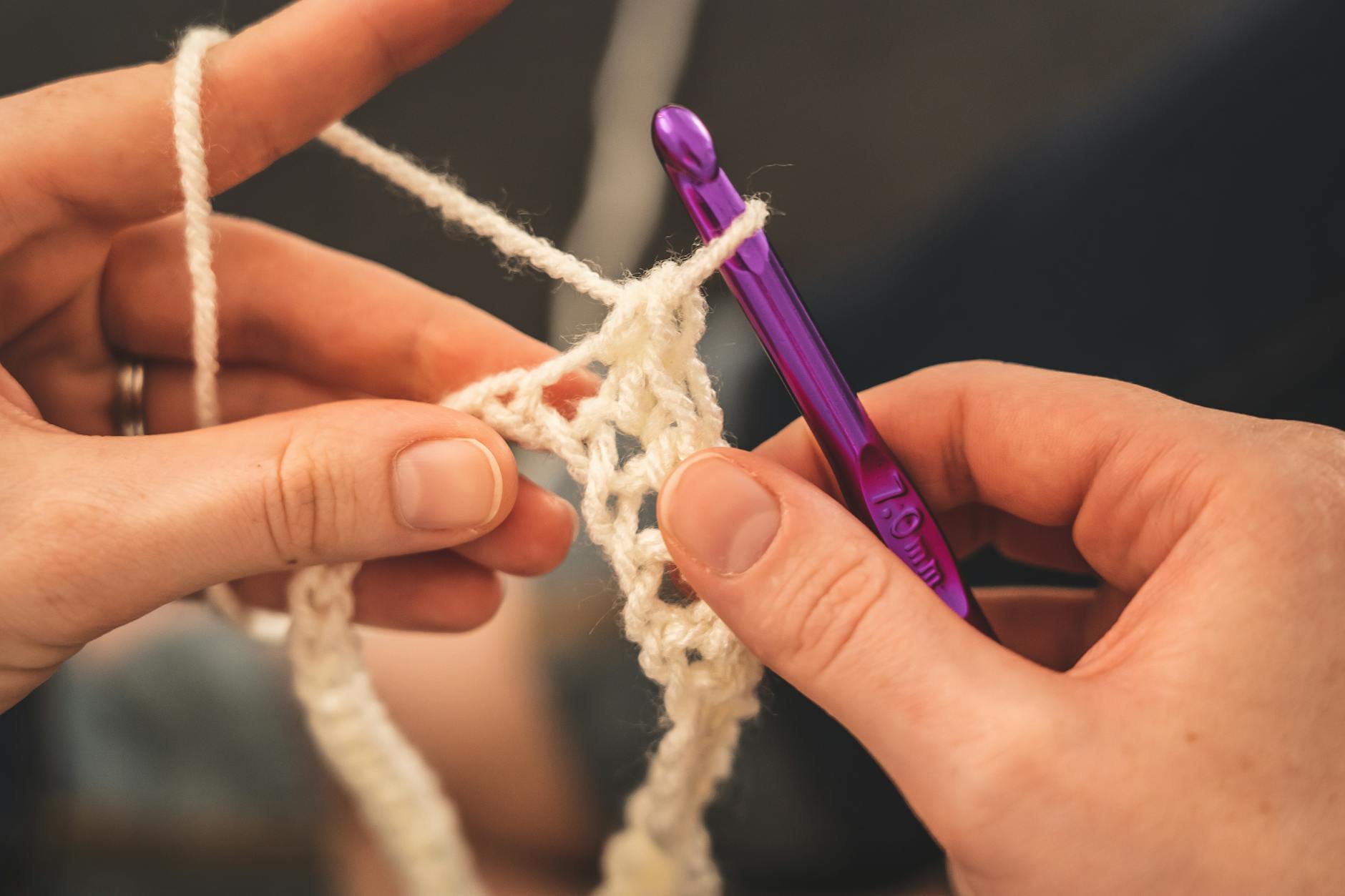
Buy Unique Crochet Patterns Online: Crafting Your Dreams with Yarn Tips
"A great pattern turns yarn into a story." If that line hits home, you already know why finding the right design matters. Buy Unique Crochet Patterns Online and skip the guesswork. Right here, you get clear steps to pick standout designs, yarn advice that saves money, and pro checks that keep your cart free of duds. Let's solve the biggest hurdles fast so you can start stitching sooner and finish with a smile.
1. Why Unique Patterns Matter for Your Next Project
Unique patterns set your work apart, and they also make the stitching experience smoother. Designers who build original pieces usually test sizes, note yarn swaps, and add clear stitch counts. That attention gives you fewer unravel moments and more progress pics you're proud to share. I've tested hundreds of patterns, and the ones with strong detail always finish better and faster.
A special design can also teach you a new move without feeling hard. Maybe it blends a familiar stitch with a clever join, or shows you color play that clicks the first time you try it. You learn, you level up, and you get a piece that friends can't find in big box aisles. That is the quiet power of thoughtful design.
- Tested fit means fewer frog sessions and more finished objects.
- Clear stitch counts help you catch errors early.
- Fresh textures make simple yarns look premium.
- Smart shaping guides beginners through advanced looks.
- Built-in tips for blocking and care extend your project's life.
2. How to Buy Unique Crochet Patterns Online with Confidence
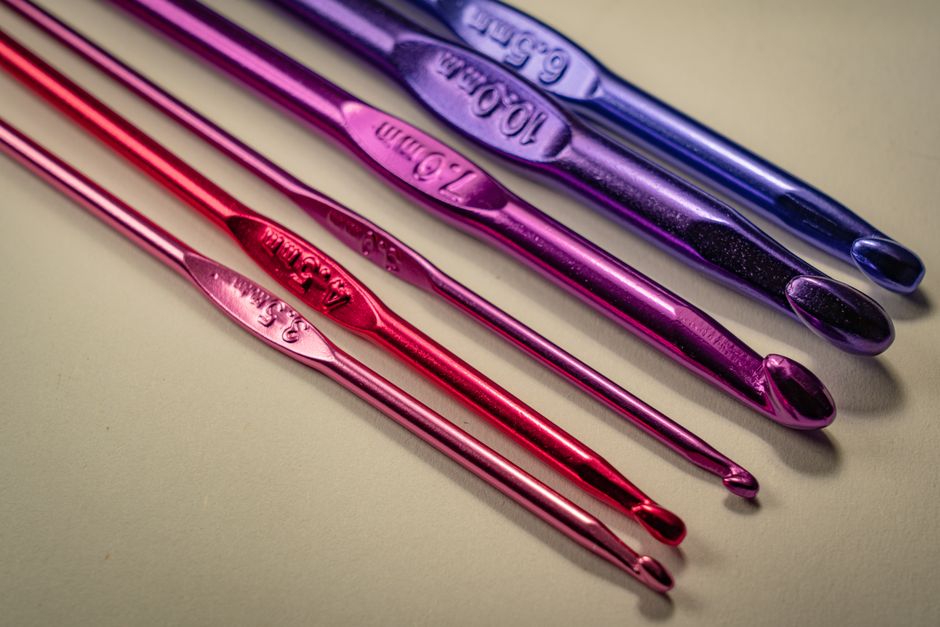
Buying digital patterns can feel risky if you do not know what to check. Start with the listing. Great designers show finished photos from multiple angles, yarn weight, hook size, gauge, and skill level. Look for yardage totals by size and a table of measurements. If you can see even one page preview, scan it for clear rounds, row counts, and abbreviations defined at the start.
Read the reviews, but read them like a maker. Praise is nice, yet you want notes that mention fit, clarity, and any fixes. Good listings also state allowed uses, like whether you can sell finished items. If a pattern mentions the Craft Yarn Council weight system, that is a good sign of standard sizing and consistent results.
- Check for complete material lists with yarn weight and yardage per size.
- Confirm the gauge, both blocked and unblocked if listed.
- Look for multiple photos, front, back, and close-ups of key stitches.
- Scan for a stitch key and defined abbreviations.
- Read reviews that mention fit, clarity, and accuracy.
If something feels off, ask a short question before you buy. You should get a helpful reply in a day or two. Designers who answer fast usually offer reliable support.
- Red flags: no gauge, only one photo, no yardage, or vague sizing.
- Green flags: photo tutorials, video links, and a support email.
- Bonus perks: update history, free errata page, and size-inclusive charts.
3. Yarn Tips That Make Patterns Shine
The right yarn can turn a good pattern into a favorite. Think fiber first, then weight, then color. Wool has bounce and memory, so cables and textured stitches pop. Cotton shows crisp stitch lines that suit lace and warm-weather tops. Acrylic blends are budget friendly and easy to wash, great for gifts and blankets. If you care about eco labels, look for OEKO-TEX Standard 100, which checks textiles for harmful substances.
Choose yarn that matches the pattern's goal. A flowy shawl likes drapey fibers, such as bamboo and silk blends. A structured tote needs plant fibers or sturdy acrylic. If the pattern calls for one yarn, read the yardage per skein to find true equivalents, not just weight class. That keeps colors and feel close to the designer's intent.
- Match fiber to function: wool for warmth and bounce, cotton or linen for cool drape.
- Follow the Craft Yarn Council weight system to swap safely.
- Use solid or heather yarns to show stitch detail. Reserve busy variegated for simple fabric.
- Buy one extra skein for color runs and swatching.
- Check for certifications like OEKO-TEX Standard 100 if skin sensitivity or sustainability matters.
For deeper fiber picks, see Best Yarn Types for Crocheting for swatch-tested suggestions that pair well with textured and lace designs.
4. Budget, Bundles, and Sizing: Get More for Less
You do not need a big budget to stitch great pieces. Plan by yardage and choose patterns that use standard weights you already own. Look for bundles that include a garment plus an accessory, which often cost less than two separate listings. If a designer offers size-inclusive grading, you save time and avoid trial math that eats yarn.
Buy with a budget playbook and you will finish more projects per dollar. Keep your main neutrals in stash, then buy color pops per project. If you always choose yarns that list meters per gram, you can swap across brands without guessing. That single habit keeps the cart honest.
- Build a neutral base stash in DK or worsted for maximum pattern range.
- Pick patterns with full yardage tables to minimize leftover waste.
- Favor bundles or curated sets, such as hat plus mitts, to stretch value.
- Track cost per wear for garments, not just cost per skein.
- Swatch with leftovers to confirm gauge before buying extra yarn.
Sizing clarity protects both money and time. Before checkout, compare the pattern's finished measurements to your body or the item's target size. Use a flexible tape, not just store sizes, because letter sizes vary between designers.
- Keep a sizing card with bust, hip, head, hand, and foot measurements.
- Seek patterns with both schematic diagrams and finished garment ease notes.
- If sizing seems vague, browse Crocheting Tips for Beginners for a quick primer on measurements and ease.
5. From Cart to Hook: Prepping Your Pattern
Once you buy, prep like a pro. Download the files and save them with clear names. Read the whole pattern once before you chain a single stitch. Highlight stitch counts, increases, and any special moves. If the pattern offers a chart and written instructions, skim both to spot how rounds connect. A five minute read can save an hour of ripping.
Organize your tools and materials before you swatch. Confirm your hook sizes, markers, and tapestry needle are at hand. If the pattern links to a video, watch the key minute that shows the special stitch, then practice it with scrap yarn. Your first five rows deserve full attention because they shape the whole piece.
- File your PDF in a project folder and back it up to the cloud.
- Skim the entire pattern and mark critical counts with a pen or app.
- Wind yarn and label skeins by dye lot and planned section.
- Swatch in pattern stitch, measure blocked and unblocked gauge.
- Start with the simpler panel or swatch a motif to learn joins before committing.
6. Care, Blocking, and Long-Term Wins
Finishing well protects your work for years. Blocking aligns stitches, opens lace, and sets the final size. Wool responds to steam or wet blocking, while cotton and linen often prefer wet blocking with gentle pinning. Always test colorfastness on a small swatch before soaking. Follow fiber care guidance from trusted sources to avoid shrinking or felting.

Use a gentle wash and lay flat to dry unless the label says otherwise. Add simple habits like storing wool with lavender sachets and keeping garments out of direct sun. The details you add after the last stitch do as much for beauty as the pattern itself.
- Check the Craft Yarn Council's Yarn Weight System to confirm hook and gauge expectations.
- For wool care and drying basics, see The Woolmark Company's care guides.
- Use blocking mats and rust-free pins, then re-measure key points after drying.
- Note care on a tag so gifts stay beautiful after their first wash.
7. Fresh Trends and Credible Resources You Can Trust
Styles shift, but good fundamentals last. In 2025, sustainable fibers kept gaining attention, with more brands listing recycled and certified materials in their lines. Reports from fiber organizations highlight steady growth in preferred materials, which helps you find eco-conscious options without guesswork. Pair those choices with tested patterns and you get beauty, comfort, and longer wear.
Remember that certifications do not replace fit and craft. They complement your skill. Choose what you can maintain at home. If a yarn needs dry cleaning, confirm the pattern justifies that care. Practical choices mean your makes get worn and loved, not left in a drawer.
- Explore industry reporting via Textile Exchange's reports page for updates on material trends and adoption.
- Check labels for OEKO-TEX or similar marks when skin sensitivity is a concern.
- Keep a yarn journal with swatches, care notes, and blocked gauge for future swaps.
If you want to level up construction details, browse How to Crochet Advanced Techniques for shaping, seaming, and finishing skills that lift every project.
Frequently Asked Questions About Buying Patterns Online
Buying digital crochet patterns becomes easy once you know what to check. These common questions cover fit, yarn swaps, printing, and support. Read them before checkout so your next project starts confident and ends polished.
How Many Times Can I Print or Download a Digital Pattern?
Most designers allow personal use with unlimited prints for your own use. Check the listing for a download limit and save your files right away. If you hit a limit or lose access, message the seller with your order number. Designers who support buyers usually resend links without fuss.
What If My Yarn Is Different From the Pattern's Suggested Brand?
Match the yarn weight, fiber, and yardage per skein first. Swatch in the main stitch pattern to confirm gauge, then adjust your hook if needed. If your fabric feels too stiff, choose a softer fiber blend. If it feels too floppy, switch to a springier fiber or go down a hook size.
How Do I Know a Pattern Is Size Inclusive?
Look for a size range that lists both body measurements and finished garment measurements. A size-inclusive pattern shows ease notes and a schematic. It should also provide yardage by size. If those details are missing, message the designer or choose a listing with full charts.
Can I Sell Finished Items Made From a Purchased Pattern?
Many designers allow sales of finished items in small quantities with credit to the designer. Read the license section in the listing or inside the PDF. If nothing is stated, ask for written permission. Always take your own photos for your shop so buyers see your actual make.
What's the Best Way to Store Patterns and Notes?
Create a project folder on your computer and in the cloud. Name files with pattern, size, yarn, and date. Keep a printed copy in a binder with swatches stapled to the page. Add notes on gauge, hook size, and any changes so you can repeat wins or avoid past errors.
Ready to transform ideas into keepsakes you can hold? Pick a design that excites you, match yarn to purpose, and start. If you want shop-quality clarity and yarn-smart steps, keep exploring patterns here on artncraftartncraft.art. Your next favorite make is one click away.