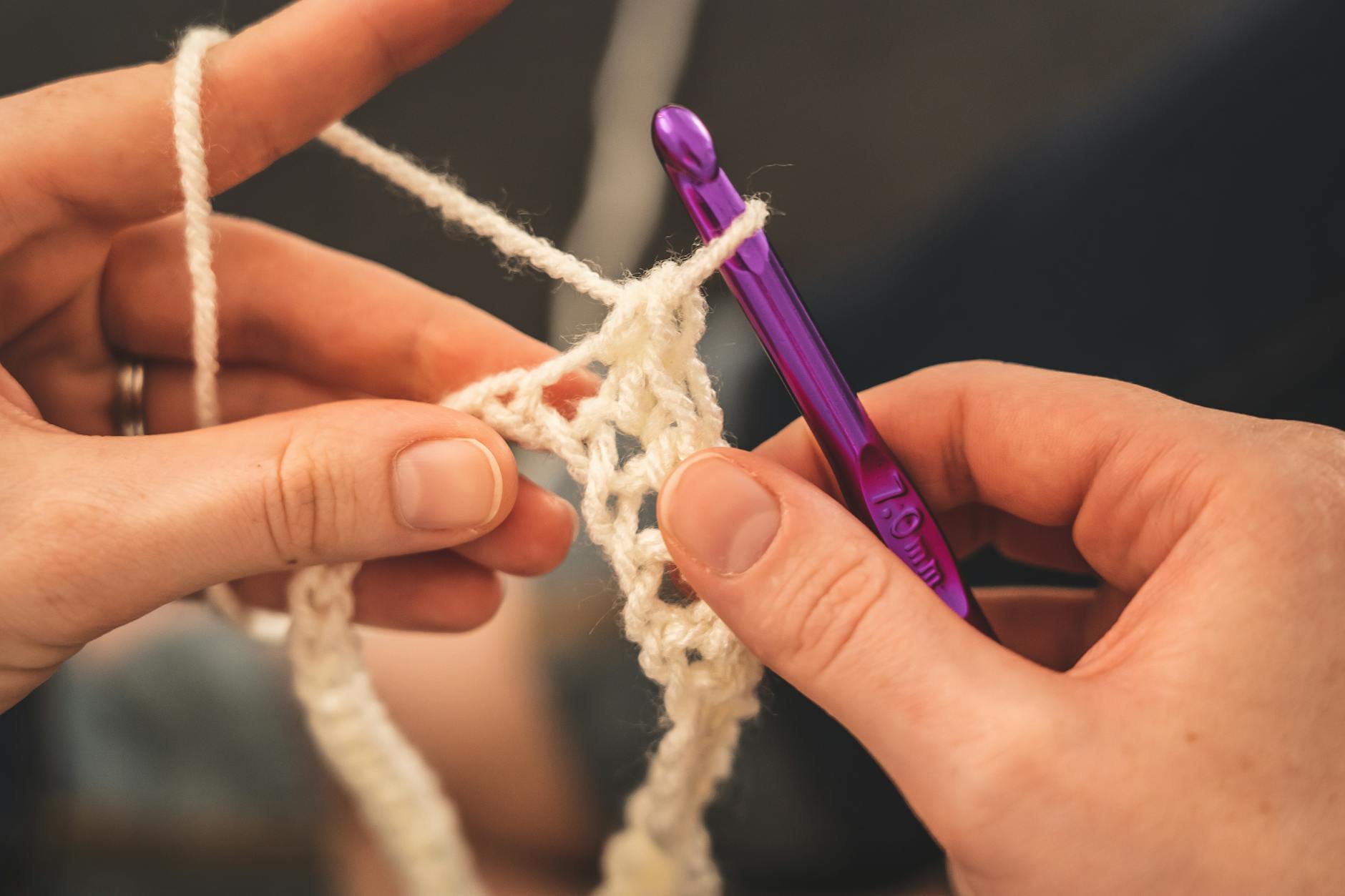
How to Crochet Advanced Techniques: Master Unique Patterns and Yarn Choices
"Texture is math you can touch." That line guided my most complex shawls and sweaters. If you want fast, clear answers on How to Crochet Advanced Techniques, start with structure, yarn science, and repeat control. This guide shows you the exact moves, the yarn choices that change outcomes, and pattern tricks that unlock pro results.
As a pattern designer, I test each idea across multiple fibers, twists, and hook materials. The small details decide everything. Your cables pop or flatten. Your colorwork looks tidy or messy. By the end, you will know how to evaluate yarn, engineer patterns, and finish with polish.
Why Advanced Crochet Starts with Structure
Every advanced piece begins with structure. Stitches stack, lean, and lock together in predictable ways. Post stitches create height and shadow. Back loop fabric drapes more than both-loops fabric. Linked stitches remove gaps. Once you know how these traits interact, you can plan results instead of hoping for them.
Swatching reveals your fabric's true behavior. Make two swatches for the same stitch pattern, one in cotton and one in wool. Cotton hangs and grows. Wool recovers shape because scales and crimp give it memory. This one test teaches you why your summer top may relax an extra inch while your winter hat snaps back.
To plan advanced texture, map the pull of your tallest stitches. Treble posts draw yarn from neighbors. Split the load with slip stitch anchors along the wrong side. Keep your motif square by placing relief stitches on both sides of center lines. These small balance moves hold shape across large repeats.
- Tall stitches add height and pull, great for cables and raised grids
- Back loop only rows boost drape, perfect for garments and shawls
- Linked stitches reduce gaps, ideal for colorwork and dense motifs
The math sits behind the art. You can count repeat width, row height, and expected growth to predict finished size before you start the body of a sweater.
Yarn Choices That Change the Outcome
Fiber choice is not a style decision only, it is a performance decision. Merino blocks with bounce. Alpaca drapes and warms. Cotton breathes and stretches under weight. A bamboo blend feels cool and flows, but it can grow in length unless balanced with wool. Each fiber changes stitch definition and wear.

Twist and ply matter too. High twist yarns make crisp stitches. Low twist yarns feel soft but can fuzz and blur detail. A 4 ply yarn often shows cables better than a single ply. If you want razor sharp mosaic lines, pick a smooth, multi ply wool with clear twist.
The Craft Yarn Council's weight system helps match yarn to project, and it is a solid shared language for designers and makers Craft Yarn Council. When you step beyond basic weights, swatch both hook size and pattern density. Do not assume the label hook matches your stitch plan.
- Wool and wool blends, best for cables, blocking, and recovery
- Cotton and linen, best for breathable fabric and crisp lace
- Alpaca and silk, best for drape and luxury texture
- Acrylic and nylon, best for durability, budget, and easy care
If skin sensitivity matters, check for independent textile safety marks. Standard 100 by Oeko Tex screens for harmful substances and is widely recognized OEKO TEX. For quick fiber comparisons and substitutions, YarnSub's database helps compare properties across brands YarnSub. As of 2026, Google Trends shows strong ongoing interest for advanced crochet terms like crochet sweater and mosaic crochet, which mirrors yarn companies expanding color lines for textured work Google Trends.
Pattern Engineering: From Charts to Modular Builds
Advanced patterns act like blueprints. Symbols tell you where texture rises, where rows bend, and how repeats stack. If you can read a crochet chart, you can stitch across languages because a post stitch icon, a chain, and a cluster look the same on paper.
Modular builds solve scale problems. Instead of one large panel that sags, work small motifs, maintain control of size, then join with slip stitch seams or join as you go. Motifs let you test color placements without risk. If a square looks muddy, swap a yarn and try again.
For complex shaping, treat increases and decreases as levers that bend fabric lines. Shift increases along the edge or scatter them across a row to curve a piece. In tapestry or mosaic, lock floats often and manage tension at color changes. Tidy tension is the secret to clean shapes.
- Charts show structure at a glance, faster than reading long text
- Modular builds reduce risk, improve fit, and simplify blocking
- Controlled increases curve fabric without puckers or waves
If charts scare you, start by outlining symbol groups with a pencil on a printout. Assign a color to each stitch family. Move row by row and mark what you complete. This builds speed and confidence fast.
Techniques That Elevate: Cables, Mosaic, and Tunisian Hybrids
Two families of texture add instant depth. Raised cables use front post stitches to cross paths over a flat ground. Mosaic crochet uses slip stitches and dropped doubles to draw patterns without carrying long floats. Tunisian hybrids borrow knit style fabric in small panels, then join to standard crochet.
Cables look hard, but the method is simple. You set a background of stitches. Then you work around posts from the front to raise lines. Cross two raised lines and you have a cable. The trick is even tension so the fabric stays flat.
- Use a smooth, high twist yarn so lines stay crisp
- Balance big cables with relief on both sides to hold shape
- Place wrong side slip anchors to stop bias and tilt
Mosaic and tapestry both play with color, but their rules differ. Mosaic rarely carries floats, so the back side stays neat. Tapestry carries color and locks floats, which can add bulk. Pick based on the fabric you want. Tunisian adds dense stitch faces and can curl, so plan edge control with slip stitch borders.
Finishing, Blocking, and Fit Tuning
Advanced projects live or die in finishing. Seams should support weight without bulk. Blocking decides shape, drape, and stitch clarity. Good blocking can add a size in lace or tame tall cables. Poor blocking hides detail or warps the project.
Wet block elastic yarns like wool. Steam block plant fibers to set shape without stretching fibers too far. Never press the iron into the stitches. Hover and steam, then pat to size. Measure across key points and record them for future work.
- Mattress stitch makes flat seams that stretch with fabric
- Slip stitch seams give stability where panels meet
- Invisible rib joins add strength to shoulders and cuffs
Fit tuning starts with honest body or object measurements. Compare your blocked swatch gauge with pattern gauge. If your row gauge is off, adjust repeat counts more than hook size. Hook size changes stitch height and width together, which can shift the drape more than you want.
How to Crochet Advanced Techniques with Precision
You master advanced moves by building a repeatable process. That process reduces guesswork and saves time. It also helps you spot problems early. Use this simple framework for any new pattern or technique.
- Swatch Two Ways: work the stitch in your target yarn and a backup yarn. Compare definition and drape.
- Map Tension: mark rows where tall stitches pull. Add wrong side anchors and adjust stitch counts.
- Test Joins: join two swatches with your planned seam. Bend and stretch it. Check bulk and give.
- Block Early: block the swatch. Record before and after sizes. Translate growth into your plan.
- Chart It: sketch repeats as symbols or grid notes. Color code cables, increases, and colorwork.
- Stage Yarn: prepare center pulls or cakes. Label each color or texture with its section.
- Review Fit: compare math to target measurements. Add ease notes before the first full panel.
Keep these notes in a project card you can reuse. Over time, your cards form a library that speeds up future builds and gives you confidence to tweak on the fly.
Yarn Pairings for Signature Texture
Curating yarns for contrast makes advanced patterns shine. Pair fiber behavior with stitch families. Think of it like building a cast for a performance. Each yarn has a role, and the scene is the finished fabric.
A high twist wool gives sharp lines for cables or lattice. A lustrous silk blend lights up lace. A fuzzy halo yarn softens geometry and fills small gaps. Combine them for depth. Use the crisp yarn for raised lines and the halo yarn for the ground so the cable pops.
- Crisp line yarns, smooth merino, cabled ply, high twist
- Glow yarns, silk blends, mercerized cotton, bamboo rich
- Soft focus yarns, brushed alpaca, mohair, baby suri blends
Before you commit, set a mini scene. Work a small panel that mixes both yarns in your chosen stitch plan. Check how the two yarns block and settle together. This small rehearsal avoids unhappy surprises later.
Troubleshooting Like a Pro
Even great plans hit snags. Advanced work has more variables, so you need quick checks. If your fabric tilts, look for unbalanced post stitches or tight turning chains. If colorwork looks jagged, relax your contrast yarn or go up a hook size for that color only.

Uneven edges often come from missed last stitches or chains that count as stitches. Place markers at the first and last real stitch of each row. Move them up as you go. For motif projects, measure across three motifs, not one, so small errors do not mislead you.
- Tilt or bias, add anchors or alternate left and right leaning posts
- Jagged color lines, relax tension or change hook size for contrast color
- Loose joins, add a slip stitch spine or switch to mattress stitch
If your yarn pills or fuzzes too fast, check ply and twist. A smoother multi ply yarn will resist wear better than a single ply in high friction zones like cuffs or bags.
Sources, Tools, and Smart Shopping
Solid information makes you faster and safer. The Craft Yarn Council gives a shared vocabulary for yarn weights and gauge, which helps every advanced project you plan Craft Yarn Council. If you want safety info for fibers against skin, look at the Standard 100 page from Oeko Tex OEKO TEX. For fiber swaps that protect your stitch look, compare candidates on YarnSub YarnSub.
To set up your toolkit, review my essentials and favorite hooks, markers, and blocking boards in Crochet Supplies and Materials. If you are newer but want to stretch into expert territory, bookmark Crocheting Tips for Beginners and layer these methods as you grow.
- Hook set, include steel sizes for lace and larger sizes for bulky cables
- Blocking kit, mats, pins, wires, and a steam source
- Stitch markers, locking style for counting and repeats
- Measuring tools, soft tape and rigid ruler for post heights
Good tools reduce errors and protect your hands. Rotate projects and change grips to avoid strain on long sessions.
Frequently Asked Questions
How Do I Keep Crochet Cables From Tilting?
Crosses tilt when one side pulls more than the other. Balance your relief stitches left and right of the cable. Add slip stitch anchors on the wrong side under the tallest posts. Block after a full repeat, then reassess stitch counts at the cable edges.
What Yarn Is Best for Mosaic Crochet?
Use a smooth, high twist yarn in contrasting colors so the dropped stitches read clearly. Wool or wool nylon blends work well because they block cleanly and recover shape. Avoid heavy halo yarns that blur edges unless you want a soft, faded look.
How Can I Stop Tapestry Colorwork From Bulking Up?
Keep floats short and lock them often. Use a smaller hook for the carried color or relax your tension for that strand only. If bulk still builds, switch to mosaic methods for the same graphic effect with a neater wrong side.
Do I Need to Wet Block Every Project?
Not always. Wet block elastic fibers like wool for full shaping. Steam block plant fibers like cotton and linen to set size without stretching too far. For acrylic, steam lightly and test on a swatch first to avoid flattening the texture.
What Is the Fastest Way to Improve Fit?
Measure three times. Swatch, block, then compare stitch and row gauge to the pattern. Adjust repeat counts if row gauge is off. Mark key try on points, bust, hip, sleeve length, and check them mid project before committing to final lengths.
Wrap up and Next Steps
You now have a process and the building blocks to master advanced crochet. You know how fiber, twist, and stitch structure shape results. You can plan cables that stay straight, colorwork that reads clean, and seams that support weight. Keep a project card, test yarns, and block with intention.
Want patterns that apply these methods right away? Explore my latest releases and tool picks inside the resources above. Grab your yarn, make a quick swatch, and start your next advanced masterpiece today.