
How to Create Unique Crochet Patterns: Design Detailed Stuffed Animals for Sale
A teddy bear pattern that looks like every other teddy bear won't get saved, shared, or bought. If you're trying to figure out How to Create Unique Crochet Patterns, the fastest win is designing stuffed animals with details people can't find in big pattern bundles. Think: expressive faces, interesting body shapes, and tiny accessories that feel "made for that character." This guide shows you a practical design method you can repeat, then turn into patterns you can sell.
The goal isn't "more complicated." The goal is "more specific." Unique toys come from clear choices: a silhouette (overall shape), a story (what it is), and a few signature details (what makes it yours).
Start with a Sellable Character, Not a Generic Animal
Most pattern writers start with "I want to crochet a fox." That's fine, but it's also why so many fox patterns look the same. Start with a character concept that could fit on a product listing photo and still feel different. A "sleepy desert fox with oversized ears and a stitched bandana" already has built-in decisions.
A unique stuffed animal pattern usually has three layers: the base animal, the personality, and the styling. Your buyers often pay for the last two. They want to make the cute version they can't freehand, or the one that matches a nursery theme.
Here's a simple way to pick a concept that sells and stays original.
- Choose one "twist" that changes the silhouette (extra-long legs, a round head, a tiny body, big paws).
- Choose one "emotion" that shows in the face (sleepy, grumpy, surprised, shy).
- Choose one "prop" that adds a story (backpack, scarf, chef hat, tiny book).
- Choose one "texture moment" (fluffy belly, bobble stitches, raised spots).
After you pick your concept, write one sentence you can use later in your listing. That sentence keeps your design consistent as you build the parts.
If you want inspiration that still looks one-of-a-kind, see How to Crochet Unique Stuffed Animals: Detailed Patterns That Look One-Of-A-Kind.
Build a Pattern Blueprint with Shape Math That Actually Works
Detailed stuffed animals feel "professional" when the shaping is clean. That comes from planning, not luck. Before you crochet the whole toy, map the body parts with a quick blueprint. You're basically making a pattern skeleton that you can style later.
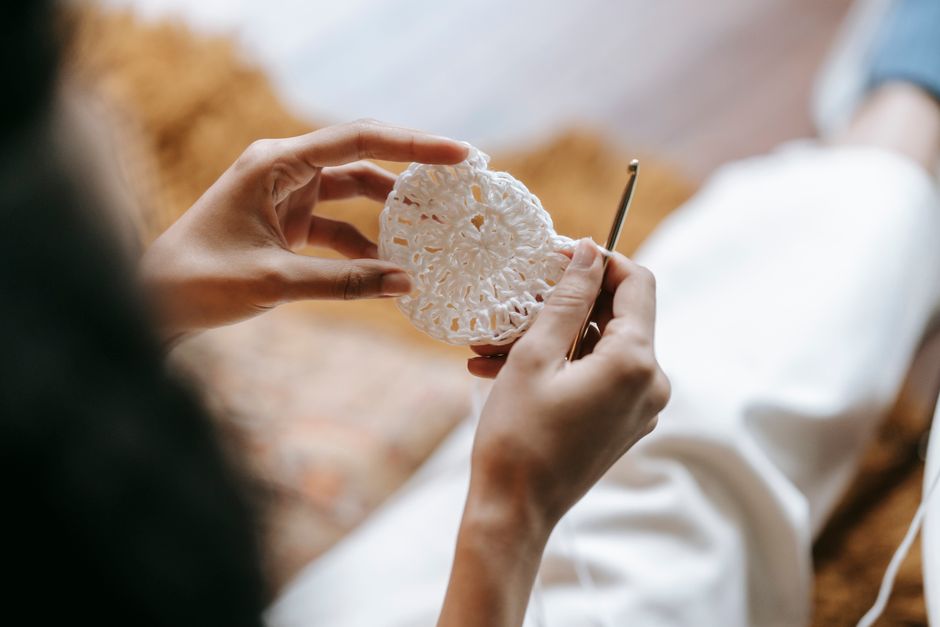
Start by deciding your finished size. A common selling size is 6 to 10 inches tall, because it's giftable and not too slow to make. Then plan the proportions: head-to-body ratio, limb thickness, and where the widest point sits.
These design choices affect everything: how much yarn you use, how the toy sits, and how your customer feels while crocheting. Clear shaping also reduces support emails because the toy "just looks right" at the end.
Use this repeatable blueprint process.
- Sketch a front view and side view with simple shapes (circle head, oval body, tubes for limbs).
- Decide the widest round for each piece (head max stitches, body max stitches).
- Write a shaping ladder (increase rounds, even rounds, decrease rounds).
- Mark where features attach (eye line, muzzle position, ear placement).
- Note which details are optional add-ons (tail styles, accessories, belly patch).
After this, crochet a fast "ugly prototype" in scrap yarn. It should be quick and a little messy. You're testing shape, not beauty.
A small tip from real production: if you want the face to look expressive, you need room. That usually means a head that's at least 55% of the toy's total visual "mass." If the head is too small, embroidery looks cramped.
For more advanced shaping ideas, including layered details, check How to Crochet Intricate Stuffed Animals: Unique Detailed Patterns to Buy and Create.
Add Signature Details That Buyers Notice in Photos
People decide to buy with their eyes. That means your "unique" choices must show up in a thumbnail image. Tiny changes in stitch placement can make a stuffed animal look custom, even if the base body is simple.
Focus on a few high-impact details. Too many can make the pattern hard to follow. Your goal is a strong character that's still fun for other crocheters to finish.
Here are detail types that read well in product photos and craft fair tables.
- Face shaping (snout pieces, cheeks, indented eye sockets using tight stitching).
- Eye style options (safety eyes, embroidered sleepy eyes, felt eyes with stitched shine dots).
- Textures (front-loop-only ridges, bobble spots, faux fur yarn for a mane).
- Accessories (mini satchel, scarf, crown, flower headband, tiny apron).
- Color blocking (belly patch, paw tips, ear insides, gradient stripes).
Now turn one detail into your "signature." For example, you might always include a tiny stitched freckle cluster on your animals, or a specific kind of blushing cheek embroidery. When customers see it across listings, it becomes your brand.
Material choices matter here too. Cotton gives crisp stitches and sharp embroidery. Plush yarn gives instant cuteness but hides shaping. If you want a deeper yarn breakdown for toys, see Crochet Yarn Types Explained: Create and Sell Stuffed Toys That Stand Out.
For safety and trust, follow established guidance on toy parts. Safety eyes can be a choking hazard for children under 3, and many makers choose embroidery for baby gifts. The U.S. Consumer Product Safety Commission has safety information for children's products at CPSC.
Prototype, Test, and Write a Pattern People Can Actually Follow
The difference between "cute toy" and "sellable pattern" is testing and clarity. If you want repeat customers, your pattern needs to work for someone who doesn't crochet like you do.
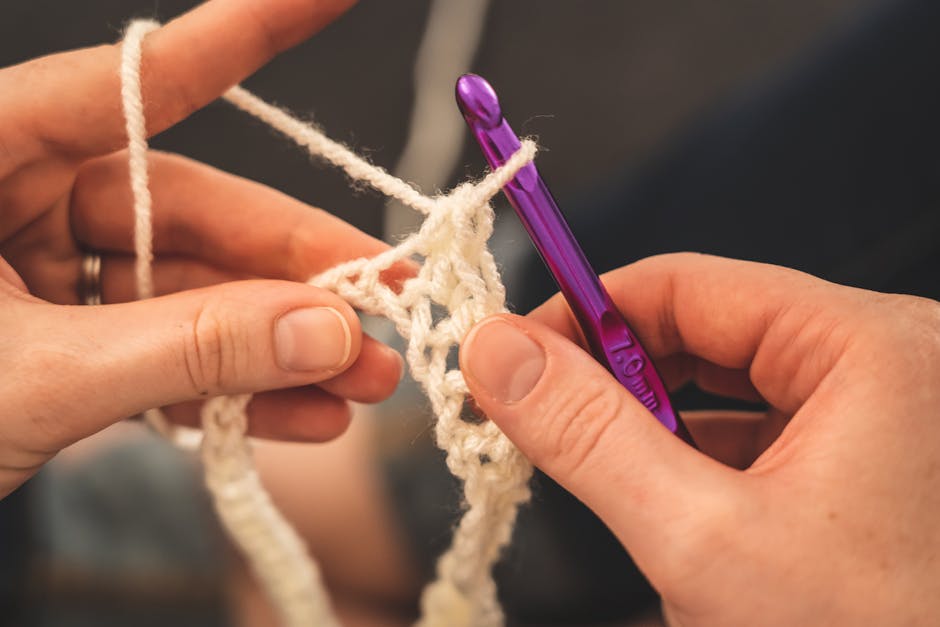
Prototype in the same yarn weight you plan to recommend. Stuffed animals change size a lot with yarn choice. Even hook size changes how firm the fabric feels, which changes the toy's shape.
Then do a real test: give your draft to at least one crocheter who will follow it literally. If they get stuck, that's not their fault. That's gold for improving your instructions.
Use this pattern-writing checklist.
- List skill level and what stitches are used (single crochet, increases, decreases, color change).
- Add a materials section with exact yarn amount ranges and hook sizes.
- Use consistent terms and abbreviations, based on a standard reference.
- Include stitch counts at the end of each round.
- Give clear assembly steps with placement notes (not just "sew on ears").
- Add photo checkpoints for tricky parts (muzzle alignment, eye placement).
For abbreviation standards, the Craft Yarn Council has a widely used glossary at Craft Yarn Council Standards. Using common terms reduces confusion and makes your patterns feel professional.
Pricing also ties into testing. If your toy takes 6 hours to crochet, plus 1 hour to sew, your pattern should reflect that value. Many buyers expect detailed amigurumi (crocheted stuffed toy) patterns to cost more than basic ones, especially if the photos are clear and the shaping is special.
A 2025 trend that's hard to ignore is short-form video driving craft purchases. Many makers report that a single clear "character reveal" clip can push pattern saves and sales. Pinterest also continues to act like a visual search engine for crafts. You can support this by designing details that are easy to show in a 5-second close-up.
Set Your Designs up for Sales: Photos, Variations, and Listings
Once your pattern is solid, make it easier for buyers to picture their own version. The trick is offering controlled variations. Give two ear options, two eye options, or two accessory options, but keep the base body the same.
Variations help sales because they answer different tastes without doubling your workload. They also help you get more listing photos, which can improve click-through.
Here are sales-friendly pattern add-ons that don't explode the difficulty.
- "Baby" and "big sibling" size using the same stitch counts but different yarn weights
- Two tail styles (curled and straight)
- Two face expressions (open smile and sleepy)
- Seasonal accessory pack (pumpkin hat, winter scarf, birthday crown)
Plan your photos like a buyer. Show the face straight on, a side profile, and a close-up of the special detail. Include one photo with a hand or ruler for size.
Also make your materials list realistic. If you recommend rare yarn, you'll lose buyers. If you recommend common yarn and then show a premium-looking sample, you build trust.
If you need a solid materials rundown that matches current maker habits, see Crochet Supplies and Materials: a Fresh Take for 2026 Makers.
Finally, remember that buyers pay for confidence. Your listing should clearly say what they'll get: number of pages, photo count, skill level, finished size, and support policy. That's not fluff. That's what reduces refunds.
FAQ
How Do I Protect My Crochet Pattern From Copycats?
You can't fully stop copying, but you can reduce it and build proof of ownership. Keep dated drafts, progress photos, and your original sketches. Publish your pattern with your name and copyright notice, and include a clear license (what buyers can and can't do). Many designers allow selling finished items but not sharing or reselling the pattern.

If someone reposts your work, you can use takedown requests on many platforms. For the U.S., the Copyright Office explains basics at U.S. Copyright Office. It's also smart to make your brand recognizable so customers look for the real source.
What Makes a Stuffed Animal Pattern "Unique" to Buyers?
Buyers usually mean "I haven't seen this exact character before." That can come from a distinct silhouette, a strong expression, or a signature detail that pops in photos. A plain body with a unique face can still feel original.
Uniqueness also comes from how the pattern is written. If your instructions include options, clear placement notes, and great photos, buyers remember your style and come back.
How Many Testers Do I Need Before I Sell a Pattern?
One tester is better than none, but two to five testers is a safer range for a paid pattern. You want at least one tester who crochets differently than you do. For example, someone who stitches tightly, someone who stitches loosely, and someone who uses different yarn.
Ask testers to note confusing parts and to send photos at key steps. Those photos show you where your instructions need a better checkpoint.
What Yarn Is Best for Detailed Amigurumi That Sells Well?
Cotton or cotton blends are great for crisp stitch definition, which makes details look sharp in product photos. Acrylic is affordable and widely available, so it's beginner-friendly. Plush yarn sells well visually, but it can hide shaping and make the pattern harder.
If your design relies on facial expression and clean embroidery, smooth yarn is usually the best choice. If your design relies on "instant cuteness," plush can work as long as you simplify shaping.
How Do I Price a Crochet Pattern for a Detailed Stuffed Animal?
Price depends on complexity, photo support, uniqueness, and how strong your results look. A detailed stuffed animal pattern often costs more than a basic one because it saves the buyer time and trial-and-error. Look at patterns with similar detail level, then price based on your testing and clarity.
A practical approach is to set a base price for the core pattern, then offer bundles with accessory packs. Bundles raise order value without forcing every buyer to pay for extras.
Your Next Pattern Can Be Original and Repeatable
How to Create Unique Crochet Patterns isn't about waiting for a rare burst of inspiration. It's a repeatable process: pick a sellable character twist, plan the shape with a blueprint, add a few photo-ready signature details, then test and write clearly. Once you do it once, you can reuse your method for a whole "collection" of animals that still look like they belong together.
If you want, build your next design around one signature feature and one accessory set, then photograph it like a product, not a hobby project. That's the shift that turns crochet time into pattern sales.