
How to Crochet Unique Stuffed Animals: Detailed Patterns That Look One-Of-A-Kind
How do you take a basic plush and make it feel like it has a personality, not just a pattern? If you're searching for How to Crochet Unique Stuffed Animals, you're really asking for the "secret sauce": smart shaping, clean details, and pattern choices that don't look copied from everywhere else.
This guide gives you that, with practical steps, design tricks, and finishing techniques that make your crochet stuffed animals look polished and special. You'll learn how to pick materials, read and edit detailed patterns, and add small custom touches that change the whole vibe.
How to Crochet Unique Stuffed Animals with Better Materials and Smarter Choices
Unique starts before you even make your first stitch. Yarn texture, hook size, and stuffing choice decide whether your plush looks crisp and detailed or soft and blurry. If you've ever made a toy that looked "fine" but not wow-worthy, it probably needed tighter fabric and cleaner contrast.
The easiest win is choosing a yarn that shows stitches clearly. Smooth cotton or cotton blends give sharp definition for eyes, muzzle shaping, and colorwork. Plush yarn feels cuddly, but it can hide increases and decreases, so tiny details get lost.
If you want help matching fiber to toy style, check How to Choose Crochet Yarn Types. Yarn choice is also where you can set your style, like vintage, kawaii, realistic, or goofy.
Here's a simple "uniqueness checklist" before you start:
- Pick 2 to 4 colors with strong contrast (body, accent, tiny detail)
- Choose safety eyes or embroidered eyes based on the age of the recipient
- Use a hook that's 0.5 to 1.5 mm smaller than the yarn label suggests for tight stitches
- Pick stuffing that springs back (polyester fiberfill is common and reliable)
- Plan one signature detail, like a scarf, horns, wings, or freckles
After materials, the next choice is your pattern style. Some patterns are meant to be simple and fast, while detailed patterns include shaping lines, separate pieces, and placement notes. If you're a newer crocheter, you can still do detailed work by choosing patterns with clear stitch counts and lots of progress checks.
For confidence-building practice before you tackle a complex plush, read Best Crochet Patterns for Beginners. The better you get at clean basics, the more "unique" your details will look.
How to Crochet Unique Stuffed Animals by Reading and Tweaking Detailed Patterns
A detailed pattern is like a blueprint, but you can still customize it without breaking it. The trick is knowing what changes are "safe," meaning they won't mess up symmetry or make parts not fit.
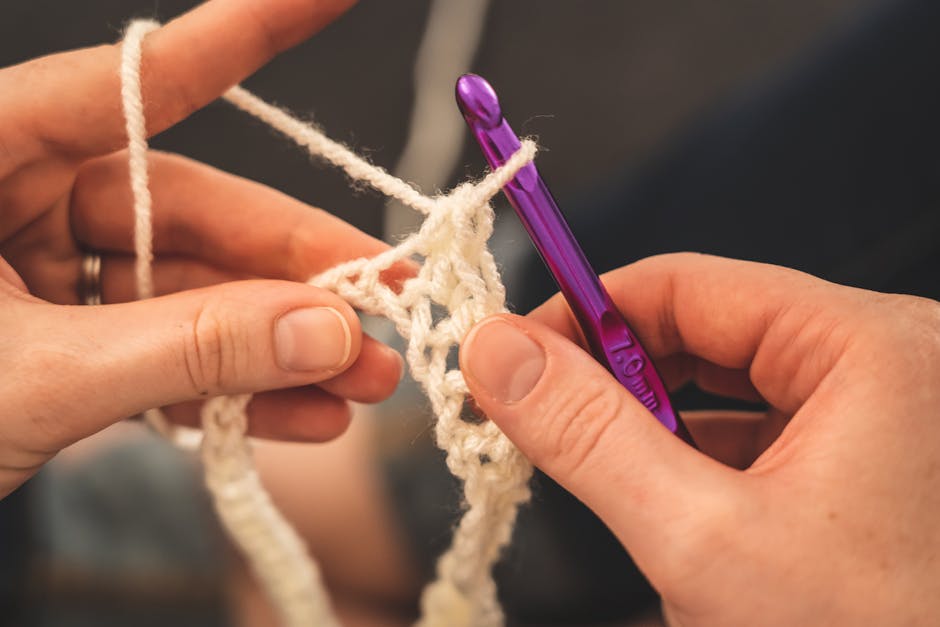
Start by reading the whole pattern once. Circle or highlight the shaping zones. These are usually areas with lots of increases (inc) and decreases (dec), short rows, or instructions like "place marker" and "stuff firmly." Those are the places where the toy gets its face, belly curve, or limb angle.
If you're learning How to Crochet Unique Stuffed Animals, you should also learn this one habit: count every round. It sounds basic, but round counting is what keeps eyes aligned and limbs even.
A reliable build process looks like this:
- Make a small gauge swatch in single crochet (sc) to check fabric tightness
- Crochet the head first and test eye placement with pins before attaching
- Stuff in layers, adding more stuffing near shaping areas (cheeks, muzzle, belly)
- Crochet limbs and keep notes on how much stuffing you used per limb
- Pin all parts in place before sewing, then sew with strong yarn tails
- Add surface details last (eyebrows, stripes, blush, spots, or scars)
Now let's talk about safe pattern tweaks that create uniqueness fast. Swap ear shapes, change snout length, or adjust leg thickness by adding or removing one increase round. Small edits can make a bear look like a cub, or a cat look like a lynx.
Here are beginner-friendly tweaks that don't usually break a pattern:
- Add 1 extra increase round in the belly to make a chubbier body
- Replace round ears with pointed ears (change the ear top to a small triangle)
- Use embroidered eyelids to change the expression from "surprised" to "sleepy"
- Add a color change round at the wrists or ankles for "socks"
- Create a muzzle by sewing on a small oval piece instead of crocheting it in
If you want to push into more advanced shaping, like jointed limbs, wire support, or layered textures, browse Buy Crochet Patterns for Advanced Techniques. Advanced techniques are often what makes a plush look "store-bought," but still handmade.
How to Crochet Unique Stuffed Animals with Signature Details That Sell the Character
A stuffed animal becomes memorable when it has a point of view. That sounds funny, but it's true. Is your frog a grumpy librarian? Is your dragon a clumsy baker? The character choice guides details like mouth shape, eyebrow angle, and accessories.
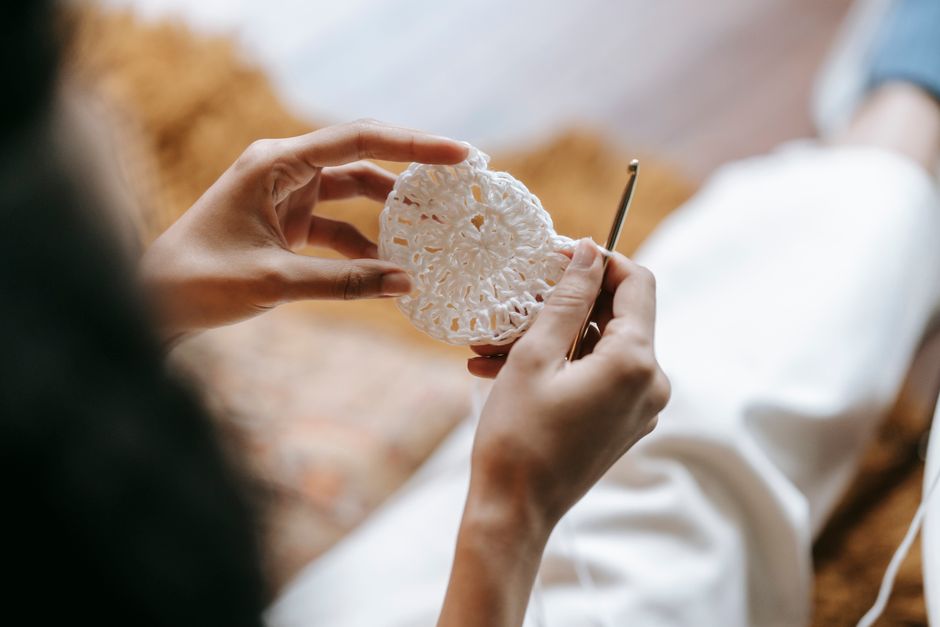
Expression is the fastest way to change a toy from generic to unique. Two toys with the same body pattern can look totally different with different eyes, eyebrow stitches, and mouth placement. Even the distance between the eyes changes the vibe. Wider spacing can look baby-like, while closer eyes can look more intense.
Before you sew anything down, do a "pin test." Pin eyes, muzzle, ears, and limbs on the stuffed head and body. Take a photo. Your camera will show crooked placement faster than your brain.
Try these character-building details that work on almost any animal:
- Eyebrows (a few stitches of embroidery floss changes everything)
- Blush cheeks (soft pink yarn or needle-felted wool if you know felting)
- A tiny tooth or fang (white embroidery thread is enough)
- A belly patch (simple oval applique for contrast)
- A tail tip in a second color (fox, cat, dinosaur, even bunny)
You can also use stitch texture to fake "fur," "scales," or "feathers." Bobble stitches make a bumpy dragon back. Surface slip stitches create stripes. Loop stitch can create fuzzy texture, but it's slower and takes practice.
If you want a deeper guide for advanced plush structure, see How to Crochet Complex Stuffed Animals. Complex patterns often use separate face panels, sculpted snouts, and layered parts. Those are the techniques that help you build a truly original lineup of crochet stuffed animals.
To keep your plush safe and durable, follow best practices for toys. The Consumer Product Safety Commission has guidance on toy safety and small parts, especially for children under three (U.S. CPSC). If your plush is a baby gift, embroidered eyes are usually safer than hard safety eyes.
How to Crochet Unique Stuffed Animals That Look Professional in Photos and Real Life
You can crochet perfectly and still lose the "wow" if finishing is messy. Finishing is where handmade turns into handmade plus polished. The big three are clean sewing, firm shaping, and hidden ends.

Sewing matters more than people admit. If limbs are off by just a few millimeters, the toy can look lopsided. Use pins, sew slowly, and check symmetry after every few stitches. I like using a long yarn tail and a yarn needle, then sewing with a whip stitch (looping through stitches on both pieces). Tighten slowly so you don't pucker the fabric.
Stuffing is also a skill. Under-stuffing makes a plush droopy. Over-stuffing can stretch stitches so stuffing shows through. Aim for firm but squeezable, like a ripe peach.
Here's a finishing routine that keeps toys looking clean:
- Weave in all ends inside the body, then pull the tail through and trim so it retracts
- Sculpt the face with gentle "needle sculpting" (stitching inside to create indents)
- Steam block flat pieces like ears and wings (keep the iron away from acrylic)
- Brush fuzzy yarn lightly with a pet slicker brush if the yarn allows it
- Add final embroidery details last so they sit on top and look crisp
For sculpting, needle sculpting is the trick that makes cheeks pop and noses sit neatly. You thread a needle with strong thread or matching yarn and stitch from one point to another inside the head. Then you pull slightly to create a dent or curve.
Want proof that crochet keeps growing as a craft and business? The Craft Yarn Council tracks yarn and craft education and has ongoing resources for makers (Craft Yarn Council). On the platform side, Etsy regularly reports strong demand for handmade and personalized gifts, and crochet plush falls right into that category (Etsy News). In 2026, personalization is still a big trend, and shoppers often pay more for a plush that looks like a pet, a favorite character vibe, or a one-off color theme.
If you'd rather skip the trial-and-error stage for certain designs, you can also buy custom crochet patterns for sale. Custom patterns are great when you want a specific animal, pose, or accessory set.
FAQ How to Crochet Unique Stuffed Animals
What's the Best Stitch for Crochet Stuffed Animals?
Single crochet (sc) is the go-to stitch for amigurumi (crocheted stuffed toys). It makes a tight fabric that holds stuffing well and shows shaping clearly. If your fabric has gaps, use a smaller hook and keep your tension steady.
How Do I Make My Stuffed Animal Look Less "Generic"?
Change one major feature and two minor details. A major feature could be ear shape, snout length, or body proportions. Minor details could be blush, eyebrow stitches, a belly patch, or a tiny accessory like a scarf. These small edits stack up fast and create a signature style.
Should I Use Safety Eyes or Embroidered Eyes?
Safety eyes look crisp and professional, but they can be a choking hazard for very young kids. For baby gifts and toddler toys, embroidered eyes are usually safer because there are no hard parts to pull out. If you do use safety eyes, follow the manufacturer's instructions and test the locking backs firmly.
Why Do My Crochet Stuffed Animals Look Lumpy After Stuffing?
Lumps usually come from stuffing in big chunks instead of small layers. Pull stuffing apart into fluffy bits and add it gradually, especially around the neck, cheeks, and belly. You can also use the back of your hook or a chopstick to push stuffing into corners evenly.
How Can I Price Unique Crochet Stuffed Animals If I Sell Them?
Track your time and materials, then add a profit margin for your skill and design work. Many makers use a simple formula like (materials + hourly rate x hours) plus fees. If your plush includes custom details or a detailed pattern, price it higher because it takes more skill and finishing time.
Your Next Step: Pick a Theme and Crochet One "Signature" Plush
The fastest way to master How to Crochet Unique Stuffed Animals is to choose one theme and build a small collection. Make three animals in the same "world," like woodland cafe friends, space critters, or pastel farm babies. Reusing a few design elements, like the same eye style or accessory type, helps your work look like a recognizable brand.
If you want, tell me what animal you want to make and what vibe you're aiming for (cute, realistic, spooky, funny). I'll suggest a detail plan, color palette, and pattern structure so your plush comes out truly one-of-a-kind.