
Crochet Yarn Types Explained: Create and Sell Stuffed Toys That Stand Out
In 2025, the global toys market is still huge, and handmade plushies keep popping up on gift lists for birthdays and holidays. If you want your crochet toys to look "pro," it starts with Crochet Yarn Types Explained in plain language so you can pick the right fiber for the job. This guide shows you how to design unique stuffed toys, write crochet patterns that sell, and choose yarn that makes your work stand out fast.
You'll get clear yarn choices, practical design tricks, and a selling plan that fits a small creator. Let's make toys people recognize at a glance, and patterns buyers trust.
Crochet Yarn Types Explained for Plushies That Look Expensive
Great stuffed toys don't happen by accident. The yarn choice changes everything, like stitch clarity, fuzz level, and how well the toy keeps its shape after hugs and washes. If your toy looks "lumpy," splits while you crochet, or pills after one cuddle, the yarn is usually the reason.
A simple way to think about it is this: amigurumi (small stuffed crochet toys) needs tight stitches and firm fabric. That means you want yarn that doesn't split, doesn't stretch too much, and holds stuffing without showing holes.
Here are the yarn types that show up most in toy-making, and what they're best at:
- Cotton (mercerized or regular): Crisp stitches, low stretch, great for detailed faces and small parts.
- Acrylic: Affordable, many colors, often machine washable, but quality varies by brand.
- Cotton-blends (cotton acrylic): A balance of softness and structure, good for beginner-friendly patterns.
- Chenille/velvet: Super soft "squish" factor, but stitches can be harder to see.
- Wool and wool-blends: Springy and warm, but can felt and may bother sensitive skin.
Cotton is the classic choice for clean, photogenic toys, especially if you sell patterns and need consistent results for your buyers. Acrylic can be a strong option for budget-friendly toy lines, as long as you test for pilling.
For safety and trust, always point buyers to fiber care rules. The U.S. Consumer Product Safety Commission is a solid place to learn general product safety expectations if you ever sell finished toys, especially for kids.
Design Stuffed Toys People Recognize in One Second
Standing out isn't about making something "more complicated." It's about creating a toy that has a clear identity. Think of the toys you remember from childhood. Most have one bold feature, like oversized eyes, a signature color, or a special shape.

Start with a simple base body, then add a "hook detail" that becomes your style. That detail should be easy to repeat across a whole collection so buyers can spot your work in a feed.
Here are ways to build that recognizable look without making your patterns too hard:
- Silhouette twist: Extra-long limbs, round "chibi" heads, or tiny bodies.
- Texture contrast: Smooth cotton body with fluffy belly patch, or bobble stitch scarf.
- Color story: Pick 6 to 10 colors you reuse across animals, monsters, or food plushies.
- Face system: Same eye style on every character, like sleepy eyes, heart eyes, or embroidered lashes.
- Accessory signature: Mini backpacks, capes, tiny hats, or removable outfits.
After you pick your signature, stress-test it for pattern writing. Ask, "Can a confident beginner do this?" If not, make the feature optional, like a simple embroidered mouth version plus a "deluxe face" version.
If you like challenging builds, keep a few advanced designs for your premium pattern tier. For inspiration and skill growth, check Best Crochet Patterns for Advanced Projects.
Turn Your Toy Idea Into a Crochet Pattern That Sells
A pattern that sells is not just a cute toy. It's a clear set of steps that leads to the same result for many skill levels. Buyers pay for confidence. They want to know the toy will come out right, even if their tension (how tight they crochet) is a little different.
Build your pattern like a friendly road map. Use simple language, consistent stitch counts, and lots of check-in points. If you include photos, focus on tricky parts like attaching limbs evenly, shaping the snout, and placing eyes.
A reliable workflow for writing patterns looks like this:
- Prototype the toy twice using the same yarn and hook to confirm counts.
- Prototype once in a different yarn (like cotton vs acrylic) to see how it changes.
- Write rounds with stitch counts at the end of every round.
- Add "you should have" checkpoints, like "You should have 24 stitches now."
- Test with 2 to 4 crocheters at different skill levels and collect notes.
- Edit for clarity, then format the PDF with bold section headers.
Between steps, add tiny coaching lines that prevent mistakes. For example, "Stuff firmly as you go, don't overstuff the neck," or "Pin both arms before sewing so they sit level." These little lines reduce refund requests and increase happy reviews.
If you want a refresher on pattern language, symbols, and how buyers read instructions, this guide helps: How to read crochet patterns.
To boost trust, cite care advice and fiber info. The Craft Yarn Council explains yarn weights and standards, which helps you match hook sizes and gauge (how many stitches per inch) more consistently.
Choose Yarn for "Wow" Photos and Fewer Customer Complaints
Even if your pattern is perfect, yarn can still make or break the final look. This is where Crochet Yarn Types Explained becomes a selling advantage. If you recommend yarns that behave well, your customers finish the toy and feel proud. That leads to reviews, shares, and repeat buyers.

First, decide what experience you want. Do you want crisp stitches that show every shaping line, or a plush "cloud toy" feel? Then choose yarn that matches your brand.
Here's a simple yarn recommendation system you can include inside every pattern:
- Best for stitch definition (sharp details): Cotton, cotton blends, smooth acrylic.
- Best for softness (gift plushies): Chenille, velvet, brushed acrylic.
- Best for durability (kid handling): Quality acrylic or tightly spun cotton.
- Best for allergy-friendly options: Cotton and some acrylics, avoid scratchy wool.
Now add "yarn behavior notes" so buyers know what to expect. Chenille can hide mistakes, but it also hides stitches, so counting takes longer. Cotton shows everything, which is great for photos, but it can feel firmer.
One more trick: recommend a hook that's slightly smaller than the yarn label suggests. That tightens the fabric so stuffing doesn't peek through. For most amigurumi, tight stitches matter more than speed.
If you're building a shop, consider offering pattern bundles by yarn type, like a "Cotton Critters" bundle and a "Velvet Snuggle" bundle. It helps shoppers pick fast and increases cart size.
Sell Your Unique Stuffed Toy Patterns Without Feeling Salesy
Selling crochet patterns is easier when your product page answers the buyer's worries. They wonder: "Will I understand this?" "Will my toy look like the photos?" "What yarn should I buy?" Your job is to calm those questions with clear details.
A strong pattern listing includes finished size, yarn weight, hook size, skill level, and what stitches are used. Then show 5 to 8 photos, including close-ups of the face and any special details.
Here are practical ways to make your patterns stand out in search and in feeds:
- Name each toy like a character, not "Crochet Bunny Pattern." Example: "Miso the Moon Bunny."
- Add a story line that fits in two sentences and matches the look.
- Use consistent photo backgrounds, so your shop looks like a collection.
- Offer a low-price "starter" pattern, then upsell bundles.
- Include a materials kit list that's easy to screenshot.
After you publish, keep the momentum with seasonal versions. A base bear can become a graduation bear, a pumpkin bear, and a winter bear with a scarf. This is a smart way to create fresh listings without starting from scratch.
If you also sell finished toys, double-check labeling rules, especially if items are meant for kids. In the U.S., the Federal Trade Commission explains textile labeling basics, which can matter for physical products.
For more ideas on listing formats and buyer preferences, visit Unique Crochet Patterns for Sale.
FAQ
What Yarn Is Best for Amigurumi Stuffed Toys?
Cotton is a top pick because it shows stitches clearly and holds shape well. A smooth acrylic can also work, especially if it's tightly spun and doesn't split. If your goal is super soft plushies, chenille yarn feels amazing, but you'll need good lighting and careful stitch counting.
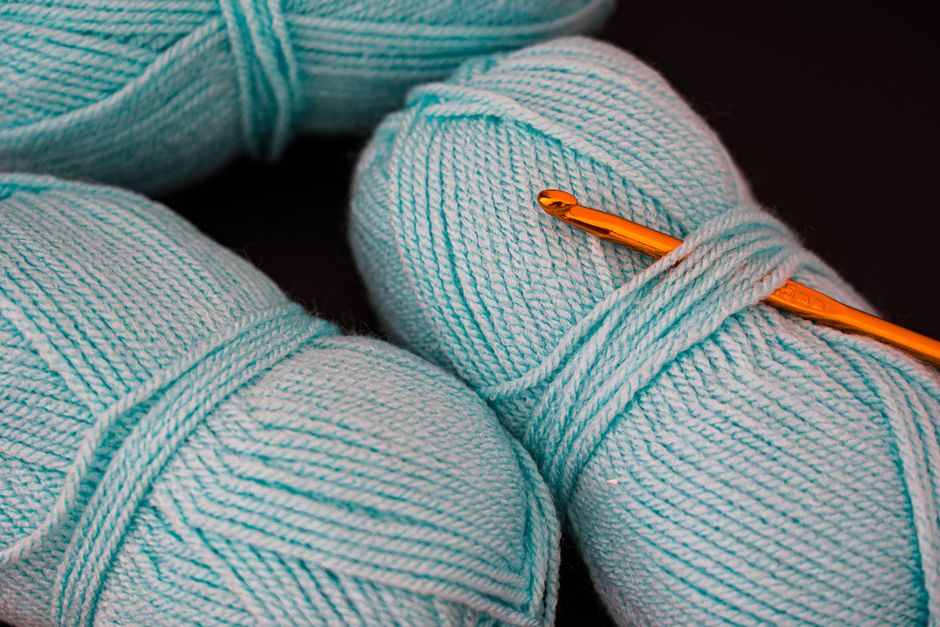
Your best move is to pick one "default" yarn for your brand and design around it. Then list two safe substitutes so buyers can use what they already have.
How Do I Make My Crochet Toy Patterns Feel Unique?
Pick one signature feature you repeat across designs, like a face style, body shape, or accessory system. Then vary themes, colors, and character types. This makes your shop feel like a world, not random one-off toys.
Uniqueness also comes from pattern voice. Add friendly checkpoints, clear photos, and helpful notes. People remember how easy a pattern was to follow.
How Much Should I Charge for a Crochet Stuffed Toy Pattern?
Pricing depends on size, complexity, and how many photos you include. Many creators price small toys lower and larger, more detailed toys higher. Bundles usually sell well because buyers feel like they're getting a deal.
Test pricing by watching what happens over 30 days. If you get lots of views but few sales, your listing or photos may need work more than the price.
Should I Offer Yarn Substitutions in My Pattern?
Yes, because it reduces customer stress and cuts down on messages. Give substitutions that behave similarly, like cotton for cotton blends, or smooth acrylic for smooth acrylic. If you suggest chenille, warn buyers that stitch definition is lower and safety eyes may sit differently.
This is also where Crochet Yarn Types Explained helps your pattern look more professional. Buyers trust designers who understand materials.
How Do I Keep Customers Safe If They Make Toys for Babies?
Encourage embroidering eyes instead of using plastic safety eyes for babies and toddlers. Remind customers to secure all parts tightly, and avoid long loose strings. You can also include a simple safety note in the pattern that says the maker is responsible for checking local safety guidelines.
If you sell finished items meant for children, read guidance from official sources like the U.S. Consumer Product Safety Commission to understand common risks and expectations.
Your Next Step: Build a "Signature Yarn" Toy Collection
If you want to create and sell unique stuffed toys, make yarn part of your identity, not an afterthought. Start with one collection built around your favorite yarn, like clean cotton minis or velvet cuddle plushies. Then write patterns that guide buyers with confidence, using clear counts, checkpoints, and yarn substitution notes.
Pick one new character idea today, prototype it twice, and write your steps as you crochet. Once you've got the base pattern, create two themed variations and list them as a mini bundle. That's how a single great design turns into a shop that looks intentional, memorable, and worth following.