
Best Crochet Patterns for Stuffed Animals: a Step-By-Step Guide to Picking the Perfect Plush
Crochet toys aren't just cute, they're a comfort item, a gift, and sometimes a best friend. If you're hunting for the Best Crochet Patterns for Stuffed Animals, you probably want two things right now: a pattern that's fun to make, and a finished plush that actually looks like the photo. This guide helps you choose patterns that fit your skill level, yarn, and time, without wasting a weekend on confusing instructions.
Handmade toys are also having a moment. In 2025 and 2026, more makers have been selling "amigurumi" (crocheted stuffed toys) at markets and online, because buyers want personal gifts with a story. That means pattern quality matters more than ever, especially if you plan to sell your finished animals or your own designs.
Step 1: Match the Pattern Style to Your Goal (Gift, Baby, or Display)
The best first move is deciding what the stuffed animal is for. A pattern that's perfect as a nursery toy can be a poor match for a shelf display piece. The Best Crochet Patterns for Stuffed Animals make the end use clear, and they include details like finished size, safety notes, and how the toy should feel in the hand.
Gift plushies usually need strong seams and easy washing. Display plushies can use delicate details, fancy yarn, and tiny parts. Baby-safe plushies should skip buttons and safety eyes unless you know the baby won't chew them. Many pattern designers also include a "baby-safe" option that uses embroidered eyes.
A quick way to screen patterns is to look for key info before you buy or start. If the listing doesn't show the finished size, materials, and a clear photo gallery, it may not be worth your time.
- Gift-ready patterns often include accessories like scarves, hats, or mini props.
- Baby-friendly patterns often use simple shapes and embroidery instead of hard parts.
- Display patterns often include more shaping and fine details (like toes, ears, or spots).
- Market-seller patterns often offer quick makes and easy color swaps.
Once you know the goal, choosing gets easier, and you'll avoid the classic mistake of making a toy that looks great but isn't safe or practical for the person receiving it.
Step 2: Choose a Skill Level That Keeps You Motivated
A pattern can be "easy" for one person and totally stressful for another. So instead of trusting labels alone, scan for the techniques used. The Best Crochet Patterns for Stuffed Animals will tell you which stitches and methods you need, and they won't hide the hard parts until page five.

If you're newer, you'll have the best experience with patterns that use single crochet (sc), increases, decreases, and simple shaping. If you're more advanced, look for patterns that include color changes, jointed limbs, wire armatures, or detailed facial shaping.
Here's a practical step-by-step way to pick the right level without guessing.
- Read the "skills needed" section before you start.
- Check if the pattern uses continuous rounds or joined rounds.
- Look for "sew as you go" or "no-sew" options if sewing stresses you out.
- Confirm the pattern includes stitch counts per round.
- Look for multiple photos of tricky steps (muzzle, ears, assembly points).
If you want to level up without burning out, choose one new technique per project. For example, pick a simple bunny pattern, but try a new muzzle shaping method. If you're ready for a bigger challenge, learn more from how to crochet intricate patterns and bring those skills back to your next plush.
Step 3: Pick Yarn and Hook for the Exact Look You Want
Yarn choice changes everything: size, softness, stitch definition, and how "huggy" your stuffed animal feels. Even the Best Crochet Patterns for Stuffed Animals can look off if the yarn isn't a good match. A tight stitch fabric helps stuffing stay inside, and it gives your plush a clean shape.
Most amigurumi patterns are written for worsted weight yarn (often called size 4) and a hook that's smaller than you'd use for a scarf. That smaller hook is on purpose, it makes tighter stitches so stuffing won't peek through. If you swap yarn types, expect the finished size to change. A velvet yarn will make a larger, squishier toy. A cotton yarn will make a firmer toy with crisp details.
If you want a deeper yarn breakdown, best yarn types for crocheting covers how different fibers behave, and why some yarns pill (get fuzzy) faster than others.
- Acrylic yarn is budget-friendly, easy to find, and comes in many colors.
- Cotton yarn makes tight stitches and sharp details, great for small features.
- Chenille or velvet yarn makes ultra-soft plushies, but it can hide stitches.
- Blanket yarn makes big, fast toys, but details can get bulky.
Need a trust signal about fiber and safety? The U.S. Consumer Product Safety Commission shares guidance on toy safety concerns, including hazards from small parts. For care and labeling, the Federal Trade Commission explains textile and fiber labeling rules that many makers follow when selling handmade goods.
After you choose your yarn, do a tiny swatch in the round. Stuff it with a little fiberfill and stretch it. If you see gaps, go down a hook size.
Step 4: Explore Pattern "Families" That Consistently Turn Out Cute
Some stuffed animal patterns have a higher success rate because the shapes are proven. If your goal is to build a reliable collection of go-to projects, focus on pattern families. These are styles that repeat the same body base with different heads, ears, tails, and colors. The Best Crochet Patterns for Stuffed Animals often come as sets like "woodland animals," "farm friends," or "ocean buddies."

Pattern families are also great if you sell at markets. You can make the same body again and again, but change the details so every toy feels unique. That keeps your process fast and your booth interesting.
Here are common pattern families that tend to be beginner-friendly and look great even with simple stitches.
- Bunnies and bears (simple ears, easy faces, classic gift animals)
- Cats and dogs (easy color swaps, fun personality with small details)
- Dinosaurs (spikes add drama, bodies are often simple tubes and ovals)
- Sea animals (octopus, whale, turtle, great for soft rounded shapes)
- Farm animals (cow, pig, sheep, playful shapes and strong gift appeal)
If you want to create something nobody else has, start with a pattern family base, then add your own twist. Change the snout shape, add horns, or stitch on a tiny backpack. You can also learn more about building signature designs in how to crochet unique items.
The main idea is simple: repeat what works, then customize. That's how you go from "I made a toy" to "people recognize my style."
Step 5: Use a Quick Quality Checklist Before You Commit
Not every pattern is written clearly, even if the photos are adorable. Before you spend hours crocheting, run a quick checklist. The Best Crochet Patterns for Stuffed Animals usually share enough details that you can predict a smooth making experience.
Start by checking the pattern format. Is it a PDF with clear sections, or a messy wall of text? Does it list materials and abbreviations? Are there assembly instructions with photos? Do you get a finished size estimate? These little things are what separate a relaxing project from a frustrating one.
Use this simple checklist before you buy or begin.
- Clear materials list (yarn, hook size, stuffing, eyes, needle)
- Standard abbreviations explained (sc, inc, dec, etc.)
- Round-by-round stitch counts included
- Helpful assembly notes (pinning, alignment tips, where to stuff firmly)
- Multiple photos showing front, side, and back of the finished toy
- Notes for substitutions (like safety eyes vs embroidered eyes)
After you run the checklist, you'll feel more confident, and you'll waste less yarn. If you want a plush designed to your exact vibe (specific animal, size, or theme), you can also explore buy custom crochet patterns for stuffed animals.
A final tip from real experience: patterns that include "troubleshooting" notes are gold. If the designer tells you how to fix a lopsided head or wobbly legs, they've actually tested the pattern on real humans, not just on paper.
Step 6: Make Your Stuffed Animals Look Pro with Finishing Tricks
Finishing is where a good toy becomes a "wow" toy. Even if you start with the Best Crochet Patterns for Stuffed Animals, sloppy assembly can make the face look uneven, and that's what people notice first.
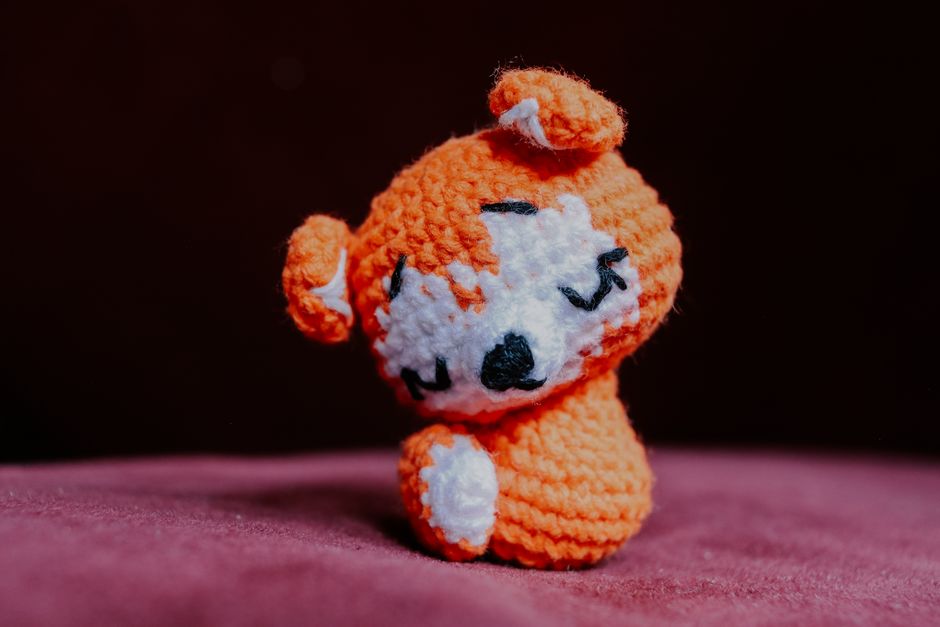
Take your time with stuffing and shaping. Stuff in small chunks, not one big clump. Use the back of your hook or a chopstick to push stuffing into corners. For heads, add a little more stuffing than you think you need, because yarn relaxes over time.
Facial placement matters more than fancy stitches. Pin the eyes and muzzle before you sew anything down. Step back and look at the toy from a few angles. If something feels "off," adjust before you commit.
- Use pins to mark where limbs should attach before sewing.
- Count stitches from the center line so both eyes sit evenly.
- Weave in ends deeply so they don't wiggle loose after hugs.
- Add a little blush or shading with yarn scraps for extra personality.
If you plan to sell finished plushies, durability is part of your brand. Double-knot your ends, reinforce attachment points, and avoid weak joins. For sellers, crocheting unique animals for sale can help you think about what customers love, and how to stand out.
Finishing can feel slow, but it's the part that makes your work look like it belongs in a boutique.
Frequently Asked Questions
What Makes the Best Crochet Patterns for Stuffed Animals "Best"?
The best patterns are the ones you can actually follow without guessing. They include stitch counts, clear photos, and assembly guidance. They also explain how big the finished toy will be and what yarn works best. A "best" pattern isn't always the fanciest, it's the one that gives you a clean result and a fun experience.
What Yarn Works Best for Crochet Stuffed Animals?
Worsted weight acrylic is a popular choice because it's affordable and easy to find. Cotton works great for sharp details and firm shapes. Chenille and velvet yarns make extra-soft plushies, but the stitches can be harder to see. If the toy is for a baby, many makers prefer yarn that's washable and doesn't shed fuzz easily.
How Do I Keep Stuffing From Showing Through My Stitches?
Use a smaller hook than you'd normally use for that yarn. Tight stitches are the goal for amigurumi. Stuff in small pieces and don't over-stretch the fabric. If you still see gaps, try changing your stuffing technique or switch to a yarn with better stitch coverage.
Are Safety Eyes Safe for Babies and Toddlers?
Safety eyes can still be a choking risk if they come loose. For babies and young toddlers, embroidered eyes are often the safest choice. If you're gifting a toy, ask the parent what they prefer. You can also stitch a simple sleepy-eye shape that looks cute and avoids hard parts.
How Long Does It Take to Crochet a Stuffed Animal?
Time depends on yarn size, toy size, and how much sewing is involved. A small beginner plush can take 2 to 4 hours. A medium animal with limbs and details might take 6 to 12 hours. Big blanket-yarn plushies can be fast, but assembly still takes time if you want a clean finish.
Your Next Stuffed Animal Starts with One Smart Pick
The Best Crochet Patterns for Stuffed Animals aren't just about trendy designs, they're about clear instructions, good shaping, and a finished toy that feels worth the effort. Pick a pattern that matches your goal, choose yarn that supports the look, and use the checklist before you commit.
If you want to keep building skills, try one new technique per plush and track what you loved (and what annoyed you). If you want something tailored to your exact vision, explore custom options, then make it your signature. Your next plush can be the one people squeeze, smile at, and ask, "Where did you get that?"