How to Crochet Unique Items: Craft Unique Stuffed Animals with Advanced Crochet Patterns Unleashed
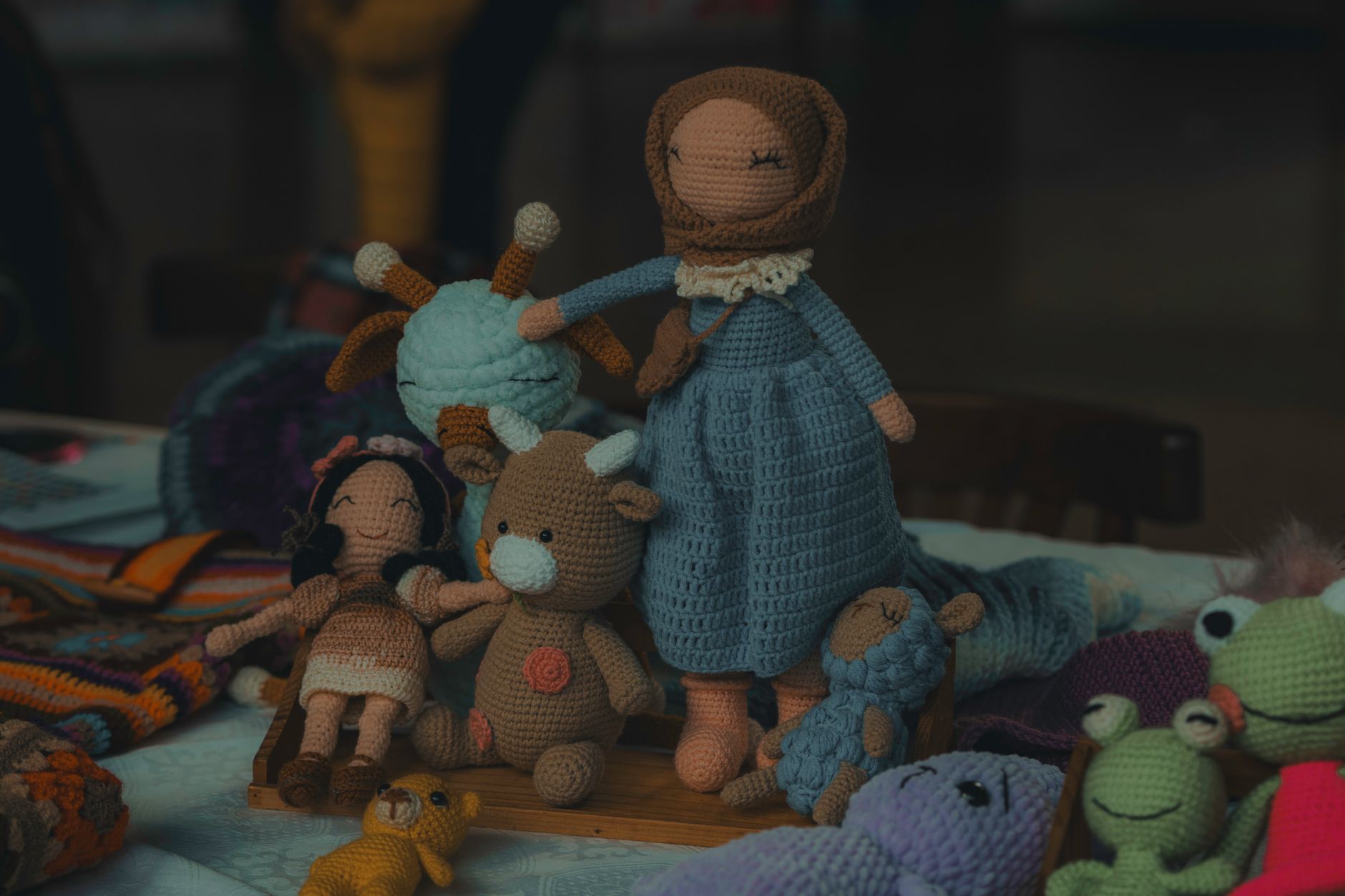
A surprising shift hit crochet feeds in 2026. Stuffed animals went from cute to couture, with sculpted snouts, wired wings, and painterly colorwork. If you searched How to Crochet Unique Items, you want more than basics. You want pro moves that turn yarn into personality. This guide gives you advanced pattern tactics, safety rules, and a studio workflow you can use today.
Why 2026 Makers Are Rewriting Crochet Toy Rules
Tactile crafts keep rising, and makers are pushing texture and form. Pinterest Predicts 2025 signals a surge in playful, touchable projects, which tracks with the boom in plushies and fuzzy fibers Pinterest Predicts. That demand encourages bolder shapes, mixed yarns, and photo-ready finishes. The result is a new standard for unique, giftable stuffies.
To ride this wave, think like a product designer. Sketch silhouettes, choose yarns by function, and build shapes from modular parts. Your goal is repeatable wow. Focus on head proportions, balanced stuffing, and joints that move cleanly. Keep safety in mind if the toy might reach a child. The most unique toy still has to be durable and safe.
- Prioritize a strong silhouette that reads across the room
- Test one standout feature, like antlers or a ridged tail
- Blend two yarn textures for depth, like velvet with cotton
- Scale eyes and muzzle to head width for natural balance
- Use color to guide focus to the face or feature
- Document every round so your pattern is sellable later
Materials, Safety, and Yarn Science for Stuffed Animals
Unique toys start with the right materials. Match yarn weight to the stitch density you need. A tighter fabric hides stuffing and sculpts crisp edges. The Craft Yarn Council's system helps you pick consistent weights and hooks across brands Craft Yarn Council. For tiny features, drop one hook size to prevent gaps.

Safety is non negotiable. If your plush is for kids under three, skip small parts. The U.S. Consumer Product Safety Commission outlines small parts rules and testing basics for children's products U.S. CPSC. Choose safety eyes labeled for toys, or embroider eyes using dense satin stitches. If skin contact matters, look for fibers tested to OEKO-TEX Standard 100 OEKO-TEX.
- Choose a yarn that resists pilling for long wear
- Use polyester fiberfill that springs back after a squeeze
- Carry a smaller hook for tight stitches on openings
- Consider cotton for crisp stitch definition on faces
- Try chenille or velvet yarn for body softness
- Swap safety eyes for embroidered eyes on baby gifts
- Knot tails, weave in, then lock with a tiny dab of fabric glue
How to Crochet Unique Items with Sculpted Shapes and Texture
Learning how to crochet unique items often starts with shaping. Sculpted faces and limbs come from increases, decreases, and strategic stuffing. Work in continuous rounds with a tight gauge. Use invisible decreases so the fabric flows without bumps. Pin, then stuff in small tufts to avoid lumps. Think of each section as a 3D puzzle piece.
Technique Spotlight: Invisible Decreases and Yarn Under
Invisible decreases narrow shapes cleanly. Insert your hook through the front loops of two stitches, yarn over, pull through, then finish the single crochet. The yarn under method can also tighten stitches for a denser, cleaner fabric.
- Sketch your silhouette and mark increase zones, like nose or belly
- Swatch your yarn and hook to confirm a no-gap fabric
- Start with a magic ring, working small increases for a rounded cap
- Stack several even rounds to form height before decreasing
- Use invisible decreases to taper cheeks and muzzles smoothly
- Add short rows to lift a snout or shape a forehead ridge
- Pause to stuff in small layers, pressing into edges with a tool
- Needle sculpt by pulling yarn between points to indent eye sockets
After sculpting, secure limbs. Sew through both the body and limb with several passes. For posable parts, install a joint. Buttons are cute for decor pieces, but use safety joints or sewn joints for child-safe designs. A wire armature can support wings or tails in display-only pieces.
Smart Workflow: From Swatch to Shop-Ready Pattern
A repeatable workflow lets you create faster and sell patterns with confidence. Start with a swatch to set gauge, then write your counts per round as you go. Use stitch markers as notches. Photograph each stage near a window or lightbox. Clear process photos boost buyer trust and speed up testing.
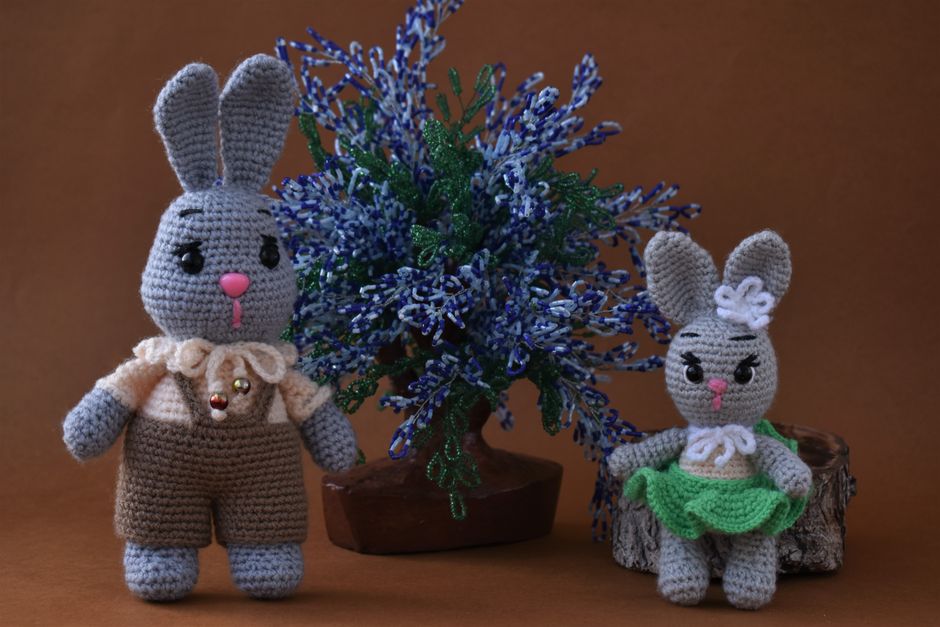
Structure your pattern for both chart-readers and beginners. Include stitch glossary, abbreviations, skill level, materials, yarn substitutions, and safety notes. If your audience includes newer crocheters, link them to reading guides like How to Read Crochet Patterns. For materials, point to curated lists like Crochet Supplies and Materials.
- Define your goal feature, like jointed limbs or a split-color face
- Choose yarn, then swatch until the fabric hides stuffing
- Draft a bill of materials with yardage, hook size, and eyes
- Write the pattern as you stitch, round by round
- Photograph key rounds and shaping angles in clear light
- Test a second sample using a different yarn fiber or color
- Recruit a tester to validate counts and clarity
- Package your PDF with a clean layout and quick-start summary
As you learn how to crochet unique items at this level, build a pattern library. Consider offering a beginner head, intermediate body, and advanced accessories. Shoppers can upgrade their toys by mixing modules, and you get extra sales from one design family.
Pattern Engineering: Modular Parts, Joints, and Balanced Proportions
Think like an engineer and your toys will stand out. Break a complex animal into modules, then standardize connections. That means consistent stitch counts at joins, so arms snap in place without guesswork. Balanced proportions matter too. Faces that are one third of head width often look friendly, while larger eyes can skew cute or whimsical.
Plan your joints early. Thread jointing gives a classic look on decor pieces, while plastic safety joints click securely into place for play. Test joint placement on an unstuffed body with pins, then commit. For display pieces, a soft aluminum armature can support wings or tails. Wrap the wire in floral tape to reduce friction inside the fabric.
- Head modules with 48, 54, or 60 stitch circumferences
- Neck openings that match arm and leg join counts
- Interchangeable ears, horns, or antlers with shared bases
- Tail options, from slim tapered to finned for dragons
- Two muzzle sizes for different expressions on one head
- Slot for a removable scarf, cape, or collar
- Belly patches that double as pockets on larger plushies
Color choices can also be engineered. Limit your palette to three values, light, mid, and dark. Use the lightest on the face center to pull focus. Place the darkest shade under the belly or behind ears for depth. These tricks help your work photograph beautifully, which matters for listings and social posts.
FAQ Advanced Stuffed Animal Crochet
What Hook and Yarn Should I Use for Tight, No-Gap Fabric?
Use a smaller hook than the yarn label suggests. For worsted weight, try 3.5 mm for dense fabric. Aim for stitches that hide stuffing even when the plush is flexed.

Are Safety Eyes Okay for Baby Gifts?
For children under three, avoid small parts. Use embroidered eyes instead. The U.S. CPSC small parts guidance explains risks and rules for toys U.S. CPSC.
How Do I Keep Limbs From Flopping?
Place limbs slightly forward of the body centerline. Sew through multiple layers with several passes. Add a small wedge of stuffing inside each limb top before closing.
What Makes a Pattern Feel Professional?
Clear round-by-round counts, process photos, and a quick-start page. Include a stitch glossary, safety note, and testing credits. Use consistent abbreviations and formatting.
Final Stitches: Your Next Unique Stuffie Awaits
You now have the blueprint for advanced, personality-packed plush. Shape with intention, build with modules, and finish like a pro. Keep safety first, then let texture and color sing. If you want ready-to-stitch inspiration or pattern upgrades, explore curated options in Unique Crochet Patterns for Sale and keep your toolkit fresh with Crochet Supplies and Materials.
Remember the heart of how to crochet unique items. Pick one detail to push a little further each project. Maybe it is a new joint, a bolder ear, or a cleaner invisible decrease. That steady stretch turns good stuffies into showstoppers.