
How to Crochet Intricate Patterns: Master Complex Stuffed Animals to Gift
A cute plushie is easy to make. A plushie that makes people say "wait, you crocheted that?" is a different game. If you're searching for How to Crochet Intricate Patterns, you probably want clean colorwork, smooth shaping, and details like toes, eyelids, horns, or tiny fingers that don't look lumpy.
This guide gives you a practical roadmap for complex stuffed animals (amigurumi), plus pattern ideas that feel special as gifts. You'll learn how to read "busy" patterns, plan your yarn, and build parts that line up the first time.
Why Complex Stuffed Animals Feel Hard (and How to Make Them Click)
Complex amigurumi patterns don't feel hard because the stitches are "advanced" in a fancy way. They feel hard because lots of small decisions stack up. A slight tension change can shift stripes. One missed increase can twist a muzzle. Tiny parts can look uneven if you stuff too early or too late.
The good news is that these are fixable problems. Intricate stuffed animals are mostly about planning and consistency, not speed. Once you know what to watch for, even a wild pattern with five colors and twelve pieces becomes calm and predictable.
Here are the main "complexity triggers" you'll see in higher-level plush patterns:
- Tight stitch counts with frequent increases and decreases
- Many separate parts (ears, paws, spikes, wings, accessories)
- Color changes that need to line up across rounds
- Sculpting details (eye sockets, cheeks, snouts, joints)
- Sewing that must match exact landmarks, not just "close enough"
A helpful mindset shift is to treat intricate patterns like a build. You're assembling a character. That means you can test-fit parts, pin them, and adjust before you commit.
If you want a deeper refresher on fundamentals that support advanced work, check crocheting tips for beginners. Even experienced crocheters pick up a lot from revisiting tension and shaping basics.
How to Crochet Intricate Patterns with Cleaner Shapes and Details
If you want your stuffed animals to look "designed" instead of "homemade," focus on structure first. Structure is what makes a dragon's snout look sharp, or a fox's cheeks look symmetrical. Clean structure comes from stitch consistency, smart stuffing, and knowing how patterns hide shaping.

Start by reading the pattern like a map. Circle or highlight three things: where the count changes, where color changes happen, and where you attach parts. Those three spots are where most mistakes happen.
Use this step-by-step approach for How to Crochet Intricate Patterns without getting lost:
- Read the whole pattern once, then read it again with a pencil in hand
- Make a stitch-count "checkpoint list" for each major piece (head, body, limbs)
- Mark the start of every round and move the marker as you go
- Stop every 3 to 5 rounds and count stitches (yes, even if you "know" it's right)
- Test-stuff parts lightly before closing, then adjust firmness gradually
- Pin parts in place before sewing, check symmetry from every angle
After that list, the biggest upgrade is learning invisible decreases (a decrease method that avoids bumps). Many plush patterns assume you'll use it. If you use a basic decrease, the body can get little "pimples" along shaping lines.
Another pro trick is shifting your "seam." In single crochet in the round, the start of round naturally leans. Some patterns tell you to "join," while others are continuous spirals. If your stripes drift, try adding a small correction by changing where the round begins, or use a technique called "jogless stripes" (a way to smooth the color step).
For stitch anatomy and standardized terms, the Craft Yarn Council's glossary is a solid reference: Craft Yarn Council Standards. It's boring in the best way, because it's consistent.
Comparison: Simple vs Complex Amigurumi Patterns (What Changes and What Stays the Same)
A simple plush pattern and a complex one use the same basic moves. Both rely on single crochet, increases, decreases, and stuffing. The difference is how precisely you must place those moves to create expression and realism.
Think of it like drawing. A stick figure and a portrait both use lines. The portrait just needs better line placement.
Here's a clear comparison so you can spot what you're signing up for before you start:
- Simple patterns use fewer parts, often 3 to 6 pieces
- Complex patterns can use 10 to 25 pieces, plus extras like accessories
- Simple faces are embroidered dots and smiles
- Complex faces use safety eyes plus sculpting, eyelids, or needle shaping
- Simple color changes happen in big blocks
- Complex colorwork includes stripes, patches, gradients, or tiny accents
- Simple limbs are tubes
- Complex limbs include thumbs, paw pads, claws, or bendable joints
After you understand that difference, you can "scale up" safely. Choose one complexity upgrade per project. For example, keep the body simple, but add detailed paws. Or keep the paws basic, but add a sculpted snout.
If you want pattern inspiration that leans into advanced stuffed animals, this related guide can help you pick a design style: how to crochet unique patterns.
One more note that matters for gifting: washability. Many gift plushies need to survive real life. Yarn choice and construction matter. The American Cleaning Institute has practical info on laundry basics if you're planning "kid-safe" gifts: American Cleaning Institute Fabric Care. Pair that with a yarn label that allows machine washing.
Unique Crochet Pattern Concepts That Make High-End Gifts
If you're going to put hours into an intricate stuffed animal, make it feel personal. The easiest way is to pick a concept that matches the person. A generic teddy is sweet. A teddy that looks like their dog, favorite game character, or travel memory becomes a forever gift.
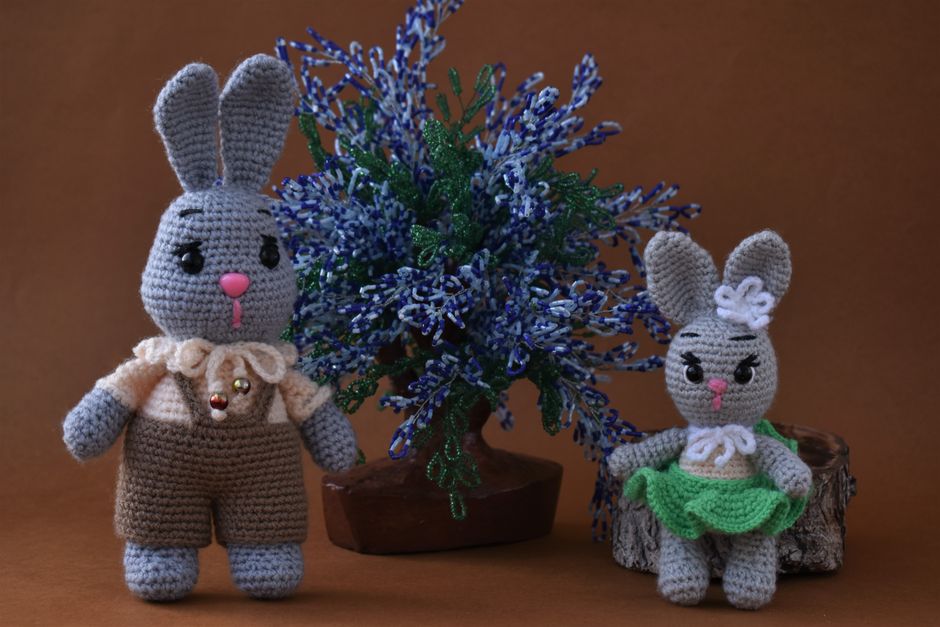
Below are complex stuffed animal ideas that look impressive but are still realistic to finish. Each one gives you a "wow detail" that people notice right away:
- Woodland fox with layered cheeks, white chest tuft, and embroidered whisker dots
- Dragon with two horn styles, ridge spikes, and poseable wings
- Sea turtle with a hexagon shell motif and flippers shaped to "swim"
- Axolotl with frilly gills and a gradient belly stripe
- Highland cow with textured curls (bobble stitches or loop stitch)
- Owl with colorwork "feather" panels and raised eyebrow ridges
To make these feel gift-ready, add one personalization detail. That could be the recipient's favorite colors, initials on a tiny sweater, or a mini accessory like a scarf or backpack.
Here's a quick customization checklist that keeps the design cohesive:
- Pick a main color, a contrast color, and one accent color (three is enough)
- Repeat the accent color in two places (like ears and feet) so it looks planned
- Add a simple prop (heart, book, flower) that matches the person's hobby
- Stitch a small tag or label into a seam for a "boutique" look
If you sell patterns or finished plushies, take photos like a product listing. Use window light, show scale in one photo (hand or ruler), and include a close-up of the face. Those details build trust fast.
Tools and Materials That Make Intricate Plushies Easier
Intricate work punishes flimsy tools. A hook that catches yarn will fray stitches. Cheap stuffing can clump and create dents. If your goal is clean shaping, your supplies are part of the technique.
Start with yarn that shows stitch definition (how clearly you can see the V shapes). Many beginners pick fuzzy yarn because it hides mistakes, but fuzzy yarn also hides your counting and makes sewing harder. For detailed faces and crisp limbs, smooth yarn is your friend.
Here's a practical gear list for complex stuffed animals:
- Ergonomic hook in the correct size for tight fabric (often smaller than the label suggests)
- Locking stitch markers, use at least 10 for multi-part builds
- Tapestry needle plus a sharp doll needle for sculpting
- Quality fiberfill stuffing that bounces back
- Safety eyes with washers, or embroidered eyes for baby-safe gifts
- Sewing pins or clips for positioning parts before stitching
If you're choosing materials for a new project, you'll like crochet supplies and materials. It's a straightforward way to match yarn, hook, and finish to the look you want.
For safety guidance, especially if you gift to toddlers, follow official consumer advice. Safety eyes can be a choking hazard if they loosen. The U.S. Consumer Product Safety Commission shares safety information for children's products: CPSC.
One fresh trend for 2026 is "heirloom amigurumi." People are paying more for plushies with better construction, better photos, and clear care labels. That's great news if you love detailed work, because intricate patterns finally get the appreciation they deserve.
FAQ Mastering Complex Stuffed Animal Crochet
Frequently Asked Questions
What's the Fastest Way to Learn How to Crochet Intricate Patterns?
Pick one complex pattern and repeat it with small upgrades. The first time, follow the pattern exactly. The second time, improve one thing like neater color changes or better sewing. Repetition builds your "feel" for counts and shaping faster than jumping between ten random designs.

How Do I Keep My Stuffed Animal Symmetrical?
Count stitches at set checkpoints and use pins before sewing. Place limbs using the same row landmarks on both sides, not "by eye." If one arm looks higher, remove it and re-pin it. Tiny differences show a lot on plush faces and bodies.
Why Do My Decreases Look Bumpy?
You're probably using a standard decrease that grabs the whole stitch. Try an invisible decrease (pick up the front loops only, then single crochet). It reduces the little knots that show on curved areas like heads and bellies.
How Do I Stop Color Stripes From Drifting in the Round?
Continuous rounds naturally lean, so stripes can spiral. Use jogless stripe techniques, or shift the start of round a stitch or two where needed. Some makers also seam the stripe area with a yarn needle to visually straighten it.
What Makes a Crochet Stuffed Animal Feel "Gift-Quality"?
It's the finish work. Tight, even stitches, firm but not overstuffed shaping, and clean sewing lines do most of the heavy lifting. Add a personal touch like a tiny accessory and a simple care note, and it instantly feels like a boutique gift.
A Simple Plan to Finish Your Next Intricate Gift Plush
Complex stuffed animals don't need to be stressful. They need a plan. Choose one design that excites you, prep your yarn colors, and commit to stitch counts like you're following a recipe.
If you want a reliable workflow, use this finishing plan:
- Make the head first, because it sets the style and stitch tension
- Build the body and legs, then test balance and sitting pose
- Crochet small parts in batches (both ears, both arms) to keep them matched
- Pin everything, take a photo, then adjust before sewing
- Add face details last, because the face decides the personality
If you'd like more gift-focused ideas and how to present plushies as thoughtful presents, browse crochet pattern ideas for gifts.
Want me to suggest a specific complex stuffed animal concept based on the person you're gifting to (age, interests, favorite animals, colors)? Tell me a few details and I'll map out a pattern style, palette, and "wow detail" that fits.