
Where to Buy Crochet Patterns Online: Crafting Unique Stuffed Toys That Feel One-Of-One
"Your pattern source is your secret ingredient," one designer told me after I asked why her plushies always looked so polished.
Where to Buy Crochet Patterns Online is the question that decides everything for stuffed toys, from how cute the face turns out to whether the limbs sit straight. If you want the best sites fast, start with Ravelry for variety, Etsy for trendy amigurumi (crocheted stuffed toys), Lovecrafts for curated downloads, and independent designer shops for the most original character-style plush.
This guide compares the top places to shop, what to look for before you click "buy," and how to match a pattern to the exact stuffed toy you want to make.
Where to Buy Crochet Patterns Online for Unique Stuffed Toys
Stuffed toys are picky projects. A small change in stitch count can turn a bunny into a blob, so pattern quality matters more than most people expect.
The best places Where to Buy Crochet Patterns Online usually fall into four "pattern ecosystems." Each has its own strengths, pricing style, and vibe. If you know what each one is good at, you'll waste less money on patterns that don't match your skill level or your style.
Here are the biggest options, and what they're best for when you're crafting unique stuffed toys:
- Ravelry: Massive library, strong filtering, and lots of indie designers. Great for finding specific plush styles, like long-limbed dolls or chubby mini animals.
- Etsy: Trend-heavy and gift-friendly. You'll see lots of seasonal plushies, cute food characters, and quick-sell bundles.
- Lovecrafts: More curated, easy checkout, and a mix of free and paid patterns. Good when you want a simpler buying experience.
- Independent Designer Shops: Small websites run by designers. Best for truly original stuffed toy characters, clear photo tutorials, and consistent sizing across collections.
- Publisher And Magazine Sites: Some offer digital issues or pattern packs. These can be great for "classic" toys and tested grading.
A quick note about trust: if you're buying digital patterns, stick to well-known platforms or designers with a track record. The U.S. Federal Trade Commission has practical guidance on avoiding online shopping scams, which is worth a skim if you're ever unsure about a seller's checkout flow or refund promises (FTC).
Picking Patterns That Actually Make Your Toys Look Handmade, Not Homemade
A pattern can be cute in photos and still be a headache in real life. Stuffed toys need shaping, stitch accuracy, and clean finishing. That's why I treat pattern shopping like I'm buying instructions, not just an idea.
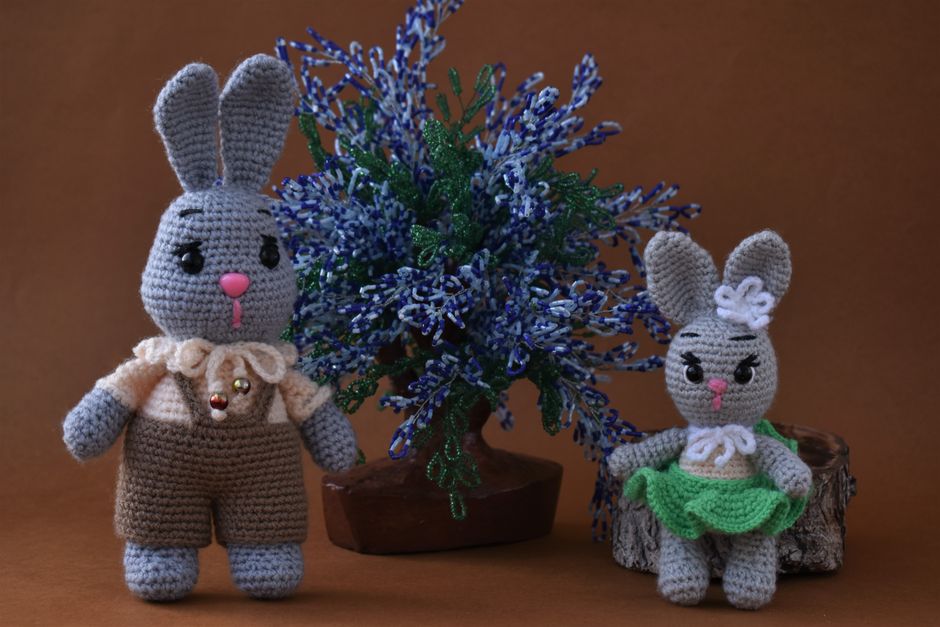
Before you buy, scan the listing like a maker, not a shopper. Look for details that prove the designer has tested the toy, written clear steps, and explained the tricky parts. For amigurumi, those tricky parts are usually the head shape, eye placement, and how pieces attach.
Use this checklist to judge quality in under two minutes:
- Materials list is specific (yarn weight, hook size, safety eyes size, and stuffing type)
- Gauge or finished size is stated (even if amigurumi doesn't always use strict gauge)
- Skill level is honest (beginner, confident beginner, intermediate)
- Construction is clear (worked in continuous rounds, joined rounds, or in pieces then sewn)
- Photo support exists (at least process photos for shaping, assembly, and face)
- Designer support exists (an email, a help group, or update notes)
If yarn choice is the reason your plushies feel "off," fix that first. I've seen the same pattern look like two different toys just by changing fiber and texture. This is why I always point crocheters to best yarn types for crocheting before they go pattern shopping.
One more practical tip: stuffed toy patterns that include an "assembly map" (a diagram or written placement notes) are gold. They save time and keep your toy symmetrical, which is what makes a handmade plush look professionally finished.
Best Sites for Crochet Patterns, with Real Pros, Cons, and Buyer Tips
If you're comparing sites, you're really comparing three things: selection, pattern quality signals, and customer support. Some platforms shine on discovery, while others shine on consistency.

Let's break down the main places people buy stuffed toy patterns and what you should watch for.
Ravelry: the Deep Library for Serious Browsing
Ravelry is one of the most useful databases for crochet patterns. Filters help you narrow by yardage, difficulty, and even construction style. That's perfect for stuffed toys because you can search for "amigurumi" and then refine until you find the exact shape you want.
Here's how to shop smarter on Ravelry:
- Use filters for "crochet" and "softies" or "amigurumi"
- Check project pages to see how the toy looks in different yarns
- Read comments for issues like unclear assembly or missing photo steps
- Favorite the pattern first, then come back with fresh eyes before buying
Ravelry is also strong for community proof. If 200 people made the toy and most look good, it's usually a safe buy.
Etsy: Trendy Stuffed Toys and Fast Gift Ideas
Etsy is great when you want a plush that matches a moment. Think capybaras, mushrooms, frogs in hats, holiday gnomes, and "cute food" toys. It's also common to find pattern bundles, which can be a deal if you like the same designer's style.
Still, Etsy is a marketplace. Quality varies, so read carefully. Look for listings with clear photos, page count, language notes, and a real skill level.
Here are quick Etsy safety and quality checks:
- Buy from shops with consistent reviews over time, not a sudden spike
- Avoid listings that look like copied images from multiple designers
- Prefer patterns that show at least one "in progress" photo
- Check if the pattern is a PDF download, not a physical item
If you ever decide to sell your own plush patterns later, keep notes on what made a listing feel trustworthy. That becomes your blueprint. You might also like how to crochet unique patterns for sale for turning your toy ideas into patterns people can actually follow.
Lovecrafts and Publisher Stores: Smooth Buying, More Testing
Lovecrafts and similar craft stores often feel less chaotic than marketplaces. Their pattern pages usually have standard fields like yarn weight, hook size, and finished measurements. That structure helps you compare patterns quickly.
Publisher and magazine pattern packs can also be a good buy if you like classic teddy bears, dolls, or animals with traditional shaping. These patterns are often tested and edited, which reduces confusing instructions.
A useful tip here is to watch for "free pattern" promotions. Many platforms rotate freebies weekly or seasonally, and that's a low-risk way to test a designer's writing style before paying.
Independent Designer Sites: the Most Unique Stuffed Toys
If your goal is "nobody else at the craft fair has this," independent designer sites are where you'll find the most original plush characters. Designers often build full collections, like a forest animal set with the same body base and different outfits.
Expect better tutorials, more step photos, and sometimes video support. Prices can be a bit higher, but you're paying for clarity and originality.
To vet an independent site, look for:
- A clear "about" page with a real designer identity
- Updated pattern versions or correction notes
- Easy contact options
- Secure checkout and clear download instructions
For credibility, it also helps to understand that crochet itself is having a major moment. The Craft Yarn Council tracks standards like yarn weights and hook guidance that designers reference in well-written patterns (Craft Yarn Council). When a pattern uses standard terms correctly, it's usually a sign the designer knows what they're doing.
A Case Study: Turning One Pattern Purchase Into a One-Of-One Plush Lineup
A friend of mine wanted to make a stuffed toy that didn't look like "every other bunny online." She wasn't a beginner, but she didn't want a complicated couture doll either. Her real goal was a plush with personality.
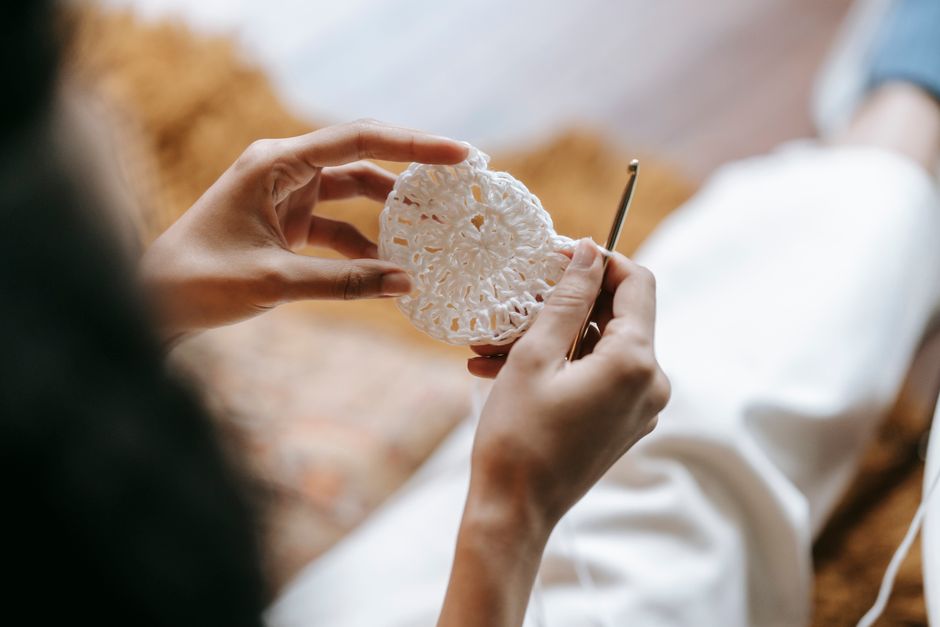
We picked one well-reviewed base pattern for a simple animal body, then made it unique with small, planned changes. This is the approach I use when I want a pattern to become a starting point, not a finish line.
Here's the exact method we followed, step by step:
- Buy a base pattern with strong shaping and clear assembly notes
- Make one "test plush" exactly as written, no changes
- Change only one variable at a time (yarn texture, eye size, snout length)
- Keep stitch counts consistent, and only swap details like ears or tails
- Write notes in the PDF margins for your personal version
After the test plush, we created three variations from the same pattern. One used chenille yarn for a super soft feel, one used cotton for crisp stitches, and one used a speckled acrylic for a playful look.
Then we added personality details that didn't break the pattern:
- Embroidered sleepy eyes instead of safety eyes
- A tiny crochet scarf and a mini tote bag accessory
- A contrast color belly patch
- A "blush" effect with soft pink yarn brushed lightly into the stitches
That's the secret: you don't need a brand-new pattern for every new toy. You need one solid base and a plan for customization. If you love gifting plushies, you can also explore buy custom crochet patterns for gifts for more made-to-match ideas.
For freshness, it's also worth noting a 2025 trend I'm seeing across pattern platforms: more designers are shipping "mix-and-match" plush collections (same body, different faces and outfits) because buyers want variety without learning a new structure each time. That trend lines up with broader maker-market growth and the ongoing popularity of handmade goods across platforms that track e-commerce demand, like Etsy's own annual trend reporting (Etsy Trend Reports).
FAQ Crafting Unique Stuffed Toys with Online Crochet Patterns
What's the Safest Place Where to Buy Crochet Patterns Online?
The safest places are established platforms with strong buyer history and clear digital delivery, like Ravelry, Lovecrafts, and well-reviewed Etsy shops. Independent designer sites can be safe too, but you should look for secure checkout, clear contact info, and pattern update notes.
If anything feels off, like copied photos or vague descriptions, trust your gut and move on.
How Do I Know If a Stuffed Toy Pattern Will Be Too Hard for Me?
Read the skill level, then look for the techniques list. If it includes things like "invisible decrease" (a neater decrease that hides gaps) and "sculpting" (shaping with stitches after stuffing), it may be intermediate.
A beginner-friendly toy pattern usually has simple shapes, fewer parts to sew, and lots of pictures. If you want an easier starting point, check best crochet patterns for beginners.
Should I Buy Bundles or Single Patterns?
Bundles are great if you already like the designer's style and want multiple toys that match. They're also handy for craft fair prep because you can make a "set" that looks cohesive.
Single patterns are better if you're testing a new designer, trying a new yarn type, or only want one specific plush.
Can I Sell Stuffed Toys Made From Purchased Patterns?
Often yes, but it depends on the designer's terms. Many pattern designers allow you to sell finished items in small quantities, but they don't allow you to resell or share the pattern itself.
Check the listing for "seller permissions" or "license" language. If it's not stated, message the designer before you list items for sale.
What Should I Do If the Pattern Has a Mistake?
Start by checking comments, reviews, or the designer's update notes. Many designers post corrections. If you're still stuck, email the designer with the exact step number and what you're seeing.
For your own sanity, highlight the correction in your PDF so you don't hit the same snag on your next toy.
Your Next Move: Buy One Great Pattern, Then Make It Yours
If you've been stuck scrolling, pick one platform and commit to one strong pattern today. Ravelry is best for deep research, Etsy is best for trendy plushies, and independent designer shops are best for rare character-style toys.
Where to Buy Crochet Patterns Online isn't just a shopping question, it's a quality shortcut. Start with a pattern that has clear sizing, solid reviews, and assembly help. Make one toy exactly as written, then customize the next one with yarn, face details, and small accessories.
If you want a stuffed toy that looks like it came from your imagination, not a copy-paste feed, your pattern source is the first stitch in that story.