
How to Crochet Unique Patterns for Sale: Craft Unique Stuffed Animals You Can Sell Online
2026 is packed with cute plush launches, yet most crochet pattern listings still look the same. If you're searching for How to Crochet Unique Patterns for Sale, here's the truth: you don't need 50 patterns, you need 5 patterns that feel like nobody else's. This guide shows you how to design craft-unique stuffed animals, write patterns people trust, and sell them online without guessing.
You'll learn what makes a stuffed animal pattern "sellable," which small design choices create big originality, and how to package your crochet patterns like a real product.
What Makes a Stuffed Animal Pattern "Unique" Enough to Sell?
"Unique" doesn't mean complicated. It means your buyer can spot your plush in a search grid full of lookalikes and instantly feel a vibe. Small choices like body shape, face placement, and texture can separate a basic bear from a signature character.
Originality also needs to be repeatable. If you invent a design that only you can crochet once, it's art, but it's not a great pattern product. A good pattern is a system that many crocheters can follow and still get a cute result.
Here are the uniqueness levers that work best for craft-unique stuffed animals, especially for patterns you can sell online:
- A recognizable silhouette (chunky head, tiny body, long legs, or oversized ears)
- A "one weird detail" feature (asymmetrical spots, droopy eyelid, tooth gap, heart-shaped paw pads)
- Texture contrast (smooth body with bobble belly, fluffy mane, or ribbed fins)
- Mixed shapes (round head plus squared snout, or oval body plus flat feet)
- A clear theme (forest bakery animals, cosmic sea creatures, vintage circus minis)
After you pick your uniqueness lever, test if it's still cute in 3 sizes. Try mini, medium, and large. If the vibe survives scaling, you've got a strong design language you can build a whole shop around.
If you want inspiration that leans more advanced, check How to Crochet Unique Patterns for stuffed animal ideas that go beyond the basics.
How to Crochet Unique Patterns for Sale by Designing with a "Signature Formula"
Most designers start by freehanding a plush and writing notes later. That works, but it often creates confusing instructions and weird proportions. A better approach for How to Crochet Unique Patterns for Sale is to design with a signature formula, meaning you reuse a core structure, then swap the features.
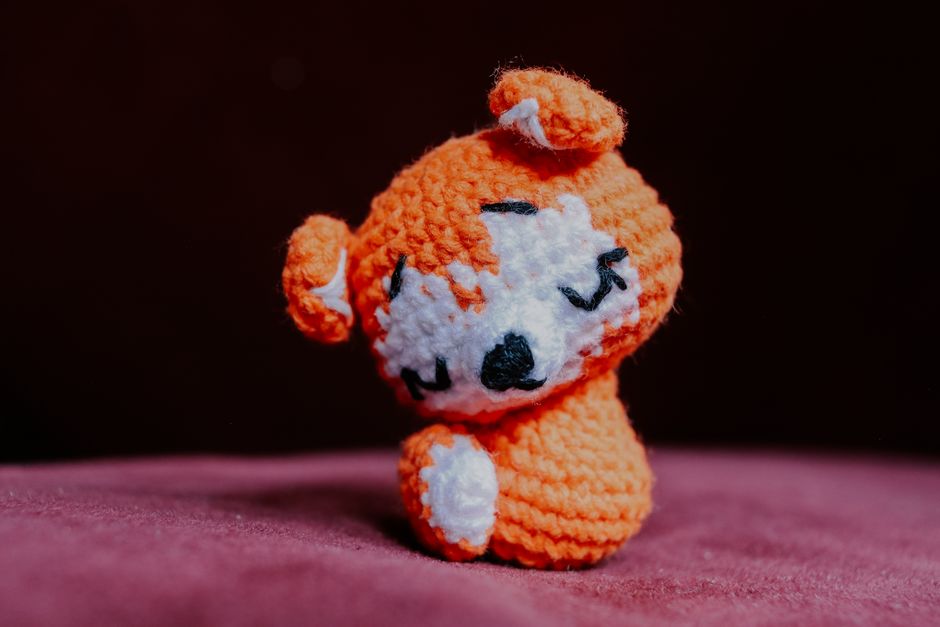
Start with one base body that you can confidently grade (resize) and re-skin into many animals. Think of it like a "doll base," but for plush. Your base might be a pear body with a big head, or a long bean body with tiny limbs. Once the base is solid, you can sell many patterns faster while keeping quality high.
Use this simple design workflow to build unique stuffed animals that are still easy to pattern:
- Choose a base body shape and write it cleanly (head, body, limbs)
- Add one standout feature (ears, tail, mane, wings, fins)
- Add one texture or stitch detail (bobble, popcorn, surface slip stitch lines)
- Add one finishing detail (felt blush, embroidered freckles, safety eye placement)
- Crochet a second sample using different yarn to test consistency
Between steps, take photos and label your rounds as you go. Your future self will thank you. Also, keep a "failure box" of parts. A rejected ear shape might become a paw later.
To keep the pattern truly sellable, build in choice points. Buyers love options, but they don't want chaos. Offer two ear styles, two eye placements, or two tail shapes, then show the differences with a photo. That kind of customization makes the design feel unique without needing extra pages.
Materials Choices That Make Plush Patterns Stand Out (and Photograph Better)
A lot of sellers focus on stitch counts and forget the biggest sales driver: the photo. Yarn choice, hook size, and texture literally change how your plush shows up on a screen. Even if your pattern is brilliant, the listing won't convert if the sample looks fuzzy, lumpy, or poorly shaped.
For craft-unique stuffed animals, pick materials that support crisp shaping and clean color. Cotton gives sharp stitches and strong definition. Chenille gives instant "baby-toy cute," but can hide mistakes and make detailing harder.
These material tweaks can make your stuffed animal patterns look more professional in photos:
- Use a smaller hook than the yarn label suggests to reduce gaps
- Choose a main yarn that holds shape, then add texture yarn as an accent
- Pick 2-3 colors only, then use embroidery for extra detail
- Use stuffing that bounces back (polyfill works well for most plush)
- Add a pinch of pellet weight in the base for a "sits nicely" pose
You'll also want to think about safety and trust. Many buyers make plush for kids, so they care about choking hazards. If you use safety eyes, mention age guidance in your pattern notes. The U.S. Consumer Product Safety Commission has clear toy safety information you can reference when you write disclaimers and suggestions for embroidered eyes: CPSC Toy Safety.
If you want a deeper guide to yarn behavior, fiber feel, and what sells best in plush listings, read Crochet yarn types explained.
Writing Patterns People Trust (so They Leave Reviews and Buy Again)
A unique design won't sell twice if the pattern reads like messy personal notes. The best way to protect your time and reputation is to write patterns like instructions, not like a diary. Buyers want clarity, consistent terms, and predictable formatting.

Use standard stitch names and explain any special stitches once, then keep the wording consistent. If you use U.S. terms, say so at the top. If you use U.K. terms, say so at the top. This sounds basic, but it's one of the biggest reasons customers ask for refunds.
Here's what to include in every stuffed animal crochet pattern you plan to sell online:
- Skill level (and what "intermediate" actually means in your pattern)
- Finished size (with yarn weight and hook size used)
- Materials list (yarn yardage, hook, stuffing, eyes, needle)
- Abbreviations and stitch guide
- Gauge note (even if you say "not critical," mention tension affects size)
- Photo support (at least key assembly steps)
- Testing notes (how many testers, what they reported)
After that, focus on the hardest part of amigurumi (crocheted stuffed toys): assembly. Many patterns fail because the sewing instructions are vague. Add placement guides like "attach ears between Rounds 8 and 12, 9 stitches apart." That's the difference between "cute" and "why does mine look cursed?"
For credibility, follow pattern standards that crocheters recognize. The Craft Yarn Council provides widely used crochet terminology guidance: Craft Yarn Council Standards.
If you're pushing into more complex shapes like jointed limbs, shaped snouts, or colorwork faces, you'll get more mileage from the techniques covered in Advanced crochet techniques for sale.
Selling Your Stuffed Animal Patterns Online Without Undervaluing Yourself
Pricing a crochet pattern can feel awkward, because it's not a physical item. Still, your time is real. Design time, stitch time, photo time, writing time, editing time, and tester management all count.
A practical pricing range for stuffed animal patterns often lands between $4 and $12, depending on complexity, photo support, and brand demand. Bundles can go higher because they feel like a deal. Your goal is to price so you can keep creating without burnout.
Use this simple pricing framework to get out of the "$2 pattern trap":
- Compare 10 similar patterns in your niche (size and complexity)
- Decide what you offer that they don't (options, better photos, video help)
- Pick a starting price that matches your quality, not your insecurity
- Run a launch discount for 3-7 days, then return to full price
Also think about where you're selling. Etsy brings search traffic, but fees add up. A Squarespace shop gives you more control and brand vibe, but you drive your own traffic. Many designers do both, then funnel repeat buyers to their own site.
No matter where you sell, protect your patterns. You can't stop all copying, but you can make your work look professional and traceable. Put your brand name and copyright notice in the PDF footer. Add a "pattern is for personal use" line, plus a clear note about whether finished items can be sold. The U.S. Copyright Office has plain-language basics worth reading if you're unsure what copyright covers: U.S. Copyright Office FAQ.
Finally, pay attention to current buyer behavior. Short-form video continues to push craft sales, and in 2025 and 2026, creators are using quick "finish reveals" and "before stuffing vs after stuffing" clips to drive pattern clicks. If you can show a plush transformation in 10 seconds, you can sell a pattern with one post.
FAQ Craft Unique Stuffed Animals Crochet Patterns You Can Sell Online
How Do I Make Sure My Stuffed Animal Pattern Is Actually Original?
Change more than color. Start with your own shape choices, like a different head-to-body ratio, a new ear construction, or a special texture panel. Keep sketch notes and progress photos as proof of your design process. If you're inspired by something, use it as a starting point, then redesign the structure so the final plush has your signature look.

How Many Testers Do I Need Before I Sell a Crochet Pattern?
Three testers is a solid minimum for small amigurumi. Five to eight is better if your design includes options, shaping, or tricky assembly. Ask testers to crochet from the written pattern only, not your verbal tips. Their questions show you where the pattern is unclear.
Can I Sell Finished Plushies Made From My Own Patterns?
Yes, and you should mention it clearly. If you're the pattern designer, you control how you license your pattern text. Many designers allow selling finished items in small batches, but don't allow reselling the pattern itself. Write a short, plain policy section in the PDF so buyers aren't confused.
What Photos Should I Include in a Stuffed Animal Crochet Pattern Pdf?
Include one clean finished photo on the cover, one "parts laid out" photo, and close-ups of the hardest steps. Assembly and face details matter most, so show eye placement, ear placement, and how you shape the snout or muzzle. If you can only add a few process photos, prioritize the steps that change the look the most.
What's the Fastest Way to Build a Small Pattern Collection That Sells?
Create a mini series built on one base body. Release three animals that share the same body, then add different features. Buyers who like one will often buy the others, because they already trust your writing style. A themed trio like "bakery critters" or "tiny forest friends" can outperform random one-off releases.
Conclusion: Make Fewer Patterns, Make Them More "You"
Learning How to Crochet Unique Patterns for Sale isn't about chasing every trend. It's about choosing a signature formula, building a recognizable plush style, and writing patterns that feel safe to buy. If your stuffed animals look different at a glance and your instructions are clear, you're already ahead of most listings.
If you want to go one step further, pick one base body today and design three feature sets for it. Crochet one sample, write clean notes, then test it. Once you've got that first craft-unique stuffed animal pattern ready, list it in your Squarespace shop and treat it like a real product launch, photos, story, and all.