
Where to Buy Crochet Patterns and 10 Unique Designs to Create and Sell (Complex, Not Cutesy)
The fastest way to lose money selling crochet is to pick "easy" patterns that everyone already sells.
If you're searching where to buy crochet patterns, you're probably trying to do two things at once: find designs you can trust, and find designs that will stand out in a crowded market. This guide does both. You'll get 10 unique pattern ideas that lean complex on purpose, plus a simple framework for choosing patterns that are worth your yarn, time, and listing space.
We sell crochet patterns and we crochet basically anything, from shaping-heavy plush to texture-rich wearables. So we'll focus on what actually changes results when you sell finished pieces: structure, finish, and repeatability.
Where to Buy Crochet Patterns (and How to Spot the Good Ones Fast)
Not all patterns are written for sellers. Some are "photo-cute" but fall apart in production, especially once you scale past one item.
Here's the short list of where to buy crochet patterns, plus what we check before we ever commit to making one for sale:
- Independent designer shops (often the best for originality and support)
- Craft marketplaces that sell digital downloads (great variety, quality varies)
- Designer's own website (best chance of updates, errata, and clear terms)
- Pattern bundles and magazines (good value, sometimes less unique)
Before buying, scan the listing for these quality signals:
- Multiple sizes or clear finished measurements. "Fits most" usually means trouble.
- Skill notes that match the photos. If the texture looks advanced but the pattern says "beginner," expect missing steps.
- Techniques listed up front. You want to see things like short rows, colorwork method, shaping, or surface crochet.
- Testing evidence. Look for notes that it was tested, or comments that show people finished it.
- Good finishing guidance. Selling-level work needs instructions for seams, stiffening, lining, or blocking.
One more reality check that protects you long-term: buying a pattern usually does not give you the right to resell the pattern itself, but it typically does allow selling finished items, depending on the designer's terms. Always read the license language on the listing, and follow it.
If your focus is plushies, our related guide on buying unique crochet patterns for stuffed animals you can actually sell helps you filter for designs that photograph well and hold shape.
A Seller's Framework: Choose Patterns That Beat Your Hourly Rate
Complex designs can be profitable, but only if they're complex in the right way.
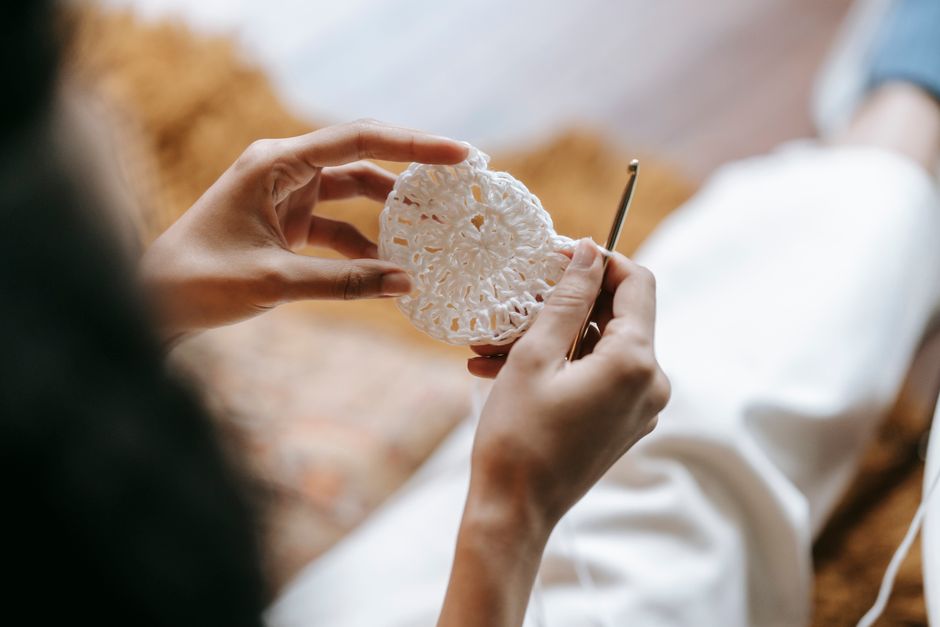
Use this quick decision framework. It's how we pick patterns that are fun to make and still sensible to sell.
Choose a "Detail-Heavy" Pattern If You're Selling Fewer, Pricier Pieces
Detail-heavy means: lots of parts, advanced texture, or finishing work.
Pick these if you:
- Want "wow" photos that justify a higher price
- Prefer fewer orders with more margin
- Enjoy precision finishing and shaping
Avoid these if you:
- Hate sewing parts together
- Need fast restocks
- Don't have time for rework if the fit is off
Choose a "Repeatable Complex" Pattern If You Want Steady Restocks
Repeatable complex means: the stitchwork is interesting, but the construction is predictable.
Pick these if you:
- Want an item you can make weekly
- Need consistent sizing and outcomes
- Plan to offer colorways or custom options
Avoid these if you:
- Get bored doing the same structure
- Rely on novelty over consistency
Worked Example: Pricing a Complex Plush Pattern Without Guessing
Let's say you choose a layered dragon plush with wings, spikes, and a standing pose.
- Build time: your first one takes 9 hours because you're learning. Your second drops to 6.5 hours.
- Materials: you use two yarn colors, plus safety eyes, stuffing, and maybe a little wire or stiffener (only if you're comfortable and it's safe for the buyer).
- Risk points: wings sag, spikes twist, the head flops.
To keep it profitable, you don't price from the "first one." You price from the repeatable version. That means you make one sample, write down what slowed you down, then decide:
- Can you simplify one feature without killing the look (fewer spikes, different wing join)?
- Can you batch steps (make all spikes at once, then attach)?
- Can you offer it as "made to order" with a longer ship window?
Complex sells when you control the complexity.
10 Unique Crochet Patterns to Create and Sell (Complex Designs That Stand Out)
These aren't generic "bee, octopus, granny square bag" ideas. Each one has a built-in hook that makes shoppers stop scrolling, and a built-in skill that makes it harder to copy.

1) Articulated Fantasy Creature with Hidden Joints
Think dragon, chimera, or sea serpent, but with poseable sections.
What makes it unique: segmented body parts joined with crochet hinges, not just sewing.
Seller advantage: photos look different in every pose.
2) Layered-Motif Cardigan with Mixed Stitch Textures
A wearable built from motifs (small shapes), but not all the same. Combine lace motifs with dense motifs so it drapes well.
What makes it complex: layout planning and seaming.
Seller advantage: you can sell made-to-measure sizing, or sell the pattern if you write your own.
3) Faux-Fur Plush with Sculpted Face (Not Flat Embroidery)
Use fur yarn for the body and smooth yarn for the face pieces, so the expression stays crisp.
What makes it complex: working with fur yarn, plus clean face shaping.
Seller advantage: high "cuddle factor" with a premium look.
Yarn choice matters a lot here. If you want options that keep stitches stable, see best yarn picks for stuffed animal crochet plushies that sell well.
4) Botanical Wall Hanging with 3D Leaves and Veins
A wall piece with layered leaves, surface slip-stitch veins, and wired stems (optional).
What makes it complex: shaping and finishing.
Seller advantage: great gift item, high perceived value, low sizing risk.
5) Mosaic Crochet Pillow with Picture-Style Motif
Mosaic crochet uses color changes to make bold designs without carrying floats like some other methods.
What makes it complex: reading charts and keeping edges clean.
Seller advantage: graphic designs photograph like art prints.
6) Convertible Bag with Hidden Structure
A bag that switches between crossbody and backpack, with a sturdy base and clean lining.
What makes it complex: hardware, lining, and structure.
Seller advantage: buyers pay for "real bag" function, not just cute.
7) Realistic Food Plush Set with Removable Pieces
Examples: ramen bowl with separate noodles and toppings, or a bento box with tiny parts.
What makes it complex: small-scale shaping and assembly.
Seller advantage: sets increase order value, and collectors love "the whole series."
8) Heirloom-Style Baby Blanket with Raised Overlay
Use overlay crochet (a method that stacks stitches on top of stitches) for a raised pattern that looks almost carved.
What makes it complex: stitch placement and counting.
Seller advantage: looks expensive, and mistakes show, so buyers trust skilled makers.
9) Shaped Hooded Cowl with Built-In Hair-Friendly Lining Option
A hood and scarf combo that actually stays up, with shaping around the neck.
What makes it complex: fit and shaping.
Seller advantage: solves a real annoyance, slipping hoods.
10) Statement Amigurumi with Clothing That Fits Like Real Clothes
Not a simple sweater tube. Real sleeves, collars, and closures.
What makes it complex: garment construction in miniature.
Seller advantage: you can sell outfits as add-ons, and buyers come back.
Common Mistakes That Make "Complex" Designs Hard to Sell
Complex doesn't automatically mean better. Some complexity kills your profit or causes customer complaints.

These are the mistakes we see most often when makers move from casual crocheting to selling.
Picking Complexity That Doesn't Show in Photos
If the wow factor only shows up in person, your listing struggles.
Prioritize design features that show on camera:
- Strong silhouette (wings, horns, dramatic sleeves)
- High-contrast texture (bobble, post stitches, mosaic)
- Clear "before and after" details (lining, structure, crisp edges)
Ignoring Shape Support Until the End
If your plush can't sit, or your bag slumps, you'll fight it every time.
Decide early what gives structure:
- Denser stitch patterns for load-bearing areas
- Tight gauge (smaller hook) for amigurumi bodies
- Lining, interfacing, or a firmer base for bags
Underestimating Finishing Time
Finishing is where "handmade luxury" comes from, and it's also where time disappears.
If you hate finishing, choose patterns that minimize it, like mosaic pillows or wall hangings, instead of multi-part plush with tiny add-ons.
Selling What You Make: Quick Notes on Originality, Licensing, and Listings
Buying patterns is normal. Selling finished items from them is also common, but the terms matter.
A practical approach that keeps you safe and professional:
- Keep the pattern receipt or download email. It helps if there's ever a dispute.
- Follow the designer's selling terms. If they say "no finished sales," pick a different pattern.
- Add your value clearly. Buyers pay for your yarn choice, your neat finishing, and your customization.
If you want to go beyond buying and start creating your own sellable designs, our guide on how to crochet unique patterns for sale (from idea to finished design) is a good next step.
Complex crochet sells best when it looks intentional. Choose patterns with a strong silhouette, plan your construction, and keep notes so the second and third one are faster than the first.
If you want patterns built for that kind of repeatable, sellable complexity, that's exactly what we design and sell at https://artncraftartncraft.art.