
Best Yarn for Stuffed Animal Crochet Patterns: Top Choices for Sellable Plushies
A stuffed animal can look perfect in your hands, then fall apart the moment a customer squeezes it, pets it, or tosses it in a bag.
That's why the best yarn for stuffed animal crochet patterns isn't just "soft" or "pretty". It has to stitch cleanly, hide stuffing, hold shape, and survive real life handling. Below is the exact way we choose yarn in our pattern work so the finished plush looks polished enough to sell.
Start with the Three Things Buyers Notice First
Before you pick a fiber, decide what matters most for the specific plush you're designing. Sellable stuffed animals tend to succeed or fail on three visible, touchable details.
- Stitch definition (how crisp the stitches look). Clean stitches make eyes, mouths, and color changes look intentional.
- Surface feel (how it feels in the hand). Buyers pick up plushies and decide fast.
- Durability (how well it resists fuzz, stretching, and seam splits). A plush that pills or sheds quickly looks "used" even when it's new.
Here's the trade-off most crocheters learn the hard way: the softer and fuzzier a yarn is, the more it tends to blur stitch detail and show wear faster.
So instead of hunting for one "perfect" yarn, choose a yarn that matches your plush's job.
- Display plush (mostly for shelves, gifts, collectors): you can prioritize texture and softness.
- Kid-handled plush (lots of squeezing): you should prioritize durability and tight stitch coverage.
- Pattern photos and listings: you need clean stitch definition, even color, and minimal halo (fuzz).
That sets you up to pick the right category fast.
Best Yarn Categories for Sellable Plushies (and When to Use Each)
Below are the yarn types we reach for most often when we're designing or stitching stuffed animal patterns that need to look professional.

Smooth Acrylic: the "Listing Photo" Workhorse
If you want sharp stitches and predictable results, smooth acrylic is hard to beat.
Why it works:
- Crisp stitch definition for faces, paws, and color changes
- Wide color range for character designs
- Easy to frog (rip back) while you're prototyping patterns
The main downside is feel. Some acrylics are squeaky or plasticky, especially in lighter weights. If you're selling finished plushies, touch matters, so choose a softer acrylic line or wash-test a swatch.
Use smooth acrylic when:
- Your pattern has embroidered details and you want them to pop
- You're selling the pattern and need consistent results for buyers
- You're making small amigurumi (tight stitches, clean shaping)
Cotton (or Cotton Blends): Structured, Clean, and "Premium" Feeling
Cotton gives a firmer, more "tailored" plush. It's great when you want defined limbs that don't flop, and it gives excellent stitch clarity.
Watch-outs:
- Cotton can feel less cuddly than plush yarn.
- It can show gaps if your tension is loose, so you may need a smaller hook.
Cotton blends (cotton with a bit of acrylic or something stretchy) can be a sweet spot. You get structure without the stiffness.
Use cotton when:
- You're making heirloom-style animals with clean lines
- You want a plush that stands up on its own
- You're doing lots of colorwork or surface embroidery
If you want a deeper breakdown of fibers beyond plushies, our guide on best yarn types for gifting and profitable crochet sales can help you match fiber to the product you're selling.
Chenille/"plush" Yarn: Instant Cuteness, Lower Detail
Plush yarn (often chenille) makes a stuffed animal feel like a cloud. It's the fastest way to get that "store-bought" snuggle factor.
But plush yarn has its own rules.
- Stitch definition is softer, so shaping needs to be simple and bold.
- Counting rows is harder, so patterns must be written clearly.
- Some chenille can shed or snap if you pull too hard during assembly.
Use plush yarn when:
- Your design is based on big shapes (bears, bunnies, blobs, whales)
- You want a huggable, gift-ready look
- You're willing to keep facial features minimal and strong (bigger eyes, simple embroidery)
Wool and Wool Blends: Beautiful, but Usually Not the First Choice
Wool can be warm, springy, and luxurious. It can also felt (mat) with friction, and some buyers have sensitivities.
For sellable plushies, we use wool mostly for:
- Small "art" plushies
- Hair and manes (like sheep, lions, dolls)
- Details that benefit from a little halo (soft fuzz)
If you go this route, keep the care instructions simple and avoid heavy handling expectations.
A Quick Decision Framework: Choose Yarn by Stitch Goal
This is the fastest way to choose yarn without overthinking it.
If You Need Clean Faces and Sharp Details
Pick a smooth, plied yarn (multiple strands twisted together) in a worsted or DK weight (medium-ish thickness). This helps you get even stitches and neat decreases.
Best for:
- Pattern photos
- Small amigurumi
- Animals with embroidered mouths, toes, or markings
If You Need "Must Be Soft" First
Pick plush/chenille and design for it.
Best for:
- Larger plushies
- Simple shapes
- Minimal color changes
If You Need Firm Shaping (Standing, Poseable Look)
Pick cotton or a cotton blend. Tighten your stitch and stuff more firmly.
Best for:
- Animals that sit upright
- Designs with long legs or skinny arms
- "Classic" plush looks
This is also where most "why does my plush look messy?" problems come from. The yarn and the pattern have to agree. A detailed amigurumi face written for smooth yarn will usually look muddy in chenille.
Worked Example: One Bunny Pattern, Three Yarn Choices (and How the Product Changes)
Let's say you're designing a simple bunny: oval head, round body, long ears, small tail, safety eyes, and a tiny embroidered nose.

Here's how the same pattern changes based on yarn.
Option a: Smooth Acrylic (Worsted)
What you get:
- Clear stitches and clean decreases
- A "crafted" look that photographs well
- Ears that hold their shape with light stuffing
What you adjust:
- Use a smaller hook than the label suggests so stuffing won't show.
- Plan for more visible seams, so take assembly seriously.
Best use case: selling the pattern, or selling finished items where crisp detail is the selling point.
Option B: Cotton Blend (Dk or Worsted)
What you get:
- A firmer bunny with a boutique feel
- Very neat embroidery and facial lines
- Great structure for standing poses
What you adjust:
- Stuff firmly and evenly, cotton shows lumps more.
- Consider adding a slightly wider body so it doesn't look too stiff.
Best use case: modern, minimal plushies, or "nursery decor" style animals.
Option C: Chenille Plush
What you get:
- Maximum softness and instant "hug me" appeal
- A chunkier, rounder bunny
- Seams that disappear (nice)
What you adjust:
- Simplify shaping. Use fewer tight decreases on the face.
- Make facial features bigger (or embroidered with thicker yarn) so they don't get lost.
- Reinforce assembly. Use strong sewing yarn or multiple passes.
Best use case: big gift plushies that win on texture, not tiny details.
This is the non-obvious takeaway: "best" depends on what makes your plush sell. A yarn that hides seams can still be a bad choice if it also hides the face.
Yarn Testing Checklist Before You Commit to a Sellable Pattern
If you're writing patterns for other crocheters or selling finished plushies, you can't rely on one perfect skein. Test the yarn like a product maker, not just a hobbyist.
Here's our quick test routine:
- Swatch in the round (not flat). Plushies are almost always crocheted in spirals.
- Stuff the swatch hard. If stuffing shows, go down a hook size or change yarn.
- Rub test for fuzz and pills. Rub the swatch between your palms for 20 to 30 seconds. If it looks tired fast, it'll look worse after handling.
- Sew two pieces together and tug. Some yarns snap at the seam if you pull during assembly.
- Check color behavior. Dark shades can hide stitches, speckled yarn can blur shaping.
If you're newer to toy making and want patterns that build skills in the right order, start with stuffed animal crochet patterns for beginners. Yarn choice is easier when the pattern itself is beginner-friendly.
Common Yarn Mistakes That Make Plushies Harder to Sell
Small choices can make a plush look "home made" in the wrong way. Here are issues we see a lot.
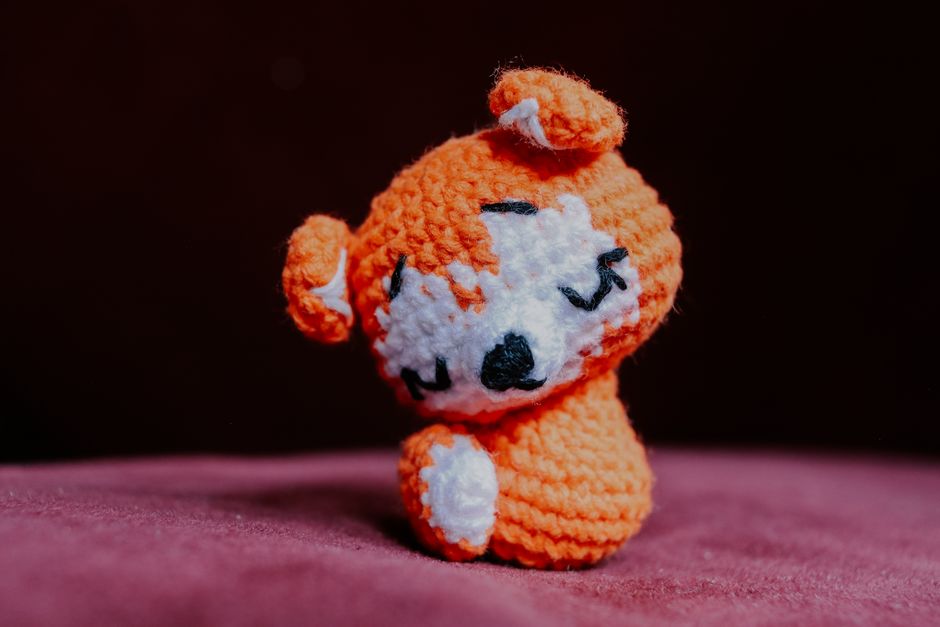
- Novelty yarn for detailed faces. Eyebrows, noses, and shaping vanish in fuzzy yarn.
- Too light of a yarn for tiny limbs. Thin yarn can make arms and legs look flimsy unless your tension is perfect.
- Not matching hook size to stuffing coverage. Label hook size is for garments, not tight amigurumi fabric.
- Unplanned color changes. Some yarns have harsh color jumps or uneven dye, which can look messy in small rounds.
- Choosing "soft" but weak yarn for assembly. If it splits easily, seams will be frustrating and less durable.
If your goal is to sell patterns, remember this: your customers will use different brands. Write patterns that succeed across yarn types, or tell them exactly what yarn characteristics to match (smooth, plush, cotton blend, and so on).
What We'd Pick Most Often (If You Want One Default)
If you want a reliable starting point, we typically design detailed amigurumi in a smooth, plied yarn first. It shows the shaping clearly, and it's easier to count and replicate.
Then we test a plush version only if the design still reads well with softer stitch detail.
That approach saves time and makes your pattern photos sharper, which helps sales.
If you want help choosing yarn for a specific animal style, or you're building a lineup of patterns that share a consistent look, browse our patterns and process at https://artncraftartncraft.art.