Crocheting Tips for Beginners: Master Advanced Crochet Techniques, Top Yarn Picks, and Patterns to Buy
I dropped my hook behind the couch, grabbed a spare, and still finished an intricate cable swatch before my tea cooled. That little sprint taught me something. Speed and polish do not come from fancy tools alone. They grow from repeatable habits, smart yarn choices, and patterns that push you one notch beyond comfy. If you crave that feeling too, keep reading. I will blend Crocheting Tips for Beginners with clear steps that lift you into advanced territory.
Crocheting Tips for Beginners That Unlock Advanced Skill
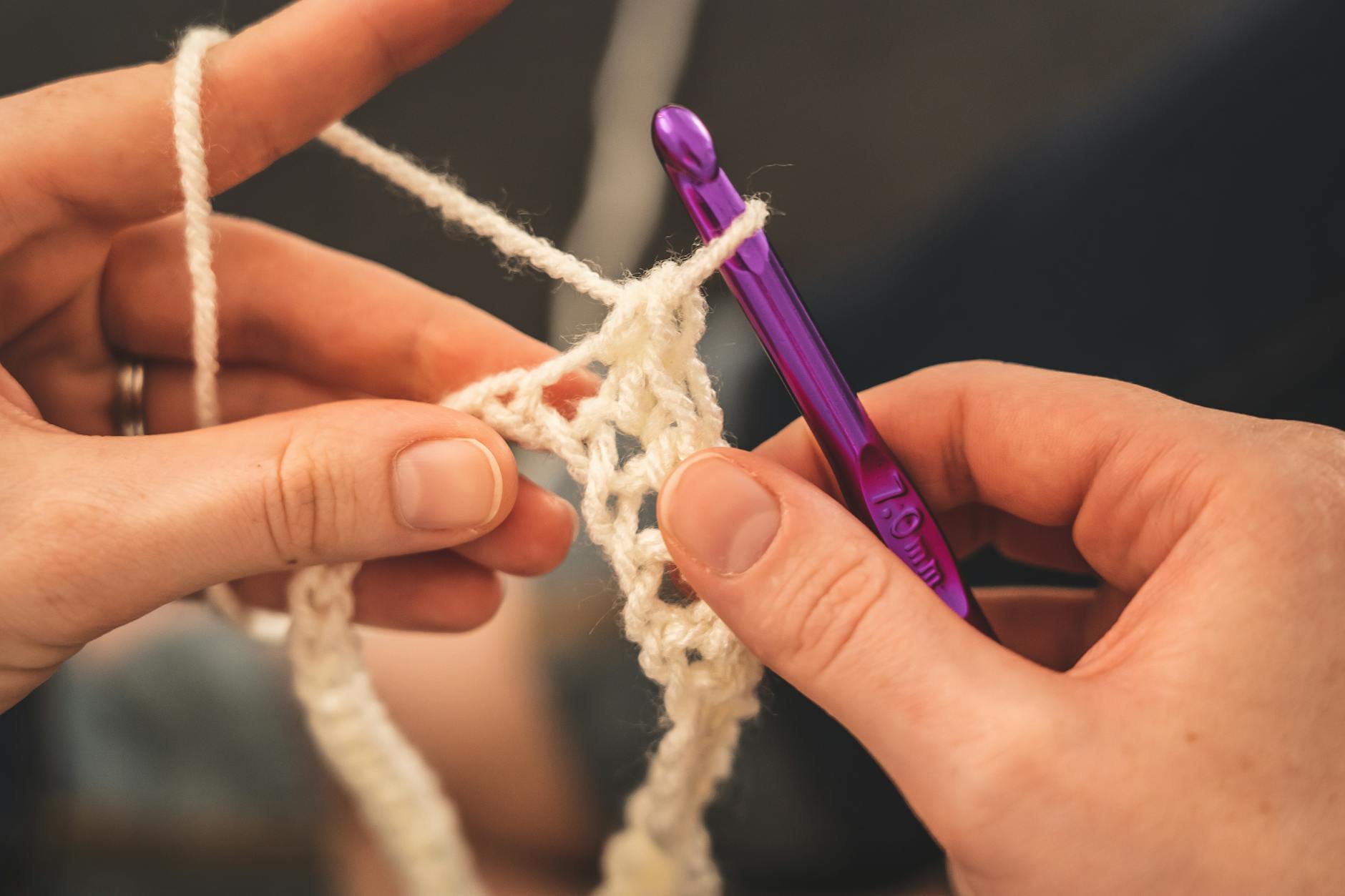
Your advanced journey starts with simple choices you make on every stitch. Consistent tension, even edges, and clean joins are the base of showpiece work. If your loops wander, fancy lace will, too. So keep your hands relaxed and your yarn path steady. Treat yarn like water in a hose. Gentle, even pressure makes it flow right.
I always tell students that clean edges turn a good project into a great one. Tighten the last loop of each row a touch. Skip knotty joins. Use a standing stitch or an invisible join so your edges match the field. These are Crocheting Tips for Beginners, yet they unlock advanced results fast. Your eye will spot better symmetry, and your gauge will stay honest.
- Warm up with ten single crochets before any session.
- Sit tall with shoulders down and elbows light.
- Guide yarn over your index finger the same way each time.
- Count stitches out loud on key rows to build rhythm.
- End sessions by weaving two tails, not one, for tidy practice.
Advanced Crochet Techniques Explained Simply
Advanced crochet looks tricky, but it is just a stack of familiar moves in new places. Think of post stitches as single crochets that hug a stitch body. Think of linked stitches as cousins who hold hands to remove gaps. I want you to see the pattern under the polish. That way, hard charts turn into repeatable steps you already know.

Focus on techniques that give maximum payoff. Foundation stitches replace chains and remove tight edges. Third loop work adds ready made ridges without extra parts. Post cables lean forward by crossing stitches in planned order. Tapestry crochet keeps two colors in the row so images stay crisp. Tunisian builds dense fabric with a woven look. Once you learn the logic, you can mix and match for texture you can feel.
- Foundation stitches: make first row fast and stretchy, great for garments.
- Linked stitches: reduce gaps for smooth fabric in bags and sweaters.
- Front and back post stitches: form ribs, cables, and raised grids.
- Working into the third loop: adds subtle texture on half double crochet.
- Tapestry crochet: carry color to draw clean shapes and letters.
- Tunisian simple and knit stitches: create flat, warm panels for coats.
Top Yarn Picks for Texture, Drape, and Speed
The right yarn makes advanced stitches pop. Twist, fiber, and weight shape every loop. A smooth, medium twist yarn shows cables and lace clearly. Soft halo, like alpaca, blurs lines but adds glow. Cotton holds crisp shapes and blocks flat. Superwash merino springs back and glides on the hook. Match the yarn to the stitch story you want.
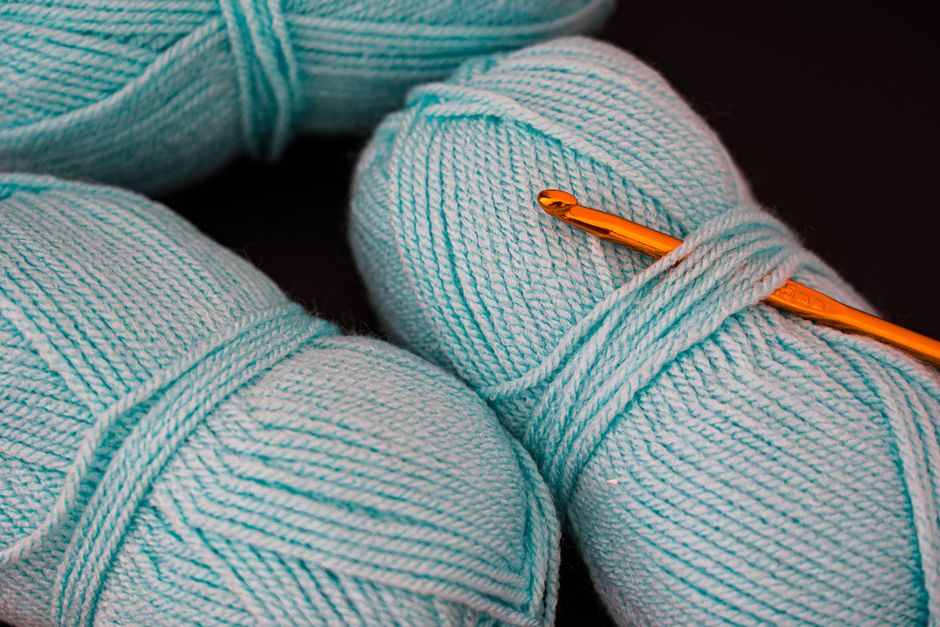
If you need a quick win, try worsted weight with a 5 millimeter hook. That pair shows texture and grows fast. For airy lace, reach for fingering or sport weight. Linen blends bloom after washing and drape like water. Check standards from the Craft Yarn Council to compare weights across brands. Want safer dyes and softer wearables? Look for labels like OEKO-TEX.
- Superwash merino, worsted: springy texture, great stitch detail for cables.
- Cotton, DK: crisp edges for mosaic and tapestry charts.
- Linen blend, sport: cool drape, perfect for summer lace tops.
- Alpaca blend, aran: soft halo for cozy cowls and shawls.
- Bamboo blend, DK: sleek shine for elegant drape and smooth slides.
- High twist sock yarn: razor sharp lace and borders that block well.
For tools, match smooth metal hooks to grabby fibers, and grippy hooks to slick yarns. If you need a gear refresh, explore Crochet Supplies and Materials for a complete checklist and smart upgrades.
Patterns to Buy Now for Skill Growth
A good pattern is a coach in your bag. It guides your hands, sets pace, and teaches tiny lessons that stack up. Start with patterns that blend familiar stitches and one new move. Add columns or simple charts, then step into cables or two color work. If a pattern explains the why behind steps, that is gold. You will keep the skill, not just the finished piece.

I design patterns to grow skills in gentle jumps. Short repeats train rhythm fast. Clear stitch counts guard your focus. Big photos show where the hook goes, not just what it should look like. Below is a smart path. Buy the next pattern only when the last one feels easy, not before.
- Textured washcloth, worsted: learn front and back post ribs.
- Slouch hat, aran: practice foundation stitches and neat joins.
- Mosaic pillow, DK: follow a chart with two colors per round.
- Cable scarf, worsted: cross post stitches for raised braids.
- Tapestry tote, DK: manage floats and sharp corners.
- Lace shawl, fingering: master chart repeats and blocking.
Step-By-Step Swatch, Block, and Test
Swatching is not homework. It is your shortcut. A ten minute swatch can save three hours of guessing. It tells you if the yarn choice honors your stitches. It guards size, drape, and wear. The block step opens lace and sets cables. Once blocked, your fabric stops fighting you and starts laying flat. Even simple motifs look cleaner after a gentle steam or wet block. You can read more about blocking methods at Interweave.
Keep a small notebook or phone note for every swatch. Jot hook size, yarn weight, and rows per inch. Take a photo with the hook in frame for scale. Note how the fabric changes after washing. Advanced work needs repeatable settings. Your notes will be your map later.
- Chain loosely or use foundation stitches to start the swatch.
- Work past the pattern repeat by at least two repeats.
- Measure stitch and row gauge before blocking.
- Wet block or steam block as the fiber allows.
- Let the swatch dry fully before re measuring.
- Compare to pattern gauge and adjust hook size.
FAQ Your Crochet Questions Answered
You asked for clear answers that blend basics with big skills. This FAQ ties both ends together. I will keep things short, friendly, and real. If you want a deep dive on tools, visit the supplies article linked above. If you want patterns that teach while you stitch, my shop is packed with guided projects designed by me, a lifelong crochet nerd who tests every row.
Do Crocheting Tips for Beginners Still Matter at Advanced Levels?
Yes, they matter even more. Smooth tension, clean edges, and even fabric make a perfect base. Advanced stitches stack on that base. If the base wobbles, cables tilt and lace skews. Keep a quick warm up, count key rows, and use tidy joins. These small habits protect your fancy work.
Which Hook Materials Work Best for Speed and Control?
Match the hook to the yarn. Metal hooks glide best with wool and blends. Wood or bamboo slow slick fibers like bamboo or silk. Ergonomic handles help wrists on long sessions. Keep two sizes handy to adjust gauge mid project. Swatch each combo for five minutes and choose the one that feels natural.
How Do I Choose Yarn for Cables Versus Lace?
For cables, pick smooth yarn with a medium to high twist. Worsted or aran weights display the ridges well. For lace, aim for fingering or sport weight with good block memory. Superwash merino and high twist sock yarn show crisp holes and borders. Avoid heavy halo for complex charts, since fuzz hides the line.
What Patterns Should I Buy First If I Am New to Advanced Moves?
Pick a textured washcloth to learn post stitches. Then try a simple hat with foundation stitches and tidy joins. Move to a mosaic pillow for chart practice. Cables on a scarf come next. Finish with a small lace shawl. Each step adds one new idea without stress. You get wins fast and skills that stick.
Wrap up by choosing one yarn and one pattern today. Then make a warm up swatch, block it, and start with confidence. If you want guided, photo rich patterns designed for growth, explore my shop and grab a project that excites you. I am here to help if you get stuck, and I answer every message.