
Unique Crochet Gifts: Patterns for Complex Designs to Sell
A "cute" crochet item is easy to copy. A memorable one is harder, and that's the point.
If you want unique crochet gifts that people actually pay for, complex designs are your friend. Not because they're fussy, but because they create details buyers can feel right away: shaping that looks real, clean color changes, crisp texture, and a finish that doesn't scream "homemade in a bad way." This guide is a step-by-step way to pick patterns that sell, build them efficiently, and price them without underpaying yourself.
Step 1: Choose Complex Designs That Buyers Notice (Not Just Makers)
Complexity only helps you sell if it shows in the finished gift. Some "advanced" patterns are advanced in a boring way, like endless counting with no visible payoff. We aim for "visible complexity," meaning the buyer can spot the difference from across the room.
Here are design features that read as premium in real life:
- Real shaping (snouts, cheeks, paw pads, bellies, joints)
- Surface texture (bobble stitches, front post stitches, crocodile stitch used sparingly)
- Clean colorwork (intarsia or well-managed tapestry crochet with neat edges)
- Mixed materials (safety eyes plus embroidered details, felt accents, wire-free posing using shaping)
- Small-scale realism (ears that stand, wings that curve, faces that sit centered)
Avoid "invisible difficulty" if you're selling gifts.
- Giant blankets with complicated stitch repeats take forever, but many buyers don't see why they cost more.
- Ultra-thin thread lace can be stunning, but it's harder to gift unless framed or used as décor.
A strong sweet spot for selling is advanced stuffed animals and character-style plush with lots of shaping. The gift buyer immediately gets it.
If you want stuffed-toy complexity ideas, our pattern deep-dives help: how to crochet complex patterns for realistic stuffed animals.
Step 2: Match Pattern Complexity to Your Selling Goals (Decision Framework)
If you're selling, you're not only choosing a pattern. You're choosing a business model for your time.

Use this quick decision framework:
Choose "High Detail, Fewer Sales" Patterns If...
You want premium pricing and don't want to crank out volume.
Good fits:
- Realistic animal plush (layered shaping, multiple pieces, sculpted faces)
- Big statement plush (large body parts, detailed features, poseable-looking shaping)
- Heirloom-style gifts (keepsake teddy, nursery animal with custom colors)
Trade-off: You'll spend more time on finishing. Sewing and face placement become the whole game.
Choose "Moderate Detail, More Sales" Patterns If...
You want repeatable products that still look special.
Good fits:
- One-piece or low-sew plush with bold texture
- Two-color designs with clean, simple color breaks
- Simple body shapes with detailed faces (embroidery carries the personality)
Trade-off: More competition. Your photos and your finishing have to be extra clean.
Choose "Pattern Sales First" Designs If...
You sell patterns (like we do) and want designs other crocheters will love making.
Good fits:
- Patterns with teachable techniques (short rows, shaping, colorwork, interesting joins)
- Clear, modular parts (head style A, head style B, accessory options)
- Multiple sizes from the same stitch counts (small, medium, large)
Trade-off: You'll need very clear instructions and testing. A pattern can't rely on "you'll figure it out."
This step saves you from choosing a project that is impressive but miserable to reproduce.
Step 3: Build Unique Crochet Gifts with a Repeatable "Complex" Workflow
Complex designs sell when they look intentional. The fastest way to lose that premium feel is sloppy joining, wobbly shaping, or faces that sit slightly off.
Here's the workflow we use to keep complex pieces consistent, even across repeats.
- Swatch for density, not gauge. For plush, tight stitches matter more than matching the pattern's exact size. Your goal is no stuffing showing through. If you see gaps, go down a hook size.
- Mark key symmetry points. Use stitch markers for center front, eye line, and the start of round. This keeps faces from drifting.
- Stuff in layers. Add a little stuffing early, then again near closing. Overstuffing at the end makes lumps.
- Pin before you sew. Always pin limbs, ears, and snouts first. Walk away for 2 minutes, then check again. Fresh eyes catch crooked placement.
- Finish edges on purpose. Invisible decreases, consistent tension, and tidy color-change jogs (the "step" you get in stripes) make the difference.
Non-obvious tip that helps a lot in complex plush: plan your "face geometry" before stitching it in.
- Set the eyes first.
- Then sculpt the face (if you use needle sculpting) or add the snout.
- Add embroidery last.
If you embroider first, you'll usually distort it later when you sew pieces on.
Step 4: Worked Example, Turning a Complex Plush Into a Sellable Gift Listing
Let's build a concrete example, because "price for your time" is not enough advice.

The Design
You pick a detailed stuffed animal pattern with:
- A head with separate muzzle
- Four limbs
- Two ears
- A tail
- Two accent colors and embroidered details
This is complex enough to stand out, but still repeatable.
The Make Plan (so You Don't Drown in Pieces)
Batch the parts in a way that protects your momentum:
- Crochet all small parts first (ears, tail, muzzle).
- Crochet limbs next, making pairs back-to-back to match tension.
- Crochet head and body last, since those show your stitch quality the most.
- Do a "pin check" session with all parts laid out.
- Sew, then embroider, then add any accessories.
This order reduces the classic problem where you finish the body, then lose steam halfway through sewing.
The Listing Angle (What You Highlight)
Buyers don't care that you used "invisible decreases." They care about what the gift feels like.
In your product description, lead with visible outcomes:
- Size in simple terms (fits in two hands, sits on a shelf)
- Texture (squishy, firm, velvety yarn, plush feel)
- Personality details (expressive face, floppy ears, tiny paws)
- Gift moment (baby shower décor, birthday keepsake, desk buddy)
Pricing Without Guessing
A practical way to price complex crochet gifts is to separate your costs into three buckets:
- Materials (yarn, eyes, stuffing, packaging)
- Time (your making hours)
- Complexity buffer (extra for sewing, design difficulty, customization)
We can't pick your exact numbers, but here's the sanity check we use: if the final price feels "high," look at your hours. Complex plush can take longer than you think because finishing is half the work.
If you're selling the pattern, not the finished gift, your pricing thinking changes. Then you price for:
- Instruction clarity
- Technique value (what the maker learns)
- Bonus options (alternate ears, accessories, sizes)
If your focus is pattern selling for advanced plush, this pairs well with buying custom crochet patterns for stuffed animals.
Step 5: Common "Complex Gift" Mistakes That Break Sales (and How to Fix Them)
Complex designs fail in the details. Here are the issues we see most often, plus fixes you can apply right away.
Faces Look "Off" Even When Your Stitches Are Great
This is usually symmetry and placement.
Fix:
- Mark the center line of the face with a stitch marker.
- Place eyes with pins first, then take a photo. Photos show asymmetry fast.
- Keep eye spacing consistent across your product line so your shop looks cohesive.
Stuffing Shows Through
This screams "not gift quality."
Fix:
- Go down a hook size.
- Switch to a yarn with better coverage (some smooth cottons show gaps more).
- Use a stuffing color that matches the yarn if you can't change anything else.
Pieces Flop When They Should Stand
Ears, wings, and tails can collapse depending on yarn and tension.
Fix:
- Add structure with stitch choice (single crochet is firmer than double crochet).
- Crochet ears with a slightly smaller hook.
- Use shaping and strategic stuffing rather than adding unsafe support.
Your "Advanced" Design Takes Too Long to Repeat
You can love a pattern and still decide it's not a product.
Fix:
- Remove one complicated step (like tiny appliqués) and replace it with embroidery.
- Offer "deluxe" and "simple" versions, same base pattern.
- Standardize colors to reduce yarn changes and ends to weave.
Step 6: Make Complex Designs Feel Truly Unique (Without Custom Orders)
Custom orders can be great, but they can also eat your schedule. You can still offer unique crochet gifts with controlled options.
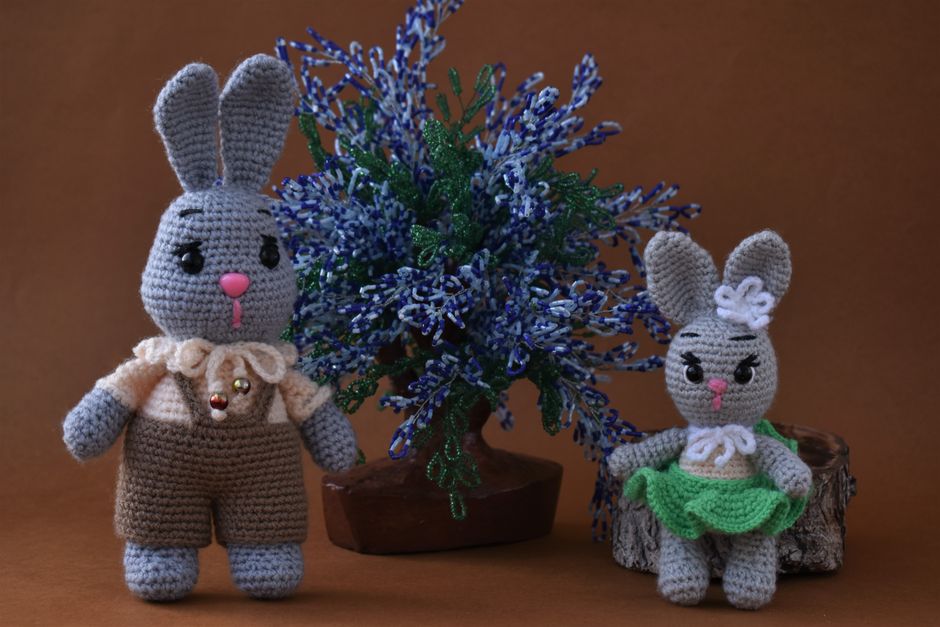
Try "limited variation" choices that don't change your whole build:
- Colorways (3 to 5 curated palettes)
- Eye style options (safety eyes vs embroidered eyes for little kids, if appropriate)
- One accessory choice (bow, scarf, tiny hat)
- Name tag or short embroidered initial
The key is to keep your pattern base the same so your time stays predictable.
Closing: Complex Crochet That Sells Is Mostly Planning and Finishing
Complex patterns are a shortcut to standing out, but the real sales engine is consistency. Choose designs where the difficulty shows, build them with a repeatable workflow, and price like finishing time counts, because it does.
If you want more advanced plush ideas that lean into detail and personality, start with advanced stuffed animals to try with unique patterns. And if you're ever stuck on a technique, we build our patterns to teach as they go, not just hand you stitch counts.