How to Crochet Unique Patterns: Advanced Stuffed Animals to Try
Ever finish a plush and think it looks like every other one on your feed? If you want results that feel original, here is How to Crochet Unique Patterns that transform your stuffed animals from cute to "how did you make that." We will solve common problems, apply pro techniques, and map out a repeatable system so your next creature is unmistakably yours.
How to Crochet Unique Patterns for Stuffed Animals
Most crocheters hit the same wall, the shape is fine, the seams behave, but the animal looks generic. The fix is not more hours, it is a better plan. Start with a design outcome, like a sleepy fox with lotus petal scales, and reverse engineer the build. This section breaks down the choices that carry the most visual weight, so your plan survives the yarn basket.
Your plan should define silhouette, texture zones, and face expression before you ever chain one. Think in modules you can test fast, like a head cone, ear wedge, or tail fin. Write short notes as if you are making a recipe, because patterns are recipes. A few smart constraints, like a single hook size and a locked gauge, will keep your math clean, your joins tidy, and your look consistent.
- Pick a hero feature that makes the plush unique, like frill gills or gradient belly scales.
- Choose a base body shape, sphere, pear, cylinder, or bean, to anchor proportions.
- Set gauge and hook once, then lock it, so parts fit without surprise.
- Assign textures to zones, smooth for face, bold for back, plush on belly.
- Sketch stitch counts in rings, then add increases where you need width.
- Prototype the head first, since it carries most of the personality.
Problem: Flat Shapes, Solution: 3D Sculpting Stitches
If your stuffed animals feel a bit flat, your shaping tools might be doing the bare minimum. The classic single crochet spiral works, but you will need precision shaping to carve cheeks, snouts, brows, and paw pads. Invisible decreases, planned short rows, and strategic stitch placement turn a basic ball into a character with depth. Small changes, even two short rows placed under the eye line, can create natural cheek volume.
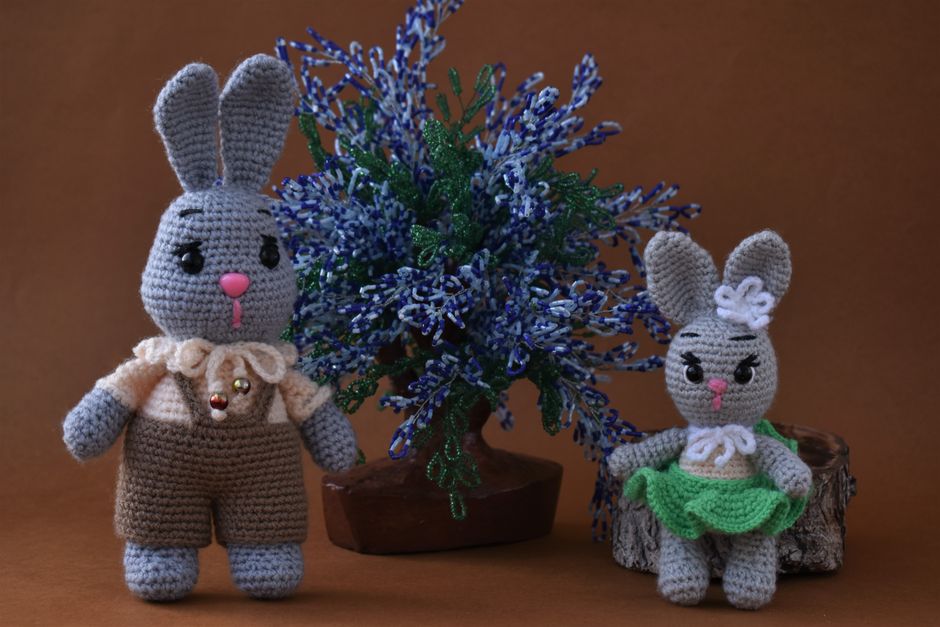
Focus on clean stitch anatomy. For amigurumi, many pros use yarn under single crochet for a tighter, smoother fabric. Combine front loop only increases for soft edges and back loop only decreases to tuck in shaping without bulky ridges. Use stitch markers to track quarter points, it keeps increases even and prevents lopsided heads. If your fabric still ripples, move an increase by two stitches in the next round to stagger tension.
- Invisible decrease (insert in front loops of next two stitches, then pull through) for lump free shaping
- Short rows with single crochets to raise one side for muzzles, foreheads, or haunches
- Front post and back post singles to create brow ridges and paw knuckles
- Half double crochet turns to round out haunches without sharp corners
- Back loop only rounds to define neck breaks and gentle waistlines
Test the silhouette under soft light and tilt the head in your hand. If a shadow forms under the eye, you have depth. No shadow means add one more short row or move the cheek increases one round higher. This is where a unique stuffed animal starts to look alive.
Problem: Boring Textures, Solution: High-Impact Surface Techniques
Texture separates a shelf plush from a showstopper. If everything is single crochet, your surface reads flat from five feet away. Layering a few bold stitches in small doses adds rhythm without chaos. Place texture where your eye should rest, like a spine, a belly panel, or between ear bases. Keep faces smooth so features stay readable and seams disappear in photos.
Plan for density shifts as you move around the body. Add lofty stitches like loop stitch on the belly or tail tip, and denser motifs like tapestry colorwork in a saddle patch. You can even stitch over finished fabric using surface slip stitch to draw spirals or veins that never warp the base shape. Small zones of texture feel intentional and help your plush photograph like a boutique piece.
- Loop stitch for faux fur, trim as you like for tidy fluff
- Bobbles and popcorns to create raised spots, scales, or freckles
- Crocodile stitch in strips for dragon backs or fish fins
- Tapestry crochet for crisp motifs, carry yarns to keep the interior neat
- Surface slip stitch to outline noses, eyelids, or shell lines
Balance bold and calm. If you add crocodile stitch on the back, counter it with a smooth belly panel so the eye has a place to rest. For colorwork, limit to two shades in a zone to keep floats tidy and the fabric stable.
Problem: Same Faces, Solution: Expressive Features That Pop
A stuffed animal's soul lives in the face. If your animals look similar, lean into placement math and small finish details. Decide on an expression grid before you secure anything. Use the head height in rounds and head width in stitches to mark a rectangle where the eyes and nose live. Slight shifts, even two stitches closer together, can turn playful into wise.
Think safety and style together. In 2025, many makers leaned into embroidered eyes and felt patches for a soft, baby friendly look that prints well on camera. You can still use safety eyes for display items, but test every washer and backer on a swatch first. For squishy plush, large felt eyelids with satin stitched lashes read clean and are easy to repair if a stitch snags.
- Place eyes at 45 to 55 percent of head height for youthful looks
- Narrow the eye gap for serious or sleepy moods, widen for curious vibes
- Use a tiny triangle satin stitch nose, then outline with backstitch for definition
- Add cheek blushing with a soft yarn brushed in with a toothbrush
- Secure threads with weaver's knots and bury tails across at least 10 stitches
Review the U.S. toy small parts guidance before selling any item for children, especially under 3, and avoid removable pieces that can detach under stress. See the CPSC's toy safety education page for a clear overview of testing and labeling basics U.S. Consumer Product Safety Commission.
Problem: Unstable Fabric, Solution: Yarn and Gauge Choices
Unique looks fall apart if the base fabric stretches or pills. Tight, even gauge is non negotiable for stuffed animals. Most makers size down one or two hooks from the yarn label so stuffing cannot peek through. Lock in a tension you can hold for an hour, and swatch in the round, since flat swatches lie about amigurumi behavior. Once locked, never change hook mid project unless you redo the math.

Fiber matters. Cotton blends make crisp stitches and hold embroidery well. Wool springs back and gives life to limbs. Acrylic is budget friendly and washes easily. If your plush is for a baby, look for STANDARD 100 by OEKO TEX labels on yarns or felt, which test for harmful substances OEKO TEX. Match yarn weight to project scale and keep to one brand within a zone so sheen and stretch stay consistent.
- Size down to remove gaps, then stuff firmly in small layers
- Choose matte yarn for faces to reduce glare in photos
- Use high loft polyester fiberfill for bounce, add glass beads only for display items
- Reinforce heavy limbs with a strand of cotton thread held with the working yarn
- Reference the standard yarn weight system for predictable gauge ranges Craft Yarn Council
If you need help matching fiber to behavior, read how to choose crochet yarn types or browse substitutions on YarnSub to find close matches by texture, weight, and feel YarnSub.
Problem: Random Mistakes, Solution: Pattern Math and Notation
One secret to How to Crochet Unique Patterns that scale and sell is clean math. Start with circles that grow at six evenly spaced increases per round. Swap to ovals by pairing increases at the short ends. For tapered muzzles, decrease every third stitch in alternating rounds to keep lines smooth. Record every change while you work, since memory lies the moment you weave the last tail.
Use a simple notation style. Mark rounds with stitch counts, like R8, 48 sc. Add notes in parentheses for special moves. Track color changes by stitch number, not just round breaks, especially in tapestry sections. When you write for others, list hook, yarn, and gauge at the top, then include a photo of the part before assembly so testers can check shape early.
- Map your silhouette in rings, then set goals for width and height in rounds
- Plan increase placement with quarter point markers for even growth
- Convert goals to stitch counts per round, then note any short row rows
- Add texture calls, like "R12, add 6 bobbles evenly" to lock spacing
- List assembly order, pin points, and stuffing checkpoints by part
If pattern reading slows you down, revisit abbreviations, repeats, and shaping keys in how to read crochet patterns. Consistent terms help you check work quickly and reduce ripping back.
How to Crochet Unique Patterns Test Lab: Prototyping Workflow
You can plan forever, or you can make a fast test plush and learn in an afternoon. A lean prototype exposes weak seams, odd angles, and feature drift before you invest in premium yarn. Use a medium acrylic in a light color, since stitches are easier to count and rip. Keep a notebook open, and write what you actually did, even if it breaks your plan.
Treat the head as your anchor. Once the face works, match body scale to it using height in rounds, not just eyeballing. Photograph each part in bright light on a plain background. The camera shows lumps your eyes miss. Refine one zone at a time, then freeze the change in your notes so it carries to the final piece.
- Prototype the head and face with test yarn and oversized safety eyes or felt dots
- Check proportions with a quick body tube, then adjust head width or neck break
- Add one texture zone and confirm it reads from five feet away
- Assemble with long basting tails, take photos, then mark every pin position
- Rewrite steps cleanly, then make the real version in final yarns
If your original yarn is out of stock, search close substitutes by structure and gauge. This keeps your pattern accessible to buyers in different regions and reduces support emails later.
Care, Safety, and Selling Considerations
Finishing choices affect how your stuffed animals wear over time. Bury tails in long diagonal paths so they resist tugging. Close openings with ladder stitch for a smooth seam that disappears under a light brush. If gifting to a baby, avoid buttons and glued pieces. Embroidered or felt features are easier to inspect and maintain.

Selling brings extra steps. Label fiber content and care, and include a quick card with wash instructions. For public listings, include size, materials, and a clear age note. Review domestic safety guidance if you plan to market as a toy. You can keep it simple and sell as decor, then list safety eyes as display only, which many makers prefer for peace of mind.
- Add care tags, machine wash cold for acrylic, hand wash for wool blends
- Steam block lightly to relax seams, avoid direct iron on acrylic
- Use fabric glue sparingly, sewing beats glue for long term strength
- Photograph on neutral backgrounds with a coin or hand for scale
If you want a head start with pro grade builds, browse my advanced designs and kits in Buy Unique Crochet Patterns Online. Use them as learning blueprints, then remix confidently.
FAQ Advanced Crochet for Unique Stuffed Animals
What Hook Size Works Best for Amigurumi and Plush?
Use a hook one to two sizes smaller than the yarn label suggests. The goal is a tight fabric that hides stuffing and holds embroidered details. For worsted weight, a 3.25 to 3.75 mm hook often gives a dense, neat look. Swatch in the round, then squeeze. If you can see white fiber, size down.
How Do I Keep Limbs From Sagging Over Time?
Stuff in layers, packing firmly toward the seam, and use a small amount of cotton thread held with your working yarn to reduce stretch in stress points. Ladder stitch the opening for extra strength. Consider a light internal cord for large, heavy limbs made with plush yarn. Avoid wire if the toy will be handled by children.
What Are Safe Alternatives to Plastic Safety Eyes?
Embroidery with satin stitch, felt patches sewn on all edges, or crochet circles secured through the head are great choices. They photograph beautifully and remove the small parts risk. Always tug test after attaching any feature, and review the CPSC toy safety overview for guidance on small parts and labeling U.S. Consumer Product Safety Commission.
How Do I Design My Own Animal Without Getting Lost?
Start with one hero feature, then pick a simple base body. Write a short checklist that locks gauge, increase pattern, and face grid before you begin. Build and test the head, then match the body to it. Keep notes clean as if you will publish. This system is How to Crochet Unique Patterns on repeat without guesswork.
Where Can I Learn More About Yarn Choices?
Study fiber behavior, stretch, and care. The standard yarn weight chart gives predictable gauge targets Craft Yarn Council. For sensitive skin gifts, look for STANDARD 100 by OEKO TEX labels OEKO TEX. You can also browse yarn substitution tips at YarnSub YarnSub.
Wrap up: Your Next Signature Plush Starts Today
Your pattern becomes unique the moment you choose a hero feature, lock gauge, and sculpt with intent. Use shaping to add depth, texture to add rhythm, and precise placement for expression. Keep notes as if you will teach someone else. That mindset is the real key to How to Crochet Unique Patterns that stand out and repeat cleanly. Ready for a shortcut and some inspiration samples? Explore my premium patterns and stitch maps in Buy Crochet Patterns for Advanced Techniques, then remix them into your own signature creatures.