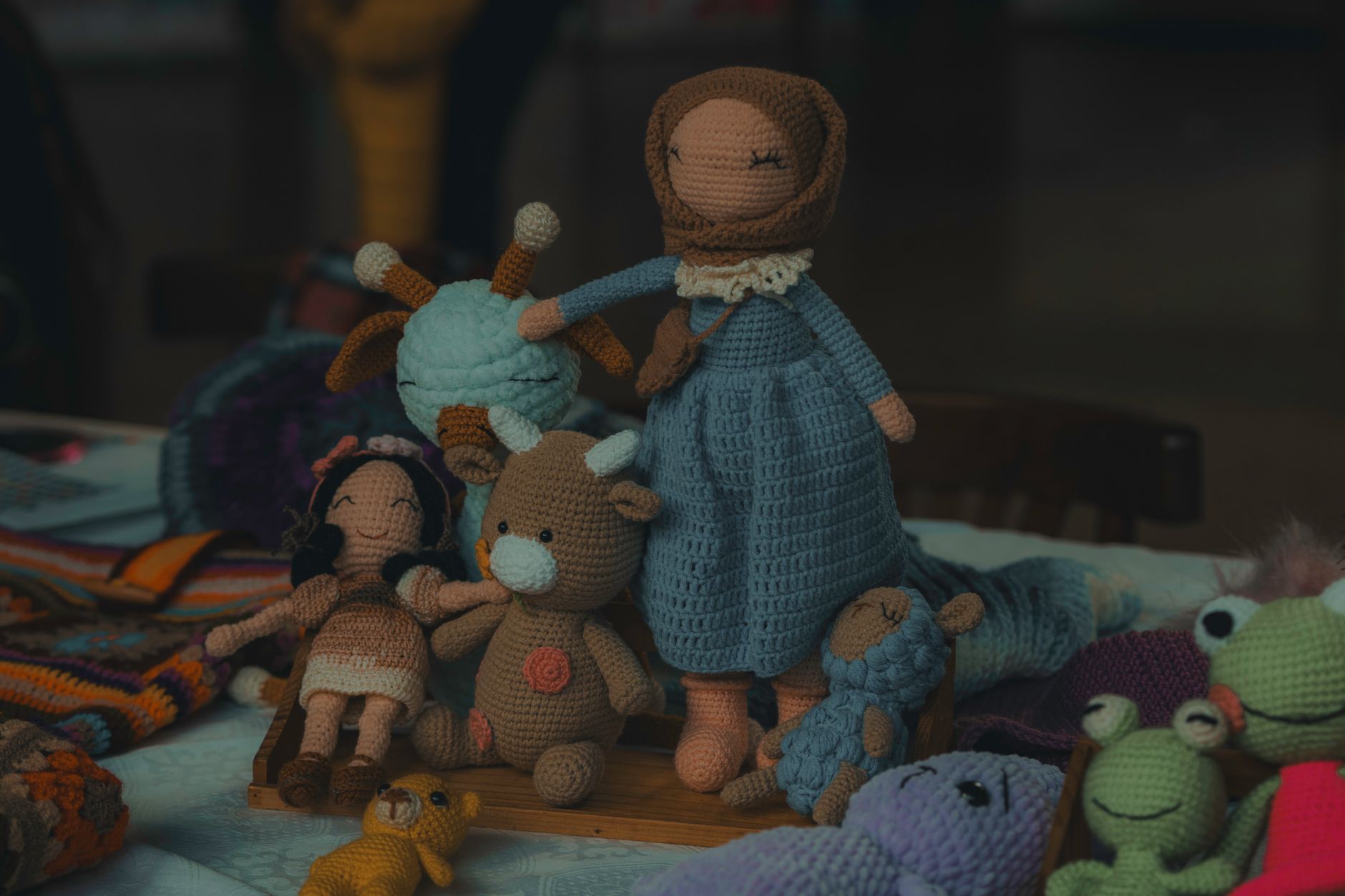
How to Crochet Complex Designs: Stuffed Animal Patterns for Sale
"Most 'hard' crochet patterns aren't hard, they're just a stack of small skills." That's the truth I tell people who want to sell premium plushies. If you're searching How to Crochet Complex Designs, you're probably stuck at the same spot: your stuffed animals look cute, but not "wow, I'd pay $35 for that" cute. This guide shows you how to level up fast with shaping, clean color changes, and pro finishing, plus how to prep complex stuffed animal patterns for sale.
Read a Complex Pattern Like a Designer (Not a Follower)
Complex stuffed animal patterns feel confusing because the hardest parts are hidden inside the shorthand. A single line can contain shaping, symmetry, and "future you" assembly clues. The fix is learning to read the pattern like you wrote it. That mindset shift is a huge part of How to Crochet Complex Designs.
Start by printing or copying the pattern into a notes app. Mark every place the shape changes. Look for increases (adding stitches) and decreases (removing stitches). These are the "bones" of the plush. Then highlight any instruction that repeats, because repeats are where errors sneak in.
Before you crochet a single stitch, preview these pattern signals:
- Stitch count at the end of every round (it's your built-in error detector)
- Any "work even" rounds (they lock in a shape before the next change)
- Color changes and stitch markers (they show where facial features and limbs will line up)
- Special stitches like bobbles, picots, or post stitches (they add texture and realism)
After you do that scan, make a quick "map" of the plush. Write a one-line goal for each part, like "Head: round to oval," "Body: pear shape," "Legs: tapered," "Ears: flat then folded." This simple preview makes the whole pattern feel smaller.
If you want extra practice reading complex instructions, compare your notes to a dedicated guide like How to Crochet Intricate Patterns. Seeing how other designers explain the same ideas will sharpen your eye.
Use Shaping Tricks That Make Plushies Look Premium
The difference between a beginner plush and a sellable plush is usually shaping. Shaping is also where most people quit. Good news, you don't need "secret techniques." You need repeatable rules.
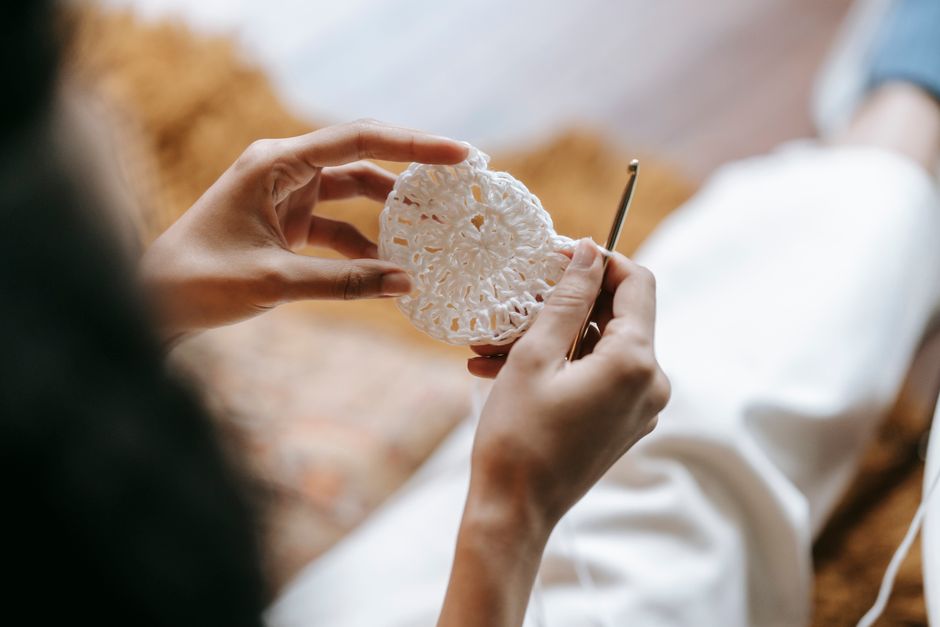
For stuffed animals, shaping is mostly controlled increases and decreases. If you space increases evenly, you get a smooth curve. If you stack them, you get corners and strong angles. The trick is choosing where you want soft and where you want sharp.
Follow this step-by-step approach to shape complex plush parts cleanly:
- Place a stitch marker at the start of every round, even if the pattern doesn't require it
- Count stitches at the end of every round, and write the count on paper
- Use invisible decrease (a decrease method that hides the seam) on amigurumi-style plushies
- Use yarn under (a method where you pull the yarn under the hook) if you want tighter, more "pixel clean" stitches
- Add one plain round after a heavy increase round to smooth out the curve
- Stuff in layers, not all at once, so the shape stays controlled
Stuffing is part of shaping, not the final step. If you overstuff early, the fabric stretches and your stitch definition gets messy. If you understuff, the plush collapses in photos. I like to stuff until it feels firm, then remove a tiny pinch, because stuffing expands as you close.
If your plush needs a flat bottom so it can sit, don't guess. Add a round or two of "work even" after you hit the widest circle, then begin decreases. That creates a gentle base, not a wobbly ball.
One more premium move is planned asymmetry. Real animals aren't perfect spheres. A slight snout bump, a gentle belly curve, or tapered paws can make the design look "designed," not just crocheted.
Choose Yarn, Hook, and Color Changes That Photograph Well
If you're selling patterns or finished plushies, your work must look good in photos. Yarn choice and stitch quality matter as much as the pattern itself. Even the best shaping won't save a fuzzy, stretched fabric that hides details.
For most complex stuffed animal patterns, you want a yarn that shows stitches clearly. Cotton and cotton blends are crisp, while acrylic can be soft and affordable. Plush yarn can sell well, but it hides errors and can make detailed shaping harder. You can explore options in Best Yarn Types for Crocheting if you want a deeper yarn breakdown.
Here are yarn and hook choices that support detailed work:
- Use a hook 0.5 to 1.5 mm smaller than the yarn label suggests, to reduce gaps
- Pick smooth yarn for faces and hands, so you can place eyes and embroider details cleanly
- Use heathered yarn sparingly, because it can blur stitch lines in photos
- Choose safety eyes sized to match head width (too small looks cheap, too big looks cartoonish)
Color changes are another make-or-break skill. Jagged stripes on a plush face can ruin the "cute factor." If the pattern calls for frequent color changes, plan them like a graphic designer. Try to change color at the back of the head, under the chin, or along a natural boundary like a muzzle line.
Use this simple process for neater color changes:
- Change color on the last yarn-over of the previous stitch
- Pull the new color snug, but don't choke the stitch
- Carry yarn only if the float (the strand behind) won't show through
- Cut and rejoin if the color jump is more than a few stitches on light yarn
For sellers, consistency matters. If you crochet a whole animal with tight stitches, then switch to looser tension on the legs, buyers notice. Keep a "pattern kit note" for yourself that lists the exact yarn brand, hook size, and eye size you used for your photos.
For safety and trust, review official guidance on child safety when selling toys. The U.S. Consumer Product Safety Commission has toy safety info and recall standards you should know: CPSC Toy Safety.
Build Sellable Stuffed Animal Patterns (Sizing, Testing, Pricing)
A complex pattern isn't sellable just because it's impressive. It becomes sellable when other crocheters can repeat your results. That means clear sizing, clean instructions, and real testing.

Start by deciding the "promise" of your pattern. Is it a realistic fox with poseable limbs, or a beginner-friendly dragon with big features? Complexity should support the promise. If the plush is meant to be advanced, lean into shaping and detail, but explain every step clearly.
Use these pattern-writing must-haves before you list it for sale:
- Materials list with exact yarn weight, grams, yards, and hook size
- Finished size in inches and centimeters, plus how size changes with different yarn
- Abbreviations list (define every shorthand you use)
- Stitch counts at the end of each round, even if it feels repetitive
- Photo callouts for tricky steps like eyelid shaping, toe placement, and assembly
Testing is non-negotiable. Run at least two testers if you can, and aim for different skill levels. You want to see where people get confused and where they make the same mistake. If both testers misread one line, that line is the problem, not the tester.
Pricing is where many creators underpay themselves. The time you spent designing, frogging (undoing stitches), and rewriting counts. One Etsy trend worth noting is that digital products are still strong in 2025 and 2026 because buyers want instant downloads and niche designs. Etsy's own marketplace reports highlight continued growth in digital categories and personalized items: Etsy Marketplace Insights.
A practical pricing approach is to compare similar patterns, then price based on:
- Detail level (simple sphere animals versus jointed, textured, or multi-color designs)
- Page count and photo count
- Support you offer (help messages, video clips, or extra size notes)
If you also sell finished plushies, remember that pattern buyers and plush buyers are different groups. Patterns sell your brain. Plushies sell your time.
For more ideas on what buyers expect, browse Buy Custom Crochet Patterns Online and note how listings describe skill level, materials, and usage rights.
Fix the Hard Parts: Faces, Limbs, and Assembly That Doesn't Look "Homemade"
Most "complex" stuffed animals are only complex in three places: the face, the limbs, and the assembly. If you master those, you'll feel confident about How to Crochet Complex Designs even when the pattern looks intimidating.
Faces are where your plush becomes a character. Small placement changes make big emotional differences. Keep your eyes on the same round whenever possible. If the pattern says "place eyes between rounds 10 and 11," do it, but also measure the spacing with a stitch count, not just your gut.
Use these face-finishing upgrades:
- Indent eyes with a strong thread to create a natural "socket" look
- Add a tiny white stitch highlight to make eyes look shiny in photos
- Embroider the nose with short, tight stitches so it doesn't snag
- Add felt only if it's securely attached and not meant for toddlers
Limbs often look messy because people attach them at different angles. Pin everything first. Use locking stitch markers or sewing pins, then step back and check symmetry before sewing. Take a photo with your phone. Photos reveal crooked placement better than your eyes in the moment.
Assembly should feel like sculpting. You're not just attaching parts, you're controlling posture. Angle the head slightly forward for a cute look. Offset the arms by one stitch to give movement. Flatten feet slightly so the plush sits.
If you sell finished items, also think about labeling and care instructions. Textile labeling rules can apply depending on where you live and what you sell. In the U.S., the FTC explains basic textile labeling guidance here: FTC Textile Rules.
Frequently Asked Questions
How Do I Know If a Pattern Is Truly "Complex" or Just Confusing?
A complex pattern uses multiple skills together, like shaping, colorwork, and detailed assembly, but it still reads clearly. A confusing pattern feels random, has missing stitch counts, and jumps steps without explaining them. If you can't predict the shape after reading the next five rounds, pause and make a sketch. That quick sketch often reveals whether the pattern is well-designed or just unclear.
What's the Best Way to Practice How to Crochet Complex Designs Without Wasting Yarn?
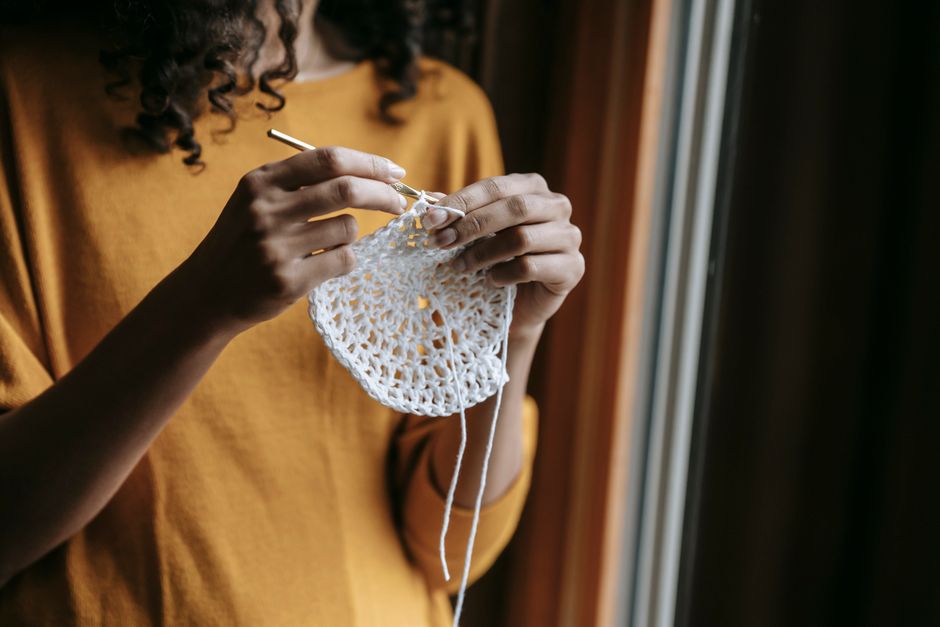
Make mini versions of the hardest parts. Crochet a tiny head with the same increase and decrease schedule. Practice one ear, one paw, or one color-change section. These "skill swatches" take 10 to 20 minutes and teach you more than finishing an entire plush with mistakes. Save your practice pieces as reference samples for future designs.
How Many Testers Do I Need Before Selling a Stuffed Animal Pattern?
Two is the bare minimum for an advanced pattern, and three to five is better if the design is very detailed. Try to include at least one tester who isn't afraid to tell you what's confusing. Ask testers to note how long each part took, and where they had to reread instructions. Those notes help you improve the pattern and reduce buyer messages later.
Can I Sell Finished Plushies Made From a Pattern I Bought?
It depends on the designer's terms. Many designers allow selling finished items in small batches, but some don't. Read the pattern's license and product description. If it's not clear, message the designer and keep the reply for your records. If you're selling your own designs, write clear terms in your listing so buyers know what's allowed.
What Makes Buyers Trust a Crochet Pattern Enough to Buy It?
Buyers look for clean photos, clear skill level, a materials list, and proof the pattern works. Stitch counts, progress photos, and tester credits help a lot. They also trust patterns that show the finished plush from multiple angles, including close-ups of the face and seams. If you include a short troubleshooting section, buyers feel supported, which leads to better reviews.
Your Next Steps: Turn Skill Into Sales
Complex plushies don't come from "talent." They come from a repeatable process: read the pattern like a designer, shape with intention, pick yarn that shows detail, and assemble like you're sculpting. If you practice those steps, How to Crochet Complex Designs stops being a mystery and starts being your advantage.
If you want to keep leveling up, build yourself a small "advanced plush routine." Choose one new skill each week, like eye indenting, cleaner color changes, or smoother decreases. Then apply it to one new pattern or one original design tweak.
If you'd like me to help you pick the right yarn and construction style for your next sellable stuffed animal, check out Crochet Yarn Types Explained and then come back to plan your next premium pattern listing on artncraftartncraft.art.