
Creative Crochet Patterns for Unique Gifts: Master Creative Crochet for Gift-Ready Makes and Sales Success
Micro-trends are moving faster than ever right now. One week it's "food plushies," the next it's "coquette bows," then it's "nostalgia keychains." If you sell finished crochet or patterns, that speed creates one big problem, you can waste days making something that looks cute but doesn't feel gift-worthy to buyers.
The fix isn't "make whatever is trending." It's choosing creative crochet patterns for unique gifts that have strong gifting signals (personal, useful, memorable) and are realistic to finish. Then you build small options into the pattern so the same base design can fit different people and price points.
What Makes a Crochet Pattern Feel Like a "Unique Gift" (Not Just Handmade)
In our experience, "unique gift" isn't about being complicated. It's about the receiver feeling seen. The pattern has to give you a clean way to personalize, plus a shape or function that makes sense in real life.
Here are the gifting signals we use when we design and choose patterns for our shop.
- One obvious personal hook: initials, a favorite colorway, a hobby detail (like a tiny paint palette for an artist), or a pet look-alike.
- A clear use case: desk buddy, bag charm, baby keepsake, cozy home item, stress toy, seasonal décor.
- A photo-friendly silhouette: bold shape, readable from far away, not a "flat blob" unless that's the joke.
- A clean finishing plan: edges, seams, and facial details that won't look messy under bright gift wrap lighting.
A pattern can be technically advanced and still not sell as a gift if it doesn't answer, "Who is this for?" early.
Choose the Right Pattern Fast: a Simple Decision Framework
Picking what to make can feel like scrolling forever. We use a quick framework that forces a decision based on time, buyer expectations, and how "giftable" the result will look.

Pick "Fast Personalization" Patterns If You Need Something Gift-Ready This Week
These are patterns where the base is simple, and the uniqueness comes from a small add-on.
Choose this path if you have limited time, or you're selling at a market and need repeatable stock.
Good pattern types:
- Mini plush or keychain with swappable accessories (hat, bow, tiny prop)
- Mug cozy with a name tag or stitched initial
- Simple beanie with a bold color-block "signature stripe"
- One-shape pouch, then personalize with a motif (heart, mushroom, star)
What makes them work for sales: you can batch the base pieces, then customize at the end. That keeps your time predictable.
Pick "Showpiece" Patterns If Your Buyer Wants a Statement Gift
These take longer, but they justify a higher price and often get shared online.
Choose this path if your audience buys fewer items, but is happy to pay more for something special.
Good pattern types:
- Detailed stuffed animals with shaping (muzzle, paws, defined limbs)
- Wearables with texture (cables, lace panels) where the stitch pattern is the star
- Home décor with structure (baskets, wall hangings) that holds its shape
The trade-off: showpieces need tighter quality control. If your stuffing, symmetry, or seams are off, it shows.
If you want a deep rabbit hole on lifelike plush structure, our guide to advanced crochet patterns for stuffed animals that look alive is built for that.
A Worked Example: Turn One Base Plush Into Three Gift Products (and Three Price Points)
Here's a concrete way we design for both gifting and sales without reinventing the wheel each time.
The Base Pattern: a Palm-Size "Buddy" Plush
Build a simple oval body with a flat base so it sits on a desk. Add tiny arms that are stitched in (fewer loose parts). Keep the face minimal so you can change the personality with small details.
From that one base, you can create three versions.
Version 1: the Quick Gift (Lowest Price)
Goal: fast, cute, still personal.
Changes:
- Embroider a small initial on the belly or back
- Add a single accessory (tiny bow or scarf)
- Use one main color plus one accent color
Why it sells: it looks customized without adding much time. It also works for coworkers, teachers, party favors, and "just because" gifting.
Version 2: the "This Is so Them" Gift (Mid Price)
Goal: match a person's identity or hobby.
Changes:
- Swap the accessory into a themed prop (camera, book, paintbrush, flower)
- Add one texture upgrade (bobble stitch cheeks, ribbed scarf)
- Use a curated palette (two-tone ombré or a strong contrast)
Why it sells: the prop tells a story in one glance. That's what people want when they're buying gifts.
Version 3: the Keepsake Gift (Highest Price)
Goal: collectible feel, "I'm keeping this forever."
Changes:
- Add shaping details (snout, cheeks, or defined feet)
- Add removable outfit pieces (tiny cardigan, hat, overalls)
- Add a small tag or label (even a simple sewn-in ribbon tag looks polished)
Why it sells: it feels like a character, not just a plush.
This approach is also pattern-friendly if you sell patterns. One listing can include optional upgrades, and buyers love "choose your difficulty."
Yarn, Texture, and Finishing Choices That Make Gifts Look Expensive
People can't always name why a crochet gift looks "high-end," but they notice. The difference is usually yarn choice, stitch clarity, and finishing.
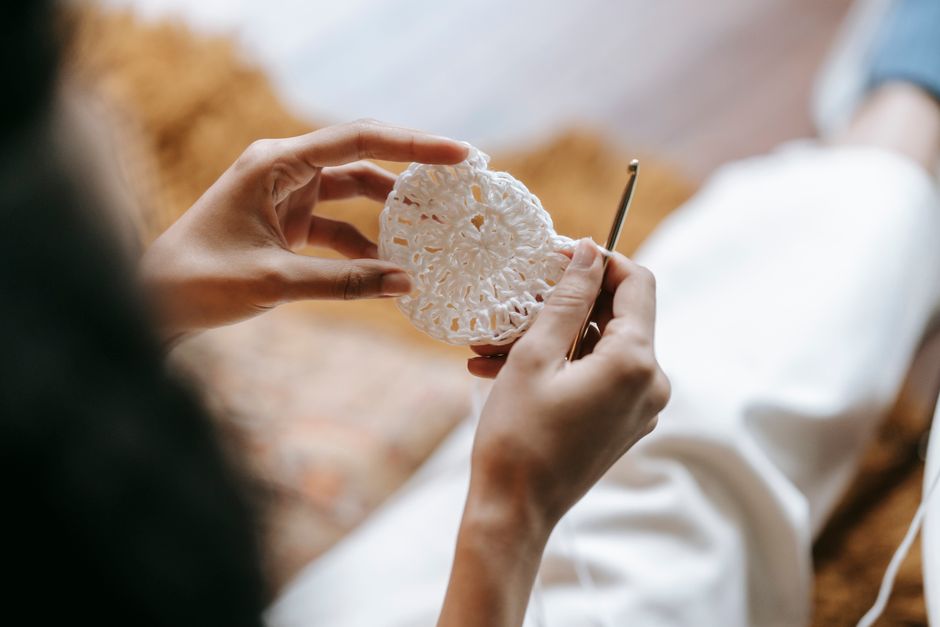
Yarn Choice: Match the Recipient, Not Your Stash
Soft and fuzzy yarn can be a comfort gift, but it hides stitches and makes details harder. Smooth yarn shows crisp shaping and tidy tension (how evenly your stitches pull).
A practical starting point:
- Plush toys: a smooth, durable yarn for clean faces, or chenille if you keep the shapes simple
- Wearables: soft yarn that won't itch, plus good drape (how the fabric hangs)
- Bags and baskets: sturdier yarn that holds shape
If you sell finished items or patterns, it also helps to know which fibers behave well for selling. Our yarn picker guide is here: best yarn for crochet patterns you can sell.
Texture and Color: Use Contrast on Purpose
A non-obvious trick that boosts gift appeal is "planned contrast." Put texture where you want the eye to go.
Examples:
- Smooth body, textured accessory (ribbed scarf, puff-stitch heart)
- Neutral base, one bold pop color (like bright cheeks or a tiny hat)
- Matte yarn for the main piece, shiny thread for one detail (a star, a tiny outline)
Finishing: the Part That Sells the Gift
Finishing is where most handmade gifts lose points. Give yourself a simple checklist.
- Weave in ends before you stuff, not after.
- Stuff in small pieces, then shape as you go (avoid lumpy "pillows").
- Place safety eyes or embroidered eyes with symmetry checks (pin first).
- Block (shape with water and drying) flat items so they look store-ready.
For tools and the small supplies that make finishing easier, see crochet supplies and materials for 2026 makers.
Selling What You Make: Product Photos, Options, and Pattern Design That Buyers Trust
Sales success usually comes from reducing buyer uncertainty. People want to know what they'll get, how big it is, and what makes it special.
For Finished Gifts: Offer "Personalization Without a Conversation"
Custom work can eat your time. The trick is offering a few clear choices that cover most buyers.
Use options like:
- Colorway A, B, or C (name them, don't just list colors)
- Add-on choices (bow, scarf, crown)
- Name or initials (with a character limit)
- Gift-ready add-on (tag, simple wrap) if you offer it
That way, you still control your workflow.
For Pattern Sales: Write for the Real Maker, Not the Perfect Maker
If you sell patterns like we do, your best reviews come from clarity.
Make sure your pattern includes:
- Materials list with yarn weight and hook size
- Finished size (and how to scale it)
- Stitch explanations (especially any custom stitch)
- Photos or notes for tricky steps (like attaching limbs evenly)
- Optional upgrades labeled clearly
A lot of "beginner-friendly" patterns fail because they assume the reader knows how to fix mistakes. If your audience includes new crocheters, point them toward a simpler project first. Our roundup of best crochet patterns for beginners with step-by-step help can save them frustration.
FAQ
How Do I Make Sure My Crochet Gift Doesn't Feel "Last Minute"?
Choose a pattern with a clean outline and a planned personalization point. Then spend time on finishing, even tension, neat ends, and a simple tag or wrap. The last 10 percent of effort is what people notice.

What's the Easiest Way to Make One Pattern Feel Original?
Change one of these three things on purpose: the silhouette (ears, tail, shape), the texture (one stitch panel), or the "story detail" (a prop or accessory). Random changes look messy. One strong change looks designed.
Should I Crochet Gifts with Safety Eyes?
For gifts intended for babies and toddlers, many makers avoid hard plastic eyes and choose embroidered eyes instead. If you're unsure, use embroidered features, and consider checking local safety guidance for your selling area.
Make Your Next Gift Pattern Decision in 10 Minutes
Pick one recipient type (teacher, coworker, new baby, best friend). Pick one use case (desk buddy, keychain, cozy, keepsake). Then choose a base pattern that you can repeat, and add one personal hook.
That's how creative crochet patterns for unique gifts become both memorable presents and reliable sellers. If you want patterns built with those upgrades and options in mind, that's exactly what we make and sell at artncraftartncraft.art.