
Where to Buy Intricate Crochet Patterns: Craft Unique Designs for Sale
Most "intricate" crochet patterns online aren't intricate. They're basic shapes with extra color changes, or they look detailed in photos but fall apart once you start counting stitches.
If you're here to figure out where to buy intricate crochet patterns, you probably want one of two things: a pattern that teaches a real technique (so your work looks high-end), or a pattern that makes an item people will actually pay for. This guide is built for both.
Where to Buy Intricate Crochet Patterns (and What Each Source Is Best At)
Not every marketplace rewards good pattern writing. Some are great for browsing ideas but weak on instructions. Others are the opposite, less pretty, more reliable.
Here's the practical breakdown I use as a designer and pattern nerd who reads patterns like a proofreader.
1) Independent Pattern Shops (Best for: Clear Instructions + Designer Support)
If you want the best chance of a pattern that's been tested and edited, buy directly from the designer's own shop or storefront.
Look for patterns that include:
- A stitch glossary (especially for advanced decreases, clusters, and surface work)
- Progress photos for tricky steps (like shaping, attachment points, and facial features)
- A "notes" section that tells you how tight to crochet and how parts should look
- A support option (email, messaging, or a help page)
This route is also where you'll find designers who care about construction, not just cute photos.
2) Curated Platforms (Best for: Discovering New Designers)
Some platforms act like a searchable catalog for many designers. The advantage is variety. The downside is inconsistency.
Use them when you want to browse a style, like realistic animals or lacewear, then narrow down to designers with strong formatting and pattern previews.
Tip from experience: the more "technical" the design (posability, complex shaping, layered textures), the more you should prioritize designers who show the pattern layout or a sample page.
3) Community Marketplaces (Best for: Volume, Trends, and Fast Finds)
Big marketplaces can be great for inspiration and for finding what's currently selling. They can also be full of patterns that haven't been tested.
If you buy here, protect yourself by checking for:
- Multiple finished-object photos (not just one angle)
- Reviews that mention clarity (not just "so cute!")
- A materials list with real yardage or grams, not "some yarn"
Trendy doesn't always mean sellable. A pattern that looks amazing in one exact yarn can look flat in every substitute.
4) Books and Library Ebooks (Best for: Technique-Heavy Intricacy)
If your goal is truly intricate crochet, books can beat the internet. Editors matter.
This is where you'll often find the deepest instruction on lace charts, garment shaping, Tunisian crochet (a crochet style that looks woven), and motif joining.
If you're building skills for long-term selling, books are a smart "slow buy." You might not get the viral plushie, but you'll get the technique that makes your work stand out.
5) Direct From Us at Artncraftartncraft.art (Best for: "I Want Something Specific")
We make and sell patterns with a strong focus on technique and the kind of details buyers notice up close. If you're trying to create a signature product line, you usually need more than a cute outline.
If you want to understand how patterns are built (so you can customize, size up, or create your own), start with How to create crochet patterns for unique stuffed toy designs.
A Quick Decision Framework: Choose Your Pattern Source Based on Your Goal
Intricate crochet patterns serve different goals. Pick the source that matches what you're trying to do.

- Choose books if you want skill-building intricacy (lace charts, garment fit, advanced construction).
- Choose independent designers if you want a reliable, tested pattern with support.
- Choose big marketplaces if you want quick trend scanning, then vet hard before buying.
- Choose custom or specialty designers (like us) if you want a design that feels "signature" and not like everyone else's booth.
If you sell finished items, also decide whether you're optimizing for:
- Speed (simple base shapes)
- Wow factor (texture, shaping, accessories)
- Consistency (repeatable results across yarn brands)
Intricacy that takes forever isn't always profitable. Intricacy that photographs well and repeats reliably often is.
How to Spot a High-Quality Intricate Pattern Before You Buy
A good intricate pattern isn't just more steps. It's better engineering.
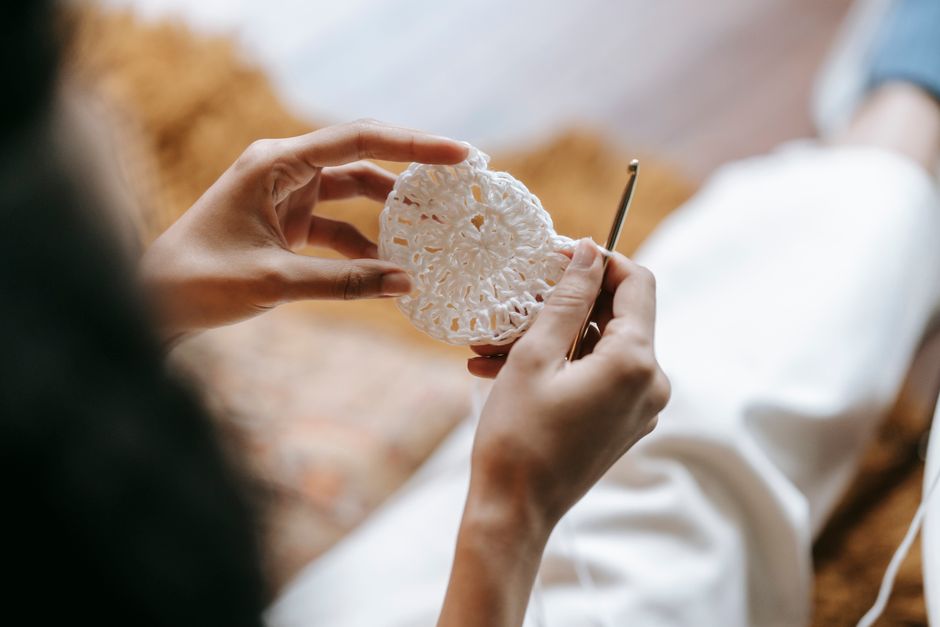
Here are checks that catch most disappointing purchases.
Check 1: the Pattern Tells You the "Why," Not Just the "What"
Look for wording like "this row creates the curve," "stuff firmly here," or "align to the stitch marker." Those tiny notes prevent lumpy shapes and crooked assembly.
If the pattern is only a list of stitches with no guidance, it may still be fine for experienced crocheters, but it's a risk if the design is complex.
Check 2: Shaping Details Are Specific
Intricate stuffed toys and sculpted items need placement cues.
Good signs:
- "Place eyes between rounds X and Y, Z stitches apart"
- "Attach arm centered at round..."
- "Pin before sewing" notes
Weak signs:
- "Sew parts on" with no placement help
- No stitch counts at the end of rounds
Check 3: the Yarn and Hook Choice Makes Sense
Intricate texture often needs crisp stitch definition. Fuzzy yarn can hide mistakes, but it can also erase detail.
If a pattern uses a novelty yarn and still claims sharp texture, be cautious. You can still make it work, but you might need to swap to a smoother yarn for the details.
Check 4: Licensing Language Is Clear (If You Sell Finished Items)
Many designers allow selling finished items from their patterns, with conditions. Some don't.
Before you buy, look for a clear statement about:
- Selling finished makes
- Selling the pattern file (almost always not allowed)
- Sharing pattern text (not allowed)
When in doubt, message the designer. Keeping it respectful and clear prevents issues later.
Worked Example: Buying One Intricate Pattern to Build a Sellable Product
Here's how I'd choose one "hero" pattern if your goal is to sell a small batch of high-end crochet items.

Scenario
You want an intricate stuffed animal that looks premium, but you also need it to be repeatable. You plan to make 5 to 10 of them.
Step 1: Pick the Kind of Intricacy That Sells Well
For most buyers, "intricate" means one of these:
- Layered texture (spikes, bobbles, surface crochet lines)
- Clean shaping (snout definition, cheeks, paw pads)
- Accessories that feel intentional (little outfit pieces, props)
For selling, I usually avoid intricacy that depends on perfect tension for a lace-thin edge, unless you're very consistent.
Step 2: Vet the Pattern Like a Builder, Not a Fan
Before buying, I look for:
- Stitch counts after each round
- At least one assembly diagram or placement instructions
- Notes on stuffing and shaping
If the listing doesn't show that, I assume I'll spend extra time correcting and that time has a cost.
Step 3: Plan One "Signature" Change up Front
This is the part most sellers miss. If you use a popular pattern exactly as-is, your product can blend in.
A safe signature change is one that doesn't affect structure:
- Color palette swap (keep contrast where the designer used it)
- Texture swap on a section (for example, swap a plain belly for a stitched texture panel)
- Accessory variation (tiny scarf, bag, hat), made from your own mini pattern notes
If you want structure changes (bigger head, longer limbs, different pose), you'll need pattern skills. Our guide on how to crochet complex patterns for profit helps you think like a designer so you can modify without ruining fit.
Step 4: Make One Test Piece with "Notes You'll Reuse"
During the first make, write down:
- Your actual yarn used and exact hook
- Where you tightened or loosened tension
- Any placement changes that improved the look
- Time spent on each part (rough estimate is fine)
That turns one pattern purchase into a repeatable product recipe.
Common Buying Mistakes That Make "Intricate" Feel Impossible
Most frustration comes from mismatch, not skill.
- Buying a pattern written for a different style than yours (tight amigurumi vs drapey garments).
- Using a yarn that hides definition, then blaming the pattern.
- Skipping the designer's recommended stitch markers and counts on shaped pieces.
- Picking a "hard" pattern that's hard because it's unclear, not because it's advanced.
Intricate crochet should feel like steps you can follow, not a mystery you solve.
What to Do If You Want Something Truly Unique (Not Just Another Trending Design)
If you're selling, uniqueness is a strategy. It can also be the difference between "cute" and "people stop at your table."
Your options:
- Buy from smaller designers and build a consistent style across your product line.
- Learn to design, even if you start by modifying patterns in small, safe ways.
- Commission or buy specialty patterns made for your niche (for example, highly detailed stuffed animals).
If your end goal is gift-worthy, one-of-a-kind pieces, you might also like buy custom crochet patterns for gifts.
If you want help choosing a pattern that matches your skill level and what you want to sell, check out the patterns at artncraftartncraft.art. We're picky about instructions because we're the ones who actually crochet them.