
How to Crochet Complex Patterns: Create Unique Designs to Sell
"Complex crochet isn't hard, it's just layered." That's what a designer friend told me after I frogged (ripped out) the same row three times. If you're searching for How to Crochet Complex Patterns, you probably want two things fast: clean results and a process that keeps you from getting lost. This guide gives you a simple system for reading, planning, and finishing advanced patterns, plus practical tips for turning your best designs into products you can sell.
The big shift is this, complex patterns reward planning more than speed. Once you learn how to set up stitch counts, markers, notes, and a repeat map, "complicated" starts feeling predictable.
Complex Patterns Aren't Magic, They're Systems
Complex crochet patterns look impressive because they stack multiple skills at once. You might be shaping, changing colors, and following chart symbols in the same round. That's not a talent test, it's a systems test. Your goal is to reduce surprises by making the pattern easy to track.
Start by identifying what makes the pattern complex. Is it lots of repeats, stitch variations, 3D shaping, or special construction like join-as-you-go? Once you know the "complexity type," you can choose the right tools and habits.
Here are common complexity drivers you can spot before you even pick up your hook:
- Many stitch types mixed together (front post, back post, popcorn, clusters)
- Shaping that changes counts often (increases, decreases, short rows)
- Chart reading (symbol diagrams) instead of written instructions
- Colorwork (tapestry crochet, intarsia, fair isle style floats)
- Pieces that must match (mirrored parts, identical panels, pairs)
A quick mindset tip that helps a lot: treat your pattern like a recipe you prep first. Read it fully, mark repeats, and highlight stitch counts. You'll save hours later.
If yarn choice is part of what's tripping you up, it's worth reading crochet yarn types explained. Complex stitches can look totally different in fuzzy yarn versus smooth cotton.
How to Crochet Complex Patterns Without Getting Lost
If you only take one thing from this article, take this: the best way to learn How to Crochet Complex Patterns is to build a tracking routine you repeat on every project. Your hands can crochet faster than your brain can remember what row you're on. So you need external memory.
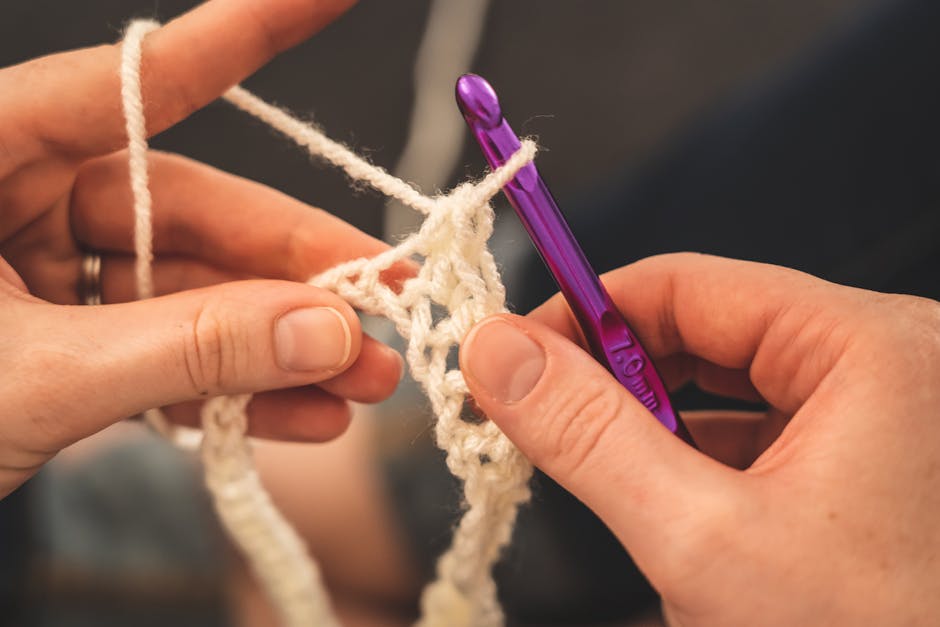
First, "decode" the pattern into chunks. I like to split it into setup, repeat, shaping, and finishing. Then I rewrite tricky rows in my own shorthand, especially if the pattern uses long sentences.
Use this step-by-step routine on any advanced pattern:
- Read the entire pattern once, then read it again with a pencil in hand
- Circle every stitch count note (example: "72 sts") and every gauge note
- Mark repeats with brackets, and write how many times you repeat them
- Place stitch markers at repeat boundaries and at the start of rounds
- Track each row or round with a row counter or a paper checklist
- After each row, do a quick stitch count check before moving on
That last step is the secret. A 20-second stitch count can prevent a 20-minute unravel. If counting every stitch feels annoying, count "sections" instead. For example, count between markers, or count motif blocks.
Charts can feel scary, but they're often clearer than text once you learn them. The Craft Yarn Council keeps a standard list of crochet symbols, so you're not guessing what an icon means. Their chart symbol resources are a solid reference point if you're learning diagram reading: Craft Yarn Council Standards.
Case Study: Turning One Complex Pattern Into Three Products
Let me show you how complex crochet turns into sellable designs with a real workflow. A few seasons ago, I made an advanced stuffed animal with shaping, embroidery placement, and small parts that had to match. The original concept took time, but once I nailed the structure, I was able to spin it into three listings.
Version one was the "hero" design, full detail, multiple textures, and optional accessories. Version two was the same body but simplified limbs and fewer color changes, so it crocheted faster and fit a lower price point. Version three was a "mini" size that used leftover yarn, which improved profit because the material cost dropped.
Here's how you can use the same approach without copying anyone else's work:
- Keep the core silhouette (body shape or garment fit) the same
- Change surface texture (ribbing, bobbles, waffle, or smooth single crochet)
- Swap colorwork for embroidery, or embroidery for applique
- Adjust scale (mini, standard, jumbo) while keeping proportions consistent
- Add or remove accessories (hats, bags, scarves, wings, tails)
After you build one solid complex base, you're not "starting over" each time. You're building a small product line from a proven pattern. That's how advanced crocheters create consistency in their shop without getting bored.
If you want inspiration for high-detail plush builds, how to crochet unique stuffed animals is a great next read, especially for shaping and personality details.
Design Details That Make Buyers Say "I Need That"
People don't pay more just because something is hard. They pay more because it looks special, feels well-made, and solves a want. Your job is to translate "complex" into "wow." That means choosing details that show up clearly in photos and feel good in the hand.

Texture is one of the easiest value signals. A buyer can see ribbing depth, bobble placement, and clean edges right away. Clean shaping is another big one. Lumpy increases or uneven decreases make even a clever design look homemade in the wrong way.
Here are design upgrades that tend to increase perceived value without doubling your time:
- A planned color palette (2 to 5 colors) with one "pop" color
- Consistent edge finishes (crab stitch, clean single crochet borders, or i-cord)
- Symmetry checks (matching ears, sleeves, or straps)
- Intentional negative space (lace sections that look airy and neat)
- Professional assembly (invisible joins, neat sewing, clean stuffing lines)
If you sell patterns, clarity is part of the product. Add stitch counts, add photos at tricky points, and include notes about common mistakes. Buyers love patterns that anticipate problems.
For extra trust, align your language with standards makers already recognize. For example, the Craft Yarn Council defines yarn weights and common terms, which helps you describe materials and gauge in a way customers understand.
Pricing and Selling: Make Complex Crochet Profitable
Complex projects can eat your time if you price them like simple ones. A smart price comes from knowing your hours, your materials, and your market. If you sell finished items, you need to cover labor. If you sell patterns, you need to cover design time and support.
For finished crochet, track your real time for one item, even if it's messy. Write down active crochet time, assembly time, and photo time. Then add material costs and platform fees. The U.S. Small Business Administration explains why pricing needs to include all costs, not just supplies: SBA Pricing Guidance.
Use this simple pricing framework for finished items:
- Materials (yarn, stuffing, safety eyes, labels, packaging)
- Hourly rate times hours (choose a rate you can live with)
- Overhead (tools wear, patterns you buy, electricity, shipping supplies)
- Fees (payment processing, marketplace fees)
After you get a base price, compare it to similar items in your niche. If your price is higher, your photos and description must explain why. Show close-ups of texture, seams, and size in hand.
For pattern sales, your pricing is more about value and support. Pattern buyers pay for a smooth experience, not just the final object. That's why well-tested instructions and helpful photos matter.
A 2026 trend I'm seeing in handmade markets is stronger demand for "premium instructions." People are willing to pay more for patterns that include sizing options, clear charts, and troubleshooting notes, especially for advanced plush and wearables. You can lean into that by offering an "advanced" version and a "simplified" version of the same design.
If you're shopping for inspiration or want to see how pattern listings are structured, check buy custom crochet patterns online. It's a helpful way to spot what shoppers expect before you write your own listing.
FAQ
How Long Does It Take to Learn How to Crochet Complex Patterns?
Most crocheters can feel a big jump in confidence in 4 to 8 projects, as long as those projects stretch one skill at a time. If you try to learn shaping, chart reading, and colorwork in one weekend, it will feel chaotic. If you build skill layers, it starts to click fast. Pick one "hard thing" per project, and keep the rest familiar.

What If My Stitch Count Keeps Changing in the Middle of a Repeat?
That's usually a sign that an increase or decrease was missed, or you worked the repeat one extra time. Stop right away and count between markers. If the pattern includes stitch counts at the end of rows, trust them and match them. For complex repeats, place markers at the start and end of each repeat section so you can isolate errors quickly.
Should I Use a Lighter or Heavier Yarn for Advanced Patterns?
Use the yarn the pattern asks for when you're learning, because stitch counts and shaping depend on thickness. After you understand the construction, experimenting is fine. Smooth yarns (like cotton or acrylic) show stitch definition best, which makes complex texture patterns look crisp. Fuzzy yarns can hide errors, but they can also hide your best details.
How Do I Make Sure My Complex Design Is Original Enough to Sell?
Build from your own sketch, your own shapes, and your own combinations of features. Avoid copying someone's exact character design, exact stitch map, or exact accessory set. A good method is to list your "design rules" first (size, silhouette, textures, color palette), then draft from scratch. If you're inspired by a style, change multiple elements, not just one.
What's the Best Way to Test a Pattern Before Selling It?
Make at least one full sample from your written instructions, without relying on memory. Then have at least one other crocheter test it, ideally someone who doesn't crochet exactly like you. Ask them to mark confusing steps and time how long it takes. Testing is where you catch missing stitch counts, unclear assembly steps, and sizing surprises.
Your Next Step: Build One "Hard" Project with a Simple Plan
Mastery doesn't come from collecting complicated patterns, it comes from finishing them cleanly. Pick one project that feels slightly above your level, then use the tracking system from this guide: chunk the pattern, mark repeats, use stitch markers, and count often. That's the real answer to How to Crochet Complex Patterns without burning out.
If you want a clear path forward, choose one advanced pattern style you love (texture, charts, shaping, or colorwork), and make a mini series of three projects that each build on the last. By the third one, you'll feel the shift. Your hands will relax, your counts will stay steady, and your finished work will look like something people are happy to pay for.