
How to Create Crochet Patterns for Unique Stuffed Toy Designs
A handmade stuffed toy can go from "cute" to "can't stop thinking about it" with just a few smart design choices. If you've been searching for How to Create Crochet Patterns, this guide gives you a real, repeatable method you can use today. You'll learn how to plan the shape, pick stitches that hold stuffing well, test fit parts, and write a pattern that other crocheters can follow. By the end, you won't just be copying patterns, you'll be building your own.
Start with a Clear Toy Concept and Simple Shape Map
Unique stuffed toys don't start with perfect stitches, they start with a clear idea. Before you pick up your hook, decide what makes your toy different. Maybe it's a chunky head with tiny wings. Maybe it's a long body with floppy legs. The goal is to choose one or two "hero features" so your design feels intentional, not random.
A simple way to begin is to sketch the toy using basic shapes. Think sphere for the head, tube for the body, and small ovals for ears. This doesn't need to look like an art class drawing. It only needs to help you see proportions. I like to jot notes next to each shape like "head = 42 sts around" or "body tapers at the waist."
Before you move on, pick your finished size. A 4-inch pocket buddy needs fewer rounds and tighter stitches. A 12-inch cuddle toy needs more structure and stronger seams. Your size choice affects yarn, hook size, and how much stuffing you'll use.
Here's a quick "shape map" checklist you can follow so your concept turns into pattern pieces:
- Main body parts (head, body, arms, legs, tail)
- Extra features (horns, fins, wings, hair tufts)
- Face plan (embroidered, safety eyes, crocheted eyes)
- Special details (color changes, stripes, spots, belly patch)
- Assembly plan (what gets sewn first, and what's added last)
Yarn choice matters early because it changes the look and the stitch definition (how clearly you see each stitch). If you want help choosing yarn for toys, read How to choose crochet yarn types for stuffed toys.
Build the Base Pattern Using a Beginner-To-Advanced Stitch Plan
Most stuffed toy patterns (often called amigurumi) are built from a small set of moves, increase, decrease, and steady rounds. That's good news, because How to Create Crochet Patterns is mostly about controlling those moves on purpose. You're basically "sculpting" with stitches.

Start with the head because it sets the style. A big round head feels sweet and cartoon-like. A smaller head feels more realistic. You can begin with a magic ring (adjustable starting loop), then increase evenly until you hit your widest round. After that, work even rounds, then decrease to close.
If you want a stable toy that doesn't show stuffing, use a tight single crochet fabric. Many designers use a hook one or two sizes smaller than the yarn label suggests. The Craft Yarn Council also recommends checking gauge and choosing the right hook for the fabric you want, not just the label suggestion (Craft Yarn Council).
Follow this step sequence to design any round body part (head, body, snout, tail base):
- Choose a starting point (magic ring or chain and join)
- Increase evenly until the shape reaches the widest point
- Work even rounds to set the height
- Add shaping with spaced decreases (or short rows for curves)
- Close the opening and leave a tail for sewing
After you make one successful head, repeat the same "increase, even, decrease" logic for the body. Then decide where your toy needs shaping. For example, a waist can be created by doing a few decrease rounds, then increasing again. A pear shape is basically "big at the bottom, smaller at the top."
Once the base parts are solid, you can add advanced touches in a simple way:
- Use invisible decreases for smoother curves
- Add surface crochet lines for seams or stripes
- Crochet in back loops only to create ridges
- Change yarn colors at the start of a round for clean transitions
- Add small stuffed "inner pieces" (like cheeks) for a 3D face
If you want a deeper skill path for toy-making techniques, this pairs well with how to crochet stuffed animals with advanced techniques.
Turn Your Prototype Into a Real Pattern People Can Follow
A prototype is your first "test toy." It's the rough draft that teaches you what to fix. This is where many designers get stuck because they crochet fast and forget to write things down. The simplest fix is to track your rounds as you go, even if it's messy at first.
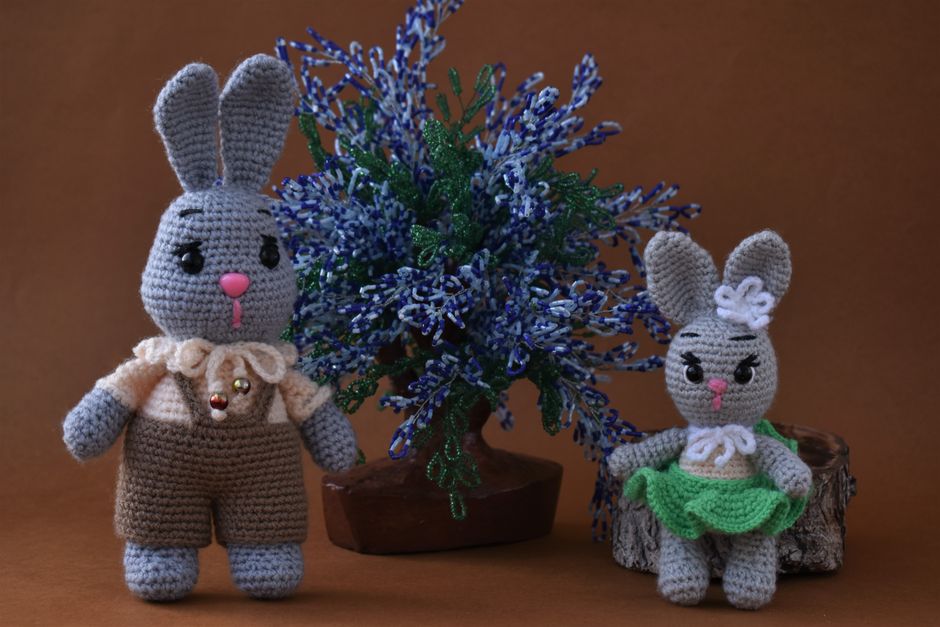
As you crochet each piece, write down the stitch count at the end of every round. Stitch count is the truth teller. If your head looks perfect but the numbers don't match, you won't be able to repeat it. I like to format my notes as "R1, R2..." with totals at the end, like "(18)" or "(42)." That makes pattern writing much easier later.
Use consistent terms and explain any special stitches. If you use "sc2tog" (single crochet two together, a decrease), say what it means the first time. Also note whether you work in a spiral (continuous rounds) or join rounds with a slip stitch. That choice changes the look of the seam.
Here's a pattern-writing checklist that keeps your instructions clear:
- Materials list (yarn type, hook size, stuffing, eyes, needle)
- Abbreviations and stitch notes (in plain language)
- Round-by-round instructions with stitch counts
- Placement notes (where to attach eyes, where to start stuffing)
- Assembly order with clear landmarks (pin at R10, align to center)
Testing is not optional if you want a pattern you can sell. Ask one crocheter who's a beginner and one who's more advanced to make it. Their feedback will show you which steps need more detail. Even small clarifications like "stuff firmly" vs "lightly stuff" can prevent a toy from looking lumpy.
If you plan to sell patterns, you also want to think about basic business readiness, like consistent formatting and clear photos. If buying patterns is part of your research, see Buy custom crochet patterns online for inspiration.
Make Your Stuffed Toy Truly Unique with Smart Details and Safe Finishing
The difference between a "generic bear" and a signature design often comes down to details. Details should support your concept, not clutter it. If your toy is a sleepy forest dragon, pick details that say "sleepy" and "forest." Think droopy eyelids, mossy green tones, and tiny horns.
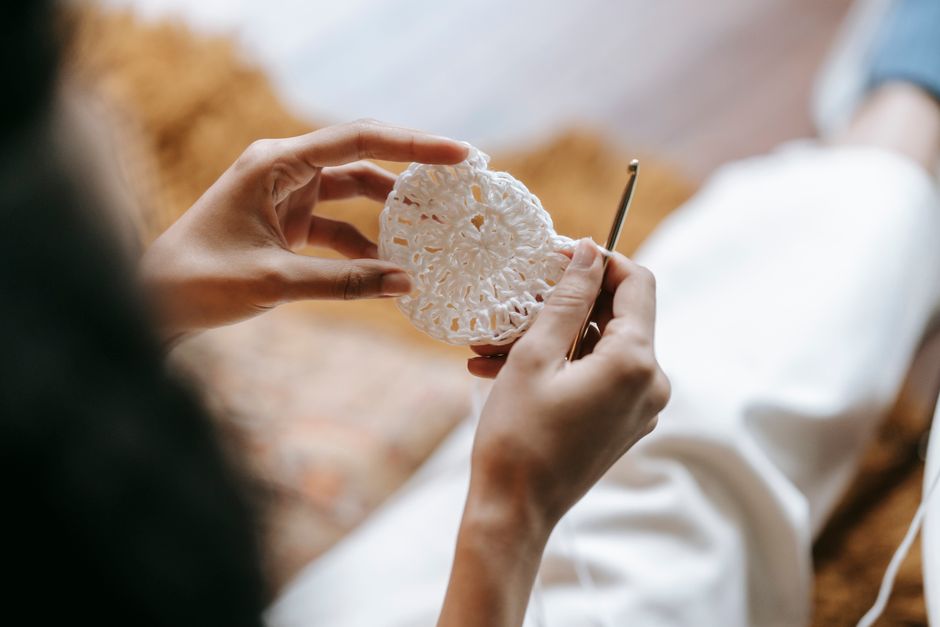
Color changes can do a lot of heavy lifting. A belly patch, contrasting paws, or a two-tone muzzle gives a pro look fast. Just keep your color plan simple enough that someone else can follow it without guessing.
Stuffing and safety matter too, especially if the toy might be used by kids. The U.S. Consumer Product Safety Commission shares safety guidance for children's products and hazard risks, which is worth reading if you sell items meant for children (CPSC). For toys, embroidered eyes are often safer for very young children than plastic safety eyes.
Use this finishing and uniqueness checklist to push your pattern from "nice" to "wow":
- Add a signature feature (heart-shaped nose, scalloped ears, silly toes)
- Use shaping details (cheeks, brow ridge, chin, booty curve)
- Plan eye placement carefully (1 stitch can change the expression)
- Choose seams that hold up (whip stitch, mattress stitch, or backstitch)
- Stuff in layers, and use a chopstick or tool to reach small parts
One more modern tip: buyers in 2025 and 2026 keep asking for "customizable" patterns, meaning optional ears, different faces, or add-on outfits. Many crochet sellers have noticed that offering simple mix-and-match options can increase pattern value without doubling your work. Etsy's marketplace trend reports often highlight personalization as a continuing demand in handmade categories (Etsy Trends). You don't need to chase trends, but it helps to design with flexibility.
FAQ How to Create Crochet Patterns for Stuffed Toys
How Do I Start If I've Never Designed a Pattern Before?
Start by copying the structure, not the design. Pick a simple free shape you understand, like a ball or tube, then change one thing, like longer ears or a different snout. Keep notes for every round and track stitch counts. Your first goal is a repeatable toy, not a perfect one. After you finish, remake it once using only your notes to see what's missing.
What Stitches Work Best for Stuffed Toys?
Single crochet in continuous rounds is the most common because it makes a tight fabric that holds stuffing well. Invisible decreases help keep the surface smooth. Back loop only rounds create ridges for cuffs, paws, or turtle shells. You can use half double crochet for softer drape, but it may show stuffing more. If you use taller stitches, choose thicker yarn or tighter tension.
How Do I Know Where to Place Safety Eyes?
Pin them in place and step back before you commit. Eye placement changes the whole personality, cute, sleepy, silly, or serious. Many designers place eyes between two rounds and space them a set number of stitches apart, then record that in the pattern. If the toy will be for babies or toddlers, consider embroidered eyes for safety.
How Many Test Runs Should I Do Before Selling a Pattern?
At least two full test runs are a good baseline, one by you using your own draft, and one by a tester who hasn't seen your work-in-progress. If you can, use two testers with different skill levels. Ask them to mark confusing steps and note where photos would help. Fix those spots, then do one more quick check by reading the pattern out loud and verifying stitch counts.
Can I Make My Pattern "Beginner Friendly" Without Making It Boring?
Yes. Keep the main body simple, then offer optional extras like outfits, accessories, or alternate faces. Beginners get a complete toy without stress, and advanced crocheters can add the fancy bits. Also use clear wording, consistent abbreviations, and a predictable structure for each body part. That structure builds confidence fast.
Your Next Pattern Can Be a Signature Toy
Designing stuffed toys is a skill you can build, not a talent you either have or don't have. The real secret to How to Create Crochet Patterns is having a process, sketch the shapes, crochet a prototype, record stitch counts, then test and refine. Do that a few times and you'll start seeing shapes in your head as stitch math.
If you want, take one toy you've already made and redesign it with one bold change, longer limbs, a new face, or a different texture on the belly. Write every round down as you go. That single habit turns "I made a cute thing" into "I can make this again, and teach someone else to make it too."