Where to Buy Custom Crochet Patterns Online for Unique Sales Success
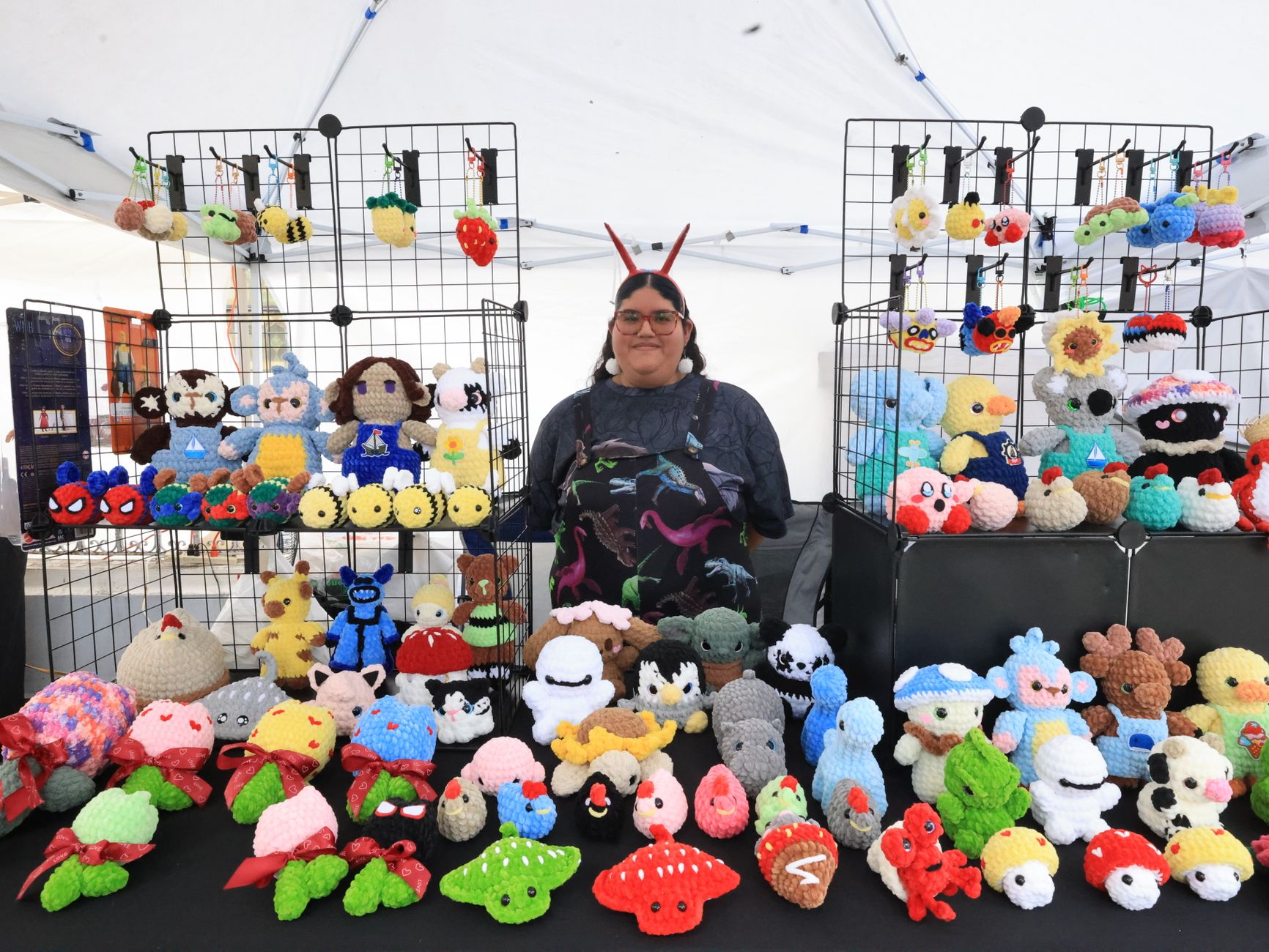
Copying "whatever's trending" is the fastest way to blend in at a craft fair.
If you want your makes to sell, you need designs shoppers can't find in five other booths. That's exactly why people search where to buy custom crochet patterns online. You're not hunting for "a pattern." You're hunting for an edge.
We sell crochet patterns and we also design custom ones. Here's the honest breakdown of the best places to buy custom work, what it should include, and how to avoid paying for a pattern that looks cute on paper but fails in real yarn.
Where to Buy Custom Crochet Patterns Online (and What You're Really Paying For)
"Custom pattern" can mean three very different things. Knowing which one you're buying saves you a lot of money and frustration.
1) A personalized version of an existing pattern
This is when a designer adjusts size, swaps yarn weight, changes details (ears, spots, outfit), or adds options. It's faster and cheaper because the base is proven.
2) A brand-new design written for you
This is from-scratch shaping, stitch counts, assembly order, and often a full photo tutorial. This costs more because you're paying for design time and testing.
3) A "production pattern" built for repeatable sales
This is the one most sellers actually need. It's designed to be:
- Quick to make
- Stable (doesn't slump or twist)
- Easy to teach to helpers (if you scale up)
- Consistent across yarn brands
Now, where do you buy each type?
- Independent pattern shops (like ours) on Squarespace, Etsy, or a standalone site: Best when you want a designer's specific style, clean instructions, and direct communication.
- Ravelry designers: Great for finding experienced writers and browsing their pattern history first. Look for designers whose past patterns match the "feel" you want.
- Crochet communities (Instagram, TikTok, Discord, Facebook groups): Good for discovering talent, but quality varies a lot. A pretty reel doesn't prove the pattern is testable.
- Pattern marketplaces: Convenient, but "custom" sometimes means "we'll change the colors." Always confirm what's included.
A custom pattern that leads to sales success usually includes more than stitch counts. You're paying for decisions: shaping, construction order, and problem solving so your finished item looks the same every time.
A Decision Framework: Choose the Source Based on Your Sales Goal
Most advice online says "hire a designer" and stops there. That's not enough. The right source depends on how you plan to sell.

If You Sell Finished Items In-Person
Choose a pattern that's optimized for speed and durability.
Look for a designer who will:
- Keep pieces low (fewer separate limbs and tiny parts)
- Use sturdy shaping (tight fabric, clean stuffing, no wobble)
- Avoid fragile add-ons that snag on tables and baskets
If your best sales happen at markets, your custom brief should include your target make time. "I need it under 2 hours" is a design requirement, not a wish.
If You Sell Finished Items Online
Choose a pattern that photographs well and reads clearly in a thumbnail.
That usually means:
- A strong silhouette (recognizable shape from far away)
- High contrast details (eyes, spots, stripes, costume pieces)
- A "hook" detail shoppers mention in reviews (tiny accessory, expression, unique texture)
Online listings punish subtle designs. What looks tasteful in hand can look flat in photos.
If You Sell the Pattern Itself
You need permission to resell a pattern you didn't write. Many designers do not allow it.
A safer route is either:
- Hire a designer to create a pattern you own and can sell (with a written agreement), or
- Create your own original design and sell it
If your goal is pattern sales, also ask for: stitch charts (if relevant), sizing notes, and clear photo steps. Pattern customers are picky for good reasons.
If You Want a "Signature Product" No One Else Has
This is the strongest reason to buy custom work.
Choose a designer who tests thoroughly and can reproduce the result in different yarns. Unique is good. Unrepeatable is not.
If you're also learning techniques, pair the custom pattern with skill-building. Our beginners often benefit from crocheting tips for beginners with yarn picks and patterns to buy before they commission something complex.
What to Ask Before You Pay (so You Don't Get a Pretty but Useless Pattern)
Custom crochet patterns fail in predictable ways. The fix is a short checklist before money changes hands.
Ask these questions up front, in writing:
- Is the pattern tested by someone other than the designer?
Self-testing catches some issues. Outside testing catches the real ones, like confusing assembly or missing stitch counts.
- What skill level is it written for?
"Intermediate" can mean anything. Ask what techniques are included (color changes, short rows, shaping, sewing style).
- What format will I receive?
A PDF is standard. Clarify if it includes step photos, assembly photos, and a materials list with yardage estimates (or at least "one 50g skein plus scraps").
- Will it be written for a specific yarn and hook, or multiple options?
If you sell items, you may need substitutions. Ask if the designer will note what changes when you use plush yarn versus cotton.
- What rights do I have?
This matters for sales success. Many designers allow you to sell finished items, but you can't resell or share the pattern.
- How many revisions are included?
A good custom project often needs a tweak after the first sample, like moving the eyes, changing limb length, or simplifying a section.
One more practical point: agree on what "done" means. For example, "Pattern includes stitch counts for all rounds, assembly order, and at least 8 photos covering key steps." That protects both sides.
Worked Example: Turning a Product Idea Into a Custom Pattern Brief That Sells
Here's a concrete brief we'd consider "good," because it gives a designer enough info to make something sellable, not just cute.

Scenario: You sell at weekend markets. Your best sellers are small plush animals. You want a new hero product for fall.
Weak brief: "Make me a cute fox pattern."
Strong brief (what to send):
- Product goal
"I'm selling finished items at markets. I want a fox that stands out on a table from 10 feet away."
- Size and time constraints
"Finished size: about 6 to 7 inches tall. Target make time: 90 minutes once I learn it."
- Materials reality
"I prefer worsted weight acrylic for cost and washability. I can do plush yarn, but I need the shape to stay clean."
- Signature features
"I want one unique hook detail: removable leaf scarf, or oversized ears, or a sleepy face. Nothing that's a choking hazard if kids handle it."
- Construction preferences
"I'd like minimal sewing. If sewing is needed, keep it to ears and tail."
- Deliverables
"PDF pattern with clear round-by-round instructions, assembly order, and 10+ photos showing shaping and placement."
Why this brief leads to sales success: it forces design decisions that protect your profit. Speed, visibility, and repeatability are built in. A designer can still be creative, but they're solving the right problem.
If your niche is stuffed animals, you'll also get more mileage by learning what makes plushies feel "store-bought." We go deeper on that in advanced techniques for one-of-a-kind stuffed animals.
Pricing, Timelines, and Red Flags (the Stuff People Don't Say Out Loud)
Costs vary a lot because "custom" varies a lot. A quick modification is not the same job as a fully new, tested pattern with photos.
Instead of hunting for a magic price, compare offers by scope:
- Modification: fastest turnaround, lowest cost, less risk
- New design (untested): cheaper, higher risk, often missing clarity
- New design (tested, photo-supported): higher cost, best for sellers who need consistency
Timelines depend on complexity and whether testing is included. If you need something for a holiday market, plan early. Rushed patterns are where mistakes hide.
Red flags we'd personally walk away from:
- The designer won't show any examples of their written patterns (not just finished items)
- They promise anything in "24 hours" without discussing testing
- They won't state usage rights clearly
- The pattern is delivered as casual chat messages only, with no organized format
A green flag is when a designer pushes back a little. If we tell you a detail will slow your make time or make the item floppy, that's a good sign. Custom is a collaboration, not a vending machine.
Closing: Buy Custom Like a Product Designer, Not Like a Crafter
Unique sales success comes from boring things done well: clear instructions, repeatable shaping, smart materials, and one bold detail shoppers remember.
If you're deciding where to buy custom crochet patterns online, pick a designer who understands selling, not just stitching. Bring a brief that includes time, size, yarn, and your "table appeal" goal.
If you want us to design something custom for your shop style, start by writing your brief using the worked example above. That single step makes the whole process faster, cheaper, and more likely to create a bestseller.