
How to Crochet Unique Stuffed Toys: Mastering Intricate Patterns for One-Of-A-Kind Plushies
A tiny change in stitch count can turn a "cute bear" into a toy that looks like it has a real personality. If you've ever followed a pattern perfectly and still felt your plush looked plain, this guide is for you. How to Crochet Unique Stuffed Toys is less about rare stitches and more about smart shaping, clean details, and confident finishing. You'll learn exactly what to focus on so intricate crochet patterns feel doable, not intimidating.
The good news is that the skills that make a toy look high-end are repeatable. Once you understand tension, stitch anatomy (how each stitch is built), and where designers hide shaping, you can make dragons, kittens, robots, or food plushies that look custom. Let's break the process down in a simple, practical way.
Why Intricate Crochet Patterns Feel Hard (and How to Make Them Easy)
Intricate patterns don't usually fail because you "can't crochet." They fail because the pattern has more tiny decisions, and tiny decisions stack up fast. A single missed increase (adding stitches) can twist the whole body shape. A slightly loose round can make stuffing show through. And if you attach parts one stitch off, your toy's face can look surprised forever.
The fix starts with reading patterns like a builder reads blueprints. Before you crochet, scan for "shape moments." These are rounds where increases, decreases, and stitch changes happen. Those rounds are the ones that create cheeks, bellies, snouts, and paws.
Here's what usually makes detailed plush patterns feel complicated, and what to do instead:
- Too many pieces, solve it by labeling parts and finishing one limb at a time
- Confusing stitch counts, solve it by using a stitch marker and counting every round
- Uneven shapes, solve it by keeping tension steady and using invisible decreases
- Messy color changes, solve it by switching colors at the last yarn-over of the stitch
- "I can't see my stitches," solve it with better lighting and a lighter yarn for practice
A helpful mindset shift is to treat your first run as a prototype. Even pro designers make a test plush, then tweak. If you want more pattern-style examples, check out How to Crochet Unique Stuffed Toys patterns with personality for ideas on what details add that "alive" look.
How to Crochet Unique Stuffed Toys with Pro-Level Shaping
If you want your toy to look truly unique, shaping is the main lever. Shaping is where the "intricate" part lives, even if you're only using single crochet (sc). Most amigurumi (crocheted stuffed toys) are built in spirals, so your increases and decreases act like sculpting.
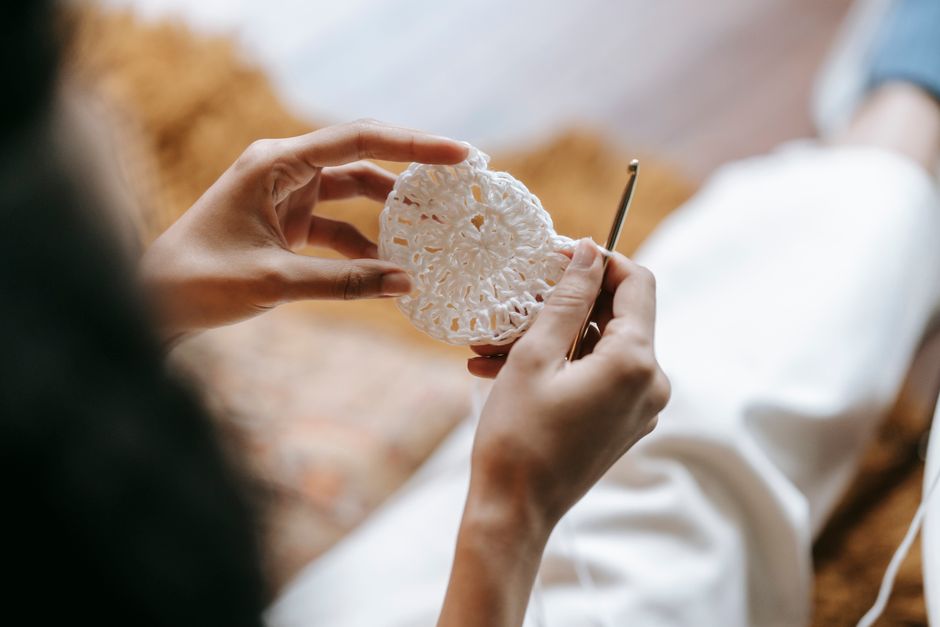
Start by mastering two techniques: the invisible decrease (a decrease that hides the bump) and the yarn-under single crochet (a tighter single crochet that makes cleaner stitches). Not every yarn likes yarn-under, but many plush makers use it for crisp stitch definition.
You also want to plan where your seams and jogs go. A jog is that little step you see when you change colors in a spiral. If your pattern has stripes, try moving the color change to the side or back, or use a "jogless join" method if the pattern allows it.
Use this simple shaping workflow:
- Crochet a small "swatch sphere" first (about 24 to 36 stitches around) to test tension and stuffing coverage
- Mark the start of every round and write down your stitch count as you go
- Place increases and decreases exactly where the pattern says, then compare the shape every few rounds
- Stuff in layers, adding small pinches of fiberfill and shaping with your fingers
- Pause before closing, check symmetry, then finish the final decreases
After you get comfortable, you can customize safely. For example, to make a snout longer, add 1 to 2 plain rounds (no increases or decreases) between shaping rounds. To make cheeks rounder, spread increases across the round rather than stacking them in one place.
For safety basics, the U.S. Consumer Product Safety Commission shares guidance on hazards like small parts for kids under 3, which matters if you're gifting toys. See the official tips at the CPSC.
Materials and Stitch Choices That Make Details Pop
Intricate crochet patterns can look muddy if the yarn hides the stitch texture. If your goal is crisp detail, yarn choice matters as much as technique. Smooth cotton and cotton blends show stitches clearly. Chenille yarn feels dreamy, but it can blur details and hide mistakes until the very end.

Hook size matters too. For stuffed toys, you usually go smaller than the yarn label suggests. That tighter fabric helps prevent stuffing from peeking out. A common beginner mistake is using the recommended hook size and getting gaps.
If you're unsure what to buy, start with worsted weight cotton or acrylic and a hook about 0.5 to 1.5 mm smaller than suggested. Then adjust based on how your stitches look.
Here's a quick material checklist that supports detailed plush work:
- Stitch markers (at least 10) so you can mark rounds, shaping points, and limb placement
- A blunt yarn needle for sewing pieces and hiding ends cleanly
- Safety eyes or embroidery thread for faces (embroidery is safer for baby gifts)
- Fiberfill stuffing, choose a springy type that holds shape
- A small comb or brush (helpful for fuzzy yarn ends or brushed details)
Yarn selection can get personal fast. If you want a deeper yarn guide, this article is a good companion: How to choose crochet yarn types for plush toys and gift patterns.
For industry standards and yarn labeling, the Craft Yarn Council explains yarn weights and how to match yarn to hooks. That's handy when you're swapping yarn to customize size.
To keep your details sharp, try these stitch habits:
- Use tight, even tension, the toy should feel firm before stuffing
- Keep your hook angle consistent, so stitches stack neatly
- Use invisible decreases for smooth shaping
- Use embroidery for tiny details like eyebrows, freckles, and smiles
That last point is big. A toy's "uniqueness" often comes from surface design, not a more complex body.
Assembly and Finishing: Where Unique Toys Are Really Made
Assembly is where many crocheters lose confidence, but it's also where your toy becomes one-of-a-kind. Two identical bodies can look totally different depending on where you place the eyes, how you angle the ears, and how you sculpt with sewing.

Before sewing, pin everything in place. Take photos from the front, side, and top. Photos make it easier to spot if an arm is too high or an ear is tilted. If the toy looks "off," it often needs a tiny shift, like moving the eyes one stitch closer.
Use these finishing moves to level up your plush fast:
- Sculpting (needle shaping) to indent eye sockets or define a snout
- Felt accents for paw pads, teeth, or small patches (use strong fabric glue or sew them on)
- Surface crochet (crocheting onto the finished fabric) for clean outlines
- Embroidered highlights, like a tiny white dot in the eye to add life
- Clean seam stitching, using the same yarn and matching stitch tension
Sculpting sounds fancy, but it's simple. You run yarn through the head, pull gently to make an indent, and knot securely inside. This is how designers create cheeks, brows, and that sweet "sleepy" look.
Here's a practical assembly order that reduces mistakes:
- Finish head and body first, stuff and close them completely
- Add facial features next, so you can adjust expression before limbs distract you
- Attach ears, horns, or hair, check symmetry from multiple angles
- Attach arms and legs last, using pins and measuring distances
If you're selling toys or patterns, clean finishing also builds trust. In 2026, buyers are even more detail-focused because short videos and close-up product photos are everywhere. Etsy's 2025 marketplace updates and seller trend posts have pushed clearer photos and tighter branding, which raises the bar for handmade listings. Keep an eye on Etsy's seller news for current listing and photo guidance.
FAQ Mastering Intricate Crochet Stuffed Toy Patterns
What's the Fastest Way to Learn How to Crochet Unique Stuffed Toys?
Make the same basic animal body three times, changing only one feature each time. For example, keep the body and head the same, but try different ear shapes, eye placement, and embroidery styles. This repetition teaches you how small choices change personality.
Patterns help, but practice is what makes you fast. Treat each plush as a mini lesson, not a final exam.
Why Do My Stuffed Toys Look Lumpy After Stuffing?
Lumps usually come from using big chunks of stuffing or stuffing too late. Add small pieces of fiberfill in layers, then smooth with your fingers as you go. Firmly stuff the edges and curves first, then fill the center.
If you still see bumps, your crochet fabric might be too loose. Go down a hook size and try again.
How Do I Keep My Stitch Counts From Drifting in Spiral Rounds?
Use one stitch marker for the start of the round, then add extra markers at key points like every 10 or 12 stitches. This makes counting faster and helps you spot mistakes early.
Also write your stitch count after every round. That tiny habit saves a lot of ripping back.
Are Safety Eyes Always Safe for Kids?
Safety eyes can still be a choking hazard for children under 3, especially if the backing isn't installed perfectly or the fabric stretches. For baby gifts, embroidered eyes are the safest option.
For more safety guidance, check the CPSC toy safety resources and follow age-appropriate recommendations.
How Can I Make an Intricate Pattern Look Original If Lots of People Use It?
Change the story details, not just the color. Add a tiny accessory, switch ear shape, change the face expression, or add surface embroidery like freckles and blush. Even swapping yarn texture can change the vibe.
If you want pattern inspiration that still looks one-of-a-kind, see one-of-a-kind stuffed animal pattern ideas.
Final Thoughts: Your Next Plush Can Look Like Nobody Else's
Intricate crochet patterns don't demand magical talent. They reward careful counting, smart shaping, and confident finishing. If you focus on tight stitches, clean decreases, and thoughtful face placement, you'll feel the moment your work starts looking "designed," not just "made."
If you want to keep building skills, pick one new detail per project, like needle sculpting, surface crochet, or a cleaner color change. Then give that detail a starring role.
Ready to make something that feels like it walked out of your imagination? Start a new toy this week, take progress photos, and keep notes on what you'd tweak next time. That's how you truly learn how to crochet unique stuffed toys, and end up with plushies that no one can copy.