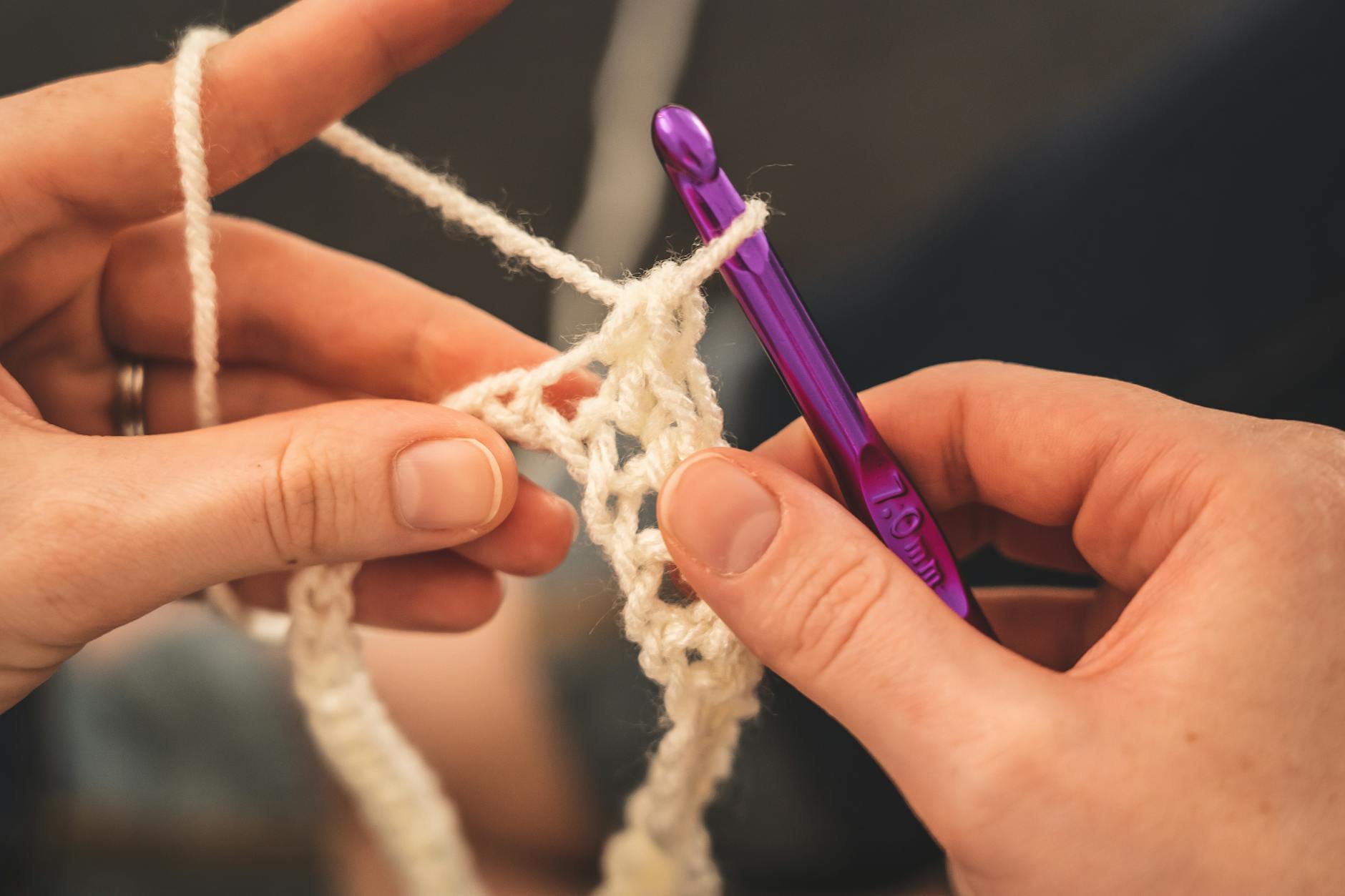
How to Crochet Unique Stuffed Toys: Custom Patterns That Feel Like You
"Design is intelligence made visible," and crochet design is that idea you can hold in your hands. If you've been searching How to Crochet Unique Stuffed Toys, you're probably tired of plushies that all look the same. Good news, you don't need an art degree to make a toy that looks like your kid's drawing, your pet, or a character you dreamed up on a sleepy bus ride. You just need a simple plan, a few smart choices, and a willingness to tweak as you go.
This guide shows you how to move from "I can follow a pattern" to "I can make my own pattern." You'll learn how to pick a base shape, customize it with features, and write down your steps so you can repeat the magic. By the end, you'll know exactly how to crochet unique stuffed toys that are truly yours.
Start with a Simple Base Shape (Then Make It Weird in a Good Way)
Unique stuffed toys start with boring shapes. That's not an insult, it's a shortcut. Most amigurumi (crocheted stuffed toys) are built from a few basics: spheres, tubes, and ovals. Once you can make those smoothly, you can "bend" them into almost anything by changing where you increase (add stitches) and decrease (remove stitches).
Pick one base body for your first custom toy, like a round belly with a smaller head, or one long tube body like a snake or dragon. Working from a base keeps you from getting lost. You'll always know what you're building, even when you add silly ears or a giant tail.
Here's a practical way to choose a base shape based on the vibe you want:
- Round body: cute, baby-like, great for bears and chicks
- Oval body: slightly more realistic, great for cats and bunnies
- Tube body: playful, great for worms, sea creatures, and long dogs
- Stacked shapes: classic plush look, great for dolls and fantasy creatures
After you choose, swatch your yarn and hook combo for a tight fabric. Tight stitches help stuffing stay inside. The Craft Yarn Council explains why gauge and fabric density matter across yarn crafts, and it's the same idea here, a stable fabric behaves better when stuffed (Craft Yarn Council).
If you want more help turning shapes into repeatable instructions, see How to Crochet Detailed Patterns. It's a solid next step once you've built a few base bodies.
How to Crochet Unique Stuffed Toys by Customizing Features Step by Step
The fastest way to learn How to Crochet Unique Stuffed Toys is to treat every feature like a mini project. Think in "modules." You build a body module, then add head module, then ears, then limbs, then details. This keeps your brain calm and your toy looking intentional.

Start by deciding what makes your toy different. Is it the face, the pose, the texture, or the colors? Pick one "hero feature" so the design doesn't get cluttered. For example, a frog with huge eyes, a fox with an extra fluffy tail, or a dinosaur with a spiky back.
Follow this simple build order for clean results:
- Crochet the body first and stuff it firmly
- Crochet the head and test placement on the body before sewing
- Add limbs and pin them in place to check balance
- Add ears, horns, fins, or wings
- Finish with face details and small accents
Pause after each step and take a photo. It sounds silly, but photos help you see if the head is too high, or if the arms look uneven. It also helps you remember what you did if you want to make the toy again.
To make features look "custom," focus on shape choices. For example, you can tilt a muzzle by sewing it slightly off-center. You can make sleepy eyes by using half-closed embroidered lids. You can even change personality with eyebrow angles.
Use this list of quick "personality switches" that change a toy fast:
- Eye size: bigger reads cuter, smaller reads more serious
- Eye spacing: closer reads intense, wider reads baby-ish
- Mouth curve: up reads friendly, flat reads calm, down reads grumpy
- Head-to-body ratio: large head reads chibi (extra cute)
- Limb length: short reads plush, long reads goofy
For safety, avoid small hard parts for kids under 3. The U.S. Consumer Product Safety Commission shares guidance on choking hazards and small parts, which is useful if you gift toys to families (CPSC). If a toy is for a toddler, embroider eyes and noses instead of using plastic safety eyes.
Yarn, Stuffing, and Texture Choices That Make Your Toy Look One-Of-One
Materials do more than "feel nice." They change how the toy looks, how clean your stitches appear, and how well it holds shape. If your goal is how to crochet unique stuffed toys, your material choices are part of your design, not an afterthought.
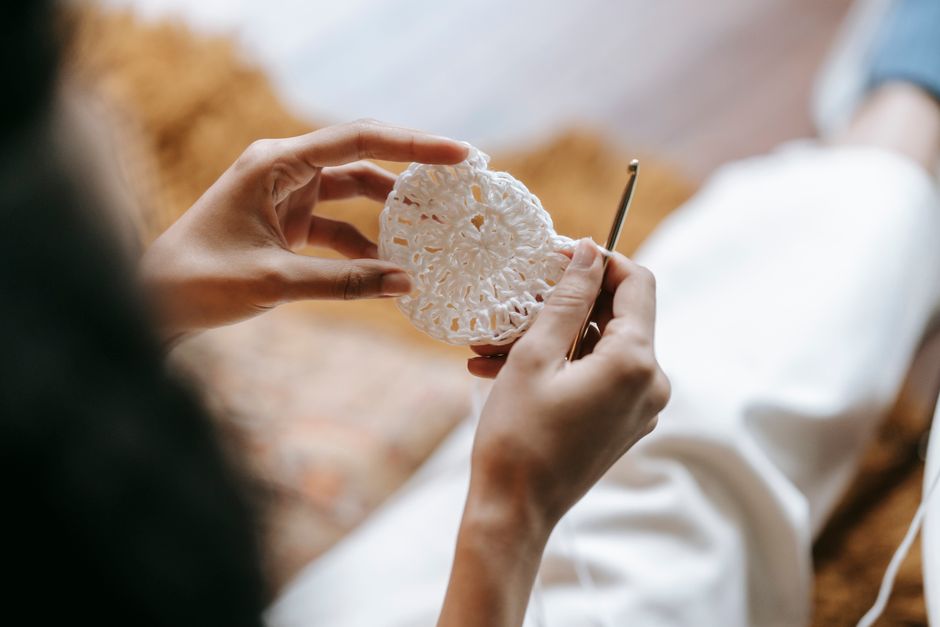
For crisp details like toes, snouts, and tiny ears, a smooth cotton or cotton blend shows stitch definition clearly. For soft, squishy characters, chenille yarn can look adorable, but it hides mistakes and can be harder to count. Acrylic is a good middle ground, it's affordable and comes in many colors.
Stuffing matters too. Polyester fiberfill is common and easy. Wool stuffing feels firm and "springy," and it can give a more sculpted look. Some crocheters use weighted pellets in the bottom for a sit-up pose, but always double-bag pellets inside fabric to prevent leaks.
Here's a simple material match guide:
- Cotton yarn: sharp details, clean faces, great for photo-ready toys
- Acrylic yarn: budget-friendly, durable, easy to wash
- Chenille yarn: super soft plush look, best for simple shapes
- Alpaca or wool blends: fuzzy charm, best for older kids and decor
Color planning is another secret weapon. Try using one main color plus one accent color plus one "tiny pop" color. That pop could be blush cheeks, paw pads, or a scarf. This kind of limited palette makes the toy look designed on purpose.
If you're unsure what yarn fits your idea, check How to Choose Crochet Yarn Types. Picking the right yarn upfront saves hours of frustration.
One more way to add "custom" texture is surface crochet and embroidery. Surface crochet is when you crochet on top of finished fabric to draw lines, like stripes or scales. Embroidery can add freckles, whisker dots, and tiny eyelashes. Even simple straight stitches can add a lot of charm.
A fresh trend worth noting: in 2025 and 2026, crochet plushies with "sensory textures" have grown on social platforms, especially mix-and-match yarn textures like smooth cotton bellies with fuzzy backs. That's not just cute, it's a design choice that makes your work stand out in photos and in hands.
Turn Your Idea Into a Repeatable Custom Pattern (so You Can Sell or Gift It)
A unique toy becomes truly powerful when you can make it again. That's where your custom pattern comes in. A pattern is just a clear set of steps, written in the order you crocheted them, with enough detail that "future you" won't get confused.

First, write down what you do as you do it. Don't trust your memory. Note your yarn, hook size, and stitch count per round. If you change something mid-round, write it too. Even little notes like "stuff lightly here" can save your next version.
Use this step-by-step method to create a clean draft pattern:
- Name each piece (Head, Body, Arm 1, Arm 2, Ear 1, Ear 2)
- Write rounds with stitch counts at the end of each round
- Mark increases and decreases clearly (example: inc, dec)
- Add "checkpoints" like "piece should be 3 inches tall now"
- Add assembly notes (pin placement, sewing order, embroidery tips)
After you have a draft, test it once without changing anything. That test is your proof. If you run into a confusing spot, your future customer will too, so rewrite it in plain words.
Then test again, but with a different yarn weight. This helps you see what parts are flexible and what parts need exact counts. You can even add a note like, "If using thicker yarn, stop increasing at Round 8 instead of Round 10." Those little options make your pattern feel professional.
For pattern terms and consistent abbreviations, the Crochet Guild of America is a helpful reference point for standards and education (CGOA). Keeping terms consistent builds trust, especially if you plan to sell patterns.
If your end goal is gifting, consider adding a "story tag." It's a tiny paper tag that says who the toy is and what makes it special. People keep those tags. If your end goal is selling patterns on Squarespace, take bright photos with a clean background and close-up shots of details. Buyers want to see the face, the seams, and the size in a hand.
FAQ Crochet Unique Stuffed Toys with Custom Patterns
What Is the Best Stitch for Amigurumi Stuffed Toys?
Single crochet is the most common stitch because it makes a dense fabric. Dense fabric holds stuffing well and keeps the shape smooth. Use a hook size smaller than the yarn label suggests, and keep your tension steady. If you see gaps, go down another hook size.
How Do I Keep My Stuffed Toy From Looking Lumpy?
Lumps usually come from uneven stuffing or loose stitches. Add stuffing in small pieces and push it into corners with the blunt end of a hook or a chopstick. Stuff firmly, but don't stretch the fabric. If the fabric stretches, the stuffing will show through.
How Do I Make My Crochet Toy Face Look More Expressive?
Face expression comes from placement and proportion. Try pinning eyes in three different spots before you commit. Move them one stitch wider, then one stitch higher, and compare. Small changes can turn "worried" into "sweet" fast.
Can I Sell Toys Made From My Own Custom Pattern?
Yes, if the pattern is truly yours, you can sell both the toys and the pattern. Keep clear notes that show your design process. If you're inspired by an existing toy, change enough elements that it becomes original, like new shapes, different construction, or a new character concept.
How Long Does It Take to Crochet a Custom Stuffed Toy?
A simple mini plush can take 1 to 3 hours. A medium toy with limbs, ears, and embroidery often takes 4 to 8 hours. Highly detailed designs can take 10+ hours, especially if you add texture, color changes, and sculpting.
Your Next Toy: Pick One Hero Detail and Start Tonight
You don't need a perfect plan to begin, you need one clear choice. Pick a base shape, choose one hero feature, and build in modules. That's the real secret behind how to crochet unique stuffed toys that don't look like everyone else's.
If you want a fun next project, try designing a "mascot creature" for your brand, like a tiny yarn dragon, a sleepy mushroom, or a cat with a strawberry hat. Then write down every round as you go.
If you'd like, share your idea and your yarn choice, and I'll suggest a base shape and three hero features that will look amazing in crochet.