
How to Crochet Stuffed Animals with Unique Patterns That Sell Well
Drop a new plushie listing and it gets 3 likes but no sales. That usually isn't a "your crochet isn't good" problem. It's a pattern choice problem, plus a few product decisions that shoppers notice fast.
This guide is about how to crochet stuffed animals with unique patterns that people actually buy. Not just "make it cute", but how to pick a concept, build a signature look, and finish it like a product, not a practice piece.
How to Crochet Stuffed Animals with Unique Patterns That Buyers Notice
Unique doesn't mean complicated. Buyers notice a clear idea from across the screen, then they zoom in for details.
A "unique pattern" that sells usually has three layers:
- A clean silhouette (the shape reads instantly, even in a thumbnail)
- One strong hook (a theme or feature that feels fresh)
- A repeatable build (you can make it again without hating your life)
Here are unique hooks that work well for stuffed animals, without turning into a 40-hour monster:
- Unexpected texture placement: bobbles only on paws, loop stitch mane, velvet belly panel.
- A signature face: sleepy half-lids, angled embroidered brows, or a tiny offset smile.
- Swapable accessories: magnet-free, button-free options like a removable hoodie, tiny backpack, or ear muffs that tie on.
- Mix-and-match body parts: one base body, then different ears, tails, horns, wings.
- Color storytelling: "strawberry milk" palette, "campfire" palette, "ocean glass" palette, with matching mini details.
A simple rule we use when designing: if the only "unique" thing is the yarn color, it's probably not unique enough. Add one structural or texture detail that becomes your signature.
If you want a deeper skill-builder for leveling up designs, crochet patterns for complex designs that still sell pairs well with this.
A Decision Framework: Pick a Pattern Style Based on What You're Selling
Different "unique" choices fit different buyers. Use this quick framework to avoid making a brilliant plushie that no one in your shop is shopping for.
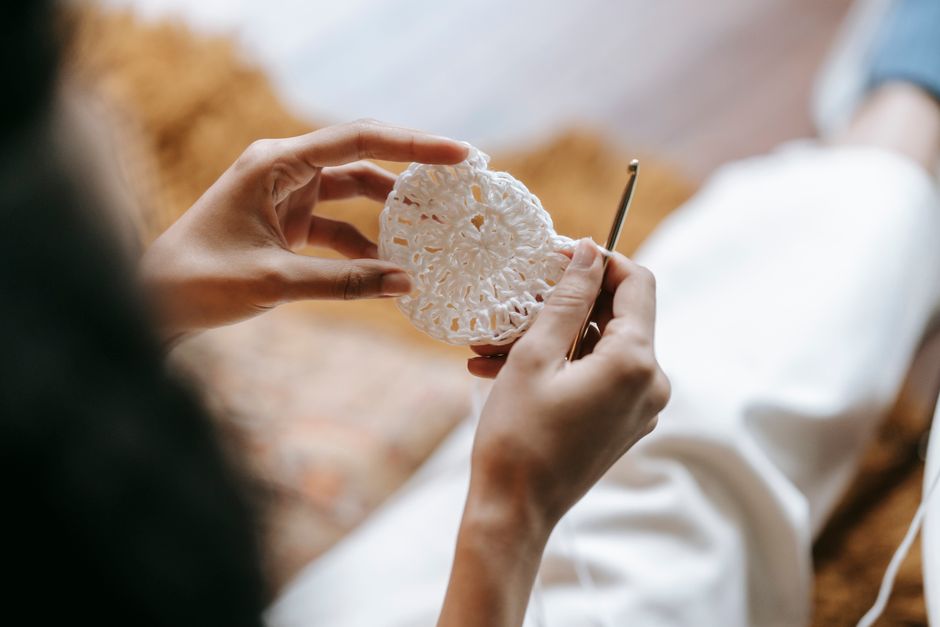
Choose Simple Shapes + Strong Styling If You Need Speed
Go this route if you want quicker makes and cleaner profit per hour.
Best for:
- Small keychain-size plush
- "Desk buddy" animals
- Bulk restocks
How to make it unique without making it hard:
- Keep the body as a sphere/oval.
- Add uniqueness in the ears, tail, and face embroidery.
- Use one texture stitch for a single panel.
Choose Modular Builds If You Want a Product Line
Go this route if you want 6 listings that look related.
Best for:
- Collections (forest animals, sea animals)
- Seasonal drops (winter hats, spring flowers)
- Custom orders with controlled options
How to make it work:
- Design one base body.
- Create a "menu" of add-ons (horns, wings, tails, outfits).
- Keep attachment points consistent so parts fit every time.
Choose Statement Textures If Your Buyers Love "Tactile Cute"
Go this route if your niche is sensory texture and cozy vibes.
Best for:
- Plush yarn animals
- Baby shower gifts (with safety notes below)
- Comfort plushies
How to keep it from looking messy:
- Use texture in blocks, not everywhere.
- Stabilize embroidered details (eyes, mouth) with a firm underlayer.
- Photograph texture clearly in natural light.
This framework saves you from random-design syndrome. It also makes your "unique" feel intentional.
Worked Example: Turn a Basic Bear Into a Signature Seller
Let's take a plain crochet bear (oval body, round head, small ears). It's cute, but it blends in.
Here's a concrete upgrade plan that creates a unique pattern shoppers can recognize as yours.
Step 1: Add a Recognizable Theme (Not Just a Color)
Pick one theme that shows up in at least three places.
Example theme: "Night Sky Bear."
- Navy body
- Cream muzzle
- Star details
Step 2: Make One Structural Change
Structural change means the shape changes, not just surface decoration.
For the Night Sky Bear:
- Use a slightly taller head (add 1 to 2 rounds before decreasing).
- Give it longer arms (2 extra rounds in the tube).
This changes the vibe from "baby bear" to "sleepy companion." Buyers feel that even if they can't name it.
Step 3: Add One Texture Panel
Keep it controlled.
- Crochet the belly as a separate oval panel in a slightly fuzzy yarn.
- Stitch it on cleanly with the same tension all around.
Now you have a touchable "comfort spot," and it photographs well.
Step 4: Build a Face Style Guide (so Every One Looks Like Your Brand)
Pick rules and stick to them.
Example:
- Eyes placed 1 round lower than "standard cute," for sleepy look.
- Eyebrows stitched with a slight tilt.
- Mouth as a small sideways curve (not a centered V).
Consistency is what turns "one cute plush" into "your recognizable plush."
Step 5: Finish with a Unique Detail That's Easy to Repeat
Add a detail that sounds special in a listing.
- Embroidered tiny stars on one ear and one foot.
- A removable scarf with a subtle sparkle strand.
That's it. One theme, one shape change, one texture panel, one face style, one repeatable signature detail.
If you also sell patterns, document these choices while you work. That becomes the bones of a pattern people can follow. For a full pattern-writing workflow, how to create crochet patterns for stuffed toy designs is the next step.
The "Sells Well" Part: Materials, Safety, Pricing, and Photos
Unique patterns don't sell if the listing feels risky. Stuffed animals are a trust purchase.

Yarn and Stuffing Choices That Make Your Plush Feel "Worth It"
We see better buyer reactions when the plush looks soft, but the stitches still look clean.
- Chenille/velvet yarn: very giftable, but mistakes show less and shaping can get blobby. Use fewer increases, and count tightly.
- Cotton or cotton blend: crisp stitches, great for detailed features, feels "heirloom."
- Acrylic: budget-friendly and consistent, great for bright character colors.
Stuff firmly, then add a tiny bit more. A plush that dents easily looks less polished in photos.
Safety Basics (Especially If You Mention Babies)
If your stuffed animal is intended for children under 3, small parts can be a choking hazard. Safety eyes, buttons, and loose accessories can be risky.
A good baseline is to follow the hazard guidance for small parts for young kids, like the CPSC small parts regulations and guidance. If you're unsure, avoid hard eyes and use embroidered features.
Also, be careful with claims. Instead of "safe for babies," use clear, honest wording like "embroidered eyes (no plastic parts)."
Pricing Without Guessing
Pricing is emotional for makers, but it's simpler if you separate:
- Time cost: your making time, plus finishing time (sewing, weaving ends, brushing).
- Material cost: yarn, stuffing, tags, packaging.
- Complexity premium: extra charge for lots of parts, color changes, or fussy details.
Unique patterns often cost more to make. Keep uniqueness in features that don't double your hours.
Photos That Actually Show "Unique"
Most plush listings fail because the best detail is invisible.
Shoot for these shots:
- One clear front photo for the silhouette.
- One close-up of the signature detail (texture panel, face embroidery, accessory).
- One scale photo (in hand, next to a mug).
- One back/side photo so buyers trust the construction.
If your hook is texture, photograph in side light so the texture casts tiny shadows.
Common Mistakes That Make Unique Plushies Hard to Sell
These show up a lot, even in high-skill work.
- Too many ideas at once: three textures, five colors, and a hat. The buyer's eye doesn't know where to land.
- Overly complex assembly: 14 small parts means inconsistent results, even if your pattern is good.
- Faces that vary wildly: the listing shows one expression, the buyer receives another.
- Uniqueness that depends on fragile bits: long felt lashes, dangly charms, loose ribbons.
- No clear theme: "cute animal" is not a theme. "Raincloud bunny" is.
A clean, repeatable concept beats chaos every time.
FAQ
How Long Does It Take to Design a Unique Stuffed Animal Pattern?
If you already crochet comfortably, the first version can happen in a weekend. The real time is in refining it so it comes out the same each time. Expect at least one full re-make after you take notes.

Should I Sell Finished Plushies, the Pattern, or Both?
Sell finished plushies if your photos are strong and you like production work.
Sell the pattern if you enjoy documenting steps and answering maker questions.
Doing both can work if you keep the "hero" design as the plush, and release the pattern later as a second product wave.
How Do I Keep My Plushies Unique Without Making Them Too Hard for Buyers to Follow?
Keep the base body simple. Put uniqueness into one repeatable feature (a texture panel, face style, or modular accessory). Write that feature clearly, with stitch counts and placement notes.
Build One Signature Collection, Then Grow It
The fastest way to stand out is not a one-off masterpiece. It's a small line that looks related, with a signature face and one recognizable design hook.
If you want, start with one base animal you can crochet smoothly, then make three variations using the framework above. That's usually enough to see what shoppers react to, and it keeps your "unique" consistent instead of random.
We sell crochet patterns and design plushies for real buyers, so we're happy to keep pushing the craft side and the selling side together. If you're ready to go deeper on building patterns that are fun to make and easy to repeat, use the internal links above as your next steps.