
Crochet Patterns for Complex Designs: Buy Unique Patterns for Any Project
"Complex is only scary when the pattern doesn't tell you what to do next." That's the whole game with crochet patterns for complex designs.
If you've ever saved a gorgeous pattern, bought yarn, then stalled on row three, you already know the problem. A "pretty" pattern isn't always a usable one. What you want is a design that's challenging in a fun way, with clear structure, clean shaping, and details that actually match the photo.
We design and sell crochet patterns, and we build them to be crocheted, not just admired. Below is a practical way to pick the right complex pattern, avoid the common time-sinks, and finish with a project you're proud to show off.
Choose the Right Complex Pattern (Without Guessing)
A complex crochet pattern can be complex for different reasons. Knowing which kind of "hard" you're signing up for is the fastest way to pick a pattern you'll finish.
Here's our decision framework. Choose the pattern type that matches what you enjoy, not just what looks impressive.
- Lots of pieces + assembly: Great if you like variety and short bursts of focus. Hard part is keeping parts consistent and sewing neatly.
- Shaping and structure (3D forms, curves, sculpting): Great if you like problem-solving. Hard part is stitch placement and tension (how tight or loose you crochet).
- Colorwork and charts (tapestry, intarsia, mosaic): Great if you like visual payoff. Hard part is managing floats (carried yarn), keeping edges straight, and reading charts.
- Stitch-pattern complexity (lace, overlays, post stitches, texture): Great if you like rhythm once it clicks. Hard part is counting and recognizing repeats.
Before you buy, scan the listing for these "green flags" that usually mean you're getting a pattern you can actually follow:
- A materials list with specific yarn weight (like DK or worsted) and hook size
- A stitch glossary or a link to technique notes
- Clear progress photos, not just one posed final shot
- Notes that tell you where to place key stitches (especially in shaping)
One more non-obvious check: look for a pattern that tells you what the piece should look like at checkpoints. "At the end of round 12, you should have a shallow bowl" is worth its weight in yarn.
Beginner-To-Advanced Progression: How to "Level up" Without Burnout
Complex crochet doesn't need a giant leap. The smoothest path is stacking one new challenge at a time.

Step 1: Start with One Hard Thing
Pick a pattern where only one element is new.
Examples:
- If you've never done shaping, choose a pattern with shaping but simple stitches.
- If you've never followed a chart, choose a flat chart project before a shaped one.
This keeps the learning curve steep in one place, not everywhere.
Step 2: Add a Second Challenge on Purpose
Once you've finished one "hard thing" project, add another.
A good combo is:
- Shaping + simple color changes, or
- Texture stitches + basic assembly
Avoid pairing two fragile skills at once, like tight shaping plus complex chart colorwork. That combo is where most unfinished projects are born.
Step 3: Move Into Designer-Level Builds
Designer-level patterns tend to include:
- multiple pieces that must match sizes,
- small details (eyelids, toes, spikes, overlays),
- and places where one stitch being off shifts the whole shape.
If you're building complex stuffed toys or animals, you'll get extra mileage from learning clean seams and consistent stuffing. Our readers often pair complex patterns with a "character" goal, like making a creature that looks mischievous, sleepy, or grumpy, not just "cute." If that's your lane, you'll probably enjoy How to Crochet Unique Stuffed Toys: Custom Patterns That Feel Like You.
A Worked Example: Picking Yarn, Planning Time, and Avoiding Pattern Traps
Let's walk through a real decision, the kind you make before buying a complex crochet pattern.

Scenario: You want a detailed crocheted creature with defined features (snout, ears, limbs, maybe horns), and you want it to look crisp in photos. You can crochet clean single crochet, but you don't want to redo parts five times.
Pattern Complexity Check
Assume the pattern includes:
- separate head and body with shaping,
- four limbs,
- small accent pieces,
- and some surface details (embroidered mouth, maybe eyelids).
This is "complex by structure." The risk is not the stitches. The risk is that tiny size differences stack up and the toy twists or looks lopsided.
Yarn Decision (Where Most People Accidentally Make It Harder)
If you choose fuzzy yarn for a crisp, detailed pattern, you'll hide your stitches, lose definition, and make it harder to count. Fuzzy yarn can be great, but it's usually better for simpler silhouettes.
For crisp detail, you want a smooth yarn with good stitch definition. You also want a hook size that makes a tight fabric so stuffing doesn't peek through.
A practical way to choose:
- Smooth cotton or cotton blend: sharp stitches, holds shape well
- Smooth acrylic: softer, forgiving, usually easier to wash
- Chenille/blanket yarn: plush, but hides details and makes counting harder
If you want a deeper yarn breakdown, we keep it practical here: Best yarn types for crocheting and what they're good at.
Time Planning (so You Don't Quit Midway)
Complex projects fail in the "in-between." Not the first round, not the last detail, but the middle stretch where you're making the second limb and it feels endless.
We plan complex makes in modules:
- Build the "core" first (head and body). If the core looks right, motivation stays high.
- Make all matching parts in one sitting (all limbs together). Your tension stays consistent.
- Do detail work last (eyes, embroidery, accessories). Details are easier after the shape is solid.
Common Pattern Traps (and How We Work Around Them)
- "Repeat around" without telling you where the round begins: Use a stitch marker for round start and move it every round.
- Invisible decreases not specified: If a pattern doesn't say, choose one method and stick to it throughout so the texture matches.
- Assembly vague instructions: Pin pieces in place before sewing. Take a quick photo of the pinned layout so you can re-check symmetry.
That last one is the big secret. Pinning and photographing before sewing prevents the "why is the face drifting left" moment.
Buying Unique Designs: What You're Really Paying For
A unique complex crochet pattern isn't just a new shape. It's a design that's been thought through so you can reproduce it.
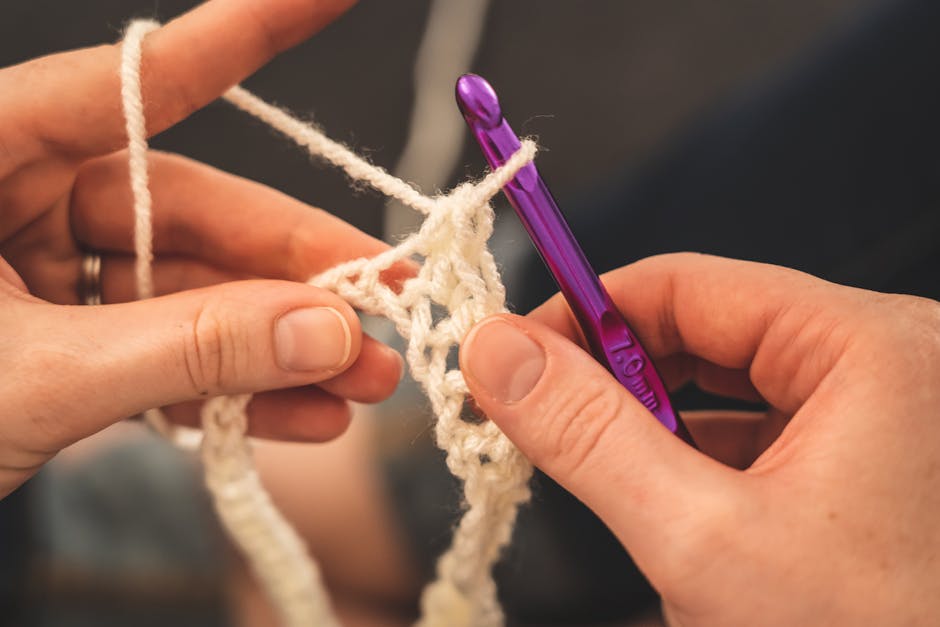
Here's what you should expect a good paid pattern to include, especially for complex builds:
- Clear stitch counts that stay consistent across rounds
- Techniques explained or referenced (like special decreases, surface crochet, overlays)
- Sizing notes (even if it's one size, it should tell you how yarn choice changes the finished size)
- Finishing guidance (stuffing firmness, how to shape, where to place features)
If you want the most "worth it" complexity, pick a pattern where the hard parts create visible impact. Texture that reads from across the room. Shaping that makes a silhouette. Details that create expression.
A pattern that's complex only because it's confusing is not a flex. It's a time tax.
DIY vs Buying: a Quick, Honest Rule
Buying a complex pattern makes sense when:
- you want a specific look you can't easily draft,
- you'd rather spend time crocheting than experimenting,
- you want reliable shaping and assembly steps.
DIY drafting makes sense when:
- you love trial-and-error,
- you want to invent a brand-new character,
- you're happy to frog (undo) and redo as part of the process.
Lots of crocheters do both. We do too. We buy patterns to learn a technique cleanly, then we remix that skill into our own designs.
Your Next Step: Pick a Pattern You'll Actually Finish
Complex crochet is supposed to feel satisfying, not punishing. Choose a pattern with one main challenge, pair it with a yarn that shows your stitches, and plan the build in modules.
If you're shopping for crochet patterns for complex designs, look for designs that teach you something and still look amazing on the hook. That's what we aim for in our shop at artncraftartncraft.art, patterns that are bold, clear, and worth the time you put into them.