
How to Crochet Detailed Stuffed Animals: Unique Patterns to Sell Today
A lot of crocheters are noticing the same thing in 2026, buyers aren't just searching for "cute plush." They're searching for personality, tiny details, and gift-ready finishes. If you're here for How to Crochet Detailed Stuffed Animals, you're in the right place. You'll learn what makes an amigurumi (small crocheted plush) look premium, how to plan patterns that sell, and how to finish your pieces so they look like they came from a boutique.
The best part is you don't need complicated tools. You need smart shaping, clean stitches, and details that feel intentional. Let's turn your crochet skills into patterns people actually want to buy.
What Makes a Stuffed Animal "Detailed" (and Why That Matters for Sales)
"Detailed" doesn't mean you cram in ten techniques and hope it works. It means the stuffed animal looks clear and expressive from across the room, then still looks impressive up close. Buyers pay for that second look. They want tiny toes, neat color changes, and faces that feel alive.
Here are the details that usually separate a basic plush from a sellable, premium one. These also make your listing photos pop, which matters on marketplaces and on your own Squarespace shop.
- Strong silhouette (clear ears, snout, tail, wings, or horns)
- Smooth shaping (no lumpy stuffing, no weird corners)
- Clean stitch tension (even rows, consistent fabric)
- Intentional face design (eye placement, eyelids, brows, blush, muzzle)
- Small texture contrasts (bobble stitches, surface crochet, ribbing)
- Pro-level finishing (hidden joins, neat color changes, secure parts)
Those details also help with safety and durability. A well-shaped piece uses less stuffing shifting over time, and a secure finish reduces returns. If you sell finished items or patterns, fewer complaints equals better reviews.
If you're building skills from the ground up, it helps to review the fundamentals like tight single crochet, counting stitches, and joining cleanly. This pairs well with crocheting tips for beginners even if you're not a total beginner.
How to Crochet Detailed Stuffed Animals with Pro-Level Shaping
Most "wow" plushies are built from boring basics done really well. The core is tight single crochet in the round, plus increases and decreases that land exactly where you want the shape to change. If your shaping is strong, you need fewer "extra" decorations.
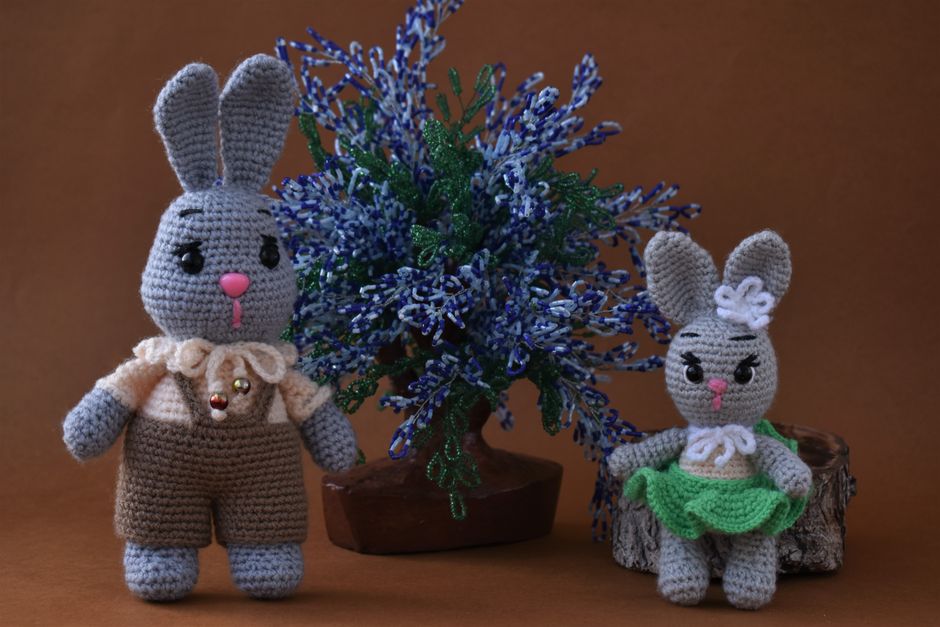
Start by thinking like a sculptor. A head isn't just a ball. A bear head has cheek volume. A fox head has a longer muzzle. A frog head is wide and flat with high eyes. Plan those shapes on purpose.
Use this simple, repeatable shaping workflow for almost any animal.
- Sketch the animal as 3 to 5 simple shapes (head, body, muzzle, limbs, tail)
- Decide what needs structure (muzzle, cheeks, eye bumps, paws)
- Place increases where you want fullness (cheeks, belly, thigh)
- Place decreases where you want pinch (neck, ankle, tail base)
- Test eye placement before closing the head (use pins first)
- Add micro details last (eyelids, blush, embroidery, spots)
Now the stitch side. For tight fabric that hides stuffing, many makers use a smaller hook than the yarn label suggests. That gives you a firm "amigurumi fabric." Yarn labels are great for blankets, but plushies need density.
Here are the shaping moves that create "detail" without making your pattern feel hard.
- Invisible decrease (keeps the surface smooth)
- Short rows (creates cheeks, eyelids, and sloped backs)
- Surface crochet (adds outlines, smiles, stripes, and seams)
- Popcorn or bobble stitches (great for paws, snouts, and texture)
- Simple wire-free structure (strategic stuffing and tight fabric)
A quick safety note if you sell finished toys. If the item is meant for kids, check the rules for small parts and labeling where you live. In the US, the Consumer Product Safety Commission has guidance on toy safety and small parts risks at CPSC. Even if you only sell patterns, it's smart to mention safety choices in your pattern notes.
Pattern Ideas That Sell: Designing "Unique" Without Being Weird
Unique sells best when it still feels familiar. Think "classic animal with a twist." Buyers love recognizable creatures, but they also want a story. Your job is to add one or two signature features that make it yours.
A good rule is "one hero detail." Give the plush a standout element, then keep everything else clean and readable. If everything competes, nothing looks special.
Here are stuffed animal pattern concepts that tend to sell well as gifts and collector plush.
- Woodland animals with accessories (scarf, satchel, tiny hat)
- Pocket-size "emotional support" animals (tiny bodies, big heads, sweet faces)
- Sea creatures with texture (octopus tentacles, turtle shells, whale pleats)
- Fantasy mashups that still read clearly (dragon-bunny, axolotl-cat)
- Food-themed animals (strawberry cow, boba bear, sushi seal)
- Seasonal minis (pumpkin bat, snowman penguin, heart fox)
After you pick the concept, bake detail into the pattern in ways that feel achievable. A buyer who crochets wants a clear path, not mystery. Add small upgrades like eye ridges, shaped snouts, or embroidered paw pads. These raise perceived value, and they photograph beautifully.
Pricing and selling also depend on how you package the pattern. Buyers love patterns that include clear stitch counts, progress photos, and finishing tips. If you want to sell patterns consistently, build a small "collection" that shares a style, like the same eye type and the same body base.
If you want inspiration for more complex builds, check crochet patterns for advanced projects. Even if you keep your designs simple, advanced pattern structure can teach you how to write instructions that feel professional.
Materials and Finishing: the Stuff That Makes Buyers Trust You
Details aren't only about shaping. Materials and finishing tell the buyer, "This will last." That trust is what turns a casual browser into a customer.

Yarn choice matters because stitch definition (how clearly stitches show) affects the look of tiny features. Cotton shows crisp stitches and makes clean embroidery. Plush yarn feels cuddly, but it hides detail and can be harder to count. Many sellers do best with a smooth worsted or DK yarn for detailed faces and accessories, then reserve plush yarn for simple, round shapes.
Here's a practical materials checklist for detailed stuffed animals.
- Smooth yarn for definition (cotton, cotton blends, or smooth acrylic)
- Small hook for tight fabric (often 0.5 to 1.5 mm smaller than label)
- Stitch markers you trust (locking markers help a lot)
- Stuffing that springs back (polyfill is common)
- Strong needle and matching thread for sewing parts
- Safety eyes or embroidery thread for eyes (choose based on audience)
Finishing is where many plushies lose points. Your pattern can be amazing, but if the seams are messy, the photos won't sell it. Spend extra time on these steps.
- Stuff in small layers and shape as you go, don't over-pack the first handful
- Close openings with tight stitches, then weave in ends in three directions
- Pin limbs before sewing so both sides match
- Use a ladder stitch for invisible seams (it "zips" the gap shut)
- Add embroidery last, after you're happy with the face placement
For pattern sellers, include these finishing steps in your PDF. Many customers buy a pattern because they want your result, not just the stitch counts.
If you want a credibility boost, point out that you follow best practices for clear instructions and testing. Also keep an eye on marketplace trends. For example, Etsy regularly reports on what shoppers are searching for and buying in its annual trend updates, which can help you choose themes and colors. You can explore their newsroom and reports at Etsy News. For color direction, many makers also watch yearly color reporting like Pantone because it influences what looks "current" in photos.
Selling Your Crochet Patterns Today: Photos, Descriptions, and Value
If you want your patterns to sell, design is only half the job. The other half is how you present it. Buyers scan fast. They look at the first image, then the title, then they decide if they trust you.
Start with photos that show scale and detail. A close-up of the face and paws can be the difference between a scroll and a click. Use natural light, simple backgrounds, and one "lifestyle" photo that shows it as a gift.
Your listing should also answer buyer questions without making them dig. Include skill level, finished size, yarn weight, and what stitches you use. If the pattern uses an uncommon technique, explain it in simple words.
Here's what to include in a pattern listing so it feels worth the money.
- Clear skill level (confident beginner, intermediate, advanced)
- Finished size in inches and centimeters
- Materials list with yarn amounts and hook size
- Stitch glossary (define terms once, keep it consistent)
- "You'll learn" section (like eyelids, shaping, surface crochet)
- Printing tips (mobile-friendly, tablet-friendly, printer-friendly)
Now let's talk pricing in a realistic way. Many crochet pattern sellers price based on complexity, page count, and how unique the design is. A tiny no-sew mini might be $3 to $5. A larger detailed plush with accessories might be $7 to $12, sometimes more if it's a bundle.
If you sell on your own site, you can add value with bundles, updates, and customer support. If you want to offer custom options or more intricate designs, buy custom crochet patterns for sale can help shoppers find the right kind of premium pattern format.
FAQ
What's the Best Yarn for Detailed Crochet Stuffed Animals?
Smooth yarn usually gives the best detail. Cotton or cotton blends show stitches clearly, so faces and tiny parts look clean. Smooth acrylic can also work well and is often softer and cheaper. Plush yarn feels cozy, but it hides shaping, so it's better for simple designs or bigger plushies.
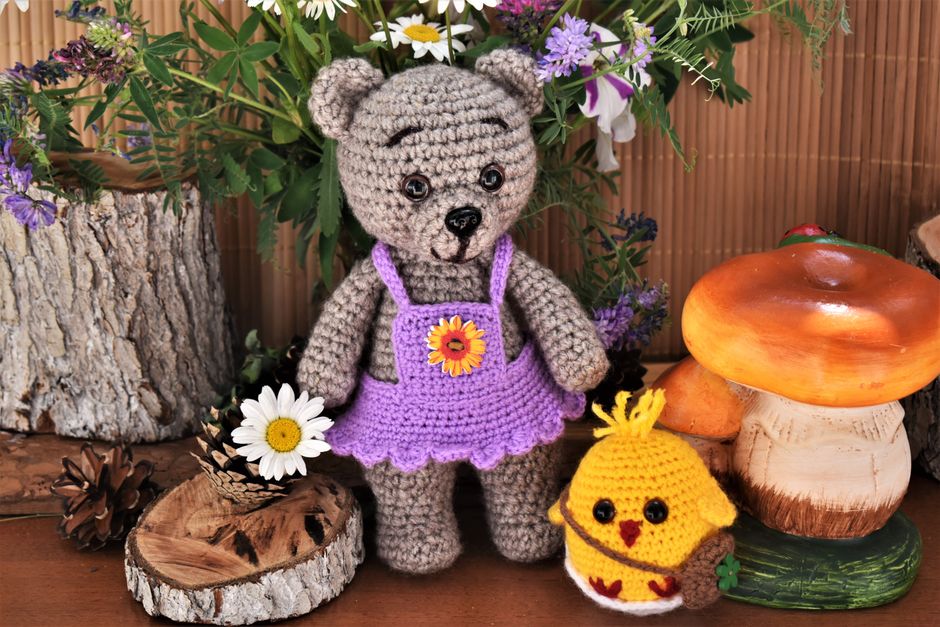
How Do I Keep Stuffing From Showing Through?
Use a smaller hook than the yarn label suggests and keep your tension steady. Stuff in small layers and spread it evenly with your fingers or a chopstick. If you see stuffing peeking through, it often means the fabric is too loose or the toy is overstuffed. Tight single crochet and careful stuffing fix most of it.
How to Crochet Detailed Stuffed Animals Without Making Them Too Hard?
Pick two detail upgrades and keep everything else simple. For example, do a shaped muzzle and embroidered eyebrows, but keep the body as an easy oval. Another simple combo is surface crochet stripes plus a small tail. Buyers love results that look advanced, even if the steps are beginner-friendly.
Are Safety Eyes Okay If I Sell Finished Toys?
Safety eyes can be secure, but they can still be a choking risk for very young kids. Many sellers switch to embroidered eyes for baby gifts. If you sell finished items, check your local rules and include clear age guidance. For more safety references in the US, the CPSC is a solid starting point.
How Many Photos Should I Include When Selling a Crochet Pattern?
Aim for 7 to 10 images if you can. Include a front view, side view, back view, and close-ups of the face and any hero detail. Add at least one photo showing scale, like in a hand or next to a mug. Clear images reduce refund requests and help buyers feel confident.
Make Your Next Plush a "Signature" Pattern People Recognize
Crafting unique stuffed animals is fun, but selling patterns works best when you build a recognizable style. Choose a face shape you love, stick to a consistent finishing method, and create a small line of animals that share the same "world." That consistency makes your shop look professional and helps buyers trust your next release.
If you want to keep leveling up, start a simple testing routine. Crochet one sample, write notes, then crochet it again from your own pattern. Fix anything that slows you down. That's the fastest path to patterns that feel clear, polished, and worth paying for.
Ready to turn your next idea into a real product? Pick one animal, add one hero detail, and write the pattern like you're teaching a friend. Then list it, promote it, and keep building your collection.