
Crochet Patterns for Beginners: Create Adorable Stuffed Animals to Sell
In 2026, "crochet plushies" and "amigurumi" (crocheted stuffed toys) keep popping up in gift guides and craft fairs, and that's great news for makers. If you want Crochet Patterns for Beginners that actually sell, start with small, cute stuffed animals with simple shapes, fast stitching, and clear photos. That combo helps you finish more items, build confidence, and list products sooner.
This guide gives you beginner-friendly stuffed animal ideas, a simple pattern formula you can repeat, and practical selling tips. You'll learn what yarn to pick, which stitches matter most, and how to price your work without guessing. By the end, you'll have a plan for making adorable plushies that people love to buy.
Why Stuffed Animals Are the Best Crochet Patterns for Beginners to Sell
Stuffed animals are forgiving, which is exactly what beginners need. Small mistakes often disappear once the toy is stuffed and shaped. That's why many Crochet Patterns for Beginners focus on simple rounds, tight stitches, and basic increases and decreases.
They also sell well because they feel personal. A plush bee, bunny, or tiny dinosaur looks handmade in the best way. People buy them as baby gifts, desk buddies, birthday surprises, and "just because" treats.
A big 2026 trend is buyers asking for "pocket-sized" plushies that fit in a hand or bag. They're quick to make, easy to ship, and affordable for customers. That size is also perfect for practice, because you can finish one in an evening and learn faster.
Here are a few reasons beginner stuffed animals are a smart product choice:
- They use small amounts of yarn, so your cost per item stays low
- You can repeat the same base body and change ears, wings, or colors
- Customers understand them right away, so they're easy to market
- They photograph well, especially with bright yarn and simple faces
If you're curious what makes a plush look truly "next level," keep this beginner guide handy and later explore How to Crochet Unique Stuffed Animals for advanced shaping ideas.
A Simple "Repeatable Pattern" Formula for Cute Plushies
Beginners often get stuck because every pattern feels different. The trick is building a repeatable formula you can reuse across many animals. Most amigurumi stuffed animals are made from the same core shapes: a ball (head), an oval or bean (body), tubes (arms and legs), and flat ovals (ears and wings).
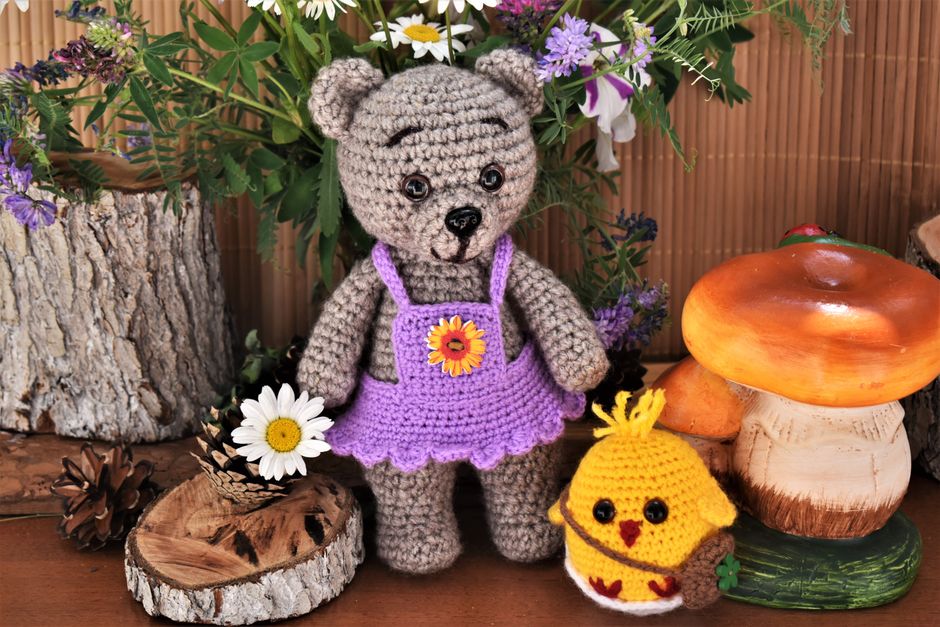
For Crochet Patterns for Beginners, focus on tight single crochet stitches in the round. Tight stitches prevent stuffing from showing through. Many makers use the "invisible decrease" technique, but you can start with standard decreases and upgrade later.
A reliable plush formula looks like this:
- Make a magic ring (adjustable starting loop)
- Increase evenly to form a circle or sphere
- Work even rounds to build height
- Decrease evenly to close the shape
- Stuff firmly, then finish closing
After you've made the basic pieces, assembly is where the personality shows up. Eye placement, a tiny embroidered smile, and simple blush marks can change everything.
Use this checklist to keep your beginner plushies consistent:
- Keep stitch counts written down round by round
- Use a stitch marker so you don't lose your place
- Stuff in small pieces, not one big clump
- Pin parts before sewing so the face looks even
For safety, especially if you plan to sell for babies, learn about toy safety guidance. In the U.S., the Consumer Product Safety Commission has helpful product safety info for children's items, including choking hazards like small parts. See CPSC for general safety reminders.
Beginner Stuffed Animal Pattern Ideas That Sell (with "Easy Wins")
If your goal is to sell, pick designs that are cute and simple, not complicated and slow. A beginner-friendly pattern should use one main stitch (single crochet), have minimal color changes, and require only a few pieces to sew on.
You can build a small "starter collection" that looks cohesive in your shop. Think matching size, matching eye style, and a consistent color palette. That makes your listings look professional, even if you're brand new.
Here are stuffed animals that work especially well as Crochet Patterns for Beginners:
- Mini bee (striped body, tiny wings)
- Jellyfish (round top, simple tentacles)
- Pocket bunny (oval body, two ears)
- Chunky whale (one body piece, small fins)
- Tiny octopus (simple arms, cute face)
- Sleepy cat (small triangle ears, embroidered eyes)
If you want variety without harder techniques, swap details instead of changing the whole body. A bear body can become a mouse with round ears, or a fox with pointy ears and a white snout.
To keep production fast, set limits for your first product line:
- Choose 3 animals that share the same body base
- Pick 5 yarn colors that look good together
- Use one eye style across all plushies (safety eyes or embroidery)
- Keep each plush under 2.5 hours to make
The "under 2.5 hours" goal is important for selling. It helps you price fairly and still earn something for your time.
For yarn and hook basics, your materials matter more than people think. A smoother yarn shows stitches clearly and helps your plush look clean. If you want a simple shopping guide, read Crochet supplies and materials and build a small kit you can rely on.
Materials, Yarn Choices, and Toy-Safe Finishing That Buyers Notice
Buyers may not know crochet terms, but they notice quality. They feel it in the fabric, see it in the stitching, and trust it when seams look strong. For Crochet Patterns for Beginners, the easiest upgrade is choosing the right yarn and stuffing, then finishing neatly.
Start with a medium-weight yarn that doesn't split easily. Cotton or cotton blends give crisp stitches and hold shape well. Chenille plush yarn is trendy and super soft, but it can hide stitches and make counting harder. If you do use plush yarn, practice first on a small sample so you don't get lost.
A good beginner kit includes:
- Worsted weight yarn in 2 to 4 colors
- A hook that matches your yarn label (often 3.5 mm to 5 mm)
- Polyester fiberfill stuffing
- Stitch markers and a yarn needle
- Safety eyes (optional) and black embroidery thread
Safety eyes are popular, but they aren't always the best choice for baby toys. Many sellers switch to embroidered eyes for items meant for kids under 3, because embroidery removes the small-parts risk. The American Academy of Pediatrics shares safety guidance for choking hazards and small objects, which is worth reading if you market to parents. See AAP for child safety info.
Finishing details that make your plush look "store-ready" are simple:
- Weave in ends deep inside the toy, not near the surface
- Use strong, even sewing stitches for limbs and ears
- Shape the face before final stuffing so it sits correctly
- Brush or "massage" the toy lightly to smooth the fabric
If you want your listings to get fewer returns, always note the yarn type and care instructions. Some yarns pill (form little fuzz balls) over time, and customers appreciate honesty.
How to Turn Crochet Patterns Into Products People Buy
Making a cute plush is step one. Selling it means thinking like a small shop owner. Your product photos, listing words, and pricing are just as important as your stitching.

Start with clear product descriptions that answer real buyer questions. What size is it? How soft is it? Is it safe for babies? Can it be washed? Add a simple ruler photo or hold the plush in your hand so the size makes sense.
Pricing is where many beginners undercharge. You need to cover materials, time, fees, and a little profit. A practical pricing method is:
- Add up material cost (yarn, stuffing, eyes, packaging)
- Track your time for one plush (use a timer once)
- Pick an hourly rate that feels fair for your skill level
- Add platform fees and shipping supplies
As a starting point, many makers find that small plushies priced too low sell fast but burn you out. A better goal is a price that feels slightly scary but still reasonable for a handmade gift.
Your marketing can be simple, too. Post short clips showing the plush turning in your hand, stuffing going in, or the face being stitched. Handmade buyers love seeing the process because it builds trust.
For pattern sellers, include strong pattern photos, stitch counts, and clear abbreviations. If you want to grow beyond beginner designs later, you can level up with Advanced crochet pattern techniques and add unique shaping that stands out in a crowded market.
To support claims about the growth of handmade and online craft buying, keep an eye on industry reporting. For example, Etsy Investor Relations shares marketplace updates and trend notes that can help you understand what shoppers are searching for.
FAQ
What Are the Easiest Crochet Patterns for Beginners for Stuffed Animals?
The easiest stuffed animals use single crochet in the round with simple increases and decreases. Great starter options include bees, jellyfish, whales, and pocket bunnies. These patterns usually have one main body piece and only a few small parts to sew on. That keeps you focused on stitch consistency, not complex assembly.
How Do I Keep Stuffing From Showing Through My Stitches?
Use a smaller hook than the yarn label suggests, and keep your tension firm. Single crochet stitches should look tight, with minimal gaps. Stuff in small amounts and stop before the toy feels stretched, because overstuffing pulls stitches apart. If you still see gaps, switch to a smoother yarn that doesn't split and practice with a simple sphere.

Can I Sell Items Made From Crochet Patterns for Beginners?
Usually, yes, but read the pattern's license notes first. Some designers allow selling finished items, while others limit commercial use. If you're writing your own Crochet Patterns for Beginners, you can sell both the finished plushies and the pattern itself. Keep records of where your pattern came from and follow any rules the designer lists.
What Should I Use for Eyes If I'm Selling Plushies for Babies?
Embroidered eyes are often the safest choice for baby gifts because they remove the small-parts risk. Safety eyes can be secure, but they still count as small components and may not be suitable for very young children. If you market "baby-safe," be extra careful with seams, stuffing access, and labeling. Checking general toy safety guidance from sources like CPSC can help you make smarter decisions.
How Many Plushies Should I Make Before I Start Selling?
Start with 5 to 10 finished plushies so your shop looks full and buyers have choices. Make them in a consistent style, like the same size and eye look, but with different colors or animals. Track how long each one takes, because that data helps you price correctly. After your first few sales, you can adjust sizes and add new designs based on what people actually buy.
Your Next Step: Pick One Pattern and Make It Five Times
The fastest way to get good at Crochet Patterns for Beginners is repetition with small changes. Choose one simple plush base, like a whale or bunny, and make it five times using different colors or tiny accessories. You'll get smoother stitches, faster assembly, and more confident photos for your listings.
If you want, visit my Squarespace shop at https://artncraftartncraft.art and grab a beginner pattern that matches your vibe. Then message me what animal you're making, and I'll tell you the easiest tweak to make it feel one-of-a-kind.