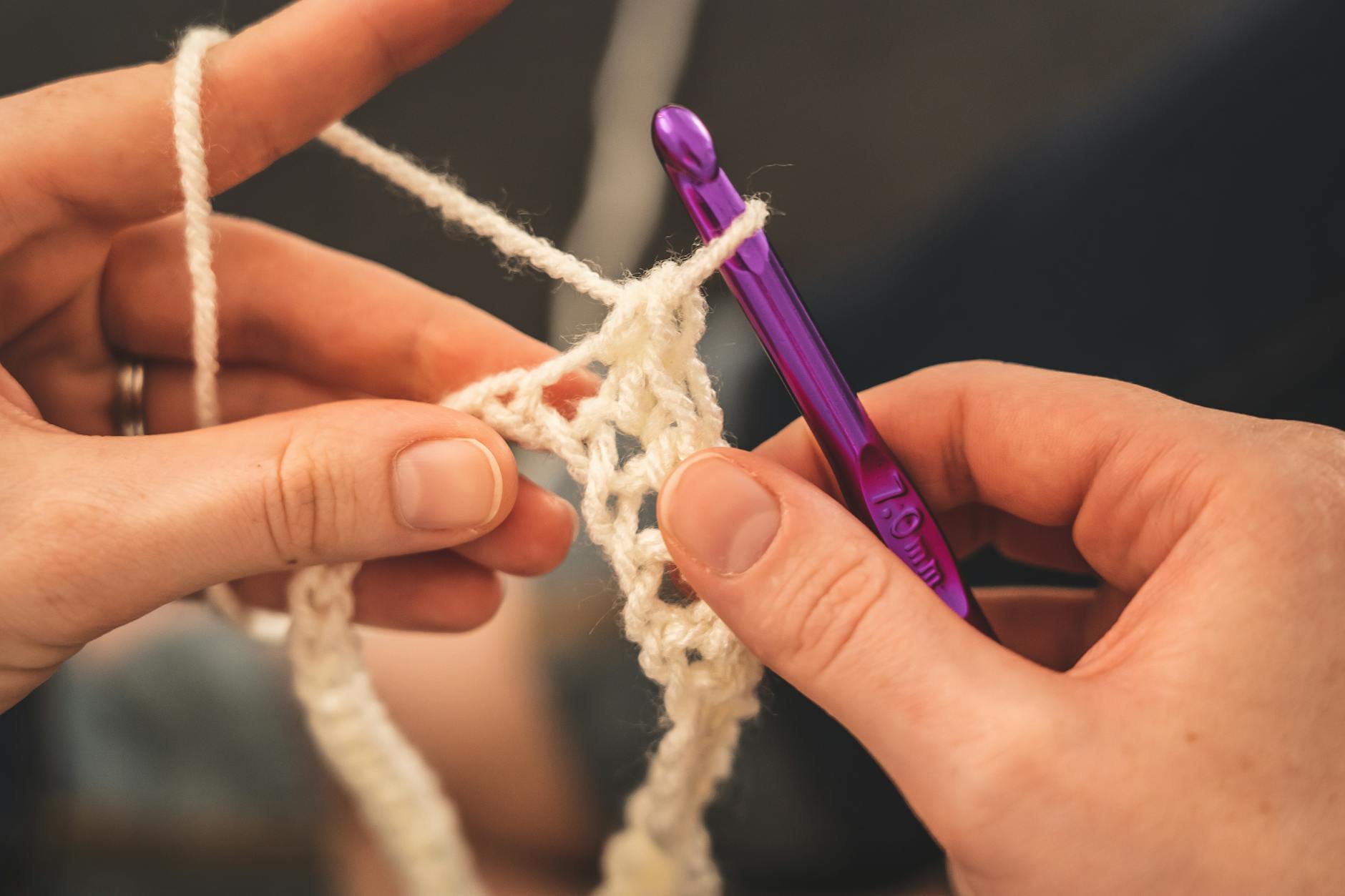
Crochet Patterns for Advanced Crocheters: Craft Unique Designs That Sell
You can spend 12 hours designing something wild, only to hear, "It's beautiful... I'd never make that." That's the trap with advanced work. The goal isn't just difficulty. It's making a piece that looks special, feels doable, and solves a real "I want that" moment.
This guide is for crochet patterns for advanced crocheters who want their designs to sell, not just impress. We'll walk through what buyers actually pay for, how to build patterns that are advanced in a satisfying way (not frustrating), and how to package your idea so makers trust it enough to buy.
Start with a Sellable "Hook," Not a Complicated Stitch
Advanced crocheters don't automatically want the hardest thing possible. They want a reason. The best-selling advanced patterns usually promise one clear payoff: a shape that looks store-bought, a texture that reads as luxury, or a clever construction that feels like magic.
We design around a "hook," meaning the main feature someone can see in one photo and immediately understand. Complexity is the support, not the headline.
Here are sellable hooks that tend to convert well for advanced patterns:
- A bold silhouette (oversized collar, sculpted sleeves, dramatic hood)
- Clean shaping (set-in sleeves, bust darts, waist shaping, good drape)
- Texture that looks expensive (waffle variants, post-stitch relief, mosaic, cables)
- Smart construction (seamless top-down, modular join-as-you-go, reversible pieces)
- A tight theme (one animal, one character style, one "collection" vibe)
A quick decision rule we use: if the hook can't be explained in 8 words, it's probably too fuzzy to sell.
Next, pressure-test the idea before you write a single line of a pattern.
A Quick Decision Framework: Choose the Right Kind of "Advanced"
Not all advanced difficulty feels good to crochet. Some types feel like a fun challenge. Others feel like counting punishment. Your buyers will tell the difference, even if they can't name it.

Use this framework to pick the kind of advanced that matches your audience.
Choose Texture-Advanced If You Want Fast Wins
Texture-advanced patterns look impressive without demanding perfect shaping.
Pick this if:
- Your design is for home decor, bags, cowls, or chunky wearables
- You want strong photos and clear stitch definition
- You want fewer size variables
Watch-outs:
- Highly textured fabric can get stiff, especially in cotton
- It can eat yarn fast, which affects buyer satisfaction
Choose Shape-Advanced If Fit Matters
Shape-advanced patterns win on polish. They feel "designer."
Pick this if:
- You're making garments, fitted accessories, or sculpted plush
- You enjoy math and clean structure
- You can explain fit steps clearly
Watch-outs:
- Grading (scaling sizes) adds time
- One confusing shaping section can ruin reviews
Choose Construction-Advanced If You Want "Wow, That's Clever" Energy
Construction-advanced patterns sell because they feel innovative.
Pick this if:
- Your pattern has modular pieces or a surprising build order
- You can teach with photos or diagrams
- You want makers to feel proud of the process
Watch-outs:
- Too many assembly steps can scare buyers
- "Clever" has to stay readable, not cryptic
If you want to sharpen the technique side before you design, our walkthrough on advanced crochet techniques and yarn choices pairs well with this article.
Worked Example: Designing an Advanced Plush Pattern That Sells
Here's a concrete way we'd build an "advanced but sellable" plush pattern, without making it miserable.

The Concept: a Poseable, Weighted Creature with Clean Details
The hook is simple: it sits on a shelf and looks like a collectible.
To get that, we'd combine:
- Clean shaping (increases and decreases placed for smooth curves)
- Pose details (a slight bend in limbs, a head tilt option)
- Premium finishing (inset eyes, embroidered accents, hidden color changes)
Step 1: Define the Buyer Promise
Write a one-sentence promise before you design.
Example promise: "A shelf-ready plush with smooth shaping, no lumpy joins, and optional weighted belly for a stable sit."
That sentence keeps the pattern from drifting into random complexity.
Step 2: Pick Yarns That Support the Look
Advanced patterns fail when the yarn fights the design. For a collectible plush look:
- Use a smooth yarn if you want crisp stitches and clean embroidery
- Use plush yarn only if the shapes are simplified (plush hides detail)
We usually design the sample in the yarn that shows the pattern best, then list 1 to 2 realistic substitutes. Too many options sounds nice, but it makes buyers anxious.
Step 3: Build a "Difficulty Budget"
A pattern can be advanced, but it needs breathing room.
Pick 2 to 3 hard features, and make everything else calm.
Example difficulty budget:
- Hard feature 1: inset safety eyes with felt backing
- Hard feature 2: hidden jogless color change on the face
- Hard feature 3: weighted insert pocket that closes invisibly
Then keep the limbs simple. Keep the tail simple. Let the buyer finish strong.
Step 4: Write the Pattern Like a Road Map
Advanced makers still hate guessing.
We format sections so you can "see" the build:
- A short overview (what pieces you'll make)
- Materials with exact amounts as "approximate" (since tension varies)
- A stitch list with abbreviations defined once
- Clear checkpoints like "Body should measure X inches tall"
If you want a deeper guide to constructing complex plush, our article on crocheting complex stuffed animals that look store-bought digs into shaping and finishing choices.
The result is a pattern that feels premium, not punishing.
Pattern-Writing Details That Protect Your Reviews
Most "advanced" complaints aren't about skill. They're about unclear writing and missing guardrails.
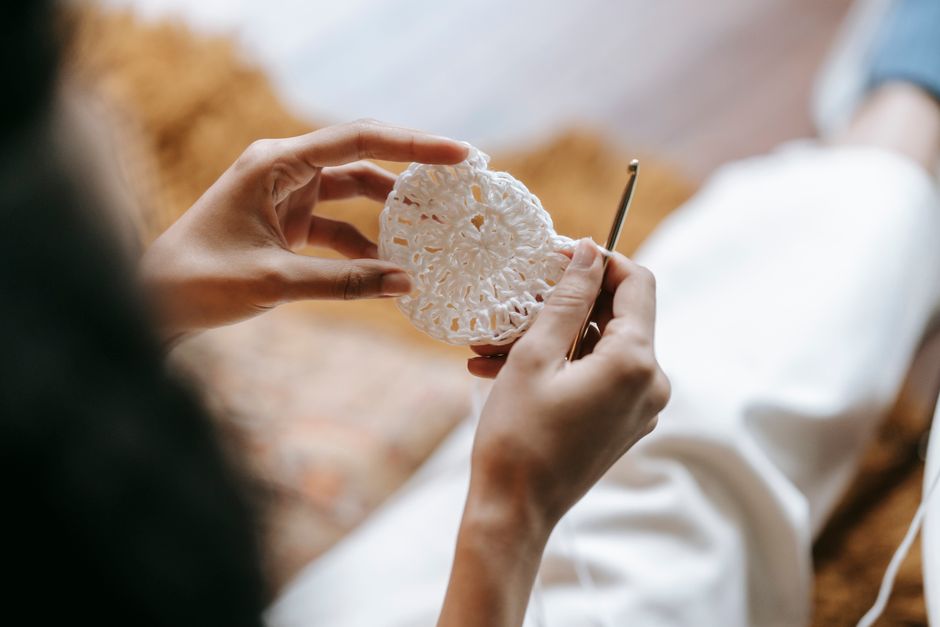
These are the pattern details we treat as non-negotiable when we sell patterns.
Add Checkpoints That Catch Mistakes Early
A buyer who discovers an error at the end won't feel challenged, they'll feel tricked.
Good checkpoints include:
- Stitch count after every round or row that changes
- Measurements at key milestones (length, width, circumference)
- Notes like "Your seam should line up with marker"
Say What "Looks Right"
Advanced designs often depend on orientation.
Call out things like:
- Right side vs wrong side (especially in shaping)
- Where the seam should land
- How the fabric should drape (stiff, fluid, structured)
Give Options Without Doubling the Whole Pattern
Buyers love options, but they hate scrolling.
Better than rewriting everything:
- "Option A: use X rounds for short version"
- "Option B: swap stitch pattern in panel only"
- "Option C: add wire support only in arms"
Test for the Two Failure Modes
In our experience, advanced patterns break in two places:
- The confusing place (a technique jump with no explanation)
- The boring place (too many repeats with no progress)
Fix the confusing place with a photo and a plain sentence.
Fix the boring place by adding visible milestones, like a texture shift, a color change, or a shaping change.
Pricing and Positioning: What Buyers Actually Pay For
Advanced crocheters will pay for a pattern that saves time and reduces risk. They are buying confidence.
Position your pattern around what it prevents:
- "No lumpy joins" (better finishing)
- "Fits like it should" (clear sizing guidance)
- "Clean colorwork" (neat transitions)
- "Professional shaping" (smooth curves and structure)
A practical approach:
- Name the payoff in the title or first line of your description.
- Show the hardest detail in a close-up photo.
- List the exact skills needed (not just "advanced").
Skills lists help buyers self-select. That reduces refunds and angry messages.
Example skills list for an advanced design:
- Working in the round
- Reading a stitch chart (if included)
- Color changes without cutting yarn (optional)
- Basic embroidery for details
If your pattern uses licensed characters, be careful. Selling patterns based on protected characters can create legal trouble. For general guidance in the United States, the U.S. Copyright Office explains the basics in Copyright Basics (U.S. Copyright Office).
Make Your Next Advanced Pattern Easier to Buy
A selling pattern does two jobs at once. It creates a unique look, and it makes the maker feel safe attempting it.
If you're building crochet patterns for advanced crocheters, focus on one strong hook, choose the right kind of advanced, then write with checkpoints and clear skill notes. That's how you get "I can't wait to make this" energy, not "I'm scared to start."
If you want, browse our pattern shop at https://artncraftartncraft.art and pick one of our most detailed designs as your benchmark. Then design your next pattern to beat it on clarity, not just complexity.