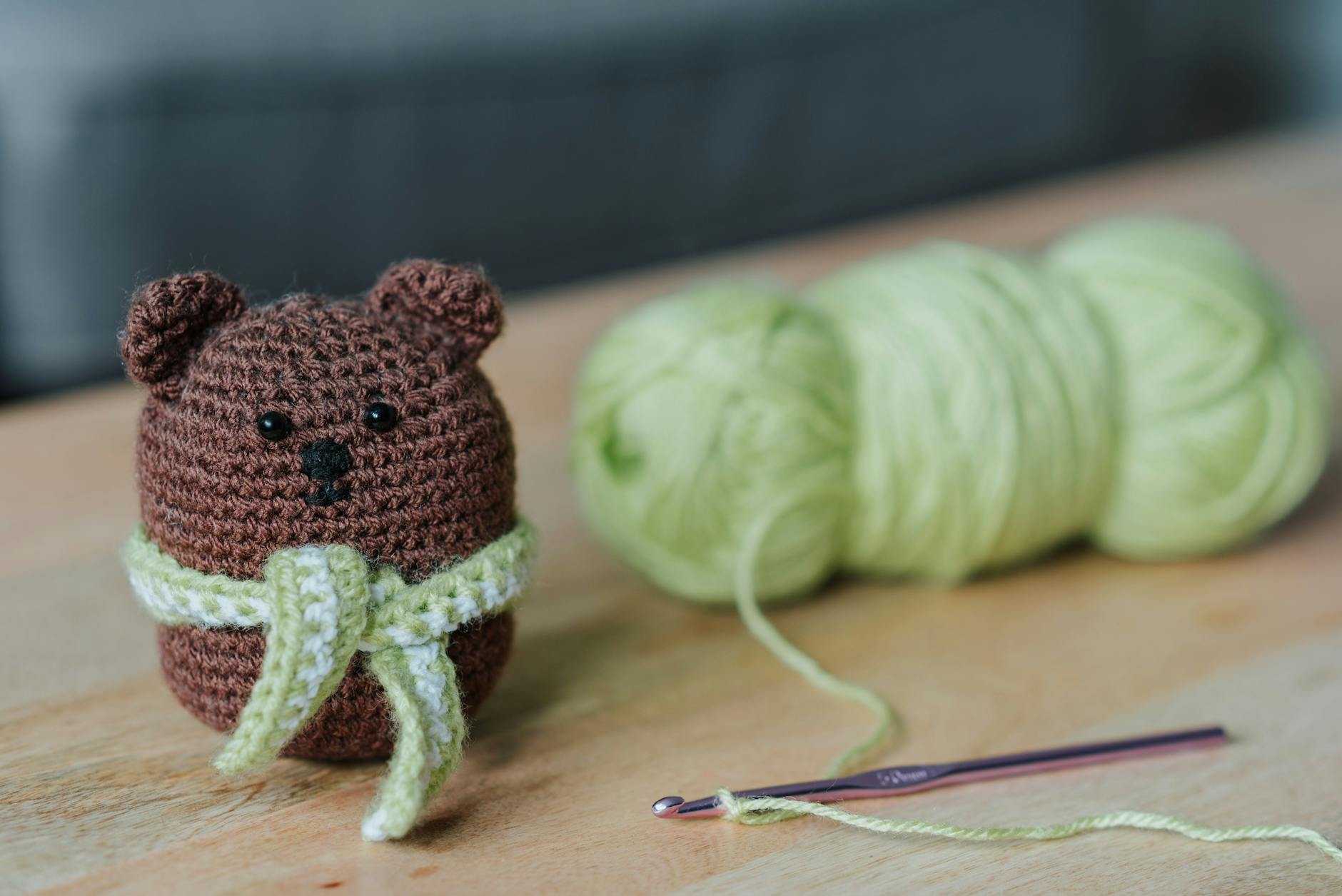
Crochet Pattern Ideas for Beginners to Sell Unique Creations (Without Getting Stuck Making the Same Thing)
You finish your first clean beanie. It looks good. You feel proud. Then you search for crochet pattern ideas for beginners to sell, and you see the same 10 items everywhere. Your brain goes flat, because you want to sell something that feels like you.
Here's the shortcut we use: don't chase "what sells" in a vacuum. Pick beginner-friendly patterns you can repeat fast, then add one small twist that makes your item yours. This guide gives you a decision framework, specific pattern ideas, and a worked example that turns "random makes" into a mini product line.
Choose What to Make with a Simple Sellability Framework
Most beginner sellers fail for one boring reason, time. If an item takes too long, you either underprice it or burn out. So we pick patterns that hit three goals at the same time: easy stitches, fast repeats, and a built-in way to look unique.
Use this quick framework to choose your first 3 products.
- Choose "fast repeat" shapes: rectangles, tubes, flat circles. These are easy to size and easy to redo.
- Choose one skill you're practicing: working in the round, color changes, simple shaping, or sewing pieces.
- Choose one uniqueness lever: texture stitch, color palette, personalized tag, or a themed set.
Here's the comparison that makes decisions easier.
Fast Sellers vs. Standout Pieces (and Why You Need Both)
Fast sellers are the items you can make while watching a show. They keep your shop active and help you learn consistency.
- Examples: scrunchies, headbands, mug cozies, simple beanies.
- Best for: low price, quick shipping, lots of color options.
Standout pieces are the items people save and share. They might not sell every day, but they bring the right buyers to your page.
- Examples: themed plush keychains, textured bags, matching gift sets.
- Best for: higher price, fewer listings, stronger brand.
A smart beginner plan is 2 fast sellers + 1 standout piece. That mix keeps you sane and gives your shop a "signature."
Crochet Pattern Ideas for Beginners That Feel Unique (Not Copy-Paste)
You don't need complicated stitches to make something fresh. You need a clear style rule. Pick one rule and apply it across a few simple patterns.
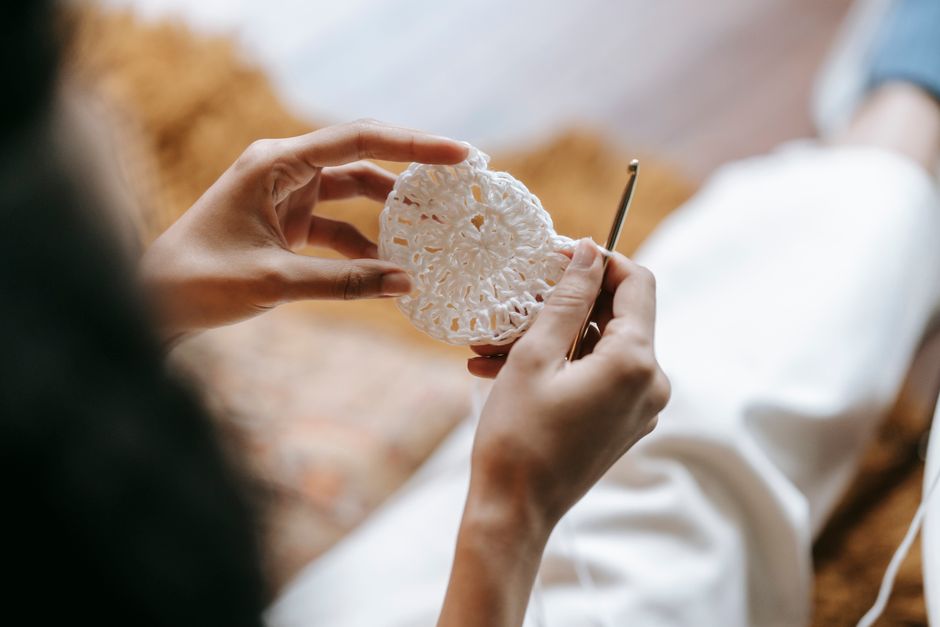
Below are crochet pattern ideas for beginners that are friendly to sell, plus the uniqueness twist that makes them feel one-of-one.
1) Textured Headbands (Flat Rectangle, Big Impact)
A headband is basically a rectangle with a seam, but texture makes it look expensive.
- Beginner base: half double crochet (hdc) rectangle.
- Make it unique: swap in a texture stripe every few rows (front loop only, back loop only, or a bobble row).
- Sell angle: seasonal colors, "messy bun" style, ear warmer fit.
2) Scrunchies with a "Signature Ruffle" Edge
Scrunchies are fast, and buyers love color choices. The trick is to make yours recognizable.
- Beginner base: single crochet around a hair tie.
- Make it unique: add one round of ruffles (two or three stitches in each stitch) in a contrasting color.
- Sell angle: set of 3, "office neutrals," "pastel pack," "gym pack."
3) Mug Cozies That Match Popular Cup Shapes
These are quick, giftable, and easy to photograph.
- Beginner base: a simple band with a button.
- Make it unique: add a tiny applique (heart, leaf, star) or a two-color stripe.
- Sell angle: "teacher gift," "cozy coffee corner," "campfire set."
4) Mini Pouches (Zipper Optional)
Pouches feel useful, and they can be very beginner-friendly if you keep the shape simple.
- Beginner base: two flat rectangles sewn together.
- Make it unique: use a bold color-block, or a single tapestry-style initial (simple letter, two colors).
- Sell angle: coin pouch, earbud holder, lip balm pouch.
5) Simple Beanies with One "Hero Detail"
Beanies sell, but plain ones get lost. Add one detail that reads as design.
- Beginner base: ribbed beanie (back loop only) or basic top-down beanie.
- Make it unique: a contrast brim, a small stitched-on label, or a textured band.
- Sell angle: "family matching," "slouchy fit," "chunky winter."
6) Market Bags That Don't Stretch Like Crazy
Bags are popular, but stretch can ruin the look. The beginner trick is tighter stitches and sturdier yarn.
- Beginner base: single crochet bottom, then simple mesh or hdc sides.
- Make it unique: add a solid color base and a stripe pattern on the sides.
- Sell angle: farmer's market, library bag, beach tote.
If you want to go deeper on making your items feel less generic, we have a focused guide on how to crochet unique items that don't look store-bought.
A Worked Example: Build a 6-Listing "Mini Collection" From One Base Pattern
This is the non-obvious part most beginners skip. You don't need 20 totally different patterns. You need one base that can turn into many listings without extra brain work.

Let's use the mug cozy as the base.
Step 1: Pick One Base Fit
Choose a simple rectangle cozy with a button closure.
- Width: wraps around the mug with a tiny overlap.
- Height: covers the hand grip area.
- Stitch: half double crochet for speed and thickness.
You now have a repeatable template.
Step 2: Choose a "Collection Rule"
Pick one style rule that makes the set coherent. Here are three good beginner options.
- Color rule: all neutrals, all brights, or one palette (like ocean colors).
- Texture rule: one raised stitch row in the same place on every cozy.
- Icon rule: one small applique theme (stars, hearts, leaves).
Step 3: Turn It Into 6 Listings
You're not changing the whole pattern, just the detail.
- Neutral cozy with contrast button
- Two-tone stripe cozy
- Cozy with a tiny heart applique
- Cozy with a leaf applique (great for fall)
- Cozy in a speckled yarn (instant "fancy" look)
- Gift set of two (same style, different colors)
Step 4: Photograph and Describe Like a Buyer Thinks
Buyers don't search for "hdc mug cozy." They search for gifts, vibes, and use cases.
- Photo 1: cozy on a mug, hands holding it.
- Photo 2: flat lay showing the button and stitch texture.
- Photo 3: two color options side by side.
Your description should say what they get and why it's different: thickness, washable yarn, button style, gift-ready options.
This mini collection approach works for headbands, scrunchies, and pouches too. You build consistency and still look creative.
Materials and Pricing Choices That Keep Beginners Profitable
Selling crochet can get frustrating if materials quietly eat your profit. We keep it simple: pick yarn that looks good, holds up, and doesn't fight your tension.

Yarn Choices: Choose Based on the Item's Job
- Wearables (headbands, beanies): soft acrylic or wool blends, avoid scratchy fibers.
- Bags and baskets: cotton, cotton blends, or a sturdier cord style yarn.
- Plush and keychains: smooth yarn for stitch definition, or chenille for a plush look (but it can be harder to see stitches).
If you're selling, test one thing: wash and dry a sample. Some yarns relax a lot.
Pricing Without Overthinking It
We can't set your exact price, because your speed and materials vary. But you can avoid the two common traps: pricing like a hobby, or pricing so high you never get traction.
Use this practical approach:
- Track your time once for each item, even if it feels annoying.
- Add materials (yarn, button, label, packaging).
- Add a stress buffer for sewing, ends, and small mistakes.
- Compare to your own shop line so prices make sense together.
If an item takes long and still needs a low price to sell, that's a sign it's better as a "content piece" (something you post to attract buyers) instead of your main product.
Common Beginner Mistakes That Make Items Harder to Sell
A beginner item can sell beautifully if it looks neat and consistent. Most "it's not selling" problems are actually finishing problems.
Here are the issues we see most often, plus the fix.
- Wavy edges on flat items: count stitches every row, and use stitch markers on the first and last stitch.
- Lumpy seams: sew with the same yarn when possible, and don't pull too tight.
- Different sizes across the same item: use the same hook and yarn brand for a batch, and write down your row counts.
- Scratchy feel: choose softer fiber for skin-contact items, and save rougher yarn for bags.
- Photos that hide the texture: use indirect window light, and zoom in on the stitch detail once.
If you're tempted to jump into complex plush or detailed shaping, it helps to learn the building blocks first. Our guide on how to crochet intricate patterns without getting lost can be a good next step once your basics feel solid.
A Simple Plan for Your First Month of Selling
Consistency beats big bursts. A small, repeatable plan gets you listings, photos, and practice without overwhelm.
- Pick one fast seller (scrunchie or headband).
- Pick one useful item (mug cozy or pouch).
- Pick one standout (a themed set, texture-heavy version, or a personalized option).
- Make two of each in different colorways.
- List them as a mini collection with the same photo style.
If you want patterns that are designed to feel unique from the start, that's what we build and sell at artncraftartncraft.art. Start with one base, add your signature twist, and keep your process simple enough to repeat.