
Crochet Newborn Blanket Pattern: Master a Sellable Design (Without Underselling Yourself)
"Your profit isn't made at the craft fair table, it's made in the pattern choices you lock in before you ever start the first chain."
If you're trying to master a crochet newborn blanket pattern to sell for profit, the hardest part isn't the stitching. It's designing a blanket that looks premium, feels safe and soft, and still makes sense to produce more than once.
We sell crochet patterns, and we've seen the same thing over and over. The blankets that sell best aren't always the fanciest. They're the ones that photograph well, wash well, and don't take forever to finish.
Choose a Blanket Style That Actually Sells (and You Can Repeat)
A newborn blanket is a gift purchase most of the time. That means buyers want "classic-cute," not experimental. Your job is to pick a style that reads "baby" in one second on a product photo, then make sure it's not a nightmare to reproduce.
Here's the decision framework we use when we're building a crochet newborn blanket pattern meant for profit.
The "Sellable Blanket" Triangle
You're balancing three things, and you only get to max out two.
- Speed to make (fewer hours, fewer color changes)
- Wow factor (texture, borders, colorwork, stitch definition)
- Beginner-friendly durability (easy washing, fewer snags, stable edges)
If you want fast and durable, lean into simple stitches plus a polished edge.
If you want wow and durable, expect a longer make time and price it like a luxury item.
If you want fast and wow, durability usually takes a hit (think long floats, openwork, or delicate novelty yarns).
Pattern Types That Usually Perform Well
These tend to sell consistently because they hit that triangle in a good way.
- One-stitch texture blankets: moss stitch, lemon peel, or textured V-stitch. They look fancy but don't require counting every second.
- Modern "clean lines" blankets: solid body with a strong border. Great for neutral nurseries.
- Simple stripe blankets: two to four colors max, wide stripes. They photograph well and use leftovers without looking like leftovers.
If you're still sharpening skills, it helps to get comfortable following and checking stitch counts. Our guide on how to read crochet patterns without missing the important details is built for that.
Materials That Protect Your Reputation (Not Just Your Budget)
Your yarn choice affects everything: how the blanket feels in a buyer's hand, whether it pills (fuzzy wear), and if it holds its shape after washing.
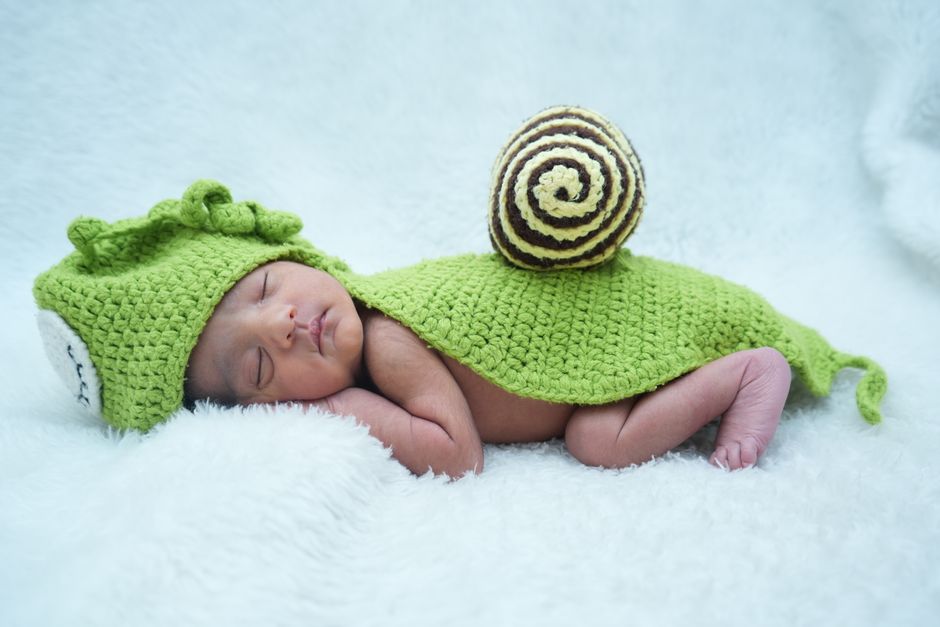
For newborn blankets, I prioritize three things: softness, easy care, and stitch definition (so the texture shows in photos).
Yarn: What I'd Choose for Selling
- Soft acrylic: It's affordable, widely available, and usually machine washable. Great for entry-level pricing.
- Cotton or cotton blends: Breathable and crisp, with beautiful stitch definition. It can feel heavier, and some cotton grows (stretches) over time.
- Baby-specific blends: Often designed for softness and easy care, but test for pilling and drape.
If you want a deeper breakdown of what different fibers do in real projects, see crochet yarn types and how they behave in finished items.
Hook Size and Fabric Feel
Profit tip that newer sellers miss: the hook size is a pricing lever.
A slightly larger hook makes a softer drape and can speed up stitching. Too large can make the fabric look loose and "holey" (not ideal for a newborn blanket look).
A slightly smaller hook makes the fabric feel richer and more structured. It also adds time.
Aim for a fabric that looks smooth when laid flat and doesn't show big gaps between stitches.
Safety and Practicality Notes (Keep It Simple)
Babies are hard on textiles. Parents wash everything.
- Avoid heavy embellishments like sewn-on buttons for newborn blankets.
- Secure ends like your reputation depends on it, because it does.
- Choose borders that don't curl, so the blanket lays flat in photos and in real life.
A Worked Example: Pricing a Crochet Newborn Blanket Pattern for Profit
Most people undercharge because they guess. A better way is to build a "realistic" price from your time and your materials, then decide if the pattern is right for your shop.

Here's a concrete example using easy numbers.
Example Blanket Design
- Size: stroller or bassinet blanket (small enough to finish fast)
- Stitch: moss stitch (clean texture, reversible look)
- Colors: 1 main color, 1 accent border
- Finish: simple round of single crochet plus a clean edging
Step 1: Track Your True Cost
Write down:
- Yarn used (how many skeins, or the fraction of each)
- Any packaging (label, ribbon, poly mailer)
- Listing fees and payment fees (these vary by platform)
If you don't want to track every penny, track the yarn honestly and estimate the rest. Consistency matters more than perfection.
Step 2: Track Your Time Like a Business
Time includes more than stitching:
- Starting and setting up (winding yarn, counting foundation)
- Stitching time
- Weaving in ends
- Blocking or shaping (if you do it)
- Photos and packaging
If this blanket takes you 6 hours all-in and you want to earn $15 per hour, labor alone is $90. That number surprises people, and it should.
Step 3: Decide If the Pattern Matches the Price the Market Will Pay
This is the uncomfortable part. If your target buyer in your shop usually buys at $45 to $65, a 6-hour blanket doesn't fit unless you:
- Simplify the design (same look, fewer steps)
- Make a smaller size
- Batch-produce (make multiple in the same yarn and color)
- Position it as premium and sell fewer at a higher price
The goal is not to make every blanket "cheap." The goal is to make sure the pattern you repeat is one that supports your income.
Details That Make Your Blanket Look High-End (Without Adding Hours)
A lot of "premium" is just finishing.
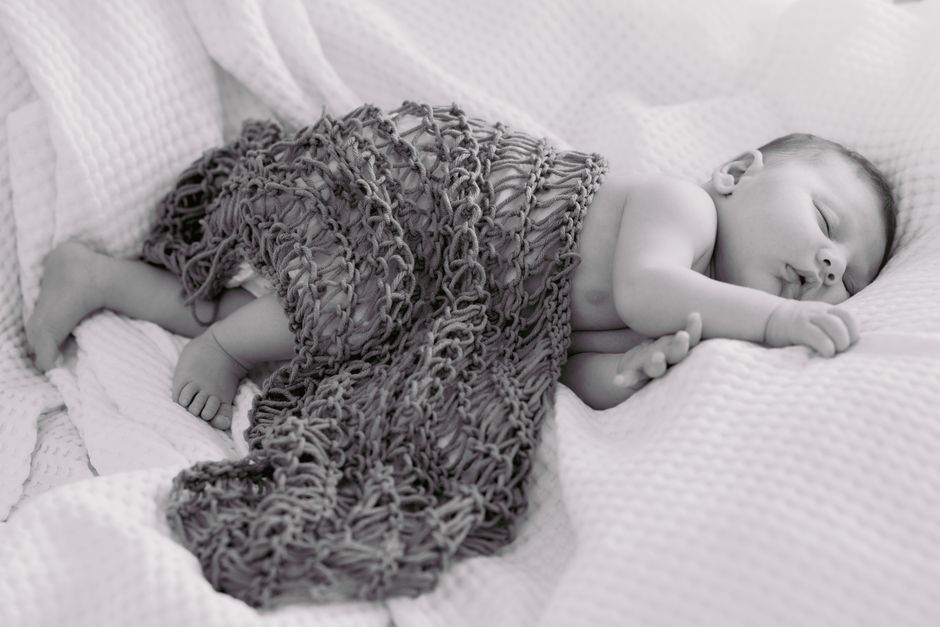
These are the upgrades we love because they change the look more than they change the time.
Border Choices That Sell
A border frames the piece in photos. It also hides slight edge wobble.
- Simple single crochet border: clean and modern
- Crab stitch (reverse single crochet): looks like a corded edge, great for solid blankets
- Small scallop: reads "baby" fast, without being fussy
Keep it narrow for newborn sizes. Huge borders eat time and yarn.
Color Strategy That Doesn't Backfire
Too many colors can make a blanket look busy, and it slows you down.
A safe, sellable approach:
- 1 neutral base (cream, gray, tan)
- 1 soft color accent (sage, dusty blue, blush)
If you want bolder color, do it in the border. It's the easiest part to swap for custom orders.
Photo-First Texture (the Non-Obvious Sales Lever)
Some stitches look amazing in your hands and disappear on camera.
Before you commit to a crochet newborn blanket pattern for your shop, crochet a 6-inch swatch, then take a photo in natural light.
If the stitch texture shows clearly in a quick phone photo, it will usually sell better online. This tiny test saves you from making "pretty but invisible" blankets.
Common Mistakes That Kill Profit (Even If the Blanket Is Cute)
Most profit problems come from repeatable mistakes. Fix the system and your shop gets easier.
- Picking yarn that splits: it slows you down and makes your stitches look messy.
- Using a stitch that requires constant counting: counting is fine, constant counting is time.
- Over-customizing every order: custom is great, but too many options means decision fatigue and longer messages.
- Not standardizing sizes: if every blanket is a different size, you can't batch or estimate time well.
- Skipping a consistent finishing routine: weaving ends poorly leads to returns and bad reviews.
A simple way to protect profit is to keep one "core" blanket design and offer small variations, like border color.
What to Do Next If You Want This to Become a Real Product Line
A single blanket can sell, but a small system sells better.
Start with one crochet newborn blanket pattern you can repeat with your eyes half closed.
Then build a mini collection:
- One neutral "classic" colorway
- One trendy soft colorway
- One higher-texture "premium" version with a fancier edge
If you also sell giftable items, pair your blankets with a smaller add-on (like a matching lovey or hat) and photograph them together. Bundles raise the average order without doubling your workload.
If you want more ideas for items that sell well as gifts, our roundup of unique crochet projects people actually buy for gifts is a good next step.
If you want help choosing the right pattern style, yarn, and finish for a blanket you can sell again and again, browse our patterns at https://artncraftartncraft.art. We design with real-world making time in mind, because profit starts at the first stitch.