Unique Crochet Projects for Gifts: Master Patterns That Feel One-Of-A-Kind (and Sell)
You've got yarn, a hook, and a deadline. The hard part isn't crocheting, it's picking a project that won't feel like the same scarf everyone's seen before.
If you're searching for unique crochet projects for gifts, you want two things at once, a handmade item that feels personal, and a pattern that won't turn into a time sink. This guide is a step-by-step way to choose (or design) a "signature" crochet gift that also has real selling potential.
Step 1: Choose the "Type" of Unique Gift First (Not the Pattern)
Most people start by scrolling patterns. That's backwards. Start with the kind of gift experience you want the person to have, then pick a pattern that fits it.
Here's a simple decision framework we use when we design patterns and project ideas:
- Practical daily-use gift (they'll use it constantly): bags, slippers, bottle holders, phone straps, dishcloth sets with a twist.
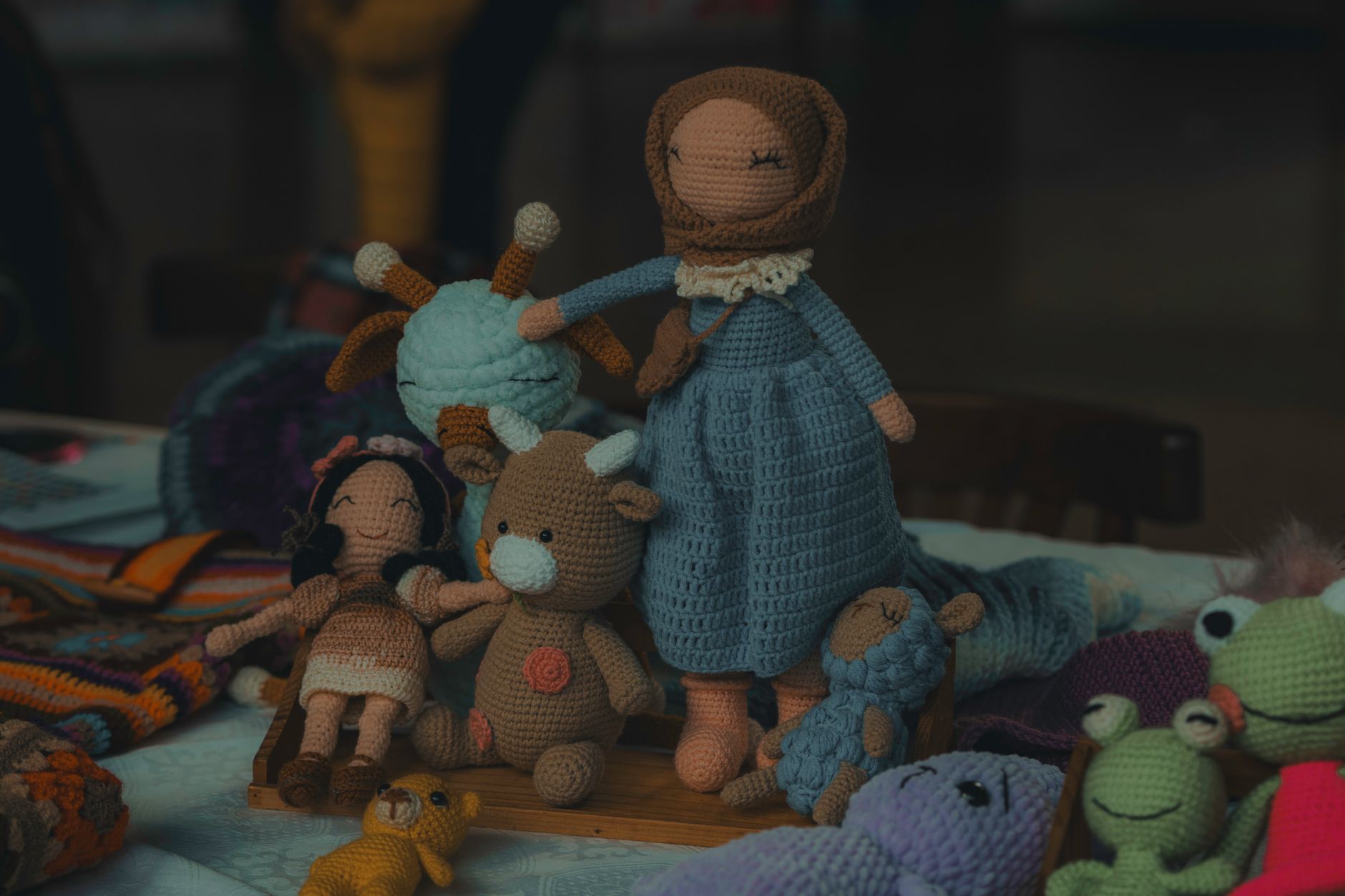
- Display gift (it sits out and gets compliments): plushies, wall hangings, plant hangers, statement pillows.
- Wearable with personality (style piece, not "just warm"): hats with sculpted texture, collars, bandanas, mitts with bold motifs.
- Tiny "wow" gift (fast, affordable, still special): keychains, charms, ornaments, coasters with a matching holder.
Now match the person to the type.
A new teacher might love a practical pencil pouch. A friend who loves décor will notice a textured plant hanger more than another beanie.
If you're selling, this step matters even more. Practical gifts sell year-round. Display gifts spike around holidays. Tiny gifts are your "impulse buy" items, especially at markets.
Transition: once you know the gift type, you can make it unique on purpose instead of hoping the yarn does the work.
Step 2: Add Uniqueness with a Repeatable "Signature Formula"
The fastest way to make a project feel custom is to build a signature formula you can repeat across many patterns.

Think in layers. Pick one choice from each layer, and you'll end up with a gift that looks designed, not random.
Layer a: a Texture That Reads From Across the Room
Texture is what makes people pick up a crocheted item.
Choose one "hero" texture and keep the rest simple so it doesn't look busy.
Good hero textures for gifts:
- Cables (raised twists that look advanced)
- Waffle or basket textures (chunky, cozy, very touchable)
- Popcorn/bobble zones (great as accents, not everywhere)
- Overlay or mosaic crochet (bold motifs with clean edges)
If you're newer and want fast wins, use one textured panel and plain stitches elsewhere. That keeps the project beginner-friendly but still special.
Layer B: Color That's Planned (Even If It's Scrap Yarn)
Random color changes can look messy. Planned color changes look expensive.
Use one of these easy plans:
- Two neutrals + one pop (example: cream + tan + teal)
- Monochrome with one contrast edge (all gray, one bright border)
- Gradient yarn + solid trim (the trim makes it look intentional)
Layer C: a Finishing Detail People Don't Expect
This is where gifts become "keeper" items.
Try one:
- Lining a bag or pouch (it makes it feel like a real product)
- A hidden message tag stitched inside
- A custom zipper pull or charm
- A shaped handle or strap (not just a chain)
Those details also help sales because buyers can feel the difference in their hands.
Transition: now let's turn this into a real, worked project plan you can copy for gifts and for listings.
Step 3: a Worked Example You Can Steal (Gift + Product Version)
Here's a concrete plan for a gift that's quick enough to make more than once, but still looks like a "designer" item.
Example Project: the "Three-Part" Crochet Gift Set
What it is: a small basket + matching face scrubbies (or coasters) + a mini tag.
Why it works: it's not one item. Sets feel more valuable, even if each part is simple.
Build it step-by-step:
- Pick the base: a small basket in a sturdy stitch (single crochet or waistcoat stitch). Use cotton or a cotton blend so it holds shape.
- Add the hero texture: do one band of texture around the basket (bobble strip, cable strip, or a textured rib).
- Make 4-6 matching rounds: scrubbies or coasters in the same palette. Keep them simple, then add one contrast round.
- Finish like a product: weave ends cleanly, block if needed (light shaping with water), and add a small tag.
Make it gift-ready:
- Tie with twine or ribbon.
- Add a care note (wash cold, lay flat to dry is a safe general note for many cotton makes).
Make it sale-ready:
- Photograph the set as a whole first, then one close-up of the texture band.
- Offer two colorways only (example: "natural" and "bright"). Too many options slows buyers down.
This same formula works for other sets too, like a mug cozy + coaster + spoon rest, or a baby beanie + booties + mini lovey.
If you want even more "wow" factor, choose patterns that include advanced structure or cleaner shaping. Our detailed designs are built for that kind of finish, and you can explore detailed crochet patterns for sale with complex designs if you want a challenge that still looks polished.
Transition: a unique gift is great, but if you're selling, you also need to protect your time.
Step 4: Decide If It's a Good Seller (Before You Commit)
Some projects look amazing and still sell poorly because they're hard to explain, hard to size, or too slow to make.

Use this quick checklist before you invest hours.
The 5-Point "Worth It" Test
A project is usually a good candidate for sales if it checks most of these boxes:
- Clear use: someone can understand it in one glance.
- Durable: it can survive being handled at a market or mailed.
- Repeatable: you can make it again without rereading every line.
- Customizable without redesign: color swaps, small size changes, add-ons.
- Photographs well: texture and shape show up in pictures.
Time vs Price, the Trade-Off Most Crocheters Miss
Uniqueness often adds time. Time is your real cost.
If your "unique" idea adds an hour of fiddly finishing, that can quietly kill profit. A better path is to add uniqueness through:
- One strong texture panel instead of an all-over complex stitch
- One standout detail (lining, charm, special edging)
- A set format (more perceived value without more complexity)
If you're making gifts only, time is still a cost, it's just your evenings and weekends.
Don't Trip Over Pattern Rights
Selling finished items from patterns can be allowed or restricted depending on the designer.
Read the pattern notes and respect the designer's terms. If you're unsure, message the designer before selling.
If you want projects that are designed with skill-building in mind, you might also like crochet patterns for advanced crocheters who want to craft unique designs that sell.
Step 5: Common Mistakes That Make "Unique" Look Messy
A project can be unusual and still look homemade in the bad way. These are the issues we see most often, even with talented crocheters.
Too Many "Statement" Choices at Once
If the yarn is loud, keep the stitch simple.
If the stitch is complex, use calmer colors.
If you add fringe, skip the giant buttons.
One statement feature is design. Three is noise.
Soft Yarn in a Structure Job
Plush yarn is cute, but it hides stitch definition (the stitch shape). That can flatten your texture work.
If the project needs structure (bags, baskets, some wearables), choose yarn that holds shape. Cotton, linen blends, or firm acrylics work well.
Save super soft yarn for plushies, scarves, and cozy items where drape is the point.
Finishing That's Rushed
Most "this doesn't look professional" problems are finishing problems:
- ends not woven securely
- edges wavy from inconsistent tension
- stuffing lumps in plushies
- seams pulling because the stitch count is off
A simple fix is to add a finishing pass to every project: check stitch count, weave ends in two directions, then lightly shape it.
Step 6: Build a Small "Unique Gift" Menu You Can Reuse
You don't need 50 patterns to feel creative. You need a small menu you can repeat and adapt.

Try building a 6-item menu like this:
- 2 fast small gifts (keychain, coaster set)
- 2 practical gifts (bag, pouch, slippers)
- 1 décor gift (hanger, pillow, wall piece)
- 1 "wow" gift (detailed plushie, advanced texture wearable)
Then give each item two colorways and one add-on option.
That's how you stay creative without constantly starting over.
If you want simpler options that still look special, our readers often start with easy crochet patterns for gifts that sell well and then level up with a signature texture or finishing detail from this guide.
FAQ
How Do I Make a Crochet Gift Feel Personal Without Changing the Whole Pattern?
Change one meaningful detail: initials on a tag, their favorite color as an edging, or a charm that matches a hobby. Keep the pattern structure the same so you don't create fit or sizing issues.
What's the Easiest Way to Make Crochet Items Look More "Store-Bought" (in a Good Way)?
Clean edges, consistent tension, and finishing. Add a lining to bags, block flat items, and weave ends like you expect the piece to be used for years.
Are Sets Better Than Single Items for Selling?
Often, yes. Sets feel like a complete gift, and they can justify a higher price without needing a harder pattern. They also photograph well.
If you want your next make to feel genuinely one-of-a-kind, pick your gift type first, build a signature formula, and use the worked set example as your template. If you'd rather skip the trial-and-error, browse our crochet patterns on https://artncraftartncraft.art and choose a design you'll be proud to repeat.