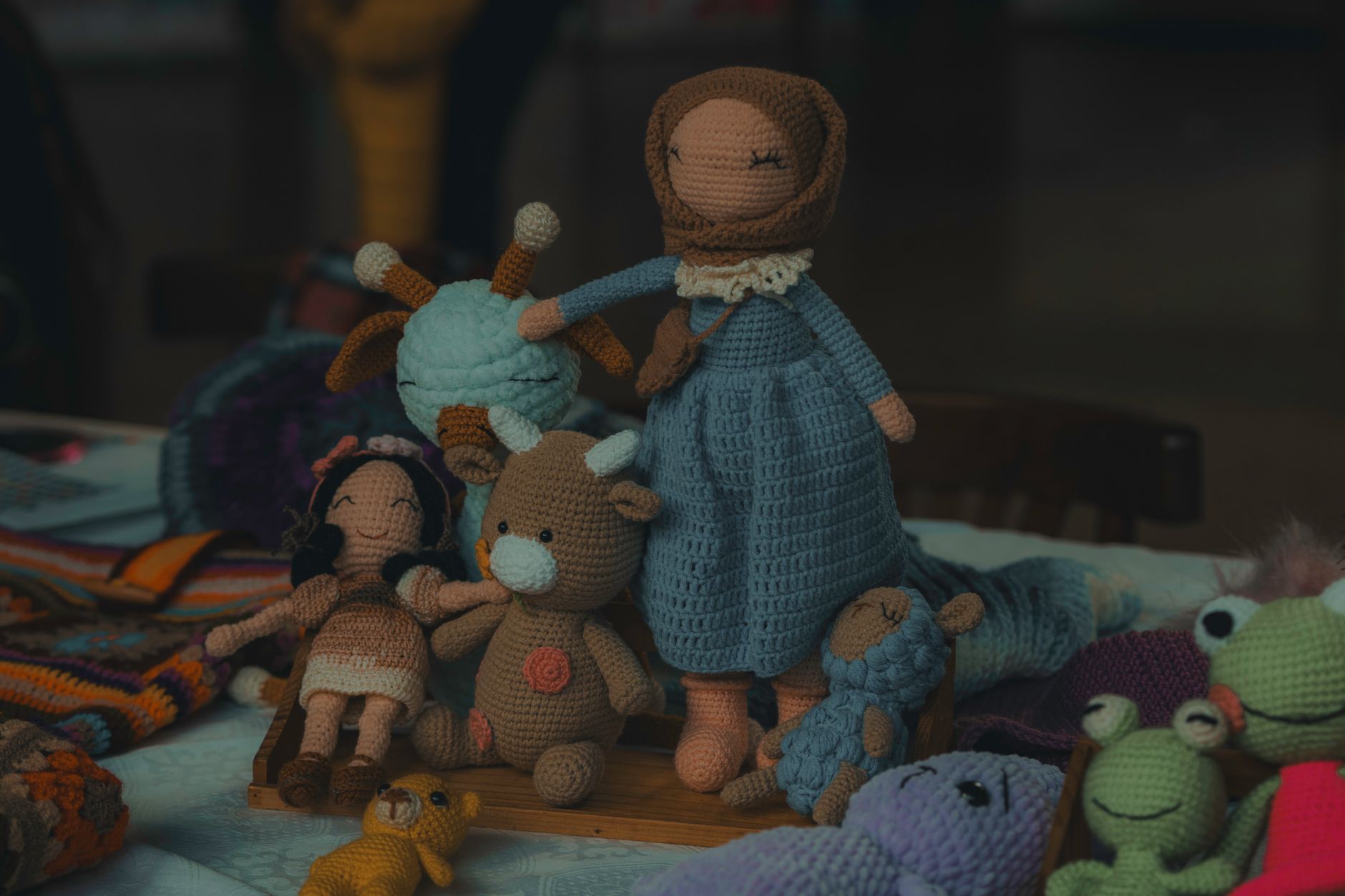
How to Crochet Unique Patterns for Sale: Complex Stuffed Animals That Stand Out
Have you ever wondered why two crochet plushies can use the same yarn, yet one looks "store-ready" and the other looks like a cute potato? If you're searching How to Crochet Unique Patterns for Sale, the fast answer is this: you need a clear character concept, strong shaping, clean stitch control, and a pattern layout that other makers can follow without guessing.
Complex stuffed animals (often called amigurumi) sell well because they feel like collectibles, not just toys. Buyers pay more for personality, special details, and neat finishing. Makers pay for patterns that teach them how to get that look.
This guide is FAQ-driven on purpose. That's how real customers ask questions, and it's how you'll think while designing your next best-selling animal.
What Makes a Stuffed Animal Pattern "Unique" Enough to Sell?
Uniqueness isn't about adding ten colors and calling it "rare." It's about making design choices that are intentional and repeatable, so your pattern becomes a product, not a one-off experiment.
A "unique" plush pattern usually has a strong silhouette first. Think of a long snout, a tilted head, chunky paws, or a body shape that reads clearly from across the room. After the silhouette, uniqueness comes from details that feel like a brand, like the same eye style, the same paw shape, or signature blush cheeks.
Your goal is to create a stuffed animal that looks like it belongs to you, even if someone changes colors. That's how you build recognition and repeat buyers.
Here are a few uniqueness levers that keep the pattern teachable (and not messy):
- A fresh silhouette (oversized head, tiny body, long limbs)
- A "story hook" (sleepy dragon, grumpy frog, bakery bear)
- Texture changes (bobble stitches, surface slip stitch lines)
- Modular add-ons (hats, backpacks, wings, horns)
- A signature face style (embroidered brows, angled safety eyes)
If you want examples of designs that feel truly one-of-one, see How to Crochet Unique Stuffed Animals: detailed patterns and compare how small shape choices change the whole vibe.
How Do You Plan a Complex Stuffed Animal Without Getting Lost?
Complex doesn't mean complicated instructions. It means you've planned the build so the maker always knows what happens next. Before you write a single round, decide the construction style. Will you crochet in one piece, or make separate parts (head, body, limbs) and sew them on? Both can work, but each affects how "sellable" the pattern is.

One-piece designs look magical, but they can be harder for beginners to fix if they miss a stitch. Multi-part designs give more control over shaping and symmetry, and they're easier to test because you can swap out one limb and keep the rest.
I like planning with a "feature map." List the features that must read clearly: snout length, ear angle, belly patch, tail curve, and any props. Then you assign each feature to a technique.
A simple planning sequence that prevents chaos is:
- Sketch a front and side view (even a messy doodle works)
- Choose your stitch density (tight single crochet is typical)
- Decide finished size range (small, medium, jumbo)
- Break the build into modules (head, body, limbs, extras)
- Write shaping notes (where increases and decreases create curves)
After you do that once, your designs stop feeling like guesswork. They start feeling like you're building a plush blueprint.
Which Techniques Make Stuffed Animals Look "High-End" and Complex?
Buyers notice shaping and finishing before they notice the yarn label. The biggest jump from "cute craft" to "premium plush" comes from clean curves and controlled details.
First, tighten your stitch control. Amigurumi is usually crocheted in continuous rounds. Gaps show stuffing, and gaps kill the high-end look. Many designers size down their hook to get a firm fabric. The Craft Yarn Council has a helpful overview of yarn weights and how they relate to projects, which matters when you're designing for consistent results across makers (Craft Yarn Council).
Second, learn shaping that mimics anatomy. A snout isn't a tube, it's a wedge or a soft triangle. A paw isn't a ball, it's often an oval with a flattened base.
Use these "complexity tools" without making the pattern impossible:
- Invisible decrease (makes decreases smoother)
- Strategic short rows (adds bends and belly curves)
- Surface crochet lines (fake seams, smiles, wrinkles)
- Color changes with jog control (keeps stripes neat)
- Weighted stuffing zones (pellets in the base for a sit pose)
Safety matters too. If you sell finished plush, many makers use safety eyes, but they're not safe for kids under three. The U.S. Consumer Product Safety Commission gives guidance on toy safety risks, which is worth reading if your products are for children (CPSC).
For patterns, add a clear note about eye options: safety eyes for display, embroidered eyes for child-safe builds.
How Do You Write the Pattern so People Can Actually Finish It?
A sellable pattern is a teaching document, not a transcript of your crochet session. The biggest reason buyers leave bad reviews is confusion, not difficulty. So write like you're guiding a friend who can crochet, but can't read your mind.
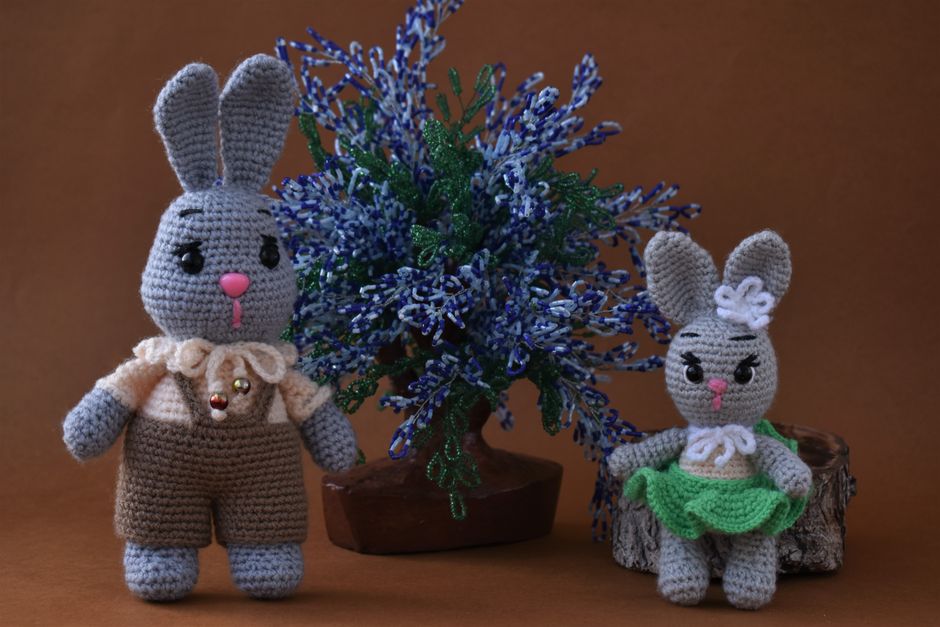
Start every section with the "what and why." Example: "We're shaping the muzzle now so it sits higher than the cheeks." That one sentence reduces mistakes because it gives context.
Then keep the formatting consistent. Use the same abbreviations, the same round labeling, and the same instruction style throughout. If you use US terms (single crochet, double crochet), say so.
A pattern layout that's easy to follow often includes:
- Skill level and what "level" means for this pattern
- Materials list (yarn weight, hook size, stuffing type)
- Gauge guidance (even if amigurumi isn't strict)
- Abbreviation key (sc, inc, dec, sl st, etc.)
- Photo checkpoints (after head, after body, after assembly)
Photo checkpoints are huge for complex designs. Even 6 to 10 clear images can cut support emails in half. If you sell on a platform that allows updates, you can improve photos over time and keep the listing fresh.
If you want to see how to position patterns as a product line, check How to Crochet Unique Patterns for Sale that buyers can't ignore for more selling-focused structure ideas.
How Should You Test, Price, and Launch a Pattern for Real Sales?
Testing is where your pattern becomes trustworthy. You can crochet it five times and still miss a confusing line because you already know what you meant. Testers don't. That's the whole point.
Aim for 3 to 6 testers with different skill levels and different yarn choices. Ask them to mark any spot where they had to "guess." Those are your rewrite targets.
Here's a practical launch checklist that keeps things simple and professional:
- Finish your final sample and photograph it in natural light
- Run one last proofread for round counts and stitch totals
- Tester round with a deadline and a feedback form
- Update pattern, then create a clean PDF version
- Write a listing that highlights the final plush size and skill needs
- Launch with a clear support note (where buyers can ask questions)
Pricing depends on complexity, photo support, and your brand. In 2026, buyers are used to paying more for patterns that save time and deliver a polished look. A complex stuffed animal pattern with multiple add-ons and strong photo guidance can price higher than a basic beginner ball-animal.
For market context and shopper behavior trends, it's smart to watch creator economy and handmade marketplaces. Etsy regularly reports on shopping trends, including gift categories and personalization interest (Etsy News). Use that kind of info to time seasonal launches, like dragons in January for "new year fantasy vibes," or pastel bunnies for spring.
FAQ Designing Complex Stuffed Animals for Sale
How Do I Make Sure My Pattern Isn't Too Similar to Someone Else's?
Start by building from your own sketch and feature map, not from a photo of another plush. Similar animals exist everywhere, but your specific shapes and construction steps are what matter. Change the silhouette first, then the face style, then the accessories.

It also helps to search your main idea on pattern marketplaces and note what's common. If every fox has the same head-to-body ratio, pick a different ratio. If every dragon has the same wings, design yours as layered plates or a single-piece fold.
When in doubt, focus on original text, original photos, and original shaping. That's where your authorship shows.
What Yarn Should I Recommend If I Want Consistent Results?
Recommend a common yarn weight and a specific texture category. For example, worsted weight cotton or acrylic is predictable and shows stitches clearly. Plush yarn looks cute, but it hides mistakes and can be hard for buyers to count.
Give options, but keep them controlled. You can say, "Use worsted weight yarn for a 9-inch plush, or bulky plush yarn for a 13-inch plush." Then note that stitch counts stay the same, but the finished size changes.
How Many Photos Should I Include in a Complex Pattern?
For a complex stuffed animal, 8 to 15 photos is a solid range. You don't need a photo for every round. You do need photos for moments where shape changes happen or assembly placement matters.
Prioritize photos for these steps: head shaping, muzzle placement, ear angle, limb placement, and final face details. Clear photos reduce refunds and build trust.
What's the Best Way to Add "Options" Without Confusing Buyers?
Options are great for sales, but they must be organized. Group options into a section like "Add-On Variations" and keep the base animal consistent. Then label each option clearly, like "Option A: Sleepy Eyes" or "Option B: Open Mouth."
Avoid mixing options inside core rounds unless you mark them cleanly. If you must branch, use bold labels and keep both paths short.
Where Should I Sell My Crochet Patterns Once They're Ready?
Start where your ideal buyers already shop, then expand. Many designers sell on marketplace platforms and also on their own site for better control and email list growth. If you want a breakdown of popular platforms and what to expect, see Where to buy crochet patterns online.
No matter where you sell, keep your branding consistent, answer questions fast, and update listings with improved photos as you grow.
Final Thoughts: Turn Your Best Plush Idea Into a Pattern People Trust
If your goal is How to Crochet Unique Patterns for Sale, focus on three things: a recognizable silhouette, clean shaping, and pattern writing that removes guesswork. Complex stuffed animals don't need confusing instructions. They need smart construction and strong checkpoints.
Pick one animal concept you can describe in a single sentence, like "a grumpy mushroom frog with a removable cap." Build the feature map, plan the modules, and test it with real makers.
If you want me to help you choose the best complexity level for your next release, explore Buy detailed crochet patterns for sale for inspiration, then come back and map out your own signature design line on artncraftartncraft.art.