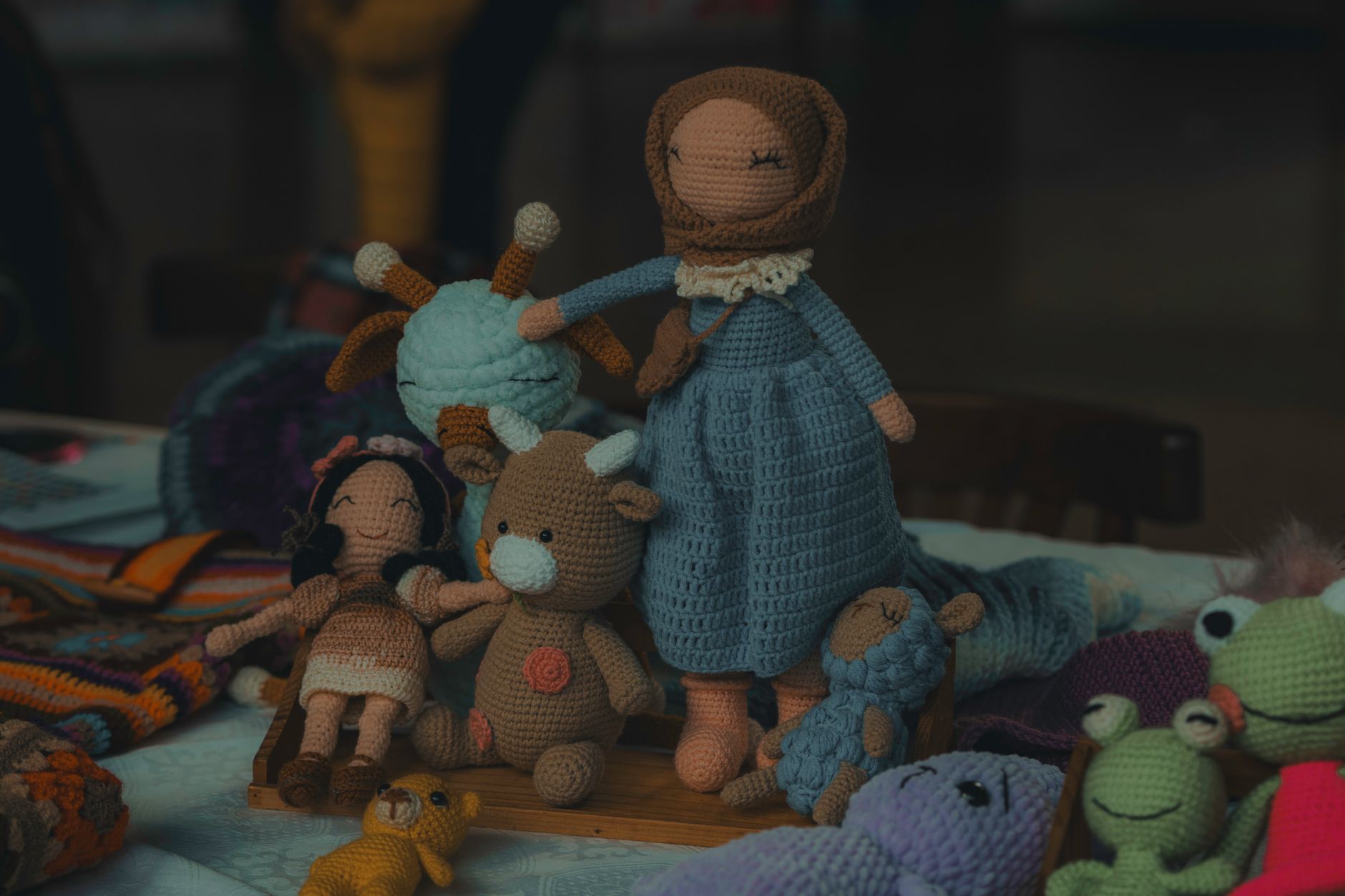
Buy Crochet Patterns for Amigurumi: How to Choose Unique Designs That Actually Turn Out Cute
You found a character you love, hit "add to cart," and then the finished plush looks... off. The head is lumpy, the arms don't match, or the toy won't sit the way the photos promised.
If you want to buy crochet patterns for amigurumi and actually get that clean, cute result, you need to shop like a maker, not like a scroller. The pattern matters as much as your yarn.
This guide is the exact checklist we use when we pick (or write) amigurumi patterns, plus a worked example so you can see how the decision plays out before you spend money.
Buy Crochet Patterns for Amigurumi with a Quick "Success Filter"
A unique design is fun, but "unique" can also mean "untested" or "unclear." The best purchase is the pattern that matches your skill level, tools, and the look you want.
Run any listing through this fast filter before you buy.
- Multiple clear photos from different angles. Front, side, back, and at least one close-up of face shaping and join points.
- A materials list that feels specific. Yarn weight (like worsted or DK), hook size, safety-eye size, and stuffing type.
- Finished size and gauge guidance. Amigurumi gauge is often "tight enough that stuffing doesn't show," but a good pattern still tells you what size it makes with the suggested yarn.
- Stitch count checks. Rounds that say something like "(30)" at the end save you from spiraling into the wrong shape.
- Assembly notes, not just a diagram. Great patterns tell you where to place limbs (between rounds X and Y) and how to pin before sewing.
A simple gut-check also helps: if the listing shows only one glam photo, uses vague wording, or avoids showing the back, assume you'll be doing extra troubleshooting.
Transition sentence: once a pattern passes the "success filter," the next step is matching it to your actual crochet habits.
Choose the Right Pattern Style for Your Skill Level (Decision Framework)
Most amigurumi frustration isn't from "bad crocheting." It's from buying a pattern that assumes you already know a technique the designer didn't explain.

Use this framework to pick a pattern type that fits how you like to work.
If You're New: Pick Shape-First, Simple Assembly
Choose patterns built from basic parts like a round head, oval body, and simple limbs.
Look for:
- Mostly single crochet (sc) in continuous rounds
- Minimal color changes
- Felt or simple embroidered details instead of complex eye shaping
- Fewer separate pieces to sew on (two arms, two legs, ears, tail is already a lot)
If you're still building confidence, our beginner-friendly crochet techniques for stuffed animals can make any pattern feel easier because your stitches get more even fast.
If You're Intermediate: Pick Patterns with Intentional Shaping
This is the sweet spot for "unique" designs that still work.
You can handle:
- Color changes for stripes or patches
- Basic sculpting (strategic increases and decreases)
- Simple add-ons like horns, hair, or clothing
You'll get the most payoff from patterns that include placement guides and multiple photos.
If You're Advanced: Pick Detail-Heavy Patterns with Clear Support
Advanced amigurumi patterns often use:
- Short rows (partial rows) for shaping cheeks or feet
- Surface crochet (stitches worked on top for texture)
- Wire armatures (only if the designer explains safety and stability)
- Complex construction (like crocheting limbs directly into the body)
The trick is not avoiding hard patterns, it's avoiding patterns that are hard because they're poorly explained.
Transition sentence: after you've matched difficulty, the next make-or-break factor is whether the pattern's "look" matches your yarn and finishing style.
The Non-Obvious Part: Uniqueness Comes From Construction, Not Just Theme
Lots of patterns look different in photos but are basically the same round-ball body underneath. The ones that turn out "designer cute" usually have construction choices that create a specific silhouette.

Here are pattern details that often signal a more intentional, unique amigurumi.
- Head-to-body relationship. A chibi look usually has a bigger head and smaller body, with the neck anchored carefully so it doesn't wobble.
- Defined muzzle or cheeks. This might be a separate muzzle piece, short-row shaping, or strategic increases.
- Foot shaping that helps it sit. Flat bases, weighted pellets (used safely inside a secured pouch), or wider ovals make a plush stable.
- Eye placement guidance. "Place eyes between rounds 10 and 11, 7 stitches apart" is gold. "Add eyes" is not.
- Clean colorwork plan. If a pattern uses multiple colors, it should tell you how to avoid jagged edges and how to carry yarn.
Worked Example: Picking a Pattern for a Gift That Must Sit Up
Scenario: you want to make a 6 to 8 inch desk buddy for a friend, and it must sit upright without a stand. You're comfortable with basic amigurumi, but you don't want a fussy build.
You're choosing between two "unique" patterns.
Pattern A (cute alien):
- Round body, small legs attached low
- No mention of a flat base
- One front-facing photo
- "Use any yarn" with no hook size guidance
Pattern B (tiny forest creature):
- Oval base rounds for the body and feet
- Shows side and back photos
- Lists yarn weight, hook size, and finished height
- Tells you: "Pin arms between rounds 18 to 20, 10 stitches apart"
Even if Pattern A looks fun, Pattern B is the better buy for your goal. Sitting plushies need a stable base, and unclear materials guidance usually leads to the "why is mine tall and skinny?" problem.
If you still love Pattern A's theme, you can make it work, but expect to modify it. You might add a flat base by changing early rounds, or add weighted stuffing safely. That's fine if you like experimenting. It's not great for a deadline gift.
Transition sentence: once you pick a strong pattern, a few buying and printing choices can save you real time during the make.
Practical Buying Tips: Format, Licensing, and Red Flags
Buying patterns should feel simple. A few details can prevent headaches later, especially if you plan to make more than one.
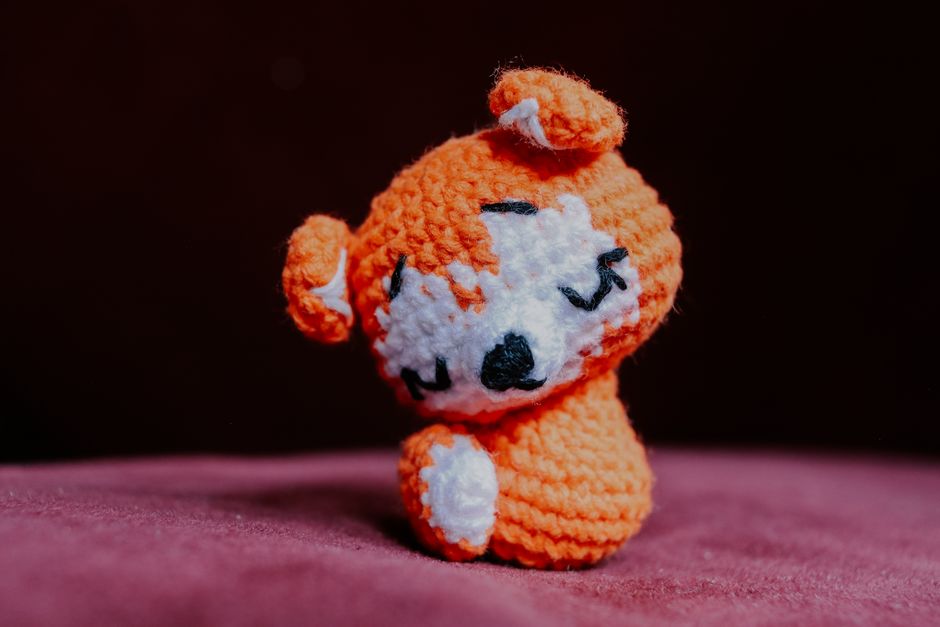
Pattern Format That Actually Helps While You Crochet
Different brains like different pattern layouts. Before you purchase, check if the designer offers what you need.
- Printable PDF with clean spacing. You'll want room to mark rounds and notes.
- Round-by-round plus stitch counts. This is faster than paragraph-style instructions.
- Photo support for assembly. Sewing is where most people get stuck.
- Abbreviation key. Even common terms vary (like "inv dec" versus "sc2tog").
If you like learning visually, see if the designer mentions video support. If not, be ready to lean on your own technique library.
Licensing: What You Can Sell (and What You Can't)
Pattern listings often include usage rules. Some allow selling finished items, some don't, and some require credit.
If you plan to sell your finished makes, read the license text before you buy. If it's unclear, message the designer and keep the reply.
If selling is part of your plan, our guide on crocheting original patterns you can sell online can help you build a path that doesn't depend on guessing what's allowed.
Common Red Flags We Watch For
Not every red flag means "don't buy," but it does mean "buy with eyes open."
- No stitch counts at the end of rounds
- No finished size listed
- Only one photo, heavily filtered, or only one angle
- Instructions that avoid specifics like eye size, limb placement, or yarn weight
- Claims that it's "beginner" while showing advanced shaping, colorwork, or lots of tiny parts
If you love the design anyway, plan to swatch, take notes, and be willing to frog (undo) a few rounds.
FAQ
How Do I Know If an Amigurumi Pattern Will Be Too Hard for Me?
Look for the technique list. If it mentions short rows, complex color changes, or lots of tiny pieces, it's usually not a first project.
A good sign is when the listing shows skills needed and explains them, instead of just labeling it "easy."
What If My Finished Toy Doesn't Match the Photos Even with the Same Pattern?
That's usually yarn choice, hook size, or tension (how tight you hold the yarn). Many people crochet amigurumi tighter than flat projects, so stuffing doesn't show.
If your plush is floppy, go down a hook size. If it's too stiff or small, go up slightly, and keep your stitches even.
Is It Better to Buy a Pattern or Improvise My Own Amigurumi?
Buying is faster when you want a reliable result, a specific character, or clean shaping.
Improv is great when you enjoy experimenting, or you want something nobody else has. Many makers start with bought patterns, then begin tweaking parts until they can design their own.
The Fast Path to Amigurumi Success
Unique amigurumi isn't about finding the rarest theme. It's about choosing a pattern with clear construction, specific guidance, and photos that match reality.
If you want a pattern that feels fun to follow and turns out like the listing, run the success filter, match the difficulty to your skills, and prioritize patterns that explain shaping and assembly.
We design and sell crochet patterns with those same standards in mind, because a pattern should feel like a helpful teacher, not a mystery box.