
Best Yarn Types for Crocheting: Craft Unique Crochet Patterns for Gifts and Profitable Sales
Have you ever picked a yarn that looked perfect on the shelf, then your finished gift came out stiff, fuzzy, or just... not right? The Best Yarn Types for Crocheting can make the difference between a keepsake people hug for years and an item that never sells at a market. If you want unique crochet patterns that work as thoughtful gifts and also sell for real profit, yarn choice is step one, not an afterthought.
This guide focuses on practical yarn decisions you can repeat on every project, plus pattern ideas and sales tips you can use right away. You'll learn how to match fiber (what the yarn is made of), weight (thickness), and texture to the item's job. You'll also see how to test yarn fast, price confidently, and build a "signature style" that customers recognize.
Best Yarn Types for Crocheting Gifts: Match Fiber to Feeling
Gifts have a hidden requirement: they must feel good in the hand. Softness matters, but so does durability, washability, and how the stitches look up close. A baby blanket made from scratchy fiber won't get used, and a market bag made from stretchy yarn will sag fast. Picking the Best Yarn Types for Crocheting gifts starts with how the item will be used day after day.
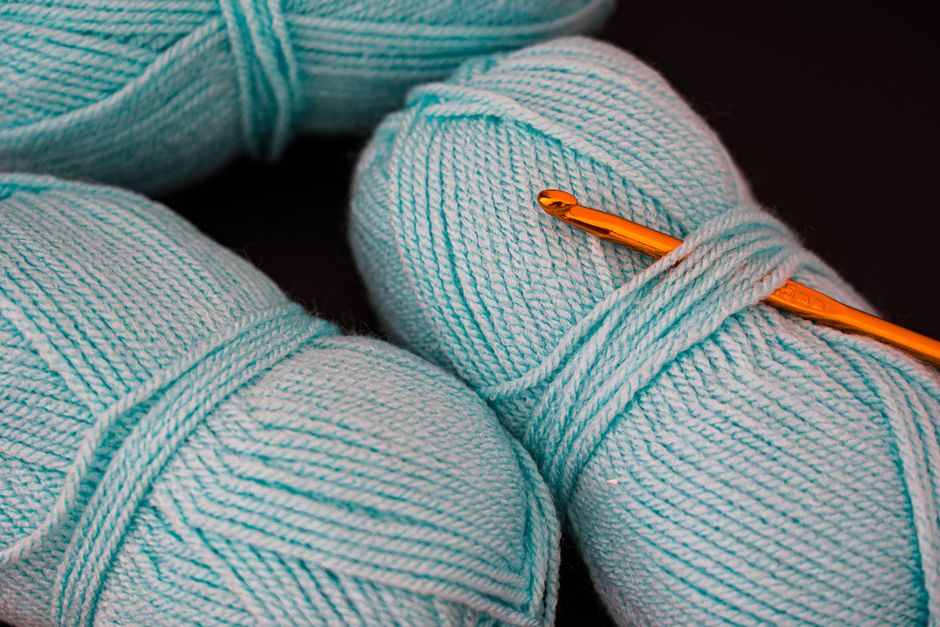
Cotton is a classic choice for dishcloths, market bags, and summer wear because it's absorbent and holds shape well. Wool is warm and springy, which helps stitches bounce back, making it great for hats and mittens. Acrylic is budget-friendly and easy to wash, which is why it's common for blankets and kid items, especially when you need bright colors that don't fade quickly.
Here's a simple fiber cheat sheet you can use while planning gift projects:
- Cotton: strong, cool, great stitch definition (stitches look crisp)
- Wool: warm, elastic, blocks well (blocking means shaping with water and drying)
- Acrylic: affordable, washable, huge color range
- Bamboo and bamboo blends: smooth drape, good for shawls and soft wearables
- Alpaca: very soft and warm, but can stretch, great for cozy accessories
- Blends (like wool-acrylic): balanced warmth, easier care, often lower cost
Fiber isn't the only factor, though. Yarn weight changes the whole vibe of your gift. If you want detailed crochet patterns with sharp shapes, worsted or DK (medium weights) often behave better than super bulky. If you want fast, squishy results, bulky yarn can be perfect, but it can hide delicate stitch work.
Build Unique Crochet Patterns That People Actually Want to Gift
A "unique" crochet pattern doesn't have to be complicated. Most of the time, it's one strong idea that feels personal, like a color story, a fun shape, or a small interactive detail. The most giftable crochet items solve a tiny problem, like keeping hands warm, organizing a desk, or making a kid smile.
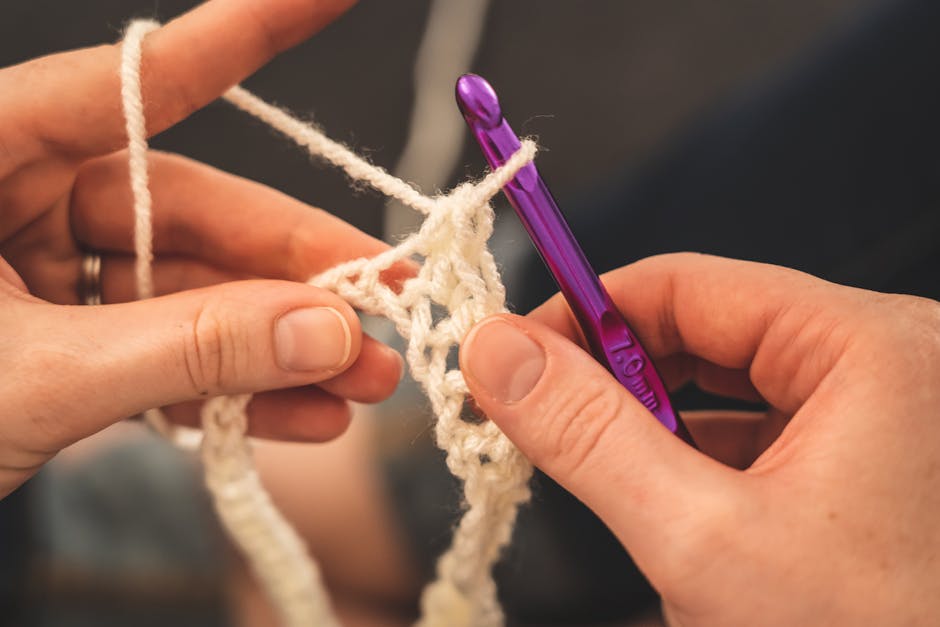
Start by choosing a theme, then repeat that theme across a small collection. For example, you can make a "cozy reading night" set with a mug cozy, bookmark, and lap blanket. You can also build a "new home" set with cotton coasters, a potholder, and a basket. This keeps your work focused, and it makes your shop look intentional.
If you want gift patterns that also sell well, lean into projects that are easy to size and quick to finish. Customers love gifts that feel special, but they also like simple, usable items.
These gift-ready pattern categories tend to perform well for crochet sellers:
- Home basics: coasters, baskets, pillow covers, plant pot covers
- Wearables: beanies, ear warmers, fingerless gloves, shawls
- Baby gifts: stroller blankets, loveys, booties, simple cardigans
- Desk and tech: cable holders, pouches, small organizers
- Seasonal: ornaments, garlands, reusable gift bows
You can also stand out by choosing a yarn that supports clean stitch lines. If your pattern has texture, like post stitches or cables, a smooth yarn shows it better than a fuzzy yarn. If your pattern relies on colorwork, a yarn with consistent thickness will make your tension look neat.
Want a playful angle for gifts and sales? Stuffed animals and character makes can be huge, especially if you design them with a twist (odd color palettes, unusual animals, or mix-and-match accessories). For a deeper look at standout plush designs, check out how to crochet unique patterns for sale.
Choose Yarn Like a Seller: Cost, Care Labels, and Customer Trust
If you plan to sell crochet items or patterns, the Best Yarn Types for Crocheting aren't just about feel. They're about repeatability. You need yarn you can restock, colors that match across batches, and a fiber that won't create returns because it pills (forms little fuzz balls) or bleeds dye in the wash.
A good rule: choose yarn you can buy again in the same brand line. Limited-edition skeins can look amazing, but they can ruin your workflow when you can't replace them later. Also, read care labels like a customer would. If it says "hand wash only," that can limit sales for everyday items.
For strong buyer confidence, include care guidance and fiber details in every listing. That's not just marketing, it's trust. The U.S. Federal Trade Commission has clear guidance on fiber labeling for textiles, which can help sellers understand how materials are described in the market FTC Textile Rules.
Use this quick decision framework to pick sellable yarn fast:
- Decide the job of the item (warmth, washability, structure, softness)
- Pick the fiber that fits the job (cotton, wool, acrylic, or blend)
- Choose a weight you can work quickly and consistently (DK, worsted, bulky)
- Check restock reliability (same brand, same dye lots available)
- Confirm care instructions make sense for the buyer (machine wash is a plus)
After you pick yarn, do a tiny "stress test" before you commit to a full batch. Crochet a small swatch, wash it once, and tug it gently. If it stretches out or turns scratchy, it's not worth building a product line on it.
For pattern sellers, yarn choice is also part of your pattern's reputation. Clear yarn recommendations reduce customer frustration and negative reviews. If you're writing advanced patterns with shaping or tight stitch counts, specify multiple yarn options so buyers can match what's available locally. You might also enjoy advanced crochet techniques for sale for deeper strategy on items that sell.
Color, Texture, and Stitch Definition: Make Your Crochet Look "Expensive"
Here's a secret many crocheters learn after a few markets: customers judge quality from three feet away. They notice color harmony, clean edges, and a fabric that looks intentional. This is where yarn texture can either lift your work up or make it look messy.
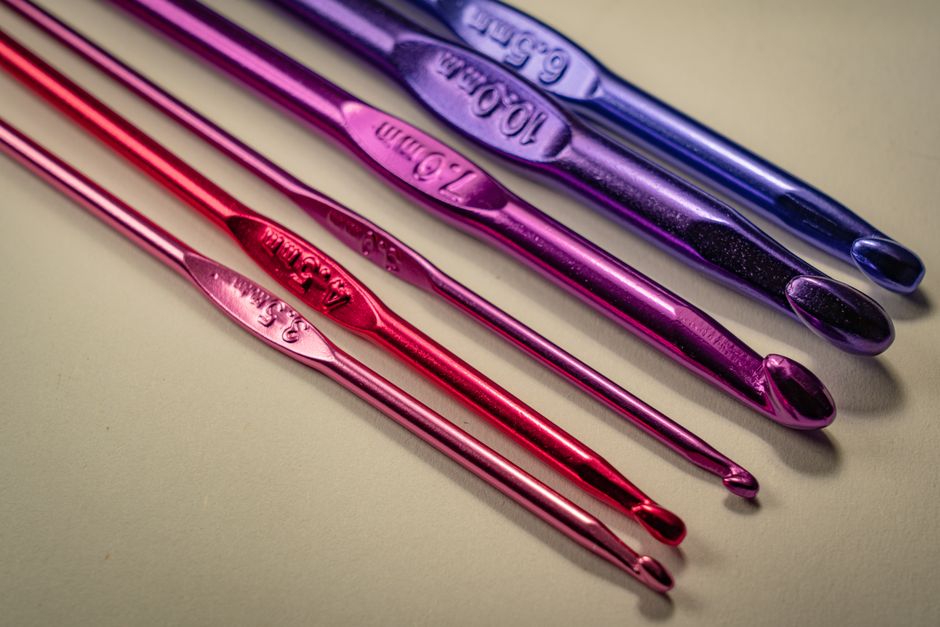
Smooth yarns show stitch definition best. That means stitches look like tiny "V" shapes and the pattern reads clearly. This is great for amigurumi (crocheted stuffed toys), granny squares with crisp lines, and textured stitches where you want the ridges to pop. Fuzzy yarns can be cozy, but they blur detail. Novelty yarns can be fun, but they're harder to frog (undo) and harder to price because they slow you down.
Color choice matters just as much. A unique pattern can fail if the colors fight each other. For gift sets, pick a small palette and repeat it across items. For sales, offer a few curated colorways instead of 30 random choices.
Here are easy color strategies that work for both gifts and product lines:
- Neutrals plus one accent (cream, taupe, and a bold mustard)
- Monochrome (different shades of the same color)
- Seasonal sets (spring pastels, fall earth tones)
- "Modern minimal" (black, white, gray, plus one bright)
- Kid-friendly brights with one grounding neutral
Texture can also become your signature. For example, you can build a brand around tight, clean stitches and sharp shaping, or you can build around soft, drapey pieces with lots of movement. The key is consistency, so people recognize your style in photos.
For freshness, note a real trend: in 2025 and 2026, more handmade buyers are asking about materials and care, especially for gifts and baby items. This lines up with broader consumer interest in fiber content transparency and product longevity, which shows up across craft marketplaces and sustainability reporting. If you want a widely cited snapshot of the bigger sustainability push shaping textiles, the Ellen MacArthur Foundation is a strong reference point for circular textiles and reducing waste Ellen MacArthur Foundation.
Pricing and Profit: Turn Yarn Choices Into a Clear Math Plan
Profitable sales happen when you stop guessing. Yarn affects your cost, your time, and how much buyers think the item is worth. If you choose premium fibers, your photos can look elevated, but you must price accordingly. If you choose budget yarn, you can sell more volume, but you need efficiency.
Start with simple cost math. Track how many grams or yards you use per item, then calculate yarn cost per piece. Add packaging, labels, shipping supplies, and platform fees if you sell online. Then pay yourself for time. Even if crochet is your happy place, your time still has value.
Here's a basic pricing formula that keeps things fair:
- Materials cost (yarn, safety eyes, stuffing, buttons)
- Overhead cost (packaging, tools, listing fees)
- Labor cost (hours x your hourly rate)
- Profit margin (a small extra buffer for growth)
After you price, compare your item to similar products. If your work looks cleaner, uses better yarn, or has a more original design, you can charge more. Buyers will pay for quality when they can see it.
If you sell crochet patterns (not finished items), yarn choice becomes part of your customer experience. The more common and accessible the recommended yarn is, the fewer support messages you'll get. It also helps to list the Best Yarn Types for Crocheting that match your design goal, like "smooth worsted cotton for crisp texture" or "wool blend for stretch and warmth."
FAQ Best Yarn Types for Crocheting Unique Gifts and Sales
Frequently Asked Questions
What Are the Best Yarn Types for Crocheting Gifts That Get Washed Often?
Cotton and acrylic are usually the safest picks for gifts that need frequent washing. Cotton handles heat and absorbs well, so it's great for kitchen items and baby burp cloths. Acrylic is often machine-washable and keeps color well, which helps for blankets and kid gifts. Always check the label and include care instructions with the gift.
Is Wool or Acrylic Better for Selling Crochet Hats?
Wool is warmer and has natural stretch, so hats can fit more comfortably and keep shape. Acrylic is cheaper and easier to wash, which can increase sales for everyday buyers. Many sellers choose wool-acrylic blends because they balance warmth, softness, and easy care. Your market matters, so test what your customers prefer.
How Do I Make My Crochet Items Look More "High-End" Without Expensive Yarn?
Pick a smooth yarn with good stitch definition and use a tight, even tension. Choose a simple color palette and repeat it across a small collection. Clean finishing helps a lot, weave in ends neatly, block items that need shaping, and add a professional tag. Even budget yarn can look premium with tidy edges and consistent stitches.
What Yarn Weight Sells Best for Quick Crochet Products?
Worsted weight is a strong all-around choice because it's widely available and works up fast. Bulky yarn is even faster, but it can limit detail and may cost more per item. DK weight can look refined for wearables, but it takes longer. If you're building profit, worsted often gives the best balance of speed and polish.
Should I Offer Many Yarn Options in My Crochet Patterns?
Offer two to three options that match your design goal. For example, list a common acrylic, a cotton alternative, and a premium blend. This helps customers shop locally and makes your pattern more flexible. Be clear about how yarn swaps may change size, drape, or stitch definition.
Final Thoughts: Pick Yarn with a Purpose, Then Sell with Confidence
Unique crochet patterns don't start with a fancy stitch. They start with a clear goal: what should this gift feel like, and what should this product do for the buyer? Once you choose the Best Yarn Types for Crocheting for that goal, your pattern choices get easier, your photos look more consistent, and your pricing makes more sense.
If you want to grow faster, create a small "starter collection" of 5 to 8 items that all use the same yarn line and a tight color palette. You'll waste less time, make fewer mistakes, and build a look customers recognize. If you need inspiration for giftable designs that push your skills, explore crochet patterns for advanced projects and turn one strong idea into a whole set people will happily buy.