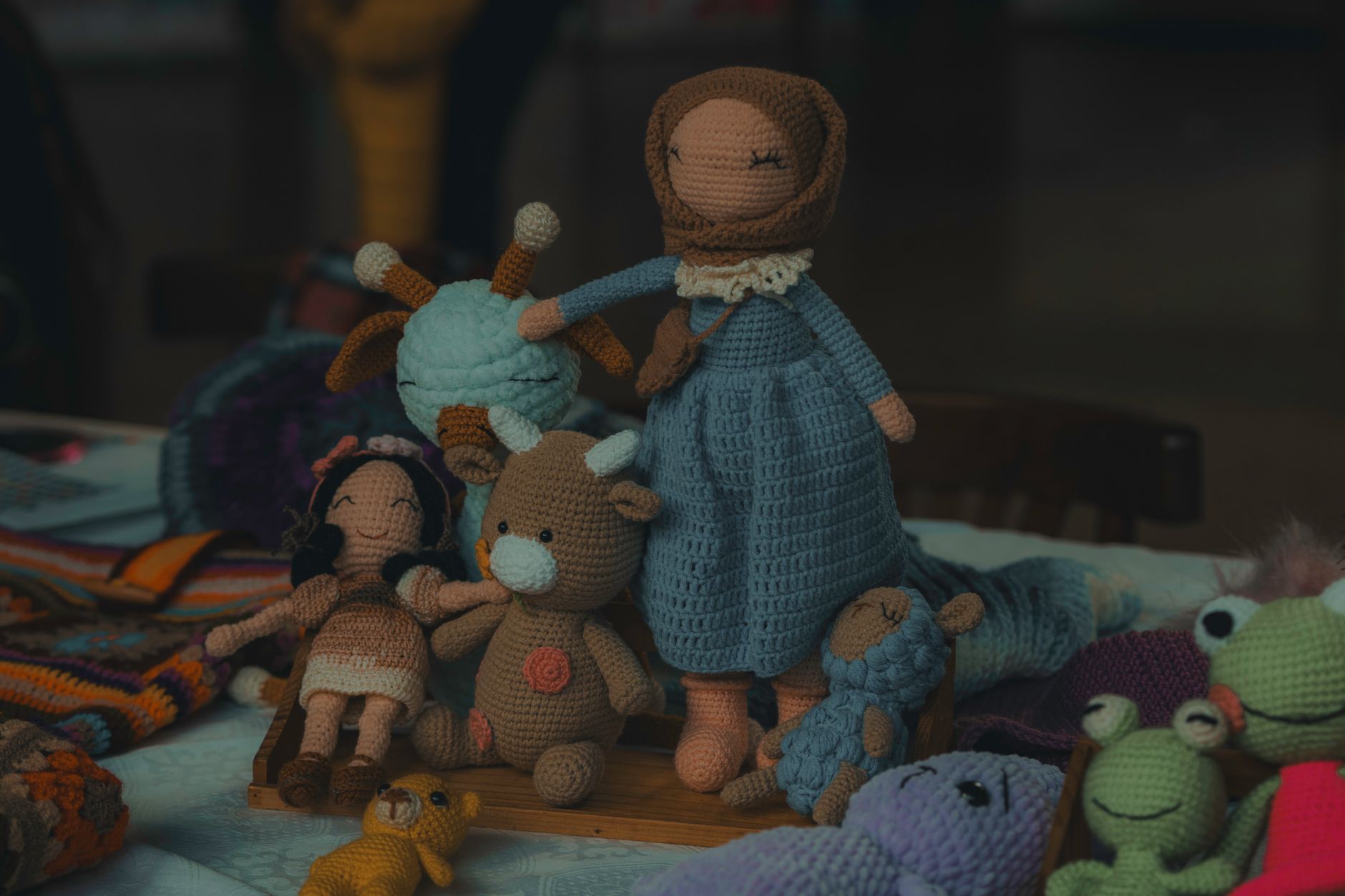
Best Crochet Patterns for Advanced Techniques: Craft Unique Stuffed Animals with Pro Tricks Today
Have you ever looked at a plush creature and thought, how did they shape that muzzle so cleanly? If you want stuffed animals that look sculpted, not lumpy, you need Best Crochet Patterns for Advanced Techniques and the know-how to pull them off. This guide gives you both, so you can level up today, not someday.
Recent trend reports point to a surge of handmade nostalgia, with 2025 craft forecasts highlighting plush textures and cozy characters as breakout favorites on visual platforms like Pinterest Pinterest Predicts. That means your next advanced amigurumi has a real audience. Let's turn advanced techniques into repeatable steps you can use on any creature you imagine.
1. Map Sculpted Shapes with Short Rows and Invisible Joins
A stuffed animal gets its magic from shape. Short rows let you tilt a head, bump out a cheek, or build a rounded belly without harsh seams. Invisible joins then keep those curves flowing, so your bear's face looks smooth from every angle. Think of short rows as tiny detours that add height where you want it, and joins as the quiet way you close circles without a jog.
To start, pick a tight stitch like single crochet for a dense, sculptable fabric. Work partial rounds to add volume on one side of the head or snout. Use a clean, needle join so the round change disappears. Then mark every change with removable markers. That way, you can mirror the placement on the other side for perfect symmetry.
- Place a marker where shaping begins, then work a partial round back and forth to add height.
- Use a wrap and turn or a simple turn, keeping tension even so no gaps form.
- Resume full rounds, smoothing any edge by stitching into the wrap or closing the gap with the next round.
- Close rounds with an invisible needle join to the first stitch, not the chain, for a seamless look.
- Stuff lightly at first, then add more after key shaping is locked, so the fabric does not stretch out.
2. Engineer Firm Fabric: Yarn, Hook, and Tension
A pro-level plush starts with the right mix of yarn, hook, and tension. You want a fabric that traps stuffing and holds crisp edges. Most experts aim for 4 to 5 single crochets per centimeter. That is denser than garment gauge, which means you usually go down one or two hook sizes from the yarn label. The Craft Yarn Council's weight system is a reliable guide as you match yarn to hook size Craft Yarn Council.

Fiber choice matters too. Cotton shows details sharply, wool blends block into curves, and acrylic is durable and budget friendly. If you plan to brush fur, choose a yarn with halo, like mohair or brushed acrylic. For kids and pets, confirm your yarn meets safety standards like STANDARD 100 by OEKOTEX OEKOTEX.
- Choose yarn weight to match detail level: lighter weights for tiny faces, medium weights for huggable toys.
- Drop hook size 1 to 2 steps to eliminate stuffing show-through while keeping stitches workable.
- Keep tension steady by anchoring your yarn hand the same way every round.
- Swatch in the round, not flat, because stuffed toys live in spirals.
- Record gauge, hook, and yarn in your project notes so you can reproduce results.
3. Add Armatures and Weighted Bases for Poseable Plush
If your dragon slumps or your giraffe can't stand, it is a structure problem, not a skill problem. Armatures, small internal skeletons made from wire or plastic, give limbs and necks strength. Weighted bases, like poly pellets in a sealed pouch, let a creature sit or stand with confidence. The key is placing supports before closing critical sections, and always securing ends so they cannot poke through.
Choose floral wire for light bendable parts and aluminum craft wire for extra stiffness. For gifts to kids, use plastic doll armatures or cable ties encased in felt, since metal can protrude if not capped. Seal weights inside a fabric pouch before inserting, then surround the pouch with fiberfill so it does not rattle.
- Measure limb length and cut wire 1 to 2 centimeters shorter to protect tips.
- Loop and tape wire ends, then encase in a felt sleeve for a smooth finish.
- Insert the armature while the limb tube is still open, then stuff firmly around it.
- Build a weighted pouch from scrap fabric, fill with pellets, and ladder stitch it closed.
- Place the pouch at the base or belly, then add stuffing to lock it in position.
4. Craft Expressive Faces: Safety Eyes, Embroidery, and Applique
Faces sell the story. Placement, not price, makes a toy look alive. Mark eye positions with pins first, stepping back a meter to review symmetry. Install safety eyes only after you are sure, because the backs are permanent. If you want soft, baby friendly features, embroider eyes and noses with satin stitches and backstitch outlines, or applique felt shapes for bold styles.
Use contrast smartly. Dark locks of eyelash yarn or a tiny color change around the snout adds depth without new parts. Embroider eyelids or tiny eyebrows to set the mood. Anchor all embroidery inside the head with a secure knot and a second pass, then bury tails through the stuffing for durability.
- Use safety eyes with washers sized to fabric density, and only on projects not intended for children under three.
- For embroidery, double your strand for bold lines and split for fine details like whiskers.
- Add a felt muzzle or inner ear pieces for layered dimension, securing with tiny whip stitches.
- Place eyes one eye width apart as a starting rule, then adjust based on snout size.
- Add a tiny blush with fabric-safe pastel or embroidered French knots on cheeks.
5. Best Crochet Patterns for Advanced Techniques: Curated Picks
Patterns are your map to mastery. The right instructions teach shaping, joining, and finishing inside one project. Look for patterns that name techniques up front, offer clear stitch counts each round, and include shaping notes. Detailed photo steps or short tutorial videos are a big plus. If a pattern lists specific yarns, check fiber and gauge notes so your result matches the photos.
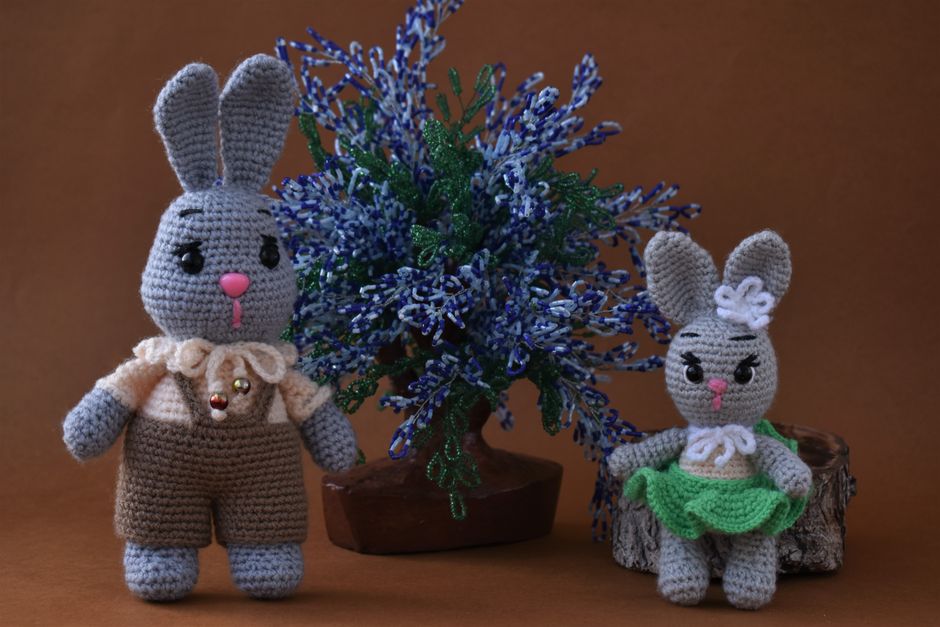
Building your library pays off. Mix a few showpiece patterns with quick wins to practice skills before the big build. If you want pro quality from the start, shop designs by makers who specialize in amigurumi and structural shaping. You can compare formats and find unique options here: Unique Crochet Patterns for Sale.
- Head and Snout Sculptors: Choose animal heads with short rows, invisible joins, and ear shaping notes.
- Seamless Limb Joins: Pick patterns that attach legs and arms as you go to avoid gaps.
- Poseable Figures: Look for armature guidance and stuffing checkpoints in the instructions.
- Texture Masters: Try loop stitch fur, brushed surfaces, or popcorn scales for fantasy creatures.
- Readability Wins: If you want to level up fast, learn to parse abbreviations with this guide, then return to advanced sets: How to Read Crochet Patterns.
- Ready To Invest: If you prefer a curated set of advanced designs, start here: Buy Crochet Patterns for Advanced Techniques.
6. Finish Like a Pro: Blocking, Brushing, and Long-Term Care
Finishing transforms good into great. Light steam blocking relaxes fibers so parts align and sit flat. For faux fur effects, brush the surface gently with a pet slicker, pulling fibers out of the stitches. If you need crisp edges on wings or ears, wet block just the tips on a foam board with rustproof pins. Always test your yarn first so you do not over stretch or melt acrylic.
Keep safety and durability in mind. Crochet fabric is strong, but seams take stress. Use a long tail and whip stitch with small bites for invisible seams, then reinforce high stress joints with a second pass. For washable toys, check the yarn label and follow care symbols. Reliable brand gauge and care charts help avoid surprises later Lion Brand Gauge Guide, and safety testing standards like OEKOTEX give peace of mind for gifts OEKOTEX.
- Steam block shapes from a few centimeters away, never touching the iron to acrylic.
- Brush fur cautiously, supporting fabric from behind to avoid stretching.
- Stitch seams with a blunt needle and matching yarn, then weave tails through multiple directions.
- Add a discreet maker tag and note fiber content for care.
- Store finished plush in breathable bags, not sealed plastic, to protect fibers.
7. Material Substitutions That Still Keep Shape
Sometimes your stash calls the shots. Substituting yarn is fine if you protect gauge and drape. Swap within the same weight class and fiber family whenever possible. If you change fibers, know the tradeoffs. Cotton shows stitch definition and reduces pilling. Wool blends spring back into curves and block beautifully. Acrylic is affordable, consistent, and easy to wash.
Test before you commit. Swatch in the round with your chosen hook and stuffing. If you can see white stuffing through the fabric, drop a hook size. If the piece feels stiff or shrinks, go up a size or switch fiber. Use trusted tools to research substitutes and fiber behavior, and always note changes in your project sheet so you can repeat a win.
- Keep weight class consistent using the standardized system for predictable results Craft Yarn Council.
- Match yardage and fiber content when replacing a called-for yarn to maintain drape.
- If changing to halo yarns for brushing, plan 5 to 10 percent extra yardage for loss during finishing.
- If a pattern relies on blocking, favor wool or blends that respond well to steam.
8. Trend Watch 2026: Styles That Make Your Plush Pop
Designs that feel current tend to get shared and loved. 2026 trend chatter leans cozy maximalism, where textures, layered color, and playful shapes shine. That fits stuffed animals perfectly. Think color dipped paws, loop stitched manes, and embroidered freckles. Seasonal motifs also travel well, like garden critters in spring or mythic creatures before Halloween. Keep your base pattern solid, then add a trend accent so the toy ages well.

Marketplaces often echo these shifts. Handmade platforms spotlight nostalgic characters and tactile finishes in their yearly insights, encouraging sellers to add bold texture and personality. Use these cues as gentle guides, not rules. Your best bet is still strong construction, clear shaping, and a finish that looks clean up close and from a photo.
- Refresh a classic bear by adding short row eyelids and a brushed muzzle.
- Try a gradient yarn for tails or wings to create easy, photogenic fades.
- Use duplicate stitch to add tiny star or heart motifs without carrying floats.
- Offer two sizes by changing hook and yarn weight, keeping the same pattern math.
Frequently Asked Questions
What Makes a Pattern "Advanced" for Stuffed Animals?
Advanced patterns usually combine shaping, seamless construction, and finishing in one project. Expect short rows, invisible joins, on-the-go limb attachment, and precise stitch counts each round. Many include armatures or weighted bases, plus detailed face guides. If a pattern teaches a new skill and explains why it works, that is a strong sign it is advanced.
How Do I Stop Stuffing From Showing Through?
Use a smaller hook than the label suggests to tighten stitch gaps. Swatch in the round and stuff the swatch to test for show-through. Aim for 4 to 5 single crochets per centimeter, depending on yarn. If you still see filling, choose a darker stuffing, add a thin layer of batting between stuffing and fabric, or step down the hook one more size.
Can I Make Toys Safe for Babies and Toddlers?
Yes, with careful choices. Use embroidered or appliqued eyes instead of safety eyes for under-threes. Secure all seams with extra stitches, and bury yarn tails well. Confirm yarn meets safety and chemical thresholds like STANDARD 100 by OEKOTEX before gifting. Avoid wire armatures in baby toys. Always follow age guidance on findings and fibers.
What If I Only Have Beginner Skills?
You can bridge the gap by stacking skills. Practice short rows on a small swatch, then try an easy head with light shaping. Move to a pattern that attaches limbs as you go, then add a brushed muzzle. Use a learning roadmap like Best Crochet Patterns for Beginners to build confidence. With steady practice, advanced toys are absolutely within reach.
Where Can I Find Reliable Advanced Patterns?
Choose designers who specialize in amigurumi and share clear technique notes. Look for detailed round counts, shaping diagrams, and photos. On this site, you can compare formats and pick proven designs in one spot: Unique Crochet Patterns for Sale. For hands-on prep, review pattern reading basics here: How to Read Crochet Patterns.
Wrap up: Your Next Heirloom Starts Now
You now have a toolbox of shaping, structure, and finishing moves that turn yarn into character. Pair these skills with Best Crochet Patterns for Advanced Techniques, and you can sculpt any creature you dream up. Choose your first design, swatch for tight fabric, test your shaping, and finish clean. When you are ready for pro-level blueprints, browse our curated advanced patterns and make a keepsake that looks hand crafted, not homemade. Ready to stitch your showpiece today?