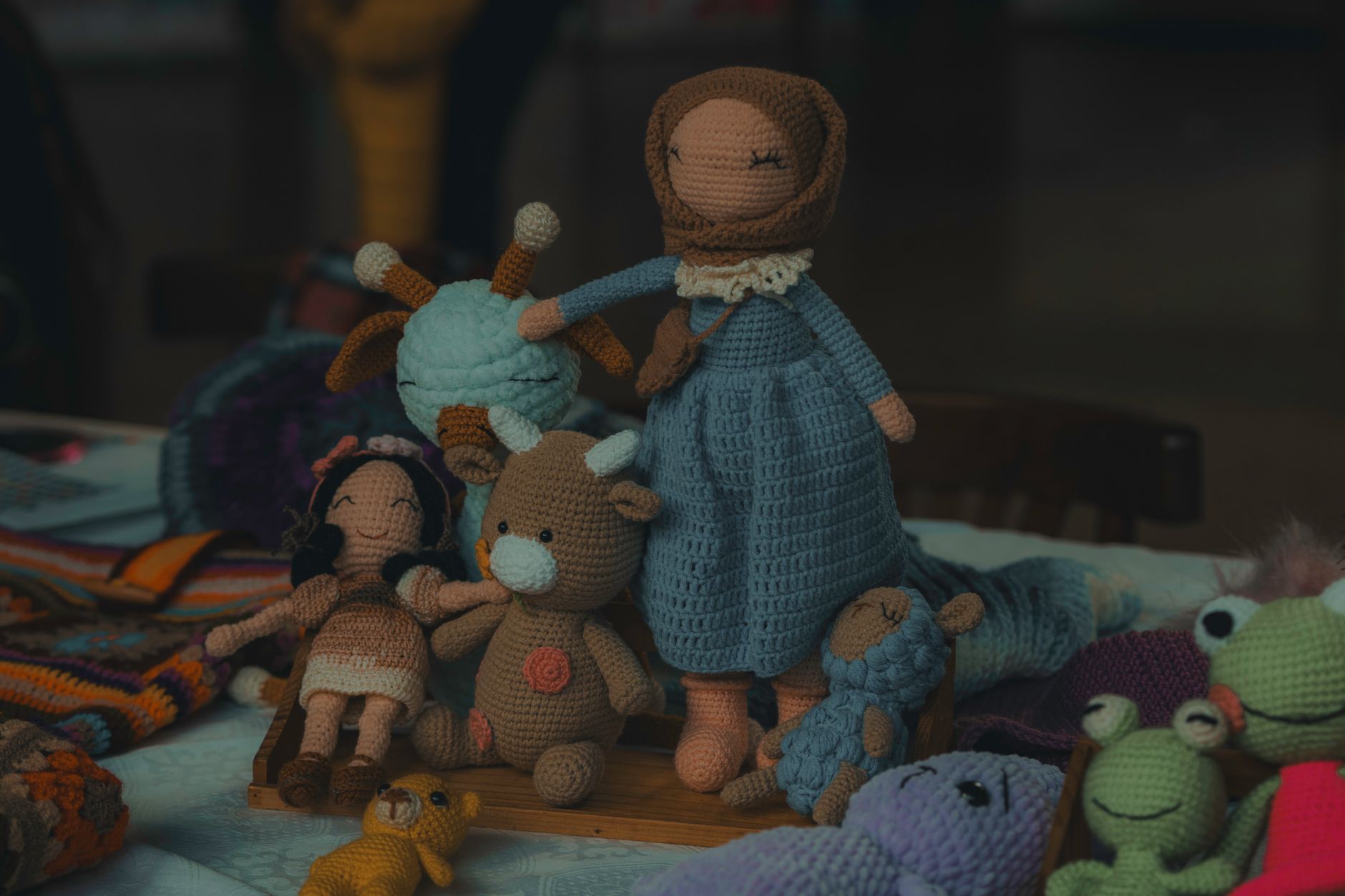
Advanced Crochet Patterns for Toys: Master Unique Toy Designs You Can Sell
You finish a toy, love it on your hook, then the photos look flat, the face feels "off," or the arms won't sit right. That's the moment many sellers jump to new patterns, when what they really need is a smarter way to use advanced crochet patterns for toys.
If you want unique toy designs that sell, you don't need to reinvent crochet. You need repeatable choices that make your toys look cleaner, feel better in the hand, and stay recognizable as your "style." Below is the same decision process we use when we build toys from complex patterns, then tweak them for a shop.
Choose a Toy Concept That Sells and Still Fits Your Hands
Advanced toys don't sell just because they're advanced. They sell because they hit a clear vibe (cute, odd, cozy, spooky, sporty) and because the finish looks intentional.
Start by choosing your "hero feature," the one thing buyers remember after scrolling:
- Oversized head with tiny body (kawaii vibe)
- Big textured mane, scales, or feathers
- A wearable accessory (hat, backpack, little apron)
- A signature face style (sleepy eyes, blush cheeks, toothy grin)
Then choose complexity that supports that feature. The most reliable "worth it" complexity is the kind buyers can see in a photo.
Here's a quick framework we use:
- Choose shaping complexity (short rows, careful increases, joined limbs) if you want better pose and silhouette.
- Choose texture complexity (bobble stitch, surface crochet, slip-stitch ribbing) if you want instant photo appeal.
- Choose construction complexity (many small parts, layered pieces) only if you can batch it without hating your life.
If you're still building your speed, it can help to start with a simpler base body and add one advanced element. Our beginner-friendly starting point is easy crochet patterns for beginners you can sell, then you can "level up" that same body style into your shop's signature.
Transition tip: once you pick the hero feature, every pattern choice should protect it. That prevents over-designing.
Advanced Crochet Patterns for Toys: a Worked Example (One Pattern, Three Sellable Variations)
A lot of sellers think "unique" means "brand new pattern." Usually it means "same core pattern, different visual language." Here's a concrete example you can copy.
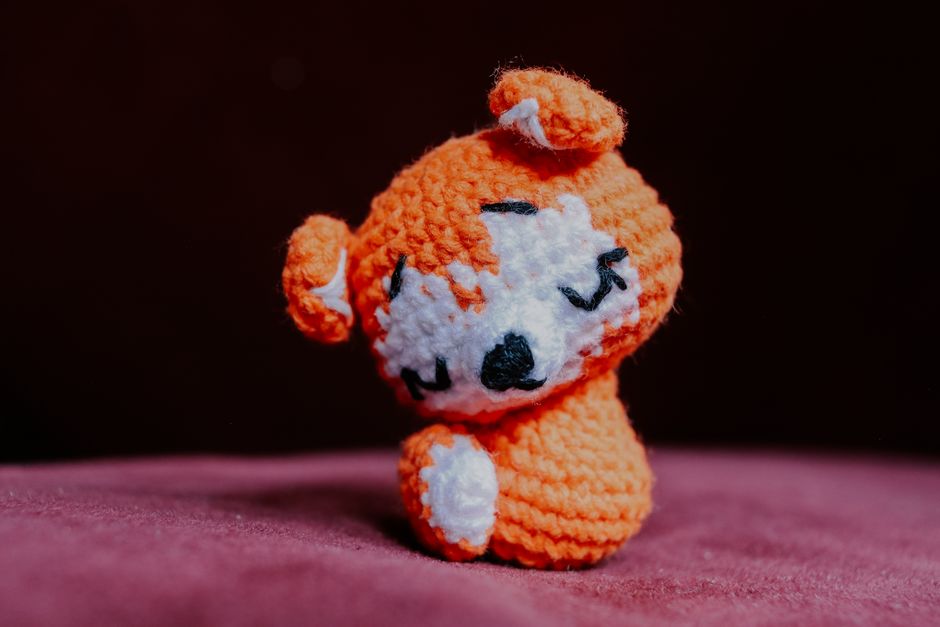
Base Concept: a 7-9 Inch Sitting Critter
Pick a base toy with a round head, simple body, and two limbs. This gives you room to change the surface and face without rewriting the whole build.
Now build three variations that photograph differently.
Variation a: the "Soft Minimal" Bestseller
Goal: clean lines, fast to repeat, looks premium.
- Yarn: matte plush or a smooth worsted with a tight stitch
- Face: safety eyes, tiny embroidered mouth, no heavy blush
- Details: one accessory only (tiny scarf or bow)
Trade-off: minimal toys need perfect shaping. Any wobble shows.
Variation B: the "Texture Collector" Toy
Goal: people stop scrolling because the surface looks touchable.
- Yarn: smooth yarn so your stitches show (texture gets lost in fuzz)
- Technique: surface crochet lines for stripes, or bobbles for "spikes"
- Detail placement: concentrate texture on the hero feature (back, mane, cheeks)
Trade-off: texture adds time and uses more yarn. If your hands fatigue, keep it to one zone.
Variation C: the "Character" Toy with a Story
Goal: it feels like an original character, not a generic animal.
- Face: embroidered eyelids, eyebrows, or sleepy eyes (small changes, huge personality)
- Shape tweak: slightly flatter head top (more "chibi"), or longer snout (more "realistic")
- Costume: removable hat or tiny overalls (removable sells better, because buyers like options)
Trade-off: costumes add parts, which adds assembly time and loose-end risk.
If you want patterns that already lean into character and advanced construction, start with step-by-step unique stuffed animal patterns for advanced crafters and then apply the "three variations" method above.
The Build Problems That Kill Toy Sales (and How to Fix Them)
Most "advanced" toy issues aren't hard stitches. They're consistency problems that show up in photos or in the buyer's hands.
Problem 1: Lumpy Heads and Wavy Circles
Cause: inconsistent tension, or increases not spaced evenly.
Fixes that work fast:
- Use a smaller hook than the yarn label suggests, so the fabric is firm.
- Move your stitch marker every round, and count the round that changes shape.
- If your circle starts to ruffle, you're adding too many stitches. If it bowls, too few.
Problem 2: Limbs That Look Crooked or "Tacked On"
Cause: sewn placement drifts, or the body stuffing pushes pieces outward.
Better approach:
- Pin limbs in place and take a photo from the front.
- Adjust until both sides match in the photo, not just in your hand.
- Sew through both layers firmly, then add a little more stuffing after sewing if needed.
If you're comfortable with it, crocheting limbs on (joining as you go) can look cleaner. It also speeds up production once you've practiced.
Problem 3: Faces That Feel "Uncanny"
Cause: eye spacing, eye height, and mouth placement fight each other.
A simple face map:
- Put eyes on first and check symmetry.
- Place the mouth lower than you think for "cute." Place it higher for "cheeky."
- Add a tiny embroidered detail (eyelid line or eyebrow) before adding blush. Blush can't fix a face that's missing expression.
Problem 4: Toys That Don't Hold Their Shape
Cause: under-stuffing, wrong stuffing placement, or fabric too loose.
Fix:
- Stuff in small layers and shape as you go.
- Use firmer stuffing in narrow areas (necks, legs) and softer stuffing in cheeks and bellies.
- If the stitch gaps show, go down a hook size.
One safety note: if you sell toys for young children, avoid small parts that can come loose. In the U.S., small parts are a known choking risk for kids under 3. You can review the guidance from the U.S. Consumer Product Safety Commission small parts information. If you're unsure, embroidered eyes are a safer default.
Pricing and Production: a Seller's Decision Framework
You can crochet the most stunning toy on earth and still lose money if it takes forever to make. Advanced patterns need a pricing plan that respects your time.

Decide What You're Selling: Finished Toys, Patterns, or Both
Each path changes what "advanced" should mean.
- Finished toys: prioritize durable construction, consistent sizing, and photo impact.
- Patterns: prioritize clear instructions, clean grading (sizes or options), and teachable steps.
- Both: build toys that are fun to repeat, then turn your best seller into a pattern later.
We sell crochet patterns and finished pieces, and the biggest win is designing for repeatability. A toy that takes one extra hour to assemble can quietly erase your profit.
Use a Complexity Budget (so You Don't Overbuild)
Pick a "budget" of advanced elements per toy. Here's one that works well for sellers:
- 1 advanced shaping feature (like an inset muzzle, a defined paw, or a flat base)
- 1 advanced texture feature (like surface slip-stitch lines or bobble zones)
- 1 advanced finishing feature (like needle-sculpted cheeks or a clean color-change technique)
If you add a fourth big feature, remove something else. This keeps the design special without turning every order into a marathon.
Batch the Parts That Don't Affect Creativity
If you're making multiple toys, batch the boring steps:
- Make all ears, horns, or tails in one sitting.
- Pre-cut yarn lengths for sewing so you don't stop every 3 minutes.
- Stuff and shape all heads at once, so your tension and firmness match.
That last one matters. A "set" of toys sells better when they look like siblings.
A Simple Checklist for "Unique Enough to Sell"
Before you list a toy, check for uniqueness in ways buyers can see.
- Silhouette: would you recognize it as yours as a black outline?
- Face: does it have a signature expression style?
- Texture: is there one area that looks extra satisfying to touch?
- Color: does the palette look intentional (even if it's bright or weird)?
- Finish: are the joins clean, and are loose ends truly hidden?
If you only change colors, it may still sell, but it won't build a brand as fast.
If you want a starting point that's already built for cuteness and reliable results, we also share guidance in how to choose amigurumi patterns that actually turn out cute.
FAQ
How Do I Know If a Toy Pattern Is "Advanced" Enough to Charge More?
Charge more when the buyer can see the work. Sculpted shapes, clean colorwork, and strong texture read as "premium" in photos.

If the difficulty is mostly hidden (like fiddly assembly inside the body), it still costs you time, but buyers won't value it as much. In that case, simplify construction or make the visible features stronger.
What's the Fastest Way to Make Toys Look More Professional?
Tight fabric, consistent shaping, and clean faces.
Go down a hook size, count your rounds, and spend an extra few minutes on eye placement. Those three steps change everything.
Should I Use Plush Yarn for Toys I Want to Sell?
Plush yarn sells because it looks cuddly, but it hides stitches and can make shaping harder.
If your design depends on crisp details, use smooth yarn and add texture with stitch work instead. If your design depends on "squish," plush yarn is perfect.
Build One Signature Toy, Then Make It Yours
The easiest way to stand out is to pick one base toy you can make reliably, then create a small collection of variations with your signature face and one standout feature.
If you want patterns that are designed for that level of detail, that's what we make at artncraftartncraft.art. Start with one of our advanced-style designs, apply the "complexity budget," then turn your best seller into the toy people recognize as yours.