
Advanced Amigurumi Crochet Patterns: What to Buy and How to Choose
"An 'advanced' amigurumi pattern isn't harder because it uses bigger words. It's advanced because it asks you to control shape on purpose."
If you've ever finished a cute plush and thought, this is fine, but it doesn't look like the designer photos, you're already brushing up against what advanced amigurumi crochet patterns really demand. They don't just add more pieces. They add more decisions, tighter tolerances, and more chances for small mistakes to show.
Buying advanced amigurumi crochet patterns makes sense when you want a cleaner finish, sharper character details, or a toy you can be proud to gift or sell. This guide helps you choose the right level of "advanced," avoid frustrating pattern traps, and pick designs that match your yarn, time, and patience.
What "Advanced" Really Means in Amigurumi (and Why It Matters)
Most crocheters think "advanced" means "more stitches." Sometimes it does, but the bigger shift is control. Advanced amigurumi is about shaping, symmetry, and repeatable results.
Here's what typically pushes a toy into advanced territory:
- Complex shaping (multiple increases and decreases in the same round, unusual angles, or shaping that happens fast)
- Lots of separate parts (ears, fingers, toes, horns, hair, accessories) that must line up cleanly
- Color changes that land in exact places (stripes, spots, facial markings)
- Surface details (embroidered eyes, eyelids, cheeks, teeth, claws, or layered appliqué)
- Finishing that affects the final look (invisible decreases, clean joins, tight stuffing, and tidy seams)
The reason this matters is simple. With beginner patterns, you can be "close" and still get cute. With advanced patterns, being "close" is what makes the face look off, the limbs twist, or the body lean.
If you like the idea of a challenge but hate frogging (undoing stitches), choose patterns that are advanced for one reason, not five. For example, pick a pattern that's mostly simple shapes but has detailed facial embroidery, or one with many parts but simple colorwork.
A Quick Decision Framework: Choose the Right Pattern for Your Next Project
Not all advanced amigurumi crochet patterns are advanced in the same way. Picking the right type for your personality saves time and yarn.
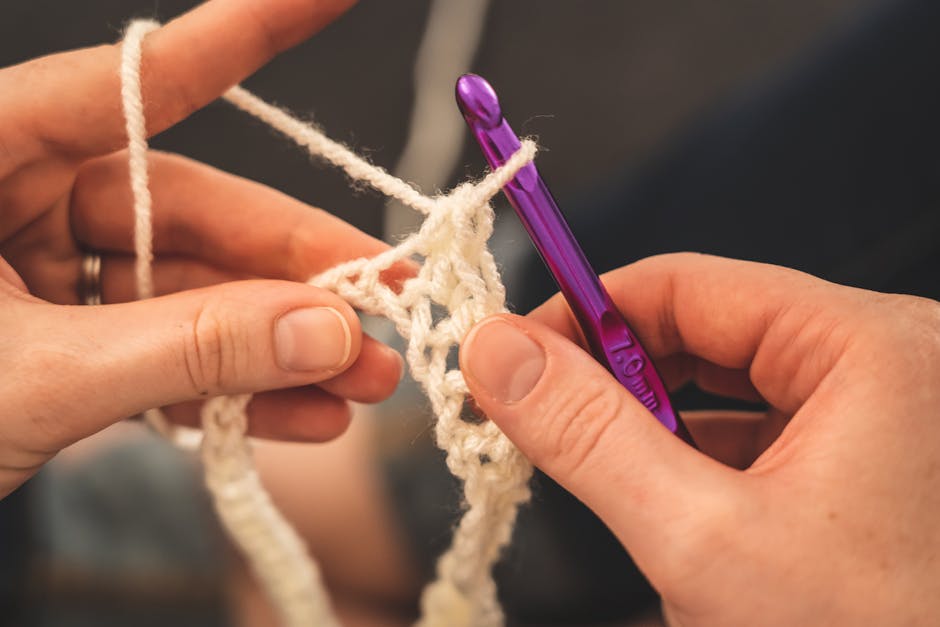
Use this framework:
Choose Detail-Heavy Patterns If You Love "Finishing Time"
These patterns look impressive because of facial shaping, embroidery, and small features.
Pick this style if:
- You enjoy slow, careful stitching
- You like sculpting a "face" with thread
- You don't mind redoing details until they feel right
Avoid this style if you get bored at the end. Many crocheters stall at the finishing stage.
Choose Piece-Heavy Patterns If You Like Assembly and Structure
These patterns have lots of limbs, accessories, and sometimes clothing.
Pick this style if:
- You enjoy pinning parts and making them perfectly symmetrical
- You want a toy that stands, sits, or poses well
- You don't mind sewing with yarn
Avoid this style if sewing drains you. Too many parts can turn fun into chores.
Choose Colorwork-Heavy Patterns If You're Precise with Counting
These patterns rely on color placement and round tracking.
Pick this style if:
- You count stitches naturally and keep good notes
- You like clean stripes, spots, and markings
- You don't mind managing multiple yarn ends
Avoid this style if you tend to crochet "by feel." Colorwork punishes drifting counts.
A practical buying tip we stand by: look for patterns that show at least one in-progress photo of the shaping stage, not only the finished toy. It's easier to trust a design when you can see how the forms develop.
If you're also shopping for designs with a more giftable "wow" factor, our comparison-style guide to crochet pattern ideas for gifts with advanced techniques helps you pick projects based on who you're making them for.
Worked Example: Picking Yarn, Hook, and Pattern Difficulty (so It Actually Looks Like the Photos)
Here's a real-world scenario we see all the time.

You buy an intricate dragon pattern with spikes, wings, and a shaped snout. The photos show crisp stitches and sharp angles. You start with a fuzzy chenille yarn because it feels soft, then your decreases disappear, the face loses definition, and the spikes look like blobs.
The pattern wasn't "bad." The yarn choice erased the very details that made it advanced.
Step 1: Decide What Must Look Sharp
For a dragon, the "must be sharp" list is usually:
- Snout and jaw shaping
- Horns/spikes edges
- Wing structure
- Eye area (placement and expression)
If those features matter, choose a yarn that shows stitch definition (you can clearly see each V-shaped stitch).
Step 2: Match Yarn Texture to the Pattern's Strength
- Smooth cotton or smooth acrylic: best for crisp shaping and clean color changes
- Lightly fuzzy yarn: okay for simple shapes, can hide small errors
- Plush/velvet/chenille: great for instant cuddly results, but it blurs detail
A non-obvious trade-off: plush yarn can make advanced patterns feel easier at first because imperfections hide. Then it gets harder at the end because you can't see where to place stitches for clean joins or neat decreases.
Step 3: Choose Hook Size for "Firm Fabric," Not Comfort
Amigurumi usually needs a firm fabric so stuffing doesn't show. Advanced patterns often need it even more because shaping depends on tension consistency.
If your stitches look like little windows when stuffed, go down a hook size.
If your hands hurt and you can't keep tension steady, go up slightly, then adjust stuffing and choose less "micro-detail" patterns.
Step 4: Buy Patterns That Tell You the Critical Stuff
In our patterns, we try to be very plain about what matters most, like:
- exact stitch counts at key rounds
- where each limb should align (and what to measure against)
- how to test symmetry before sewing
If a listing doesn't mention assembly guidance at all, assume you'll be doing more guesswork.
For more help matching pattern format to your style (photo-heavy, charted, minimalist, and more), see how to compare crochet pattern formats before you buy.
Common Pain Points with Advanced Patterns (and How to Avoid Them)
Advanced patterns can be incredibly satisfying, but the "stuck points" are predictable. A good purchase decision is really a decision to avoid the pain points you hate most.
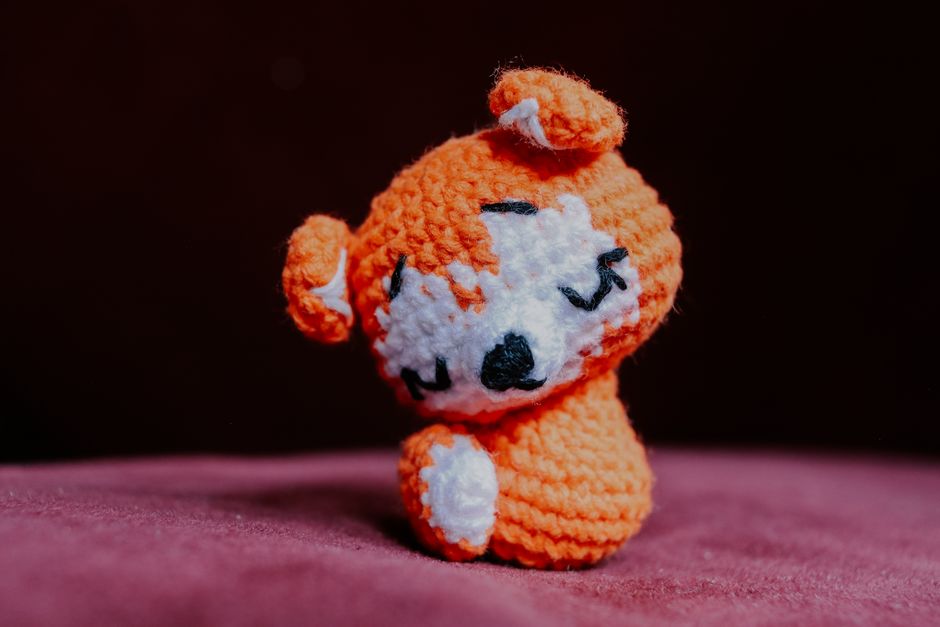
"My Parts Never Line Up"
This is usually stitch drift (your rounds slowly rotate). It's normal in continuous rounds.
What helps:
- Use a running stitch marker (move it every round)
- Add a second marker at the true "side seam" so you can track drift
- Pin limbs in place, step back, then adjust before sewing
If a pattern has stripes or facial markings, drift shows more. That's not a failure, it's a planning issue.
"The Face Looks Weird, and I Don't Know Why"
Faces fail from tiny placement errors.
What helps:
- Mark the centerline of the head with pins
- Place eyes first, then build expression around them
- Take a photo straight-on before committing, cameras spot unevenness fast
Also, don't overstuff the head. Overstuffing makes safety eyes and embroidery distort.
"I Keep Losing Count"
Advanced shaping often means frequent increases and decreases.
What helps:
- Count in chunks, not the whole round at once
- Use a simple tally on paper for repeats
- Pause at pattern checkpoints, confirm stitch count before moving on
If you hate counting, pick a pattern that's advanced because of finishing details, not constant shaping.
"It Takes Forever, so I Quit"
Time isn't just about size. It's about part count, color changes, and finishing.
Before you buy, scan the parts list. If you see "make 8" for anything tiny (toes, spikes, petals), that's the real time sink.
A practical approach that keeps momentum: choose one "hero feature" per project. For example, a toy with detailed wings but a simple body. Or a simple body with a complicated outfit.
Buying Advanced Amigurumi Crochet Patterns From Us (What You're Paying For)
We design for crocheters who want that clean, professional look. The goal isn't to make you struggle. The goal is to give you enough structure that your effort turns into a great result.
Here's what we believe a good advanced pattern should deliver:
- Clear shaping logic (you understand what the round is doing)
- Instructions that anticipate mistakes (especially around assembly)
- Detail options (so you can simplify or level up without breaking the design)
- Finishing guidance that actually changes the outcome (not just "sew on the arms")
If you're building a collection for making plush animals, including designs you can create and sell, you may also like unique crochet patterns for stuffed animals you can make and sell.
Advanced doesn't have to mean stressful. It should feel like a smart challenge where each step has a purpose.
If you want to buy advanced amigurumi crochet patterns today, pick one based on the kind of "hard" you enjoy (details, assembly, or counting). Then match yarn and hook to the pattern's strengths, not just what's in your stash. That's the fastest path to a toy that looks like the photos and feels like you made something special.