
Where to Buy Advanced Crochet Patterns: Discover Unique Designs for Any Project
"Buy the pattern for the photos, and you'll pay for it in frogging."
That's the hard truth we see all the time. A pattern can look stunning on a listing photo, then fall apart the minute you try to follow it. If you're searching for where to buy advanced crochet patterns, you're probably not hunting for "another basic beanie." You want something specific, technical, and worth your time.
This guide shows you where to shop, how to spot quality fast, and how to pick a pattern that matches your skill level, yarn, and end goal.
Step 1: Get Clear on What "Unique" Means for Your Project
"Unique" can mean lots of things in crochet, and the best place to buy depends on which kind you mean.
Start by choosing the main thing you want from this project. That single choice will narrow your shopping options more than any search term.
Here are the most common "unique" goals we see, and what they demand from a pattern:
- Technique-unique: overlay crochet, tapestry colorwork, mosaic, brioche-like texture, complex shaping, or advanced construction. You need strong stitch explanations and clear charts.
- Design-unique: unusual silhouettes, couture details, creature designs that don't look generic, or a very specific vibe. You need great photos from multiple angles.
- Finish-unique: polished edges, clean joins, invisible decreases, and neat assembly. You need instructions that don't skip "obvious" steps.
- Customization-unique: mix-and-match parts, size grading, or options (ears up or down, removable accessories, different expressions). You need a pattern that's written for variations, not "wing it."
If your goal is technique-unique, you're not just buying an idea. You're buying teaching.
Step 2: Choose Where You Shop Based on How You Like to Learn
Not all pattern marketplaces reward good writing. Some reward pretty photos. Some reward volume. Here's a practical framework you can use before you spend money.

Option a: Independent Designer Shops (Best for True One-Of-One Styles)
If you want the most unique work, small designer shops are usually where it lives. That includes our own patterns at artncraftartncraft.art, where we obsess over advanced techniques, clean shaping, and instructions you can actually trust.
Choose independent shops when you want:
- Patterns that feel like a signature style, not a trend clone
- Direct access to the designer's updates and corrections
- A consistent "voice" in the instructions, especially helpful for complex builds
Trade-off: discovery is harder. You need to browse and follow designers you like.
Option B: Curated Pattern Platforms (Best for Consistent Quality Control)
Some platforms are more curated than "upload anything." The benefit is consistency.
Choose curated platforms when you want:
- Predictable formatting (you don't want to decode a new style every time)
- Easier filtering for skill level, yarn weight, and construction style
Trade-off: the most experimental patterns may not show up there.
Option C: Community Marketplaces (Best for Variety, Requires More Screening)
Big marketplaces can be amazing, especially for niche ideas. But you need to vet listings more carefully.
Choose marketplaces when you want:
- A huge range of themes (toys, garments, home decor, cosplay pieces)
- Quick searching and lots of price points
Trade-off: quality swings wildly. A "five-star" pattern can still be confusing if the reviews are mostly about cuteness, not clarity.
Option D: Books and Magazines (Best for Edited Instructions and Charts)
Print resources often have tighter editing. That's a big deal for advanced work.
Choose books and magazines when you want:
- Clear charts, consistent abbreviations, and tested instructions
- Technique-heavy projects like lace, colorwork, or garment shaping
Trade-off: they're less searchable, and you can't preview the full pattern the same way.
Transition tip: once you pick the shopping lane, the next step is making sure the pattern itself is solid.
Step 3: Use This 6-Point Checklist to Spot a High-Quality Advanced Pattern
Advanced patterns fail in predictable places. The good news is you can catch most of those problems before you buy.
1) Look for Photo Coverage, Not Just Pretty Photos
A strong listing shows more than the hero shot. For toys, you want front, back, and side views. For garments, you want fit photos or flat lays that show shaping.
If you can't see the seams, joins, or transitions, you're guessing later.
2) Check How the Pattern Handles "Hard Parts"
Advanced crochet usually includes at least one of these:
- Shaping (increases and decreases that create curves)
- Color changes (carrying yarn, clean edges)
- Assembly (parts that must align)
- Counts that must match across rounds
A good pattern tells you what to watch for. A weak pattern pretends nothing is hard.
3) Preview the Abbreviation Style and Support Materials
If the listing mentions stitch charts, photo tutorials, or technique notes, that's a great sign.
If you still feel shaky reading complex instructions, our guide How to read crochet patterns without getting lost can help you decode advanced pattern language before you start.
4) Pay Attention to Yarn and Hook Guidance (This Is Where "Unique" Breaks)
Advanced designs often rely on fabric behavior.
- Tight stitches can hold structure for toys and 3D shapes.
- Drape matters for garments and shawls.
- Colorwork needs the right contrast and yarn feel.
A quality pattern explains yarn weight, fiber choice, and why the designer picked it. If it only says "use worsted," expect surprises.
5) Read Reviews for Specific Clues
Look for reviews that mention:
- Stitch counts lining up
- Clear assembly steps
- Helpful photos or charts
- Designer responses to questions
Be cautious with reviews that only say "so cute" or "fast to make." Those don't tell you if it's well-written.
6) Watch for These Red Flags
These are the most common signals a pattern will waste your time:
- Only one photo of the finished item
- No mention of yardage or finished size
- Vague skill level claims like "easy advanced" without details
- Instructions that rely on "do what looks right" for critical steps
Step 4: a Worked Example (Picking a Pattern for a Complex Toy)
Let's say you want a realistic stuffed animal with personality, not a simple plush blob. You also want it to be gift-worthy, with clean shaping and details.

Here's how we'd choose a pattern, step by step.
Your Constraints
- Goal: a toy that looks realistic from multiple angles
- Skill level: comfortable with amigurumi (stuffed crochet), ready for more shaping
- Materials: you have smooth yarn (great for showing stitches) and safety eyes
- Your pain point: sewing parts on crooked, and faces that look "off"
What You Should Look for in the Listing
- Separate head shaping sections, not just "keep decreasing." You want clear placement of increases and decreases so the muzzle and cheeks form.
- Placement guides for features, like "eyes between rounds X and Y, Z stitches apart," plus notes about adjusting for expression.
- Assembly maps, even a simple diagram. Complex toys can look wrong if ears are one stitch off.
- Multiple facial options (eyelids, eyebrow stitches, mouth shaping). These small options are what make a toy feel one-of-one.
What to Avoid (Even If the Photos Are Amazing)
- Patterns that don't show the toy from the side (you can't judge shaping)
- Listings that hide the face close-up (expression is the hardest part)
- "No-sew" claims for a very detailed design (sometimes possible, often a shortcut)
If you want practice building that kind of complexity confidently, our walkthrough How to crochet complex patterns for realistic stuffed animals focuses on the exact skills that make advanced toys look polished.
Step 5: Decide If You Should Buy a Pattern or Draft Your Own
Some crocheters love drafting (making your own pattern). Some just want a pattern that works. Both are valid.
Here's a simple decision framework we use.
Buy a Pattern If
- You're trying a new technique and want proven steps
- The shape must be correct (garment fit, realistic animal proportions)
- You want a reliable finished look without weeks of trial and error
Draft Your Own If
- You enjoy experimenting and don't mind frogging
- The project is mostly simple shapes with personal flair
- You already know how to adjust sizing and shaping as you go
A middle path often works best: buy an advanced base pattern, then customize colors, textures, and details.
Step 6: Make the Pattern Feel Truly "Yours" (Without Breaking It)
Unique projects come from small choices that don't mess up the structure.
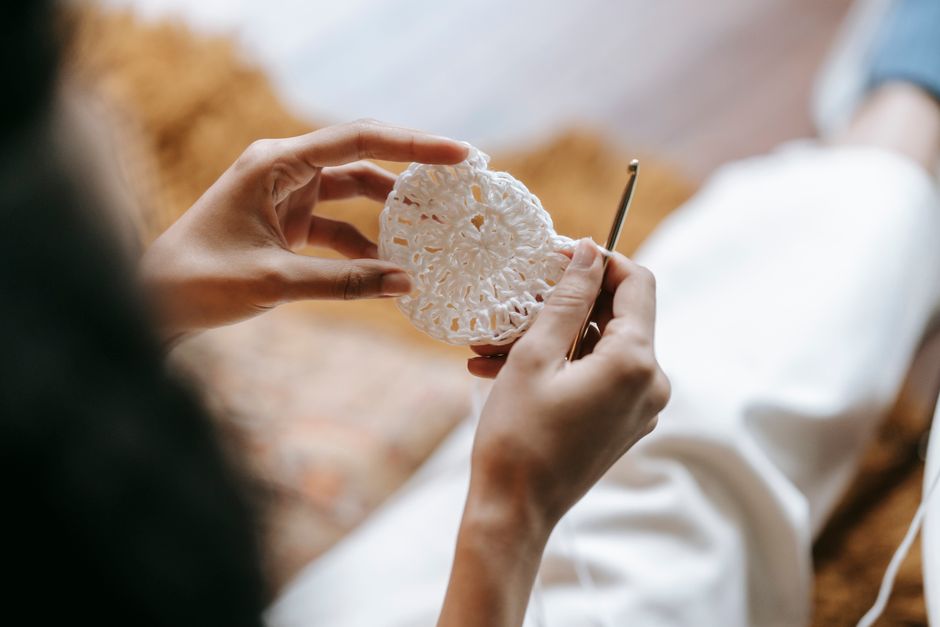
These are safe customizations that usually work well with advanced patterns:
- Swap color palettes while keeping the same contrast level (important for colorwork)
- Change surface texture (like adding bobbles or slip-stitch ridges) in non-structural areas
- Add removable accessories (scarves, hats, tiny bags) instead of changing the core shape
- Adjust expression details (eyebrows, eyelids, mouth) while keeping feature placement rules
Be more careful with changes that affect stitch counts, like resizing a toy's head or altering garment shaping. Those can cascade into every later step.
FAQ
How Do I Know a Pattern Is Truly "Advanced" and Not Just Labeled That Way?
An actually advanced pattern usually has at least one of these: charts, detailed shaping, complex construction, or precise assembly. A good listing will tell you which parts are tricky.
Should I Buy PDF Patterns or Printed Books?
PDFs are great for zooming charts and searching text. Books often have stronger editing and consistent formatting. Pick based on how you like to follow instructions.
What If I Buy a Pattern and Get Stuck?
Look for designers who answer questions or include troubleshooting notes. If you're stuck on reading the instructions, start with our guide to reading crochet patterns and come back to the project with fresh eyes.
Find Your Next Pattern (and Actually Enjoy Making It)
The best "unique" crochet projects don't come from randomness. They come from buying patterns that match your goal, your learning style, and your tolerance for tricky steps.
If you want designs that lean into advanced techniques and still feel doable, browse our crochet patterns at artncraftartncraft.art. We write patterns the way we wish every pattern was written, clear steps, strong shaping, and details that make the finished piece feel alive.