Unique Crochet Projects for Advanced Crocheters: Advanced Patterns to Sell with Flair
A "perfect" crochet item can still be a slow seller.
That's usually not because your stitches are off. It's because the project looks like something buyers have already seen a hundred times. If you're searching for unique crochet projects for advanced crocheters, you're really searching for patterns with built-in personality, the kind people stop scrolling for, and the kind that can justify a higher price.
We design and sell crochet patterns, and we've learned this the hard way. The projects that sell best aren't always the hardest. They're the ones with a clear point of view: a shape you don't see everywhere, details that feel intentional, and a finish that looks "designed," not "made from a basic recipe."
Unique Crochet Projects for Advanced Crocheters That Actually Look Different
"Unique" is not just adding more stitches. It's choosing structures and details that change the silhouette, the texture, and the story.
Here are advanced project directions that tend to stand out at markets, in product photos, and on pattern listings.
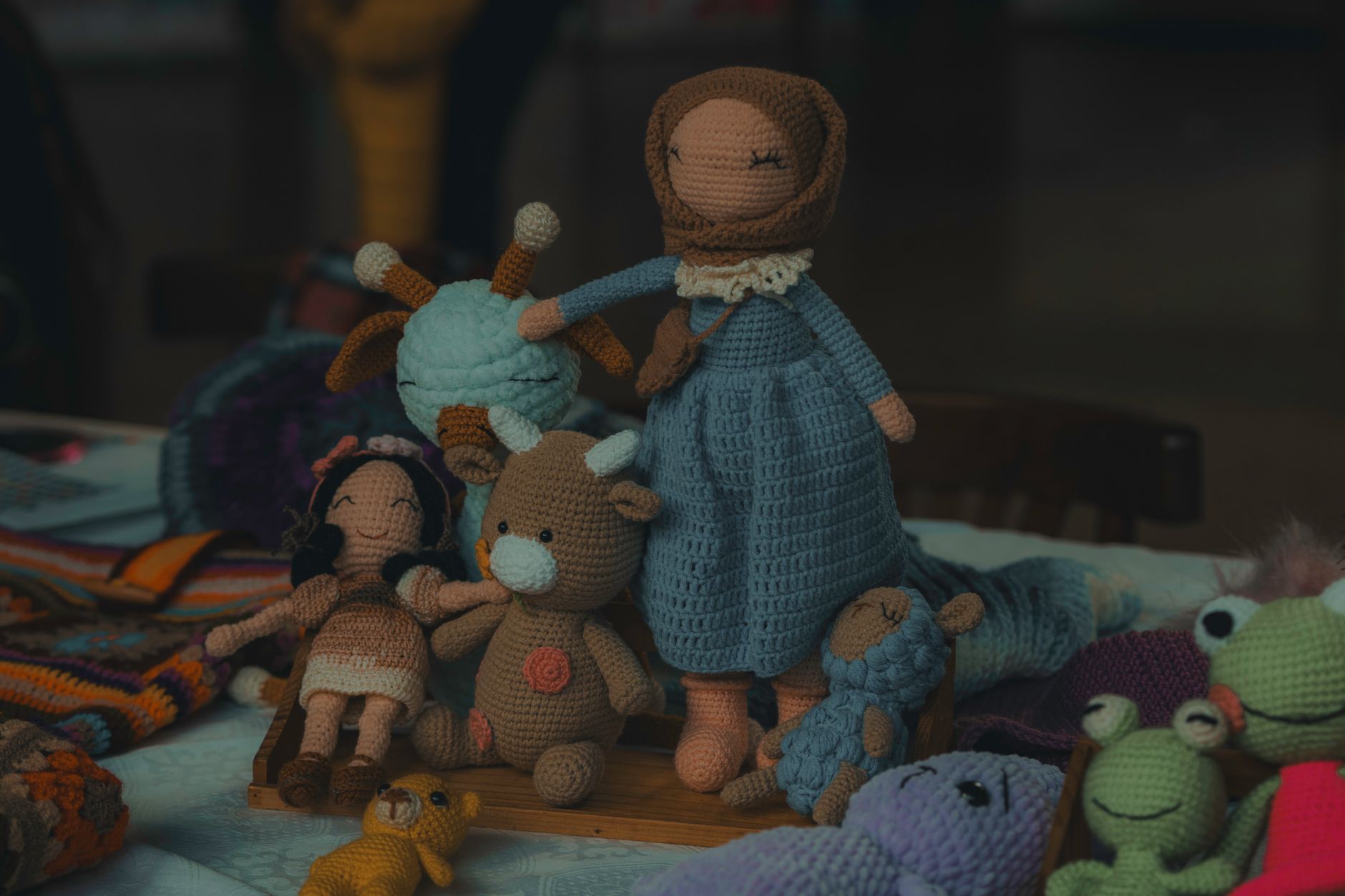
1) Sculptural Amigurumi with Clean Shaping
Lots of plushies are cute. Few look engineered.
Advanced shaping details buyers notice include:
- Hidden increases and decreases (so the body looks smooth)
- Angular features (snouts, beaks, horns, jawlines) built with short rows
- Layered parts that sit flush (ears, plates, shells) instead of "stuck on"
- Stable posing (weighted base, internal structure, or smart limb joins)
If plush design is your lane, link your skill directly to "one-of-a-kind." A buyer might not know what short rows are, but they can see a crisp snout and symmetrical face.
For technique refreshers that support this style, our advanced crochet techniques patterns that sell is a solid companion.
2) Wearables with Unexpected Construction
Most crochet wearables online follow the same construction paths (top-down raglan, two rectangles, simple yoke). They work, but they blend in.
Advanced construction ideas that create a new look:
- Modular garments (motifs that form seams on purpose)
- Off-grain striping (stripes that turn corners cleanly)
- Shaped collars and lapels using short rows
- Built-in structure (waist shaping, bust darts, crisp hems)
The trade-off is fit.
If you sell finished wearables, you'll spend more time on sizing, measuring, and adjustments. If you sell patterns, you'll spend more time on clear grading and testing notes.
3) Home Decor with "Designer" Texture (Not Just a Stitch Sampler)
Texture sells when it has rhythm.
Instead of "every stitch I know in one blanket," think in systems:
- One primary texture (like cables, waffle, or overlay crochet)
- One supporting texture (a simpler stitch for rest and contrast)
- A border that repeats the same design language
This is where advanced crocheters can quietly dominate. Consistency is harder than complexity, and it reads as premium.
4) Statement Accessories That Photograph Like Art
Accessories are your best testing ground for new ideas. They're small, fast, and easier to price.
Advanced accessory projects that tend to look high-end:
- Structured bags with lining-friendly shapes
- Overlay crochet cuffs and collars
- Lace scarves with bold negative space (holes placed intentionally)
- Hats with shaped brims, not just a circle-to-tube formula
If it looks crisp in a photo from six feet away, it sells faster.
A Decision Framework: Pick Projects That Sell, Not Just Impress
Advanced crocheters often choose projects based on challenge. Sellers need a second filter: buyer payoff.

We use a simple four-part check before investing time in a new design or product.
The Four Checks
- Silhouette test: Can someone recognize the shape instantly in a thumbnail photo?
- Detail test: Is there one "signature detail" you can name in a listing title? (Example: scalloped armor plates, vine-wrapped handle, angular snout.)
- Time-to-value test: Do you hit the wow factor early, or only after 12 hours of work?
- Repeatability test: Can you make it twice the same way without hating your life?
That last one matters more than people admit.
A project that takes intense focus for every round is fine as a personal masterpiece. It's risky as a product line. If you're selling finished pieces, repeatability protects your hands and your schedule. If you're selling patterns, repeatability protects your customer's experience.
Choose a vs Choose B (Common Trade-Offs)
Use this to decide what kind of "advanced" is worth it:
- Choose complex shaping if you want a premium look with smooth fabric and fewer color changes.
- Choose colorwork if you want instant visual punch and simpler shapes.
- Choose lace if you want lightweight drama and fast yardage use, but you're okay with blocking.
- Choose dense texture if you want structure and durability, but you're okay with higher yarn cost and more hand strain.
This helps you design with intention instead of piling on difficulty.
Worked Example: Designing a Sellable "Flair" Pattern From One Core Idea
Here's a concrete way we turn a cool concept into something you can sell as a finished item or as a pattern.

The Core Idea
Make a structured crochet bag that looks like a creature, without being a "kids' character."
The selling hook is subtle: it reads as a stylish bag first, then you notice it has personality.
Step 1: Decide the Buyer and the Use
Pick one use case, then design for it.
For this example: a small crossbody that fits phone, keys, and wallet.
This decision controls everything: size, strap width, stiffness, and closure.
Step 2: Build the Shape Before You Decorate
Start with a clean, repeatable base shape:
- Oval base with tight stitches for structure
- Straight sides with consistent tension
- Flat front panel that stays smooth in photos
Advanced tweak: use paired increases spaced evenly so the oval stays balanced. This prevents the "lumpy canoe" base.
Step 3: Add One Signature Detail That Feels Designed
Choose one detail and make it the star.
Examples:
- Overlay crochet "scales" as a front panel accent
- Raised surface crochet ridges that wrap like a spine
- A shaped flap that suggests a snout or shell
Keep it to one main feature. Two can work, but three usually turns into costume.
Step 4: Engineer the Finish (This Is Where Flair Lives)
Flair is often finishing, not stitches.
For a bag, your premium cues are:
- Clean top edge (no rippling)
- Strap attachments that don't sag
- Closure that works one-handed
- Inside that doesn't stretch out after use
If you sell finished bags, consider a fabric lining and a magnetic snap.
If you sell patterns, write the pattern so it's lining-friendly (simple seam path, no bulky joins at the opening).
Step 5: Turn It Into a Product Listing That Sells
Don't lead with technique. Lead with outcome.
Instead of "overlay crochet bag pattern," lead with what it is:
- "Structured crossbody with sculpted front panel"
- "Textured statement bag with clean silhouette"
Then mention the advanced features in the description.
If your style is more plush-focused, you can apply the same process to a toy body and add one signature detail (like armor plates or sculpted paws). Our intricate plush design ideas for one-of-a-kind stuffed toys goes deeper on that path.
Pricing, Time, and Materials: the Stuff That Makes or Breaks a Seller
Advanced projects can be profitable, but only if you plan around the hidden costs.

Yarn Choice: the "Looks Expensive" Shortcut
For finished goods, buyers read fiber and finish instantly.
A few practical guidelines we use:
- Smooth cotton or cotton blends show stitch definition and look crisp in photos.
- Wool and wool blends can look rich, but fuzz can hide detail, which matters for sculptural work.
- Velvet and plush yarns sell for cute plushies, but they slow you down and make shaping harder.
For patterns, give at least one substitution option. Advanced crocheters love freedom, but they still want guardrails.
Time Management: Protect Your Hands
Dense texture, tiny hooks, and tight tension can be a strain.
Build in "rest rows" where possible. Alternate intense sections with simpler rounds. If a design hurts to make, it's not scalable.
Also, be honest with yourself about finishing time. Sewing parts, weaving ends, and blocking can take longer than the crochet.
Selling Patterns vs Finished Items
The best choice depends on what you enjoy repeating.
- Sell patterns if you like designing, writing steps clearly, and refining.
- Sell finished pieces if you like production, photography, and interacting with buyers.
Many advanced crocheters end up doing both. A small run of finished items can prove demand, then a pattern can reach more people.
A Short "Flair" Checklist Before You List or Launch
Use this as a final pass. It's quick, but it catches the difference between "nice" and "special."
- The project has one clear signature detail.
- The silhouette reads in a small photo.
- The finishing looks clean from the back and sides.
- The design holds its shape after handling.
- You can explain what makes it different in one sentence.
If you're building your next line of unique crochet projects for advanced crocheters, pick one concept, then push it through this checklist. That's how "advanced" turns into "sellable with flair."
If you want patterns that already bake these choices in, browse our designs on https://artncraftartncraft.art and pick one that matches your style, sculptural plush, structured accessories, or bold texture.